Discover insights about this artwork
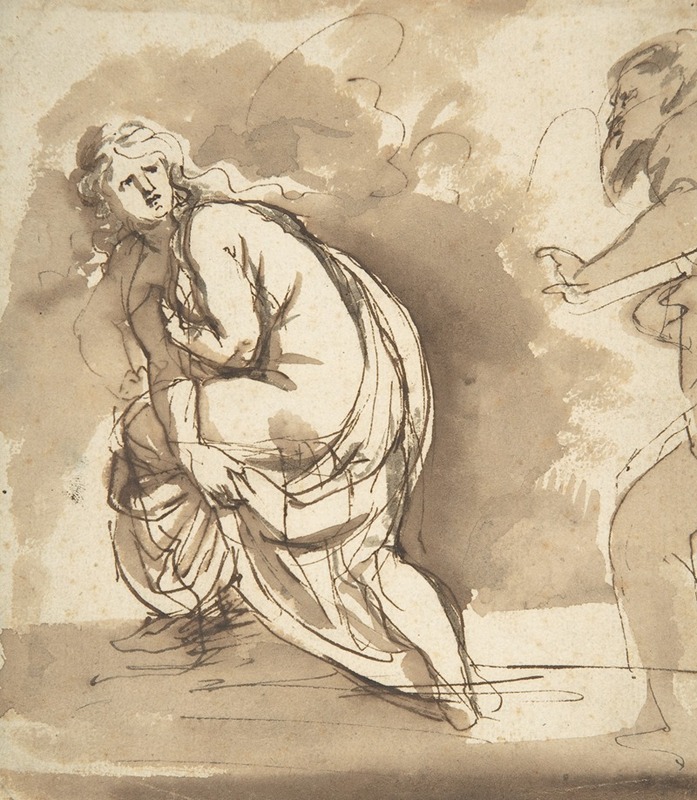
Paradise Lost — History & Facts
In Paradise Lost, Paul Gauguin uses vibrant colors to depict a lush, tropical landscape. The painting features figures that appear to be engaged in a serene, almost dreamlike interaction with nature. Rich greens and blues dominate the canvas, creating a sense of vitality and warmth.
The figures are stylized, embodying the essence of Gauguin's fascination with the South Seas and its cultures. This artwork is created using oil on canvas, a medium that allows for the rich layering of colors and textures. The dimensions are approximately 90 x 120 cm, making it a sizable piece that draws the viewer in. Gauguin's brushwork is distinct, characterized by bold strokes and a flat application of color that emphasizes the two-dimensionality of the scene.
The composition is carefully arranged, guiding the eye through the vibrant landscape. Paul Gauguin was a leading figure in the Post-Impressionist movement, known for his bold use of color and symbolic content. Paradise Lost reflects his interest in the themes of loss and the idealization of nature, often influenced by his experiences in Tahiti. An interesting fact about this work is that it embodies Gauguin's desire to escape from the industrialized world of Europe and find solace in the simplicity of island life.
More Artworks by Paul Gauguin
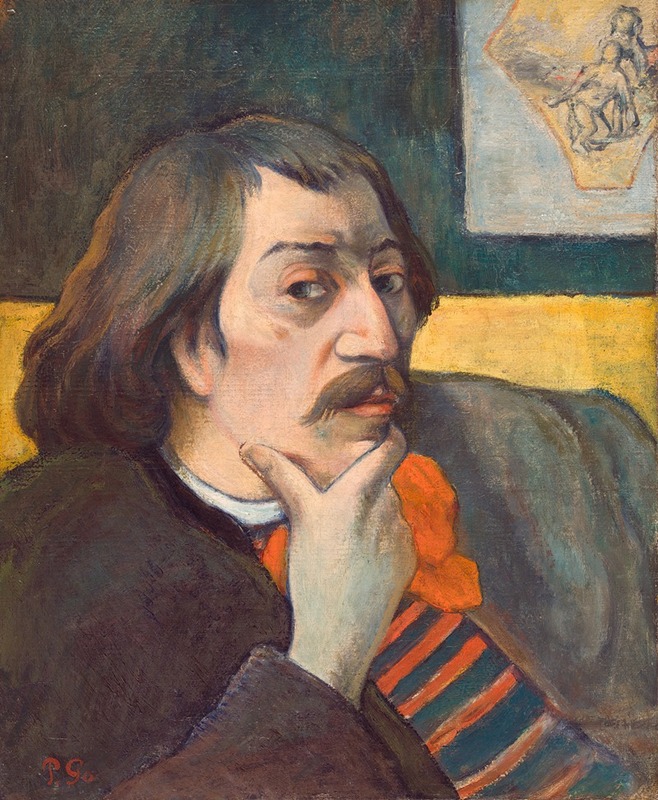
Self Portrait
Paul Gauguin
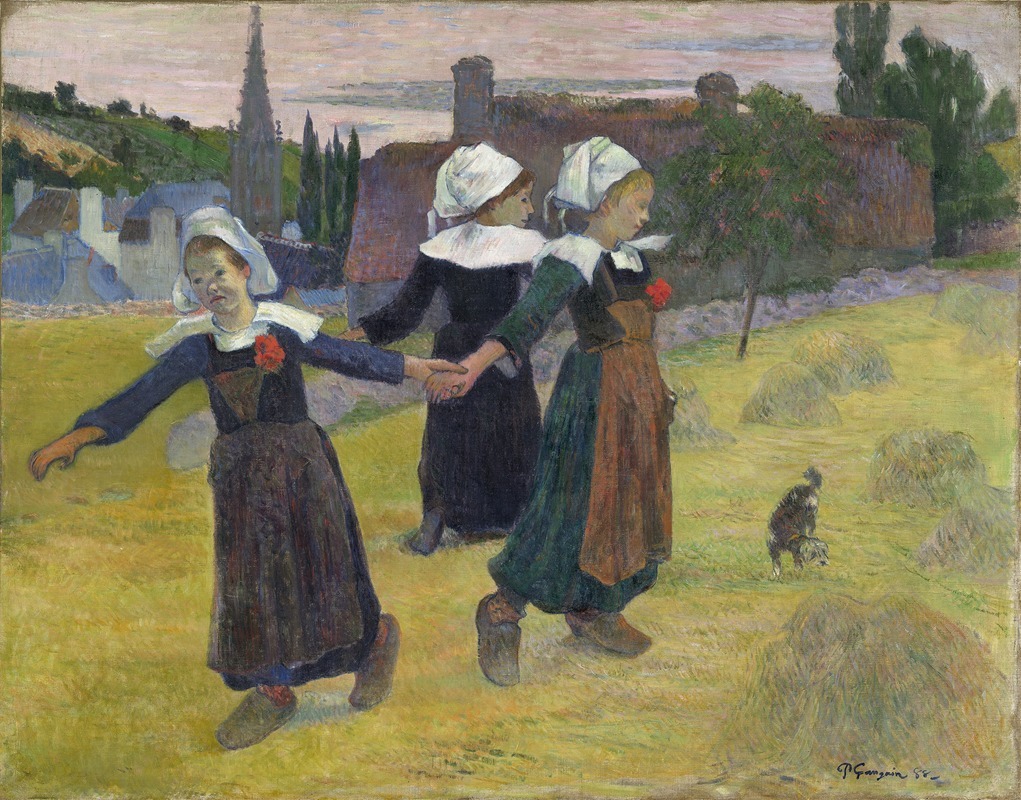
Breton Girls Dancing,Pont-Aven
Paul Gauguin
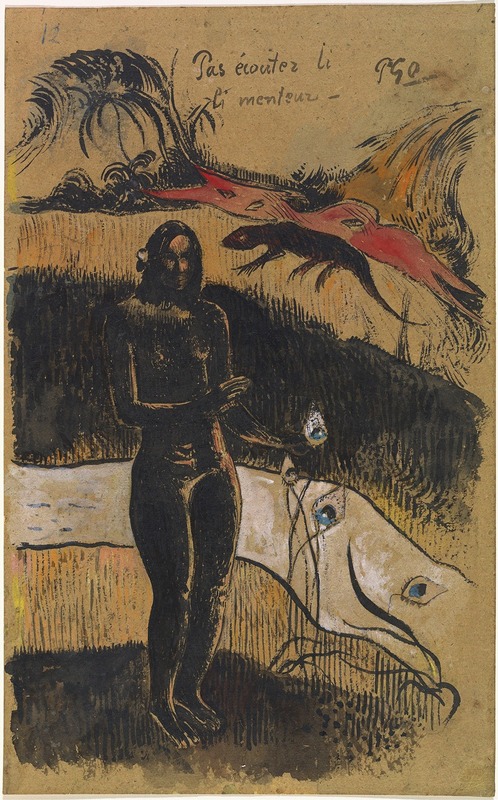
Nave Nave Fenua
Paul Gauguin
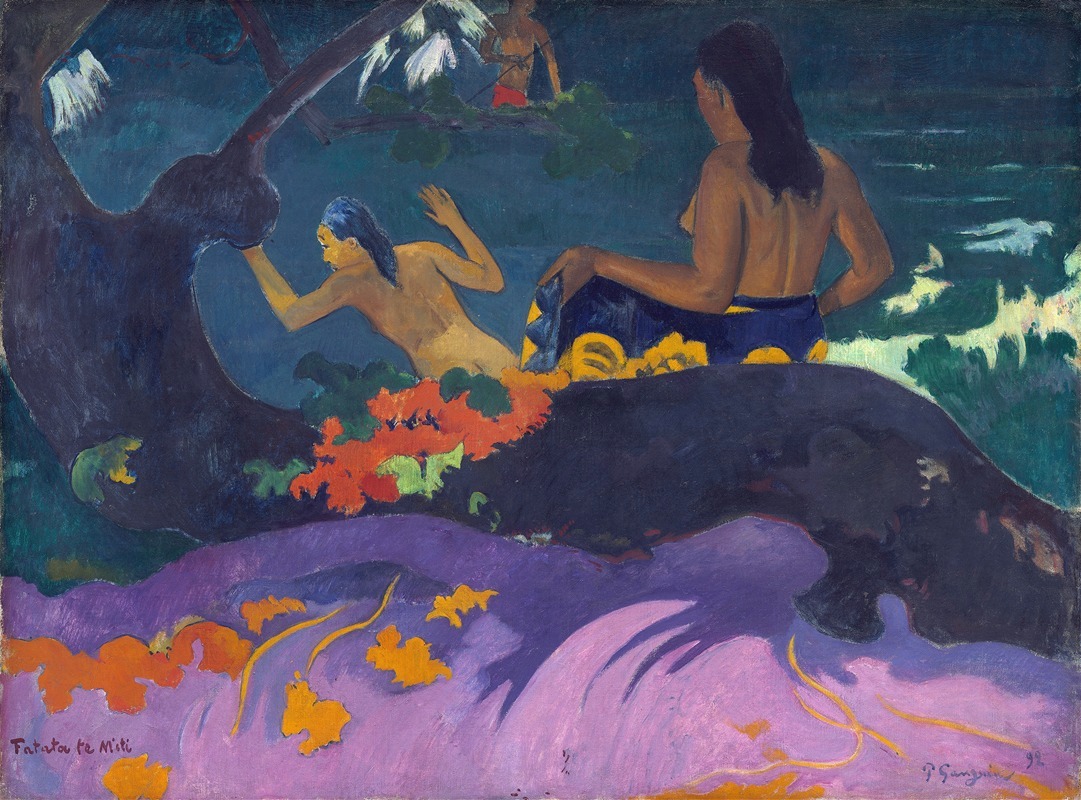
Fatata te Miti (By the Sea)
Paul Gauguin
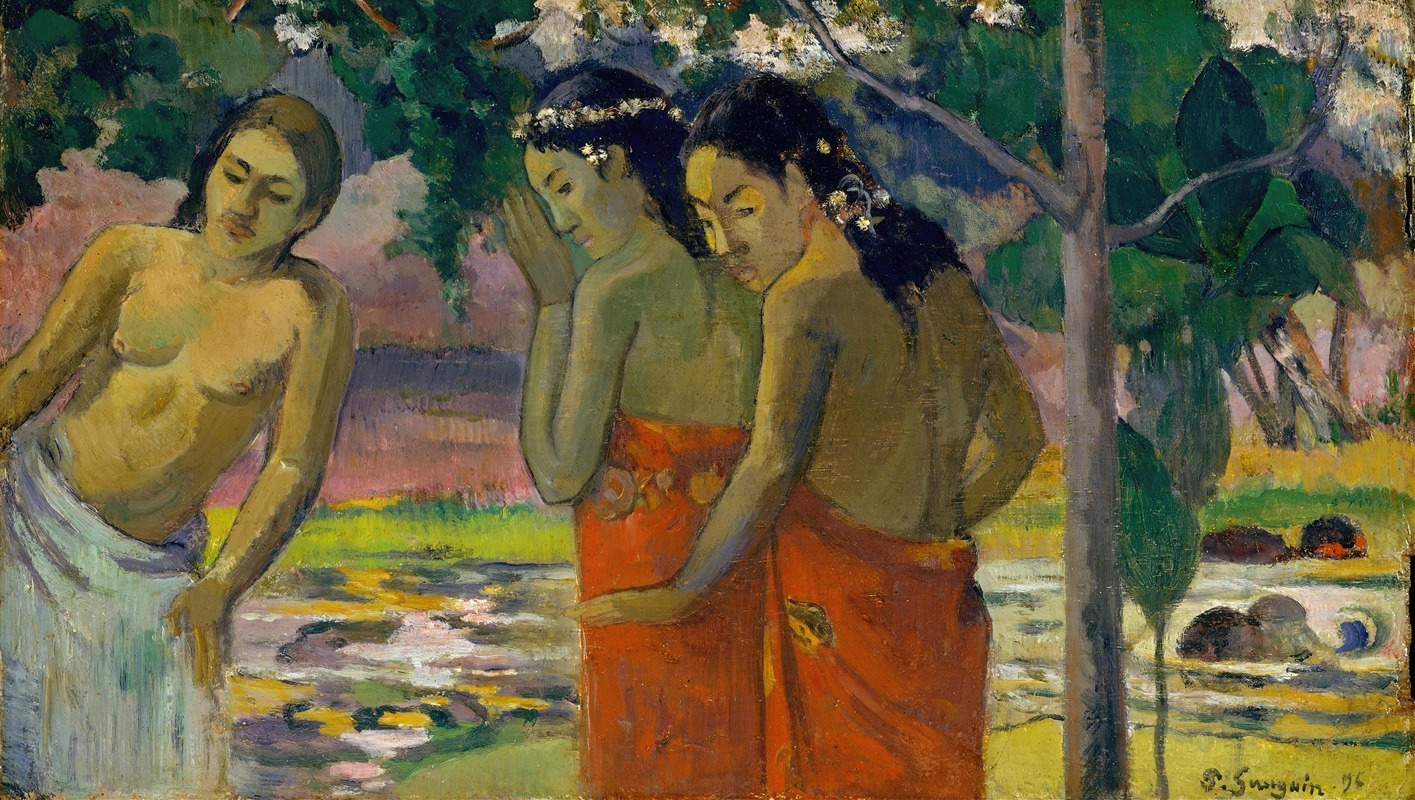
Three Tahitian Women
Paul Gauguin
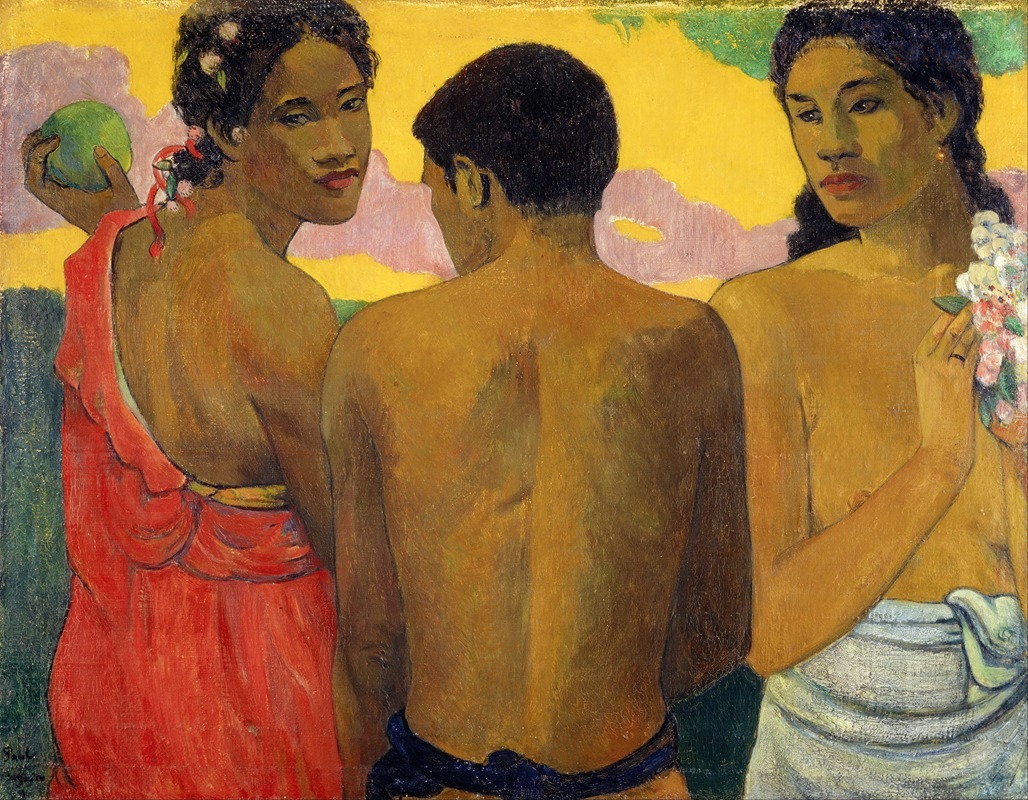
Three Tahitians
Paul Gauguin
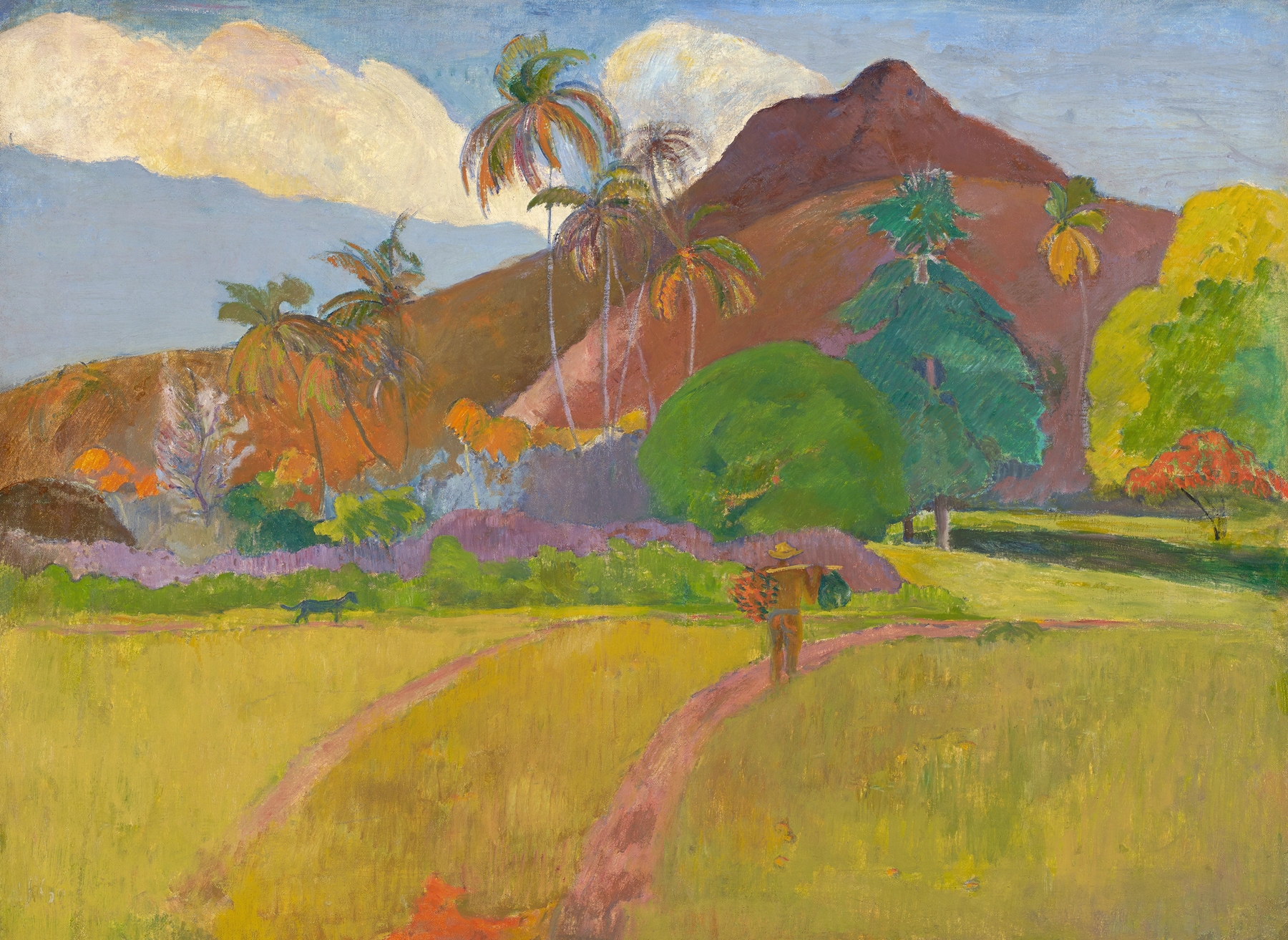
Tahitian Landscape
Paul Gauguin
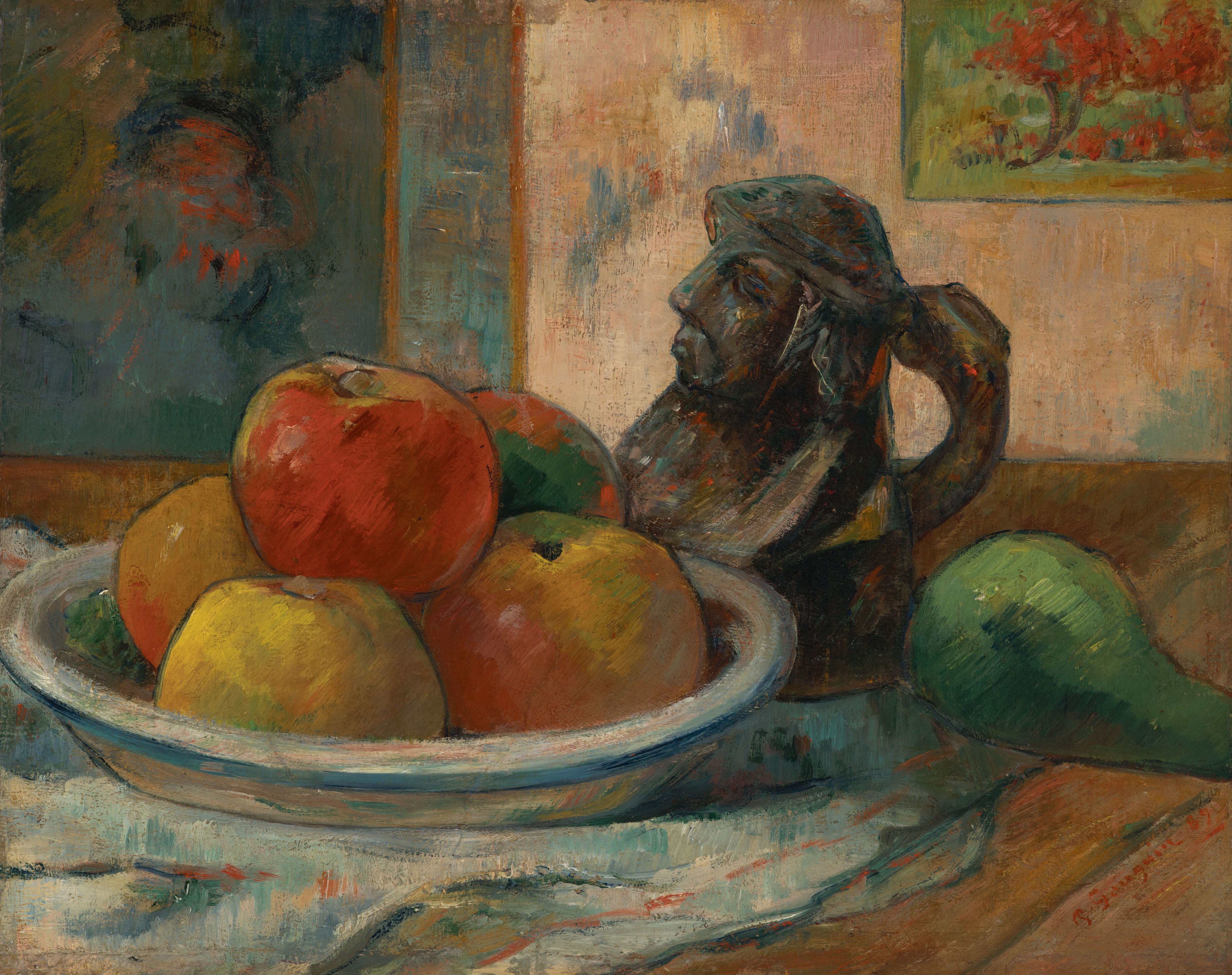
Still Life with Apples, a Pear, and a Ceramic Portrait Jug
Paul Gauguin
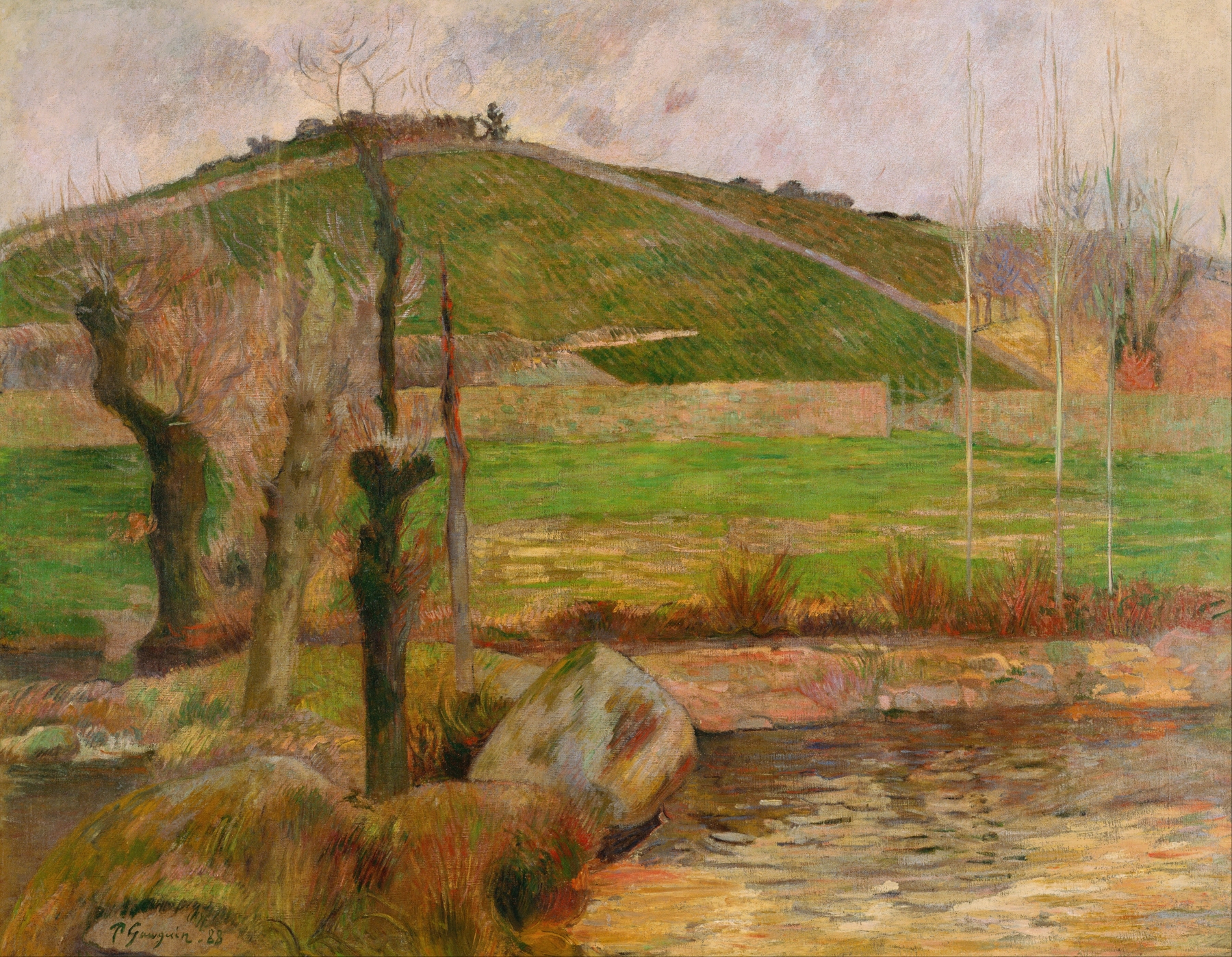
Landscape near Pont-Aven
Paul Gauguin

No te aha oe riri (Why Are You Angry?)
Paul Gauguin