Parasol met dek van witte tule waarop zwart borduurwerk van telkens drie bloemen, op een witgeverfde houten stok, waaraan een gebogen ivoorkleurig handvat — History & Facts
When did color learn to lie? In Parasol met dek van witte tule waarop zwart borduurwerk van telkens drie bloemen, op een witgeverfde houten stok, waaraan een gebogen ivoorkleurig handvat, the delicate interplay of light and hue whispers secrets of solitude and longing. Look to the intricate lacework of the parasol’s canopy, where black embroidery dances among the white tulle, creating a visual melody of contrast. The parasol, set against its stark white-painted wooden handle, draws the eye first with its elegance and vulnerability. The soft curves of the ivory-hued grip speak of gentle hands, suggesting a personal connection to the object that toys with the boundary between utility and art. Delve deeper into the symbolism: the three flowers in the embroidery may reflect companionship or memories of love, yet their isolation against the ethereal fabric conjures a sense of abandonment.
The starkness of the white and black suggests not only beauty but also the bittersweet nature of existence — pristine yet haunted by the weight of loneliness. In this fragile object, there lies an unspoken yearning, a narrative woven into its seams that resonates with those who have felt the pangs of separation and solitude. Created around 1928, this work emerged during a period of shifting artistic expression in Europe, marked by the rise of modernism and the exploration of personal identity. Schnitzler, influenced by the emotional currents of his time, infuses this parasol with an intimate quality that speaks to both individual experience and the broader human condition, capturing a moment of stillness amid the chaos of a changing world.
More Artworks by Gustav Schnitzler
Browse all →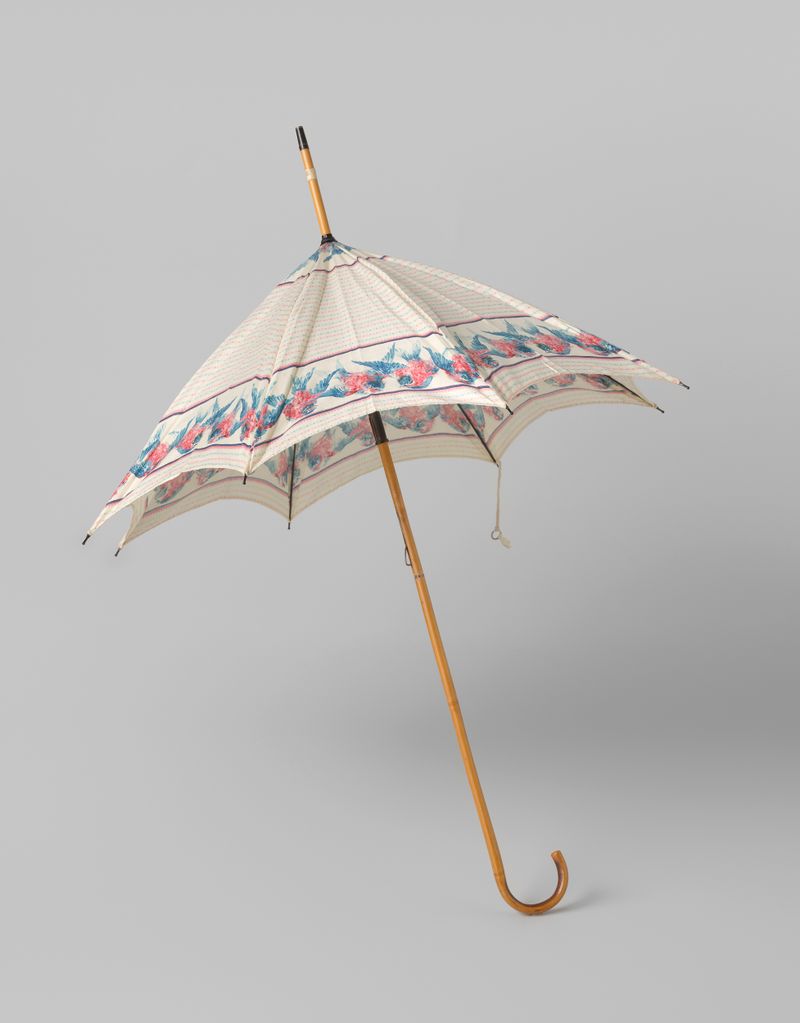
Parasol met dek witte katoen bedrukt met roze en blauwe vogeltjes, op een bamboe stok met gebogen handvat
Gustav Schnitzler
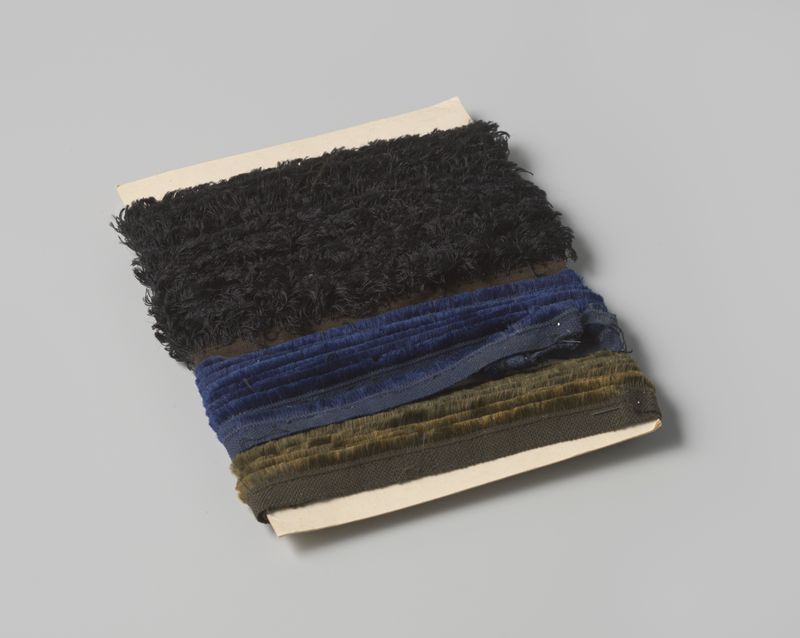
Strook zwarte franje aan bezemband, op karton
Gustav Schnitzler
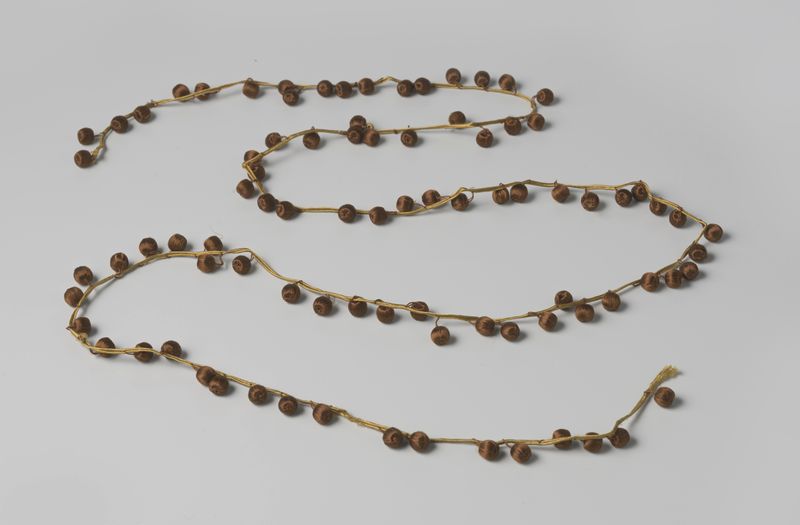
Galon, goudkleurig, waaraan pompons van bruin (zijde)draad hangen
Gustav Schnitzler

Parasol met dek van witte katoen, waartussen een strook van witte kant, op een lichte, houten stok met een ronde haak
Gustav Schnitzler

Strook franje, getand, wit en écru, gewikkeld rond een met gouden randen afgezet plankje
Gustav Schnitzler
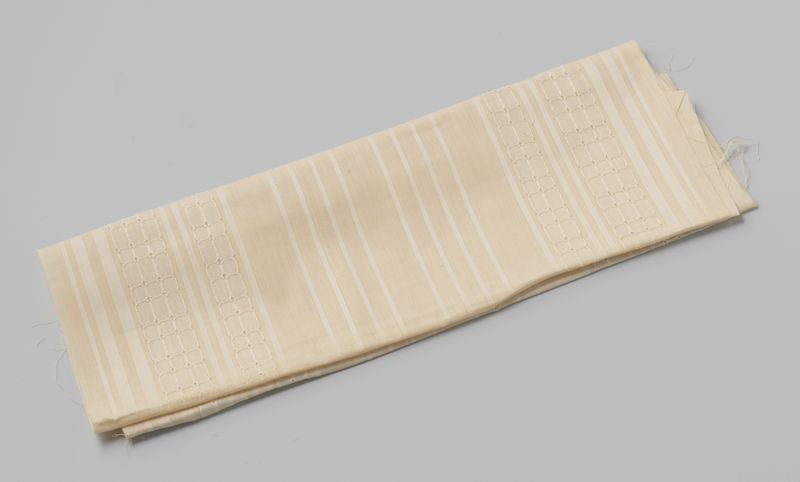
Coupon wit parasolkatoen met beige strepen aan weerszijden
Gustav Schnitzler
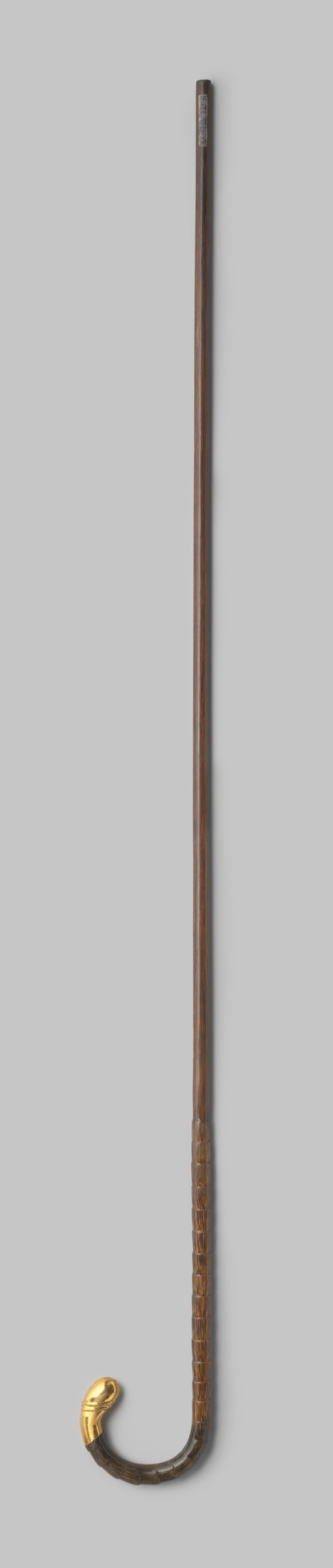
Onderstok van een parapluie of parasol van kokospalm met ronde haak en goudkleurig (verguld?) metalen uiteinde
Gustav Schnitzler
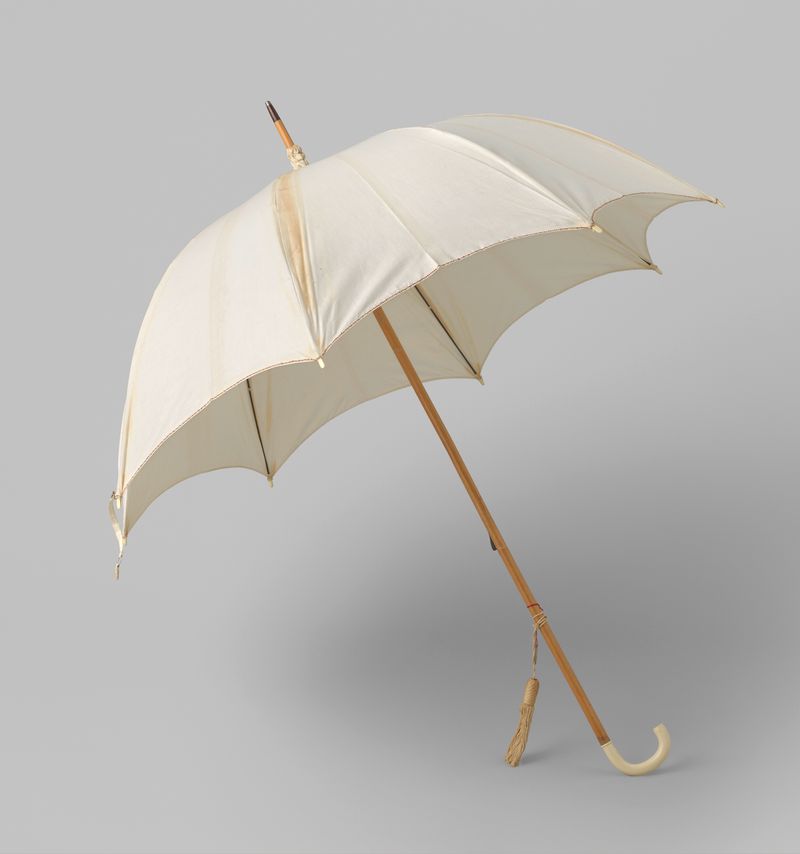
Parasol met dek van effen witte katoen met een smal meerkleurig draad langs de rand geregen, op lichte houten stok, met gebogen, ivoorkleurig handvat
Gustav Schnitzler
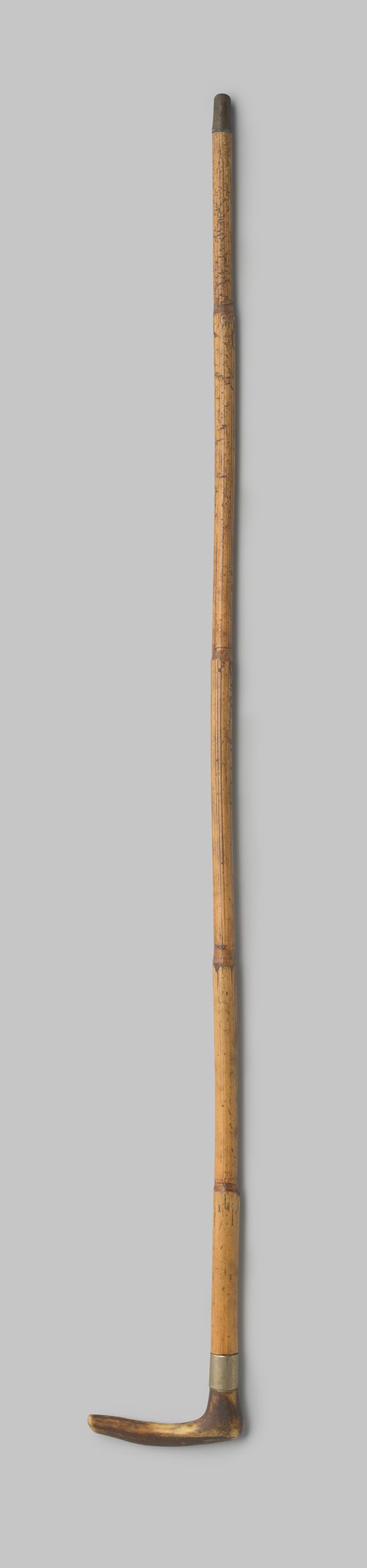
Onderstok van parasol of parapluie van bamboe met rechte haak van hertshoorn, met ring en punt van koper
Gustav Schnitzler
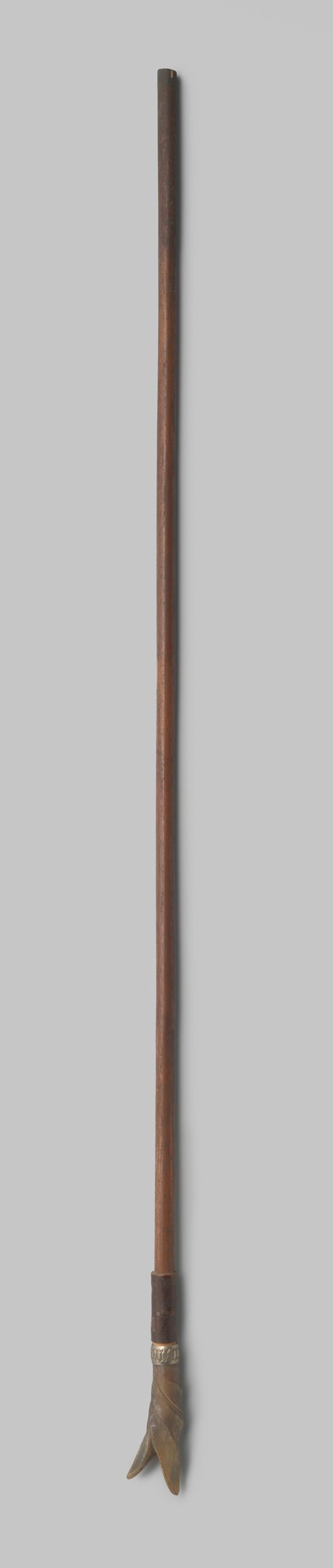
Onderstok van parasol of parapluie met knop van buffelhoorn, hout en zilverkleurige ring
Gustav Schnitzler