
Coupon wit parasolkatoen met beige strepen aan weerszijden — History & Facts
What secret hides in the quiet of the canvas? Beneath a veneer of tranquility, violence simmers, waiting to be unearthed. Look to the center, where muted beige stripes dominate the surface, creating a sense of order that belies the chaos lurking beneath. The careful arrangement of colors invites the eye to traverse the painting, yet it is the tension between light and shadow that captures the viewer. Notice how the subtle gradations of tone evoke a sense of unease, as if each stripe is a barrier that, once crossed, reveals a deeper turmoil. As you explore the nuances of texture, consider how the interplay of smooth and rough surfaces suggests an underlying conflict.
The seemingly benign stripes, instead of providing comfort, serve as a reminder of constraints and restrictions, hinting at a struggle for freedom. The violence here is not overt; it whispers through the composition, urging the observer to question what lies beneath the surface of calm. Created during the turbulent years between 1910 and 1940, this work reflects the artist's grappling with the upheavals of his time. Schnitzler was influenced by the societal and political unrest that characterized much of Europe in the early 20th century, which is mirrored in the work’s layered meanings.
This period also marked a shift in artistic expression, as artists began to engage more seriously with themes of conflict and resolution, reflecting both personal and collective experiences.
More Artworks by Gustav Schnitzler
Browse all →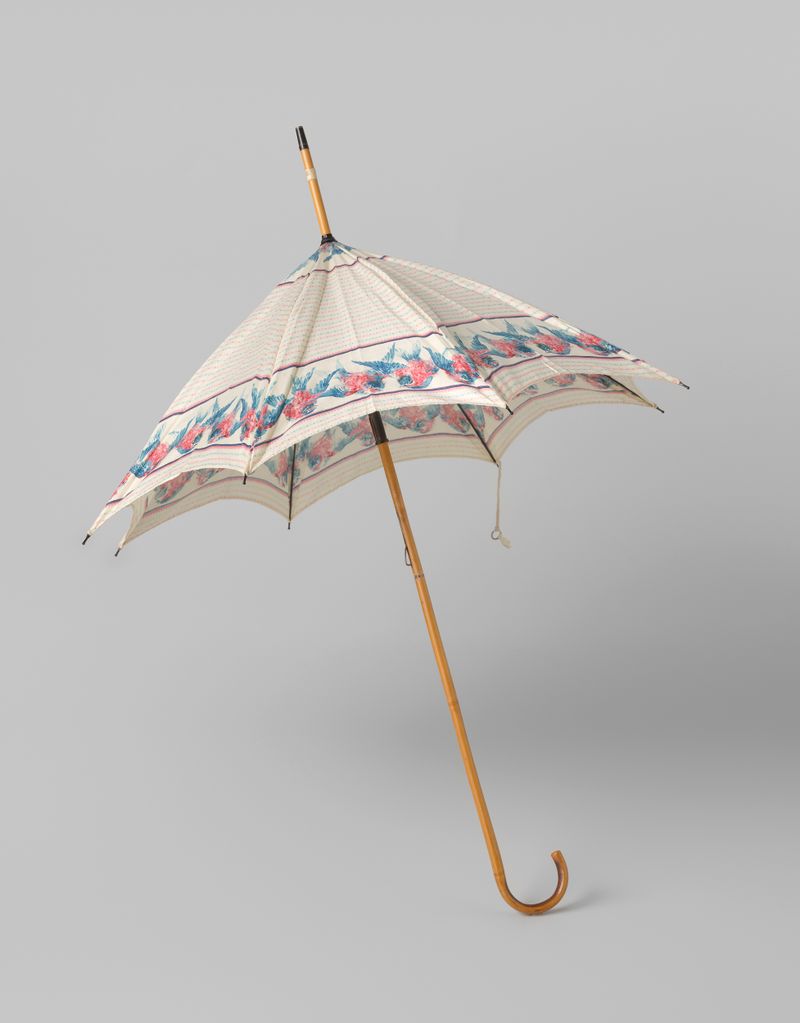
Parasol met dek witte katoen bedrukt met roze en blauwe vogeltjes, op een bamboe stok met gebogen handvat
Gustav Schnitzler
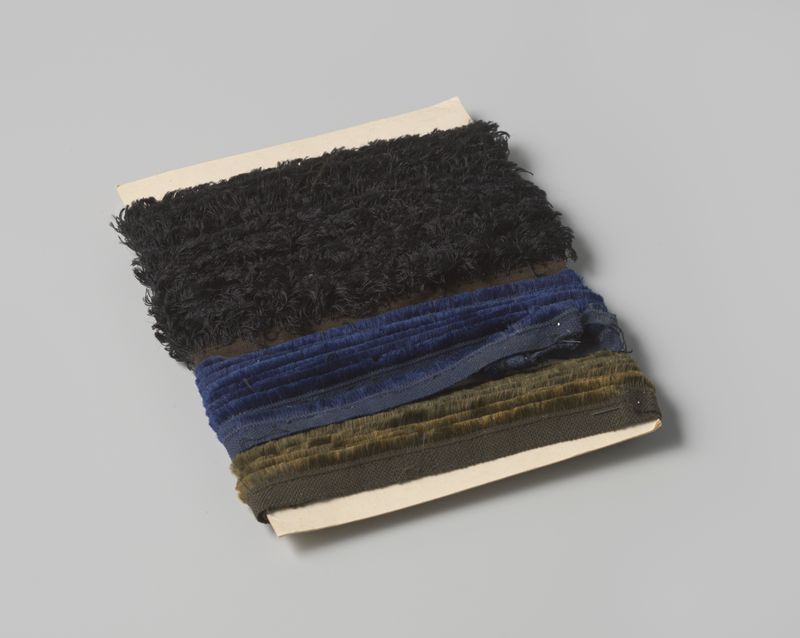
Strook zwarte franje aan bezemband, op karton
Gustav Schnitzler
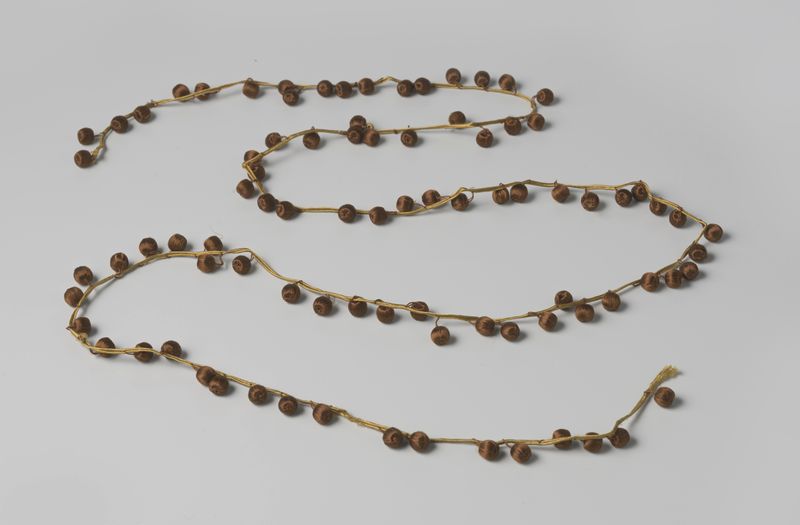
Galon, goudkleurig, waaraan pompons van bruin (zijde)draad hangen
Gustav Schnitzler
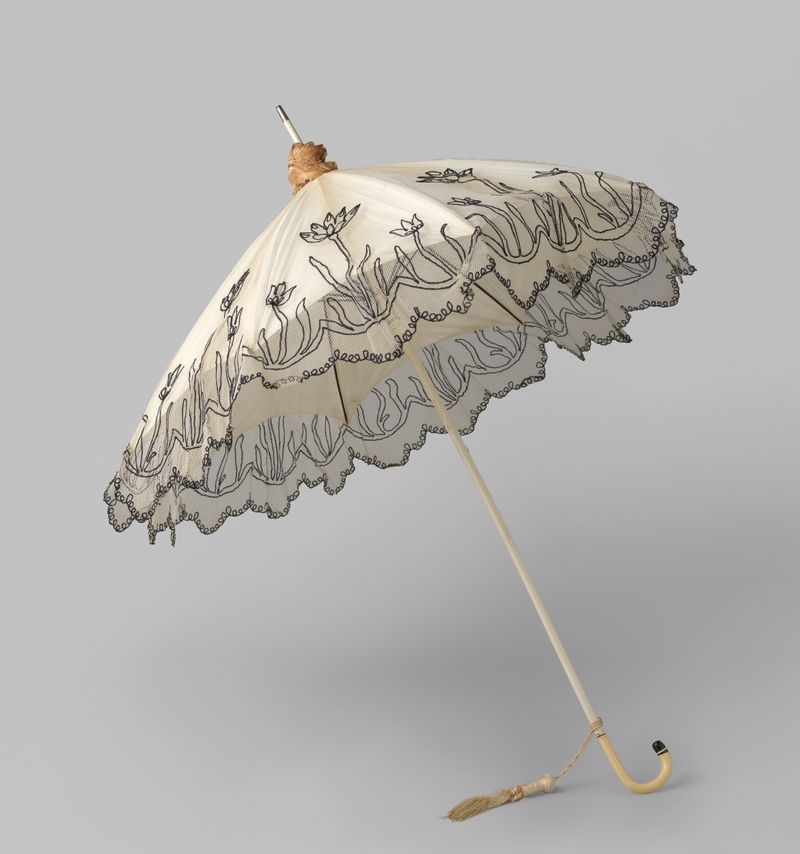
Parasol met dek van witte tule waarop zwart borduurwerk van telkens drie bloemen, op een witgeverfde houten stok, waaraan een gebogen ivoorkleurig handvat
Gustav Schnitzler

Parasol met dek van witte katoen, waartussen een strook van witte kant, op een lichte, houten stok met een ronde haak
Gustav Schnitzler

Strook franje, getand, wit en écru, gewikkeld rond een met gouden randen afgezet plankje
Gustav Schnitzler
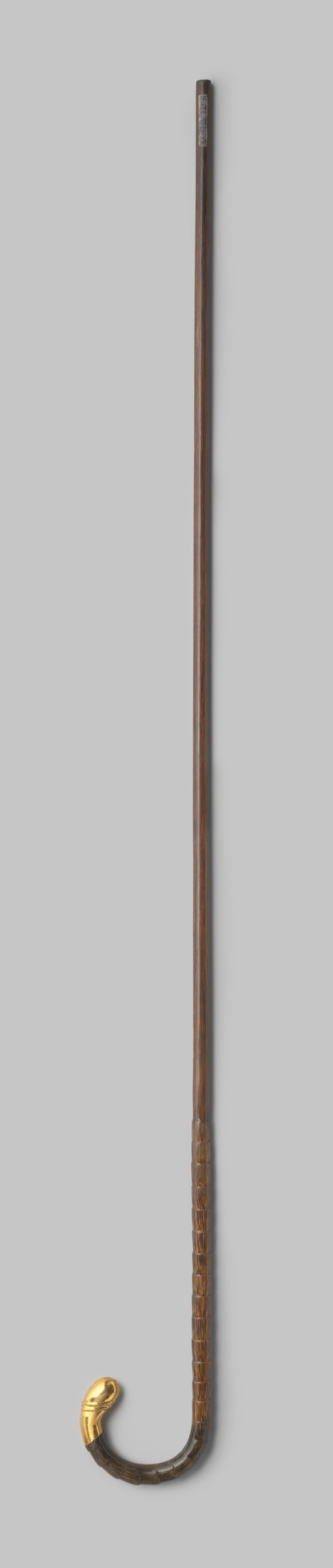
Onderstok van een parapluie of parasol van kokospalm met ronde haak en goudkleurig (verguld?) metalen uiteinde
Gustav Schnitzler

Parasol met dek van effen witte katoen met een smal meerkleurig draad langs de rand geregen, op lichte houten stok, met gebogen, ivoorkleurig handvat
Gustav Schnitzler
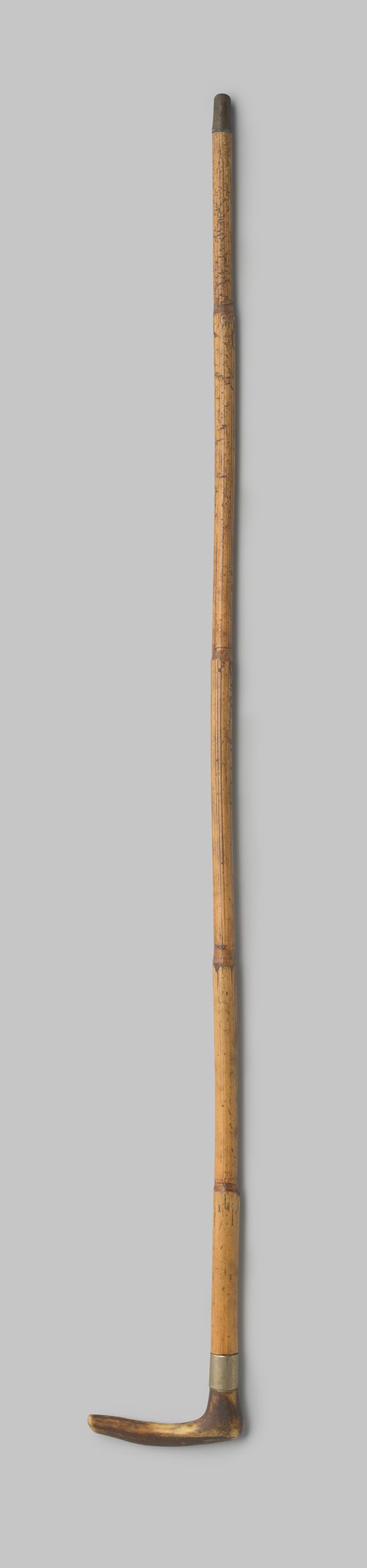
Onderstok van parasol of parapluie van bamboe met rechte haak van hertshoorn, met ring en punt van koper
Gustav Schnitzler
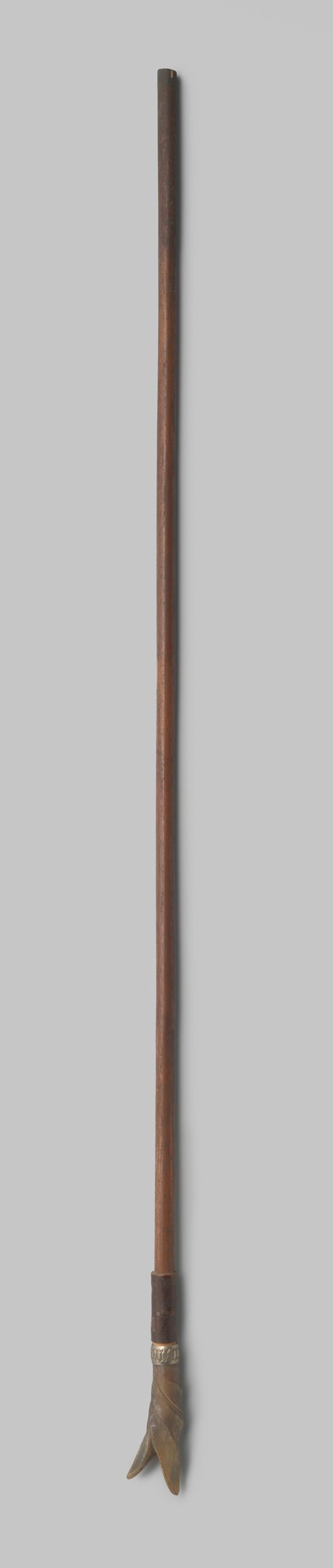
Onderstok van parasol of parapluie met knop van buffelhoorn, hout en zilverkleurige ring
Gustav Schnitzler





