Parasol met dek van effen witte katoen met een smal meerkleurig draad langs de rand geregen, op lichte houten stok, met gebogen, ivoorkleurig handvat — History & Facts
Is this a mirror — or a memory? The delicate craftsmanship of this parasol invites a contemplation of what remains after the sun sets and the days of light fade away. It stands poised, a silent witness to the passage of time, suspended between use and abandonment, its fabric whispering secrets of warmth and shade that once cradled joyful moments. Look closely at the intricate detailing of the parasol's edge, where a narrow band of multicolored thread weaves a tapestry of emotions. The subtle play of light on the white cotton reflects an ethereal quality, evoking nostalgia.
The soft curves of the ivory-hued handle invite touch, creating a sense of intimacy and longing. The juxtaposition of light and shadow enriches the object's simplicity, turning it into a poignant symbol of transient beauty. The contrast between the parasol's vibrant edges and the starkness of its cotton fabric speaks volumes about the delicate nature of memory and loss. Each color in the thread symbolizes a fragment of experiences once sheltered beneath its canopy.
What stories linger in the folds? The essence of joy mingles with a tinge of sorrow, suggesting the bittersweet nature of recollection — moments cherished, yet forever out of reach. Gustav Schnitzler created this exquisite work around 1900-1910, during a time when the art world was embracing new, impressionistic ideas that celebrated everyday objects. Living in an era marked by rapid change and modernity, Schnitzler's choice to focus on something as mundane as a parasol reflects a profound sensitivity to the ordinary and the ephemeral, inviting viewers to pause and reflect on their own memories and losses.
More Artworks by Gustav Schnitzler
Browse all →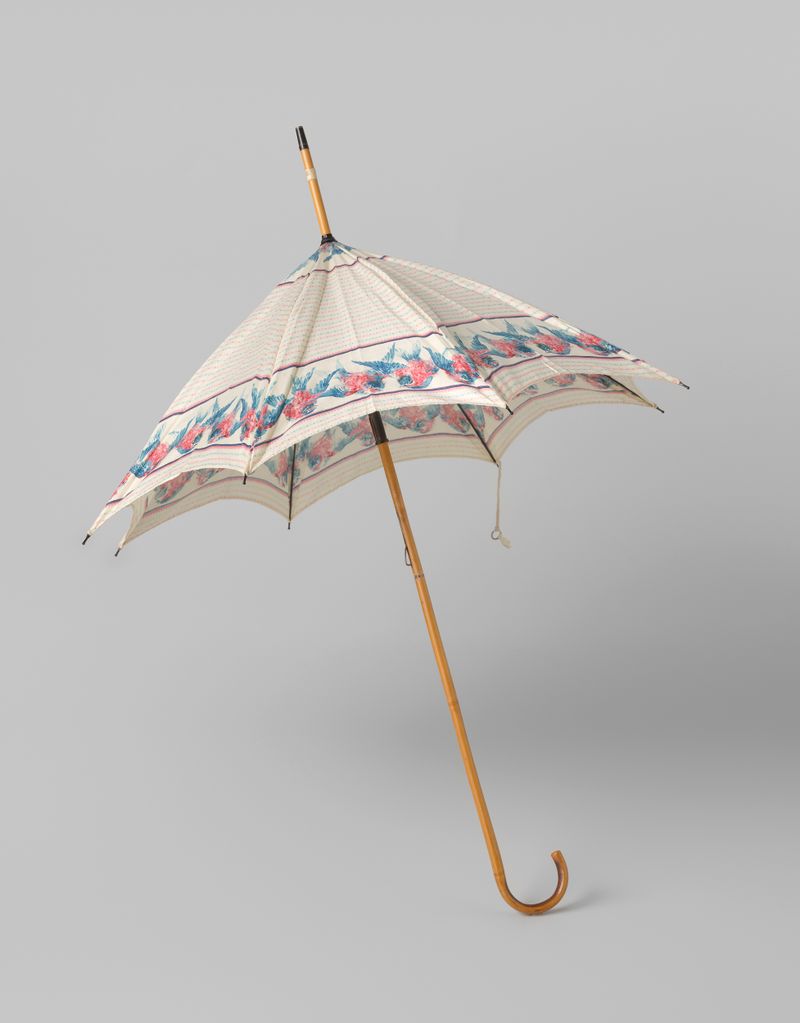
Parasol met dek witte katoen bedrukt met roze en blauwe vogeltjes, op een bamboe stok met gebogen handvat
Gustav Schnitzler
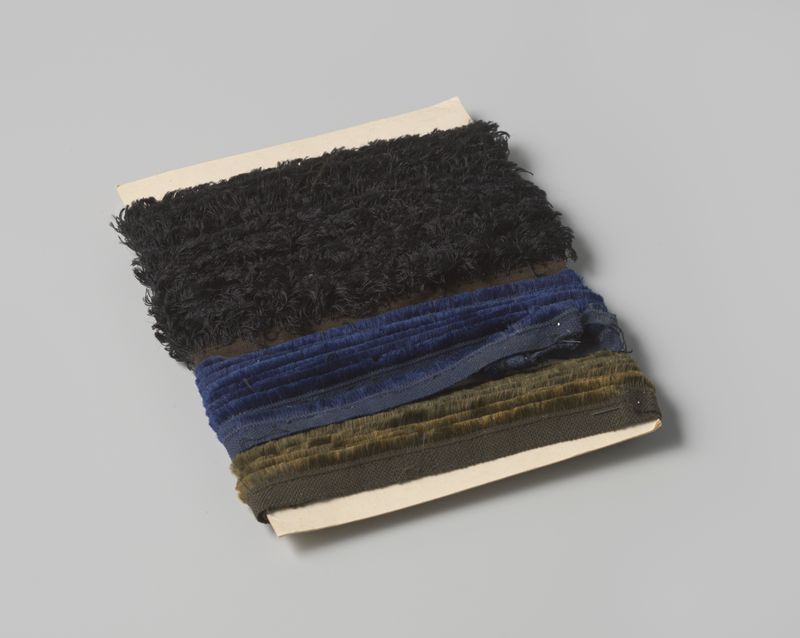
Strook zwarte franje aan bezemband, op karton
Gustav Schnitzler
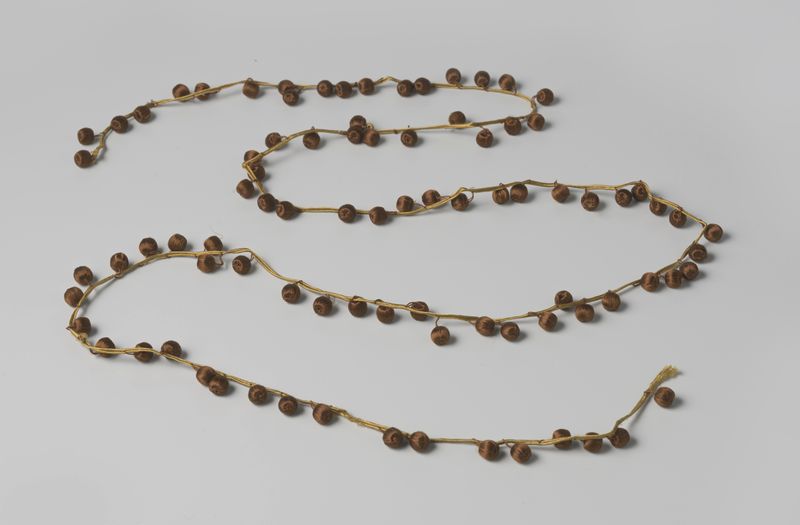
Galon, goudkleurig, waaraan pompons van bruin (zijde)draad hangen
Gustav Schnitzler
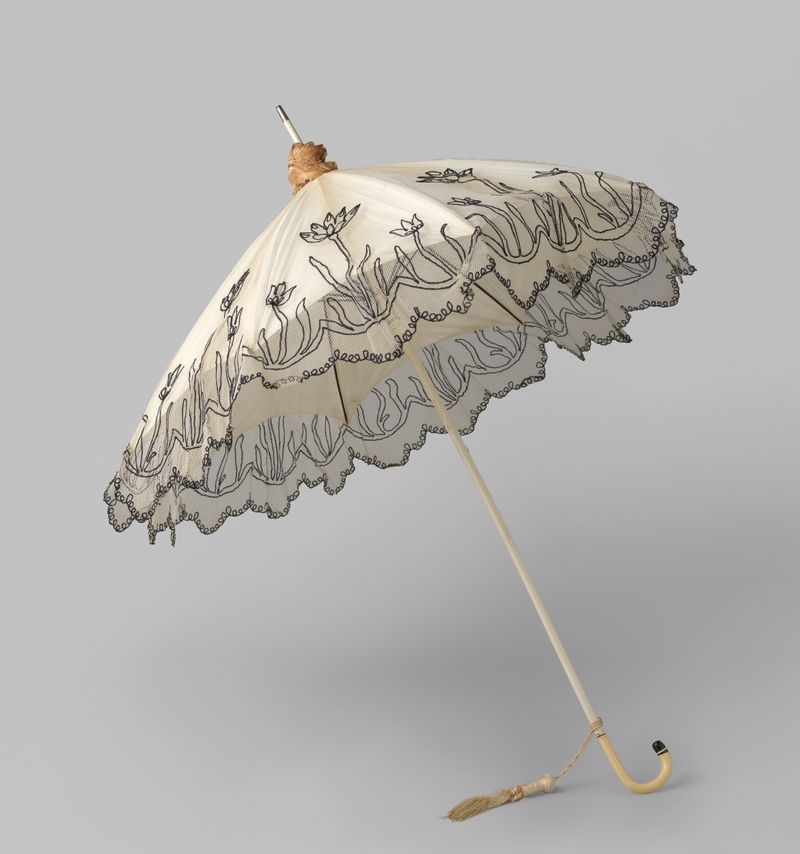
Parasol met dek van witte tule waarop zwart borduurwerk van telkens drie bloemen, op een witgeverfde houten stok, waaraan een gebogen ivoorkleurig handvat
Gustav Schnitzler

Parasol met dek van witte katoen, waartussen een strook van witte kant, op een lichte, houten stok met een ronde haak
Gustav Schnitzler

Strook franje, getand, wit en écru, gewikkeld rond een met gouden randen afgezet plankje
Gustav Schnitzler
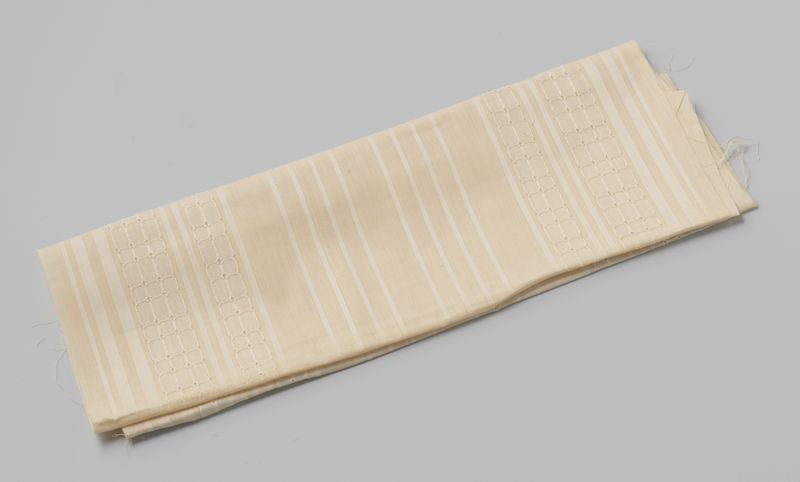
Coupon wit parasolkatoen met beige strepen aan weerszijden
Gustav Schnitzler
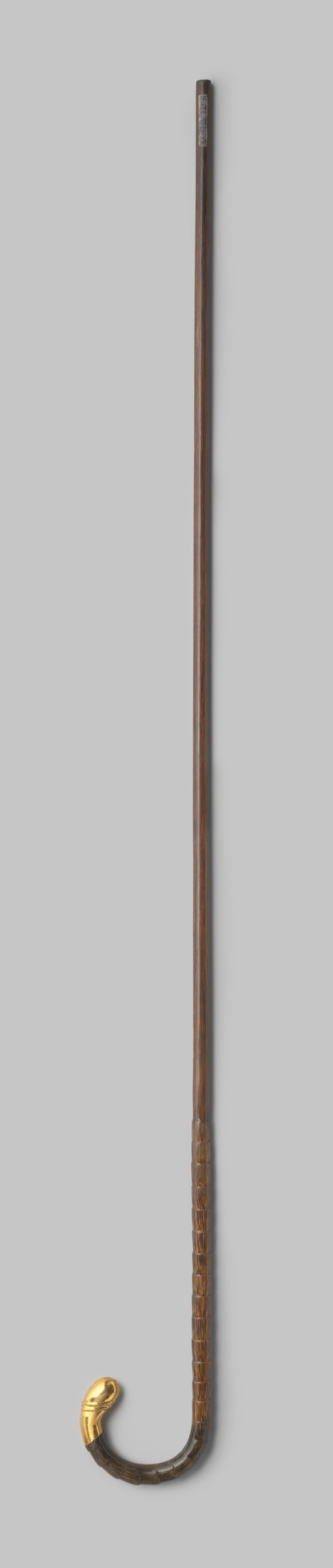
Onderstok van een parapluie of parasol van kokospalm met ronde haak en goudkleurig (verguld?) metalen uiteinde
Gustav Schnitzler
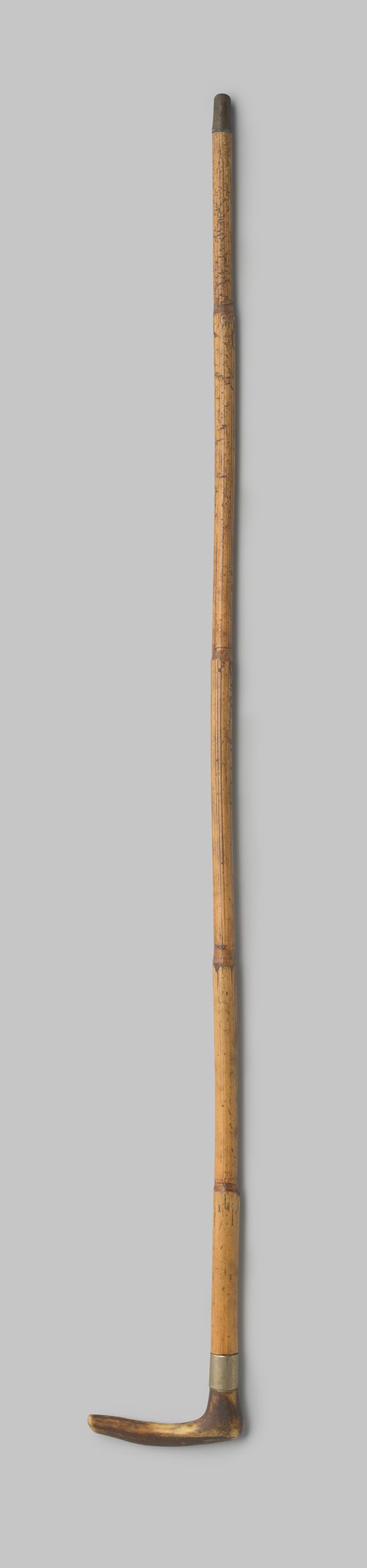
Onderstok van parasol of parapluie van bamboe met rechte haak van hertshoorn, met ring en punt van koper
Gustav Schnitzler
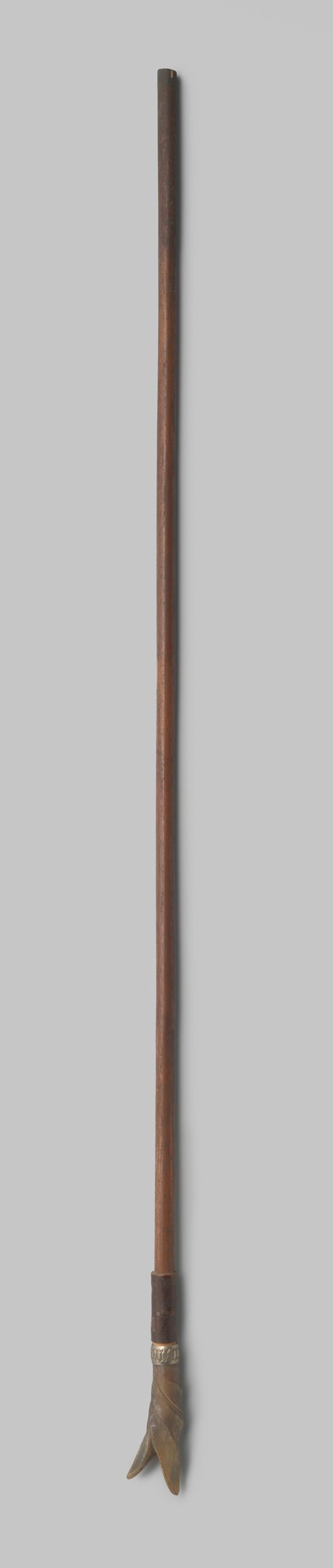
Onderstok van parasol of parapluie met knop van buffelhoorn, hout en zilverkleurige ring
Gustav Schnitzler