Strook zwarte franje aan bezemband, op karton — History & Facts
Who listens when art speaks of silence? In an age brimming with noise, there exists a captivating hope that emerges quietly, compelling us to pause and reflect. Look closely at the textured surface of the cardboard. Notice how the frayed black fringe appears to whisper against the background, a stark contrast that draws your eye. The meticulous strokes blend into a symphony of blacks that evoke depth and shadow, while the interplay of light and dark creates a subtle rhythm, guiding your gaze across the canvas.
Every line seems intentional, yet spontaneous, as if capturing a fleeting moment of inspiration. Beneath its simplicity lies a profound exploration of absence and presence. The black fringes may symbolize the edges of one’s thoughts, fraying yet holding together a deeper narrative. This tension between chaos and control hints at the artist's contemplation of hope in the unlikeliest of circumstances.
The piece invites us to find beauty in vulnerability, suggesting that even in silence, there exists a voice yearning to be heard. In the mid-1920s, Schnitzler found himself at the intersection of abstraction and the burgeoning expressions of modernism. Living in Germany during a tumultuous time, he grappled with the changing tides of artistic philosophy, seeking to infuse his work with a sense of resilience and renewal. Strook zwarte franje aan bezemband, op karton emerged not just from personal exploration, but as a reflection of a world that was learning to listen again amidst its silence.
More Artworks by Gustav Schnitzler
Browse all →
Parasol met dek witte katoen bedrukt met roze en blauwe vogeltjes, op een bamboe stok met gebogen handvat
Gustav Schnitzler
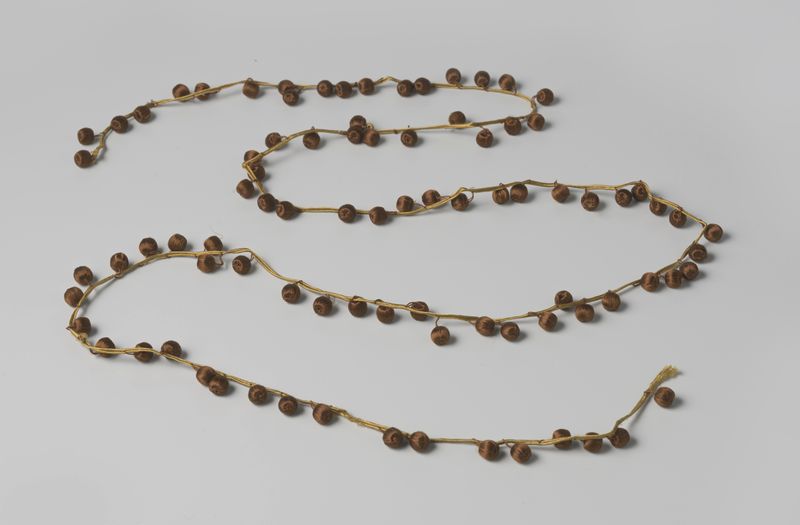
Galon, goudkleurig, waaraan pompons van bruin (zijde)draad hangen
Gustav Schnitzler
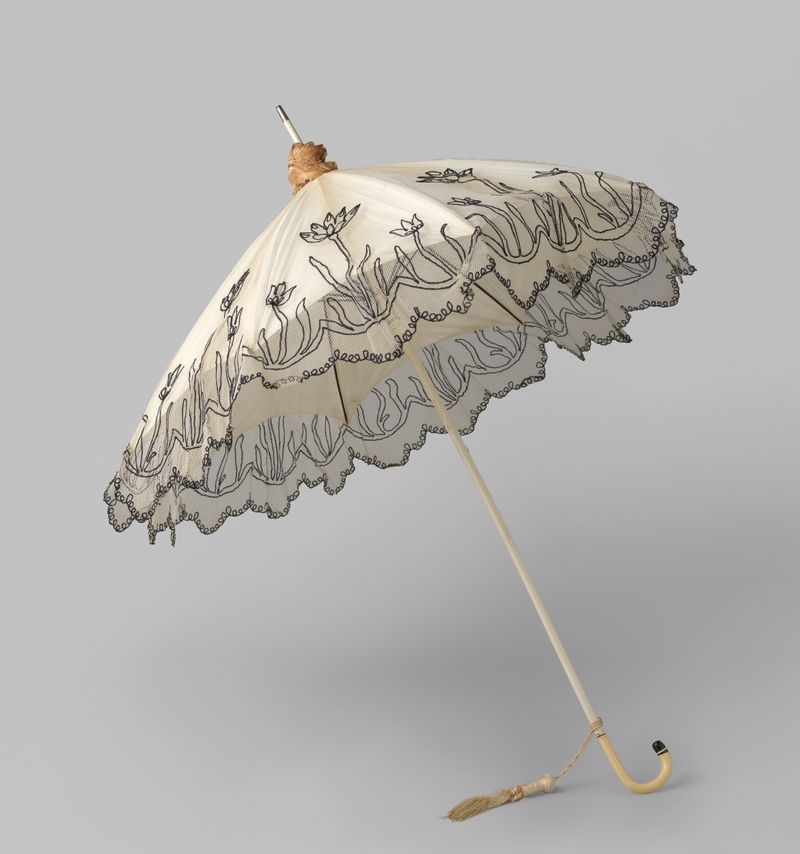
Parasol met dek van witte tule waarop zwart borduurwerk van telkens drie bloemen, op een witgeverfde houten stok, waaraan een gebogen ivoorkleurig handvat
Gustav Schnitzler

Parasol met dek van witte katoen, waartussen een strook van witte kant, op een lichte, houten stok met een ronde haak
Gustav Schnitzler

Strook franje, getand, wit en écru, gewikkeld rond een met gouden randen afgezet plankje
Gustav Schnitzler
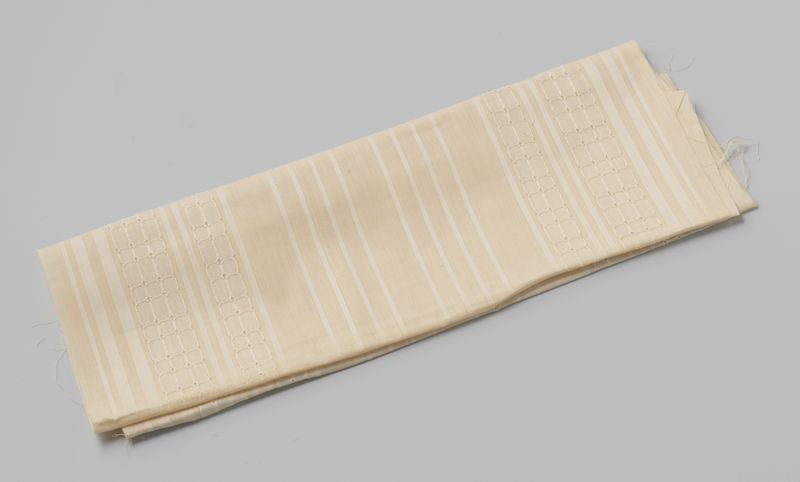
Coupon wit parasolkatoen met beige strepen aan weerszijden
Gustav Schnitzler
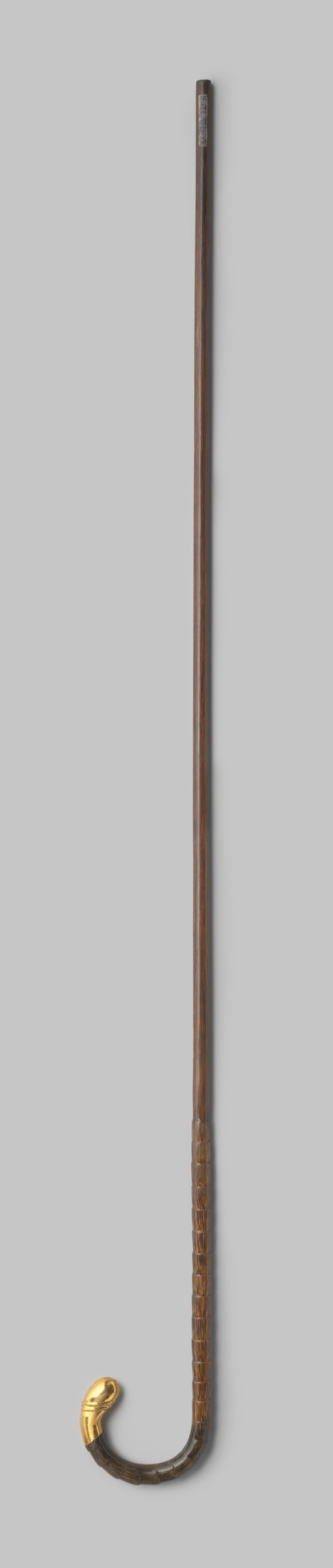
Onderstok van een parapluie of parasol van kokospalm met ronde haak en goudkleurig (verguld?) metalen uiteinde
Gustav Schnitzler

Parasol met dek van effen witte katoen met een smal meerkleurig draad langs de rand geregen, op lichte houten stok, met gebogen, ivoorkleurig handvat
Gustav Schnitzler
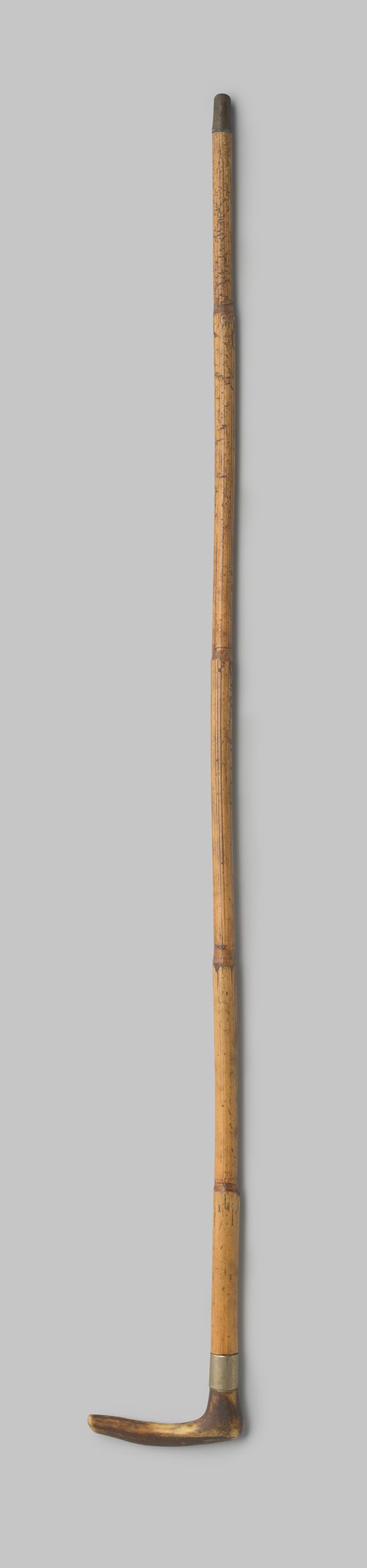
Onderstok van parasol of parapluie van bamboe met rechte haak van hertshoorn, met ring en punt van koper
Gustav Schnitzler
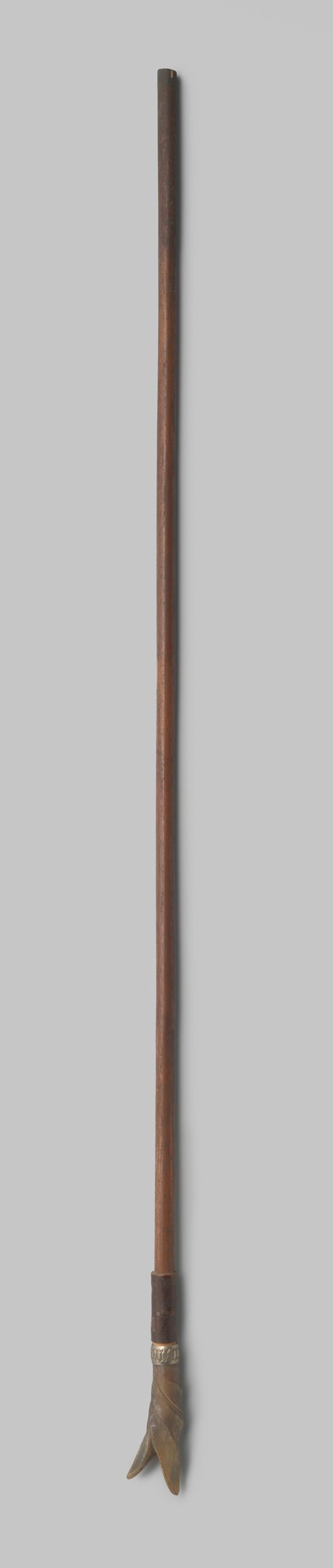
Onderstok van parasol of parapluie met knop van buffelhoorn, hout en zilverkleurige ring
Gustav Schnitzler