
Park Scene — History & Facts
The stillness of a moment captured, where nature and humanity intersect, inviting contemplation of innocence lost and found. Look to the right at the gentle curve of the pathway, where figures meander like whispers through the verdant expanse. Notice how the light filters through the boughs, casting dappled patterns on the ground, painting a mosaic of green and gold. The architecture in the background, crumbling yet dignified, suggests a dialogue between the natural and the manmade.
Each detail, from the delicate blossoms to the figures engaged in quiet leisure, underscores an idyllic harmony. Beneath the vibrant surface lies a poignant tension; the playful innocence of the figures holds a hint of nostalgia, a reflection on the fleeting nature of joy. The emptiness surrounding the characters speaks to solitude, as if the park itself is both a sanctuary and a reminder of life’s transience. There’s an interplay between light and shadow that emphasizes this contrast—joy illuminated, but always at the edge of dusk. In the 18th century, Hubert Robert painted Park Scene in France, during a time when Romanticism began to permeate the art world, challenging the strictures of Neoclassicism.
Amidst personal upheaval and societal change during the French Revolution, Robert's work reflected a yearning for the pastoral and an appreciation for nature's beauty, even as his contemporaries sought more dramatic themes. This piece is a testament to that era's complex relationship with innocence and memory.
More Artworks by Hubert Robert
Browse all →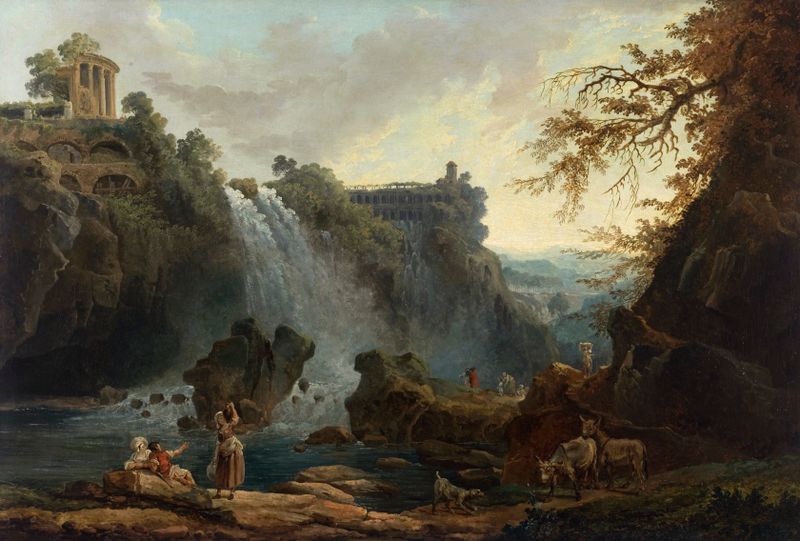
Les Cascatelles de Tivoli
Hubert Robert
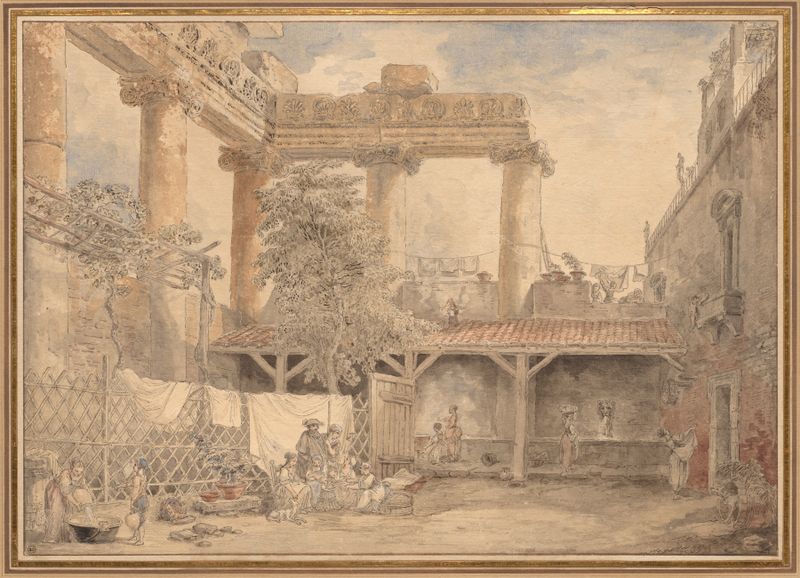
Roman Ruins, Villa Pamfili
Hubert Robert

The Rustic Bridge, Château de Méréville, France
Hubert Robert

The Portico of a Country Mansion
Hubert Robert

Architectural Capriccio
Hubert Robert

The Obelisk
Hubert Robert
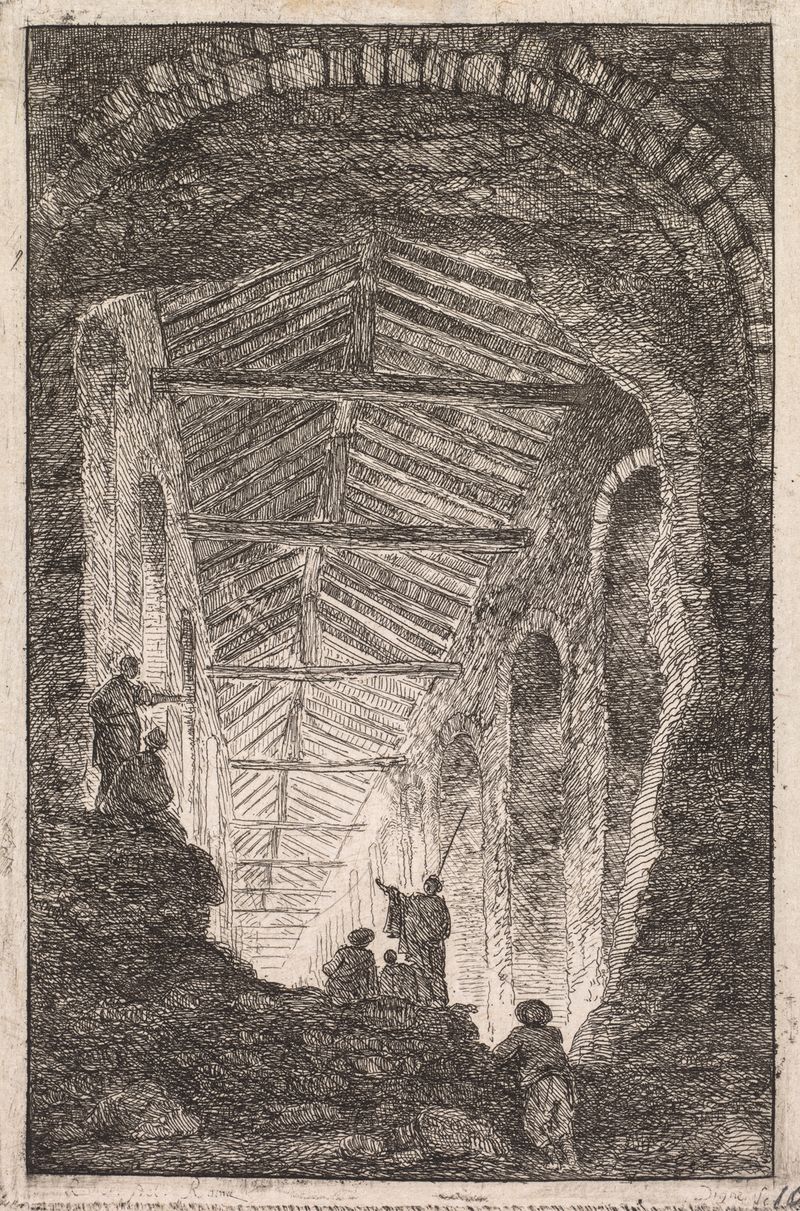
The Antique Gallery
Hubert Robert

L’incendie de l’Opéra, vu des jardins du Palais-Royal, le 8 juin 1781
Hubert Robert
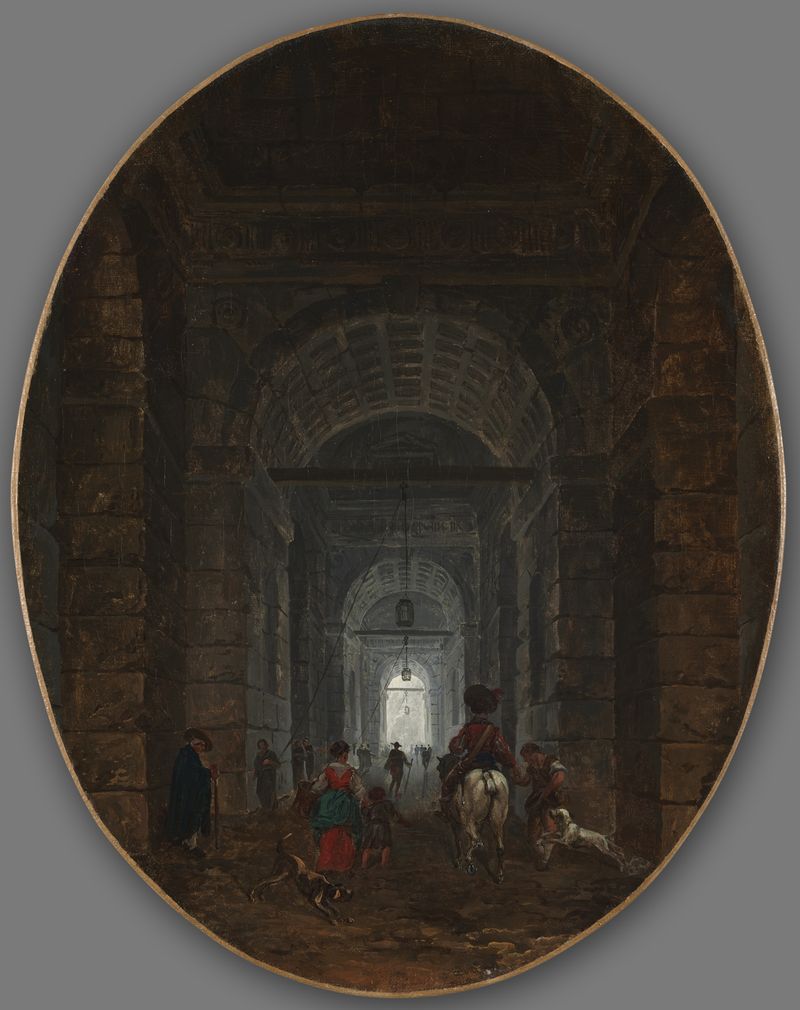
The Grotto of Posillipo
Hubert Robert

Architectural Capriccio with ruins of the Temple of Saturn and the Colosseum in the background
Hubert Robert





