
Part of the South Pole Barrier to 180 Feet Above Sea Level, 1000 Feet Thick and 450 Miles in Length — History & Facts
Who listens when art speaks of silence? In an age defined by rapid chaos, the dreamlike stillness of immensity beckons us to pause and reflect. Look to the horizon where icy blues merge seamlessly with ethereal whites, a vast expanse that evokes both awe and desolation. The painting's meticulous detailing of the ice barrier, thick and formidable, draws the eye across its undulating surface, inviting viewers to explore its depth and texture. Notice how the subtle gradients of color create a sense of atmosphere, as light dances along the icy crest and shadows weave through the crevices, suggesting both fragility and endurance within the frozen landscape. Yet, beneath this serene facade lies a profound commentary on isolation and the passage of time.
The sheer scale of the barrier—1000 feet thick and stretching 450 miles—embodies the weight of nature's silence, a reminder of humanity's fleeting existence against the backdrop of eternal ice. Small details, like the delicate fractures and glistening surface, speak to the tensions between beauty and danger, hinting at a deeper narrative of environmental change and the fragility of our planet. During the creation of this work, Charles Hamilton Smith was situated within the scientific curiosity of the 19th century, a time when exploration and natural history were intertwined in a quest for knowledge. Though the exact date remains uncertain, his observations of the South Pole reflect a broader engagement with the landscape that was both artistic and observational.
Here, the artist sought not only to document, but to dream, inviting viewers into a world that is at once captivating and hauntingly remote.
More Artworks by Charles Hamilton Smith
Browse all →
Situation of H.M.S. Hecla & Griper
Charles Hamilton Smith
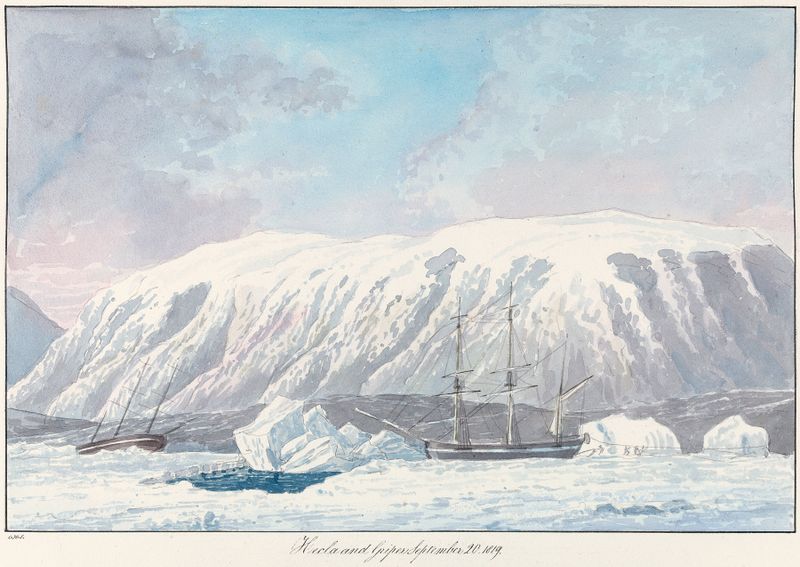
Hecla and Griper
Charles Hamilton Smith

Friendly Cove, Nootka Sound
Charles Hamilton Smith

Iceberg in Baffin’s Bay
Charles Hamilton Smith
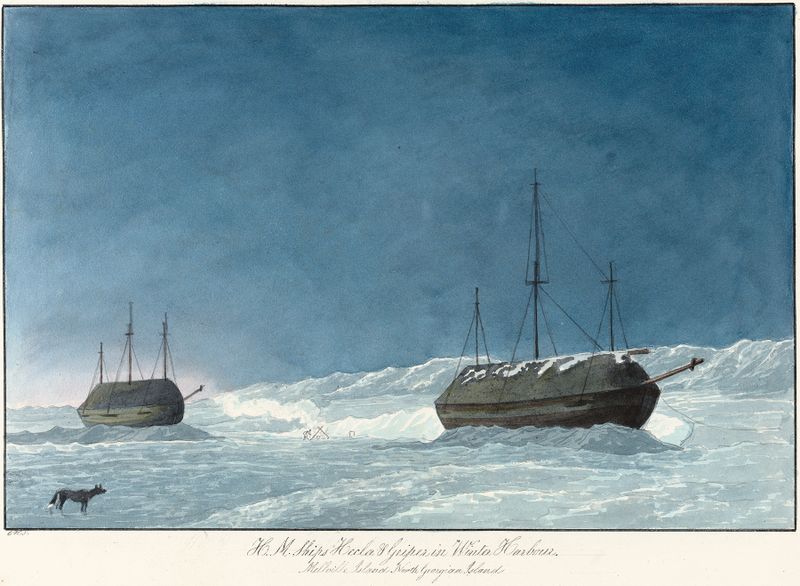
H. M. Ships Hecla and Griper in Winter Harbour
Charles Hamilton Smith

The Erebus & Terror in a Gale in the Pack of the Ice
Charles Hamilton Smith
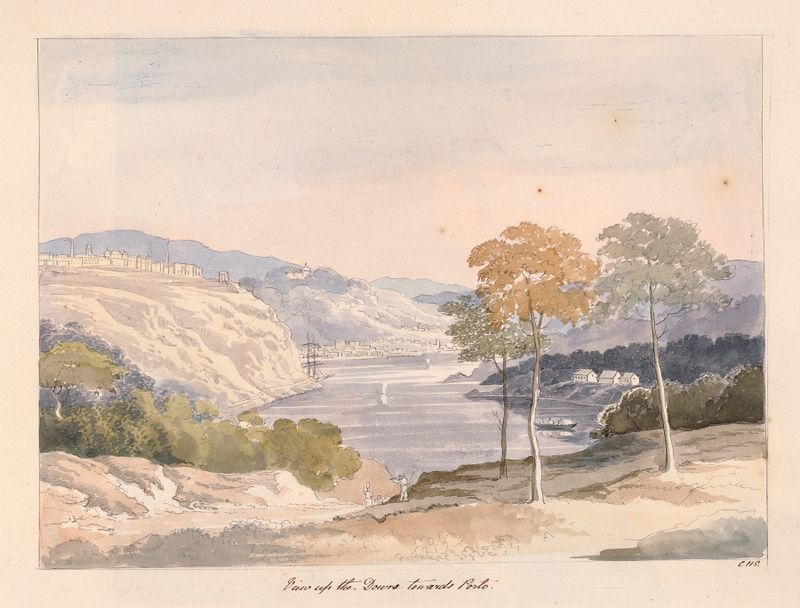
View of the Douro towards Porto
Charles Hamilton Smith
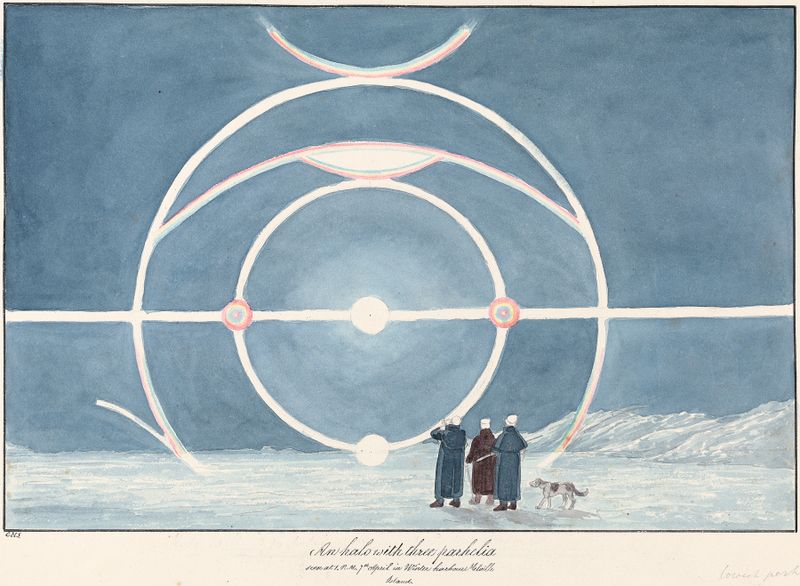
Halo with Three Parhelia, Winter Harbour Melville Island
Charles Hamilton Smith
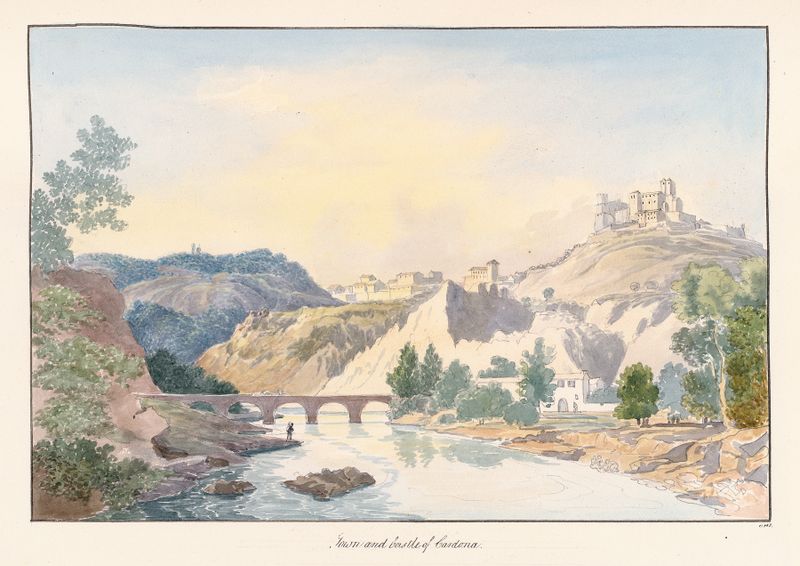
Town and Castle of Cardona
Charles Hamilton Smith
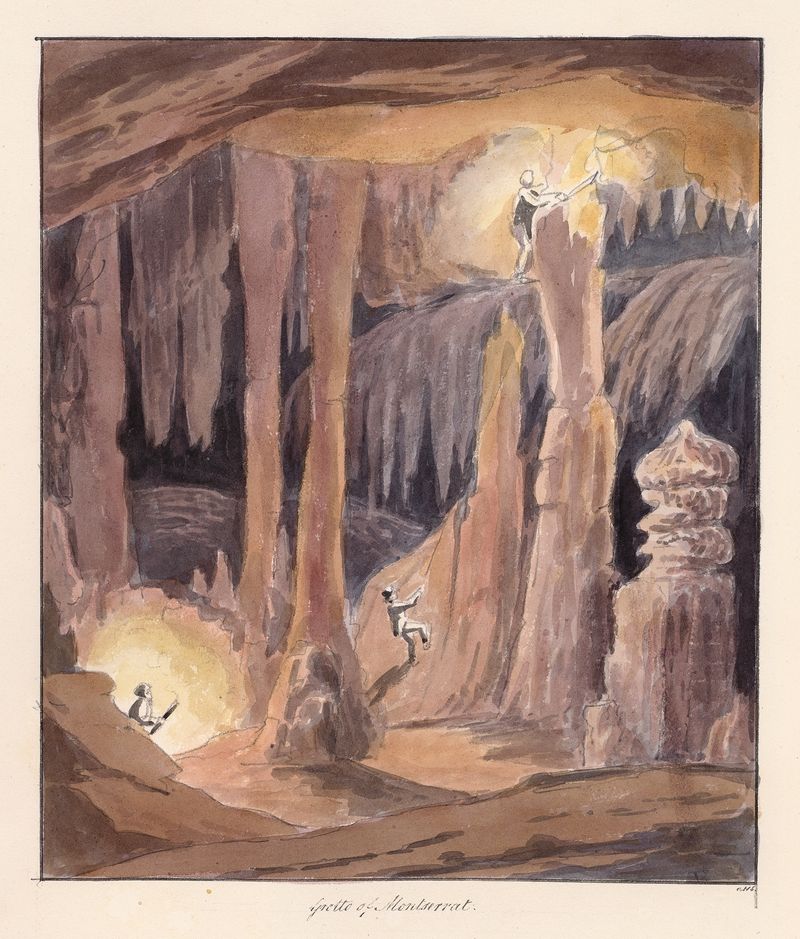
Grotto of Montserrat
Charles Hamilton Smith





