‘Partie bei Mürzsteg’ [A Scene in Mürzsteg] — History & Facts
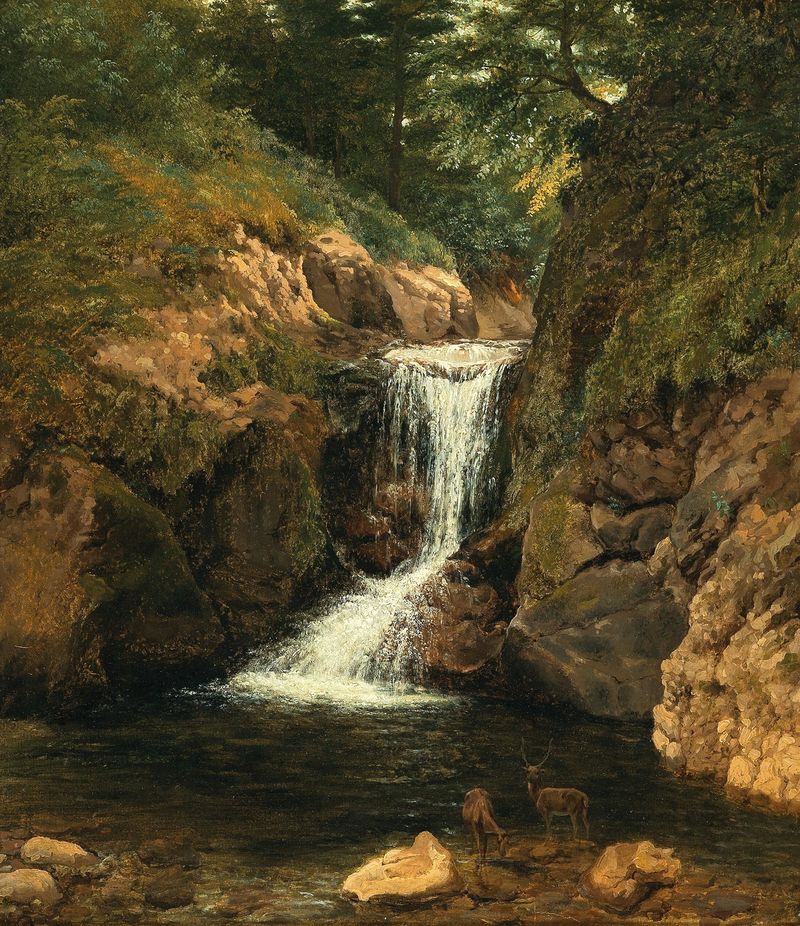
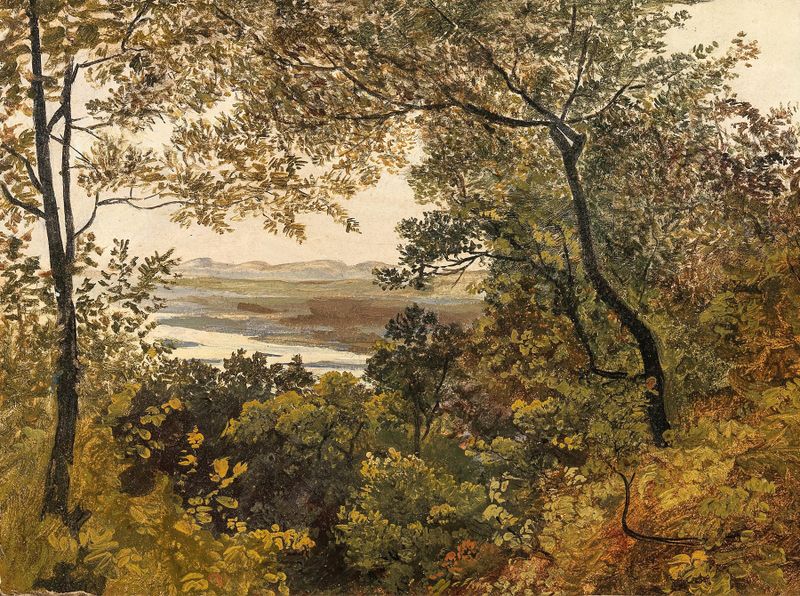
What if beauty was never meant to be finished? In the delicate interplay of light and shadow within this artwork, we find an endless conversation about faith, nature, and the human spirit. Look to the foreground, where a group of elegantly attired figures gathers amidst a lush, verdant landscape. The artist’s brush dances across the canvas, rendering the vibrant greens with a sense of life and movement. Notice how the dappled sunlight filters through the trees, illuminating not just the scene but evoking a sense of tranquility.
Each individual’s gesture—an outstretched hand, a shared laugh—invites the viewer to step into their world, suggesting a moment of connection that transcends time. Yet, beneath this serene surface lies a complex emotional tapestry. The figures’ expressions, ranging from joy to contemplation, hint at deeper narratives—conversations not fully realized and thoughts left unspoken. The contrast between the bright colors of their clothing and the earthy tones of the natural surroundings reflects the tension between humanity and the wild, unseen forces of the universe.
The very act of gathering amidst nature signifies a quest for belonging, a silent faith in the beauty that surrounds them, even when it feels unfinished. Created by a circle surrounding Gauermann, this canvas reflects a period where Romanticism flourished, likely painted in the early 19th century. The artist inhabited a world captivated by the sublime beauty of landscapes, exploring the interplay of human emotion and the vastness of nature. In this environment, the work stands as a testament to the era’s unyielding belief in the power of faith—both in nature and in one another.