
Partie bei Neunkirchen — History & Facts
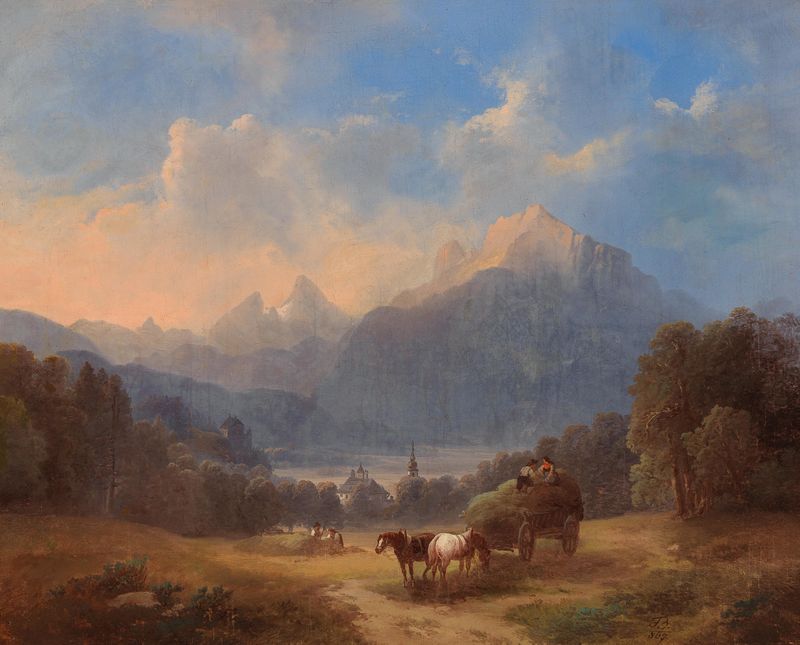
Where does light end, and longing begin? In the delicate interplay of illumination, Partie bei Neunkirchen unveils a profound meditation on mortality, inviting viewers to reflect on the ephemeral nature of existence. Look to the left at the soft glow of sunlight cascading through the trees, illuminating the scene with an ethereal warmth. The gentle strokes of the brush create a lush tapestry of greens, while the deeper shadows suggest the encroaching dusk. Focus on the figures clustered together, their postures ranging from relaxed to attentive, as though caught in a moment of shared contemplation.
The subtle variations in color intensify the emotional texture, revealing both joy and an underlying sense of nostalgia. The contrast between light and shadow serves as a poignant metaphor for the transient moments of life. Notice the way the vibrant hues of the foliage stand in stark juxtaposition to the figures’ muted clothing, suggesting the vibrancy of youth lost to the passage of time. Each detail—whether it be the delicate expressions on the faces or the gentle sway of the grass—holds a whisper of longing, encapsulating the bittersweet essence of memories that persist even as time slips away. Franz Barbarini painted Partie bei Neunkirchen between 1840 and 1850, during a period marked by personal and artistic transformation.
Living in the heart of Europe, he was influenced by the Romantic movement, which sought to embrace emotion and nature. Amidst societal changes and the shadows of political unrest, Barbarini’s works reflect an introspective exploration of existence, capturing fleeting moments in nature that evoke deep reflections on life and mortality.
More Artworks by Franz Barbarini
Browse all →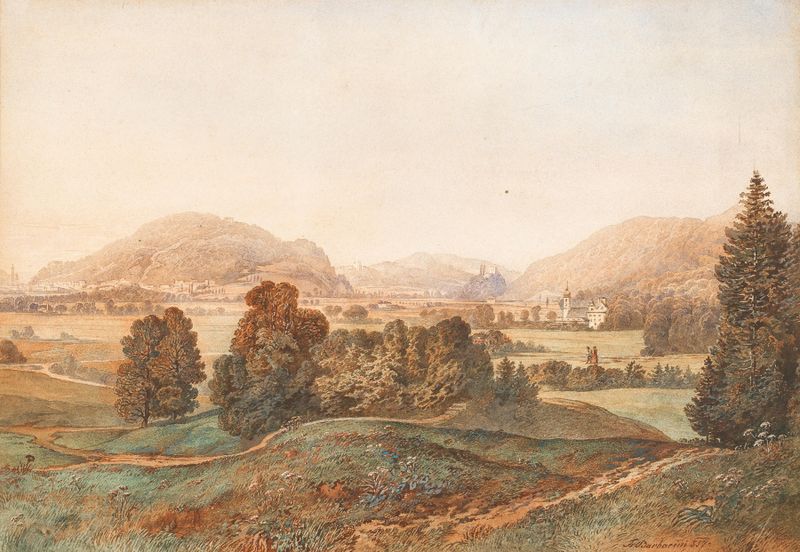
A landscape with church and Aigen castle seen from south east
Franz Barbarini
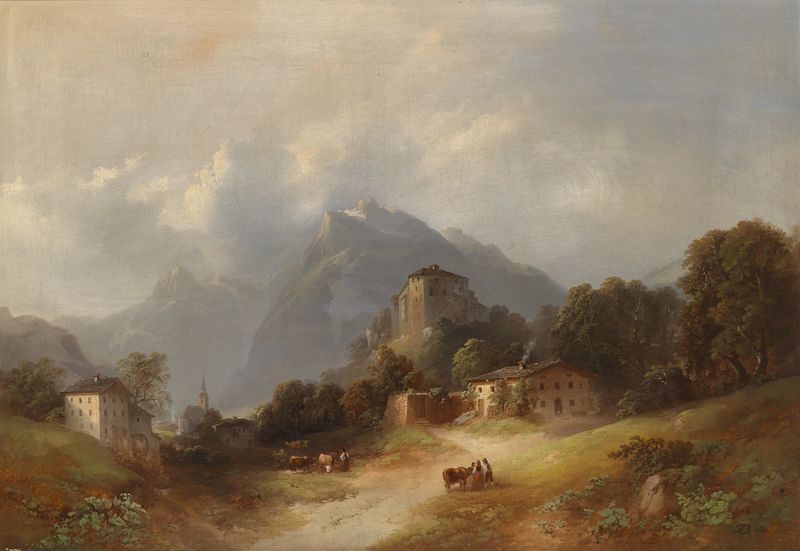
Landschaft
Franz Barbarini
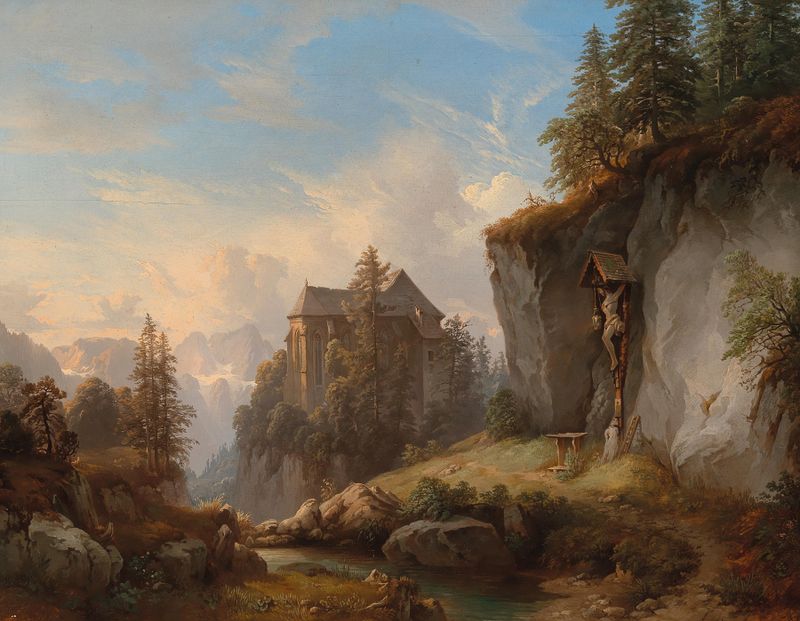
A Mountain Landscape with a Chapel and Wayside Shrine
Franz Barbarini

Blick Auf St. Wolfgang Am Wolfgangsee
Franz Barbarini

Blick über Prag von Petrin aus
Franz Barbarini

Gebhardskapelle bei Bregenz
Franz Barbarini

Motiv aus Südtirol
Franz Barbarini
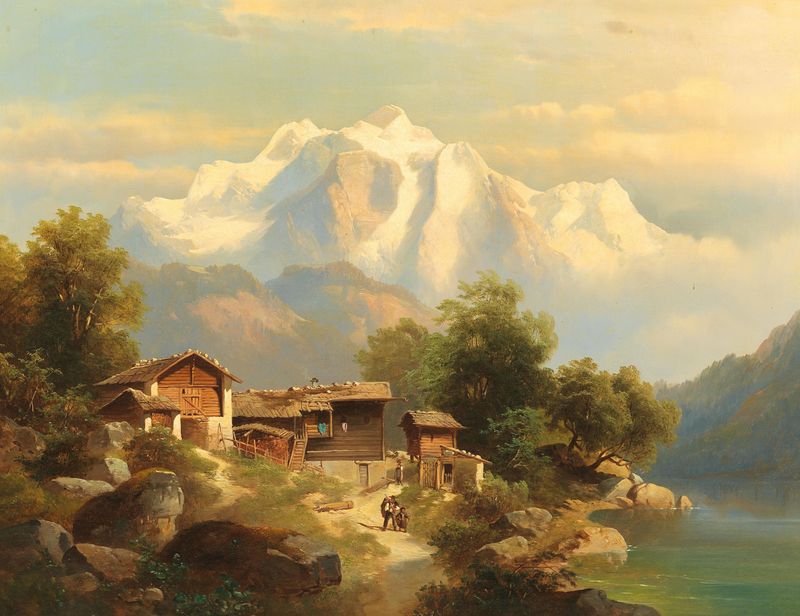
Scene In Switzerland
Franz Barbarini
Scene Of The Salzkammergut
Franz Barbarini

Gebirgsstraße in Tirol
Franz Barbarini





