
Gebhardskapelle bei Bregenz — History & Facts
Can beauty exist without sorrow? In the quiet folds of Gebhardskapelle bei Bregenz, desire weaves through the canvas, hinting at a deeper yearning that echoes in the heart of the viewer. Start by drawing your gaze to the delicate chapel nestled against the backdrop of distant mountains. Notice the sun’s gentle descent, draping the scene in golden hues that soften the starkness of the structure’s architecture. The artist employs a harmonious palette of earth tones, allowing the chapel’s white façade to stand out against the lush greens and blues of the surrounding landscape, creating a serene yet yearning atmosphere. As you explore further, consider the juxtaposition of the tranquil setting with the chapel’s imposing presence.
Each brushstroke reveals a tension between the beauty of nature and the solemnity of human endeavor, inviting contemplation of faith and longing. The soft shadows and luminous highlights evoke the passage of time, suggesting that while the scene is peaceful, it is underlined by an unfulfilled desire for transcendence. Franz Barbarini created this work in 1838, during a period marked by a burgeoning interest in Romanticism in Europe. Living in Austria, he was deeply influenced by the natural beauty surrounding him, simultaneously reflecting the cultural shifts of his time.
The painting captures not only the physical landscape but also the emotional landscape of longing, which pervaded the artistic spirit of the era.
More Artworks by Franz Barbarini
Browse all →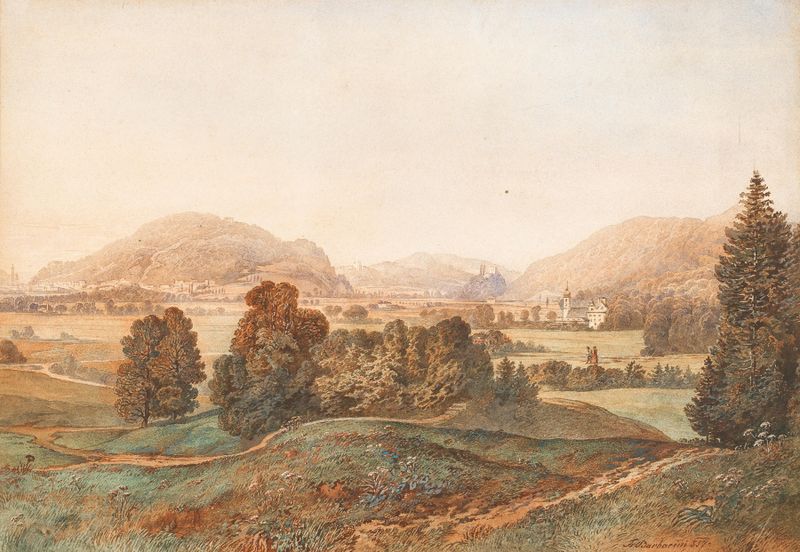
A landscape with church and Aigen castle seen from south east
Franz Barbarini
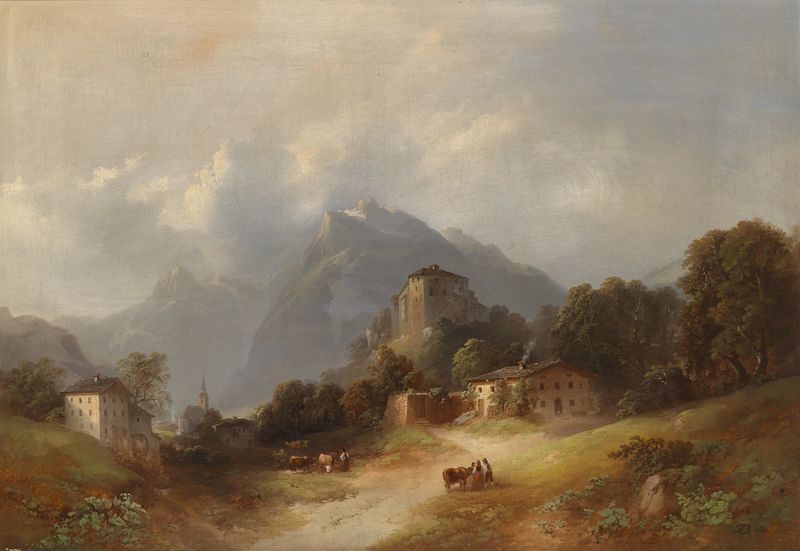
Landschaft
Franz Barbarini
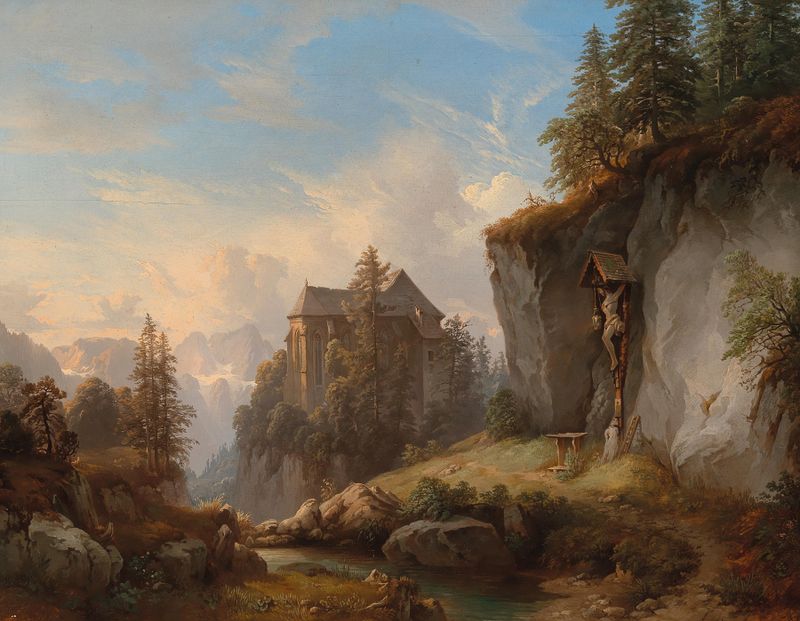
A Mountain Landscape with a Chapel and Wayside Shrine
Franz Barbarini

Blick Auf St. Wolfgang Am Wolfgangsee
Franz Barbarini

Blick über Prag von Petrin aus
Franz Barbarini

Motiv aus Südtirol
Franz Barbarini
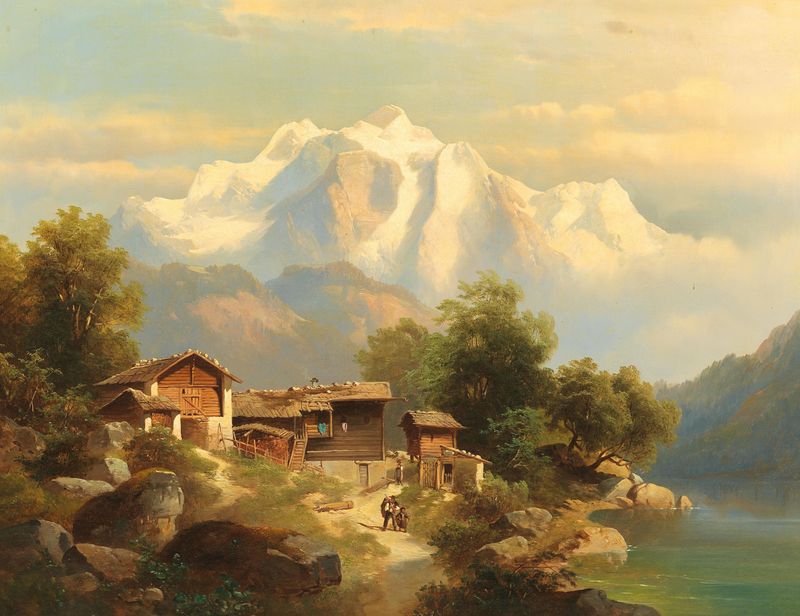
Scene In Switzerland
Franz Barbarini
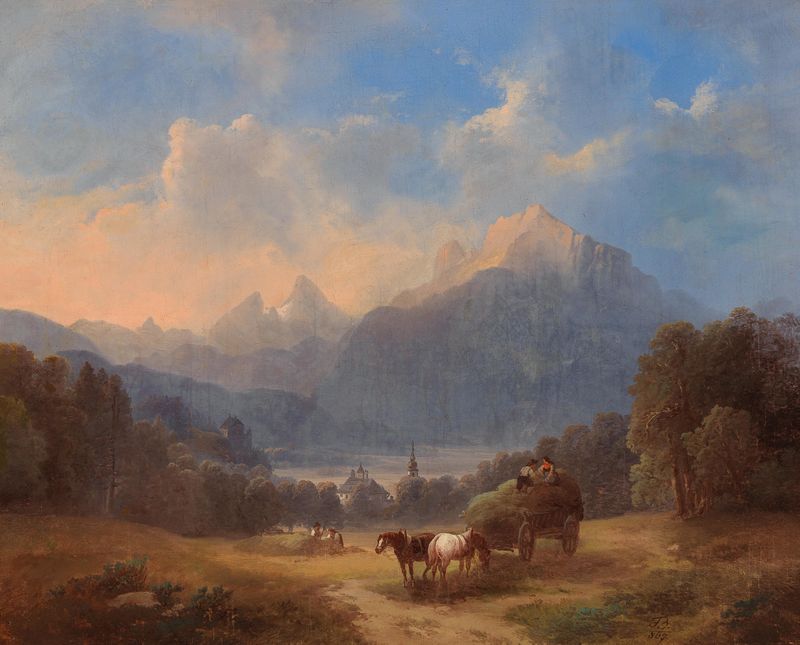
Scene Of The Salzkammergut
Franz Barbarini

Gebirgsstraße in Tirol
Franz Barbarini
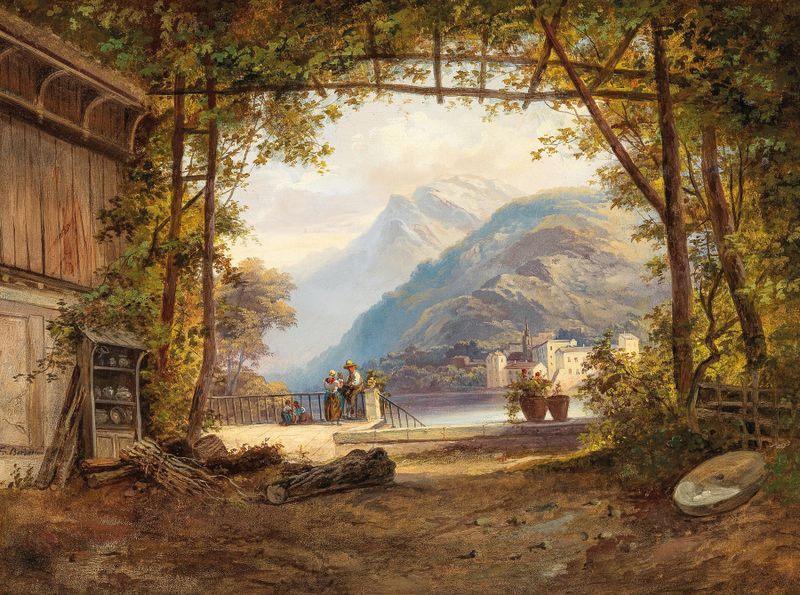
An einem oberitalienischen See
Franz Barbarini





