
Pass of the Ebro — History & Facts
Can paint confess what words never could? The silent landscapes often reveal the deepest truths of our existence, pulling us into their essence without uttering a single phrase. Look to the horizon, where the Ebro River unfurls like a shimmering ribbon across the canvas. The gentle undulation of the landscape invites your gaze to traverse the verdant hills that cradle the waterway. Notice how the light dances upon the river's surface, creating a kaleidoscope of reflections that merge sky and earth.
The color palette is rich yet understated, dominated by lush greens and soft blues, evoking a serene yet compelling atmosphere. In this artwork, the juxtaposition of tranquility and the river's ceaseless flow embodies the passage of time and the constant change in nature. The distant mountains, shrouded in mist, hint at the unknown, while the winding river symbolizes life's journey—always moving, always evolving. The serene beauty belies the turbulent histories that have unfolded along its banks, inviting contemplation of both personal and collective narratives. Charles Hamilton Smith painted this piece in the early 19th century, a time when Romanticism was flourishing, and artists sought to capture the sublime in nature.
Working in England, he drew inspiration from his travels across Europe, including Spain, where he would have encountered the Ebro. This period in his life was marked by a deepening fascination with the natural world, reflecting broader artistic movements that were beginning to emphasize emotional experience over rigid representation.
More Artworks by Charles Hamilton Smith
Browse all →
Situation of H.M.S. Hecla & Griper
Charles Hamilton Smith
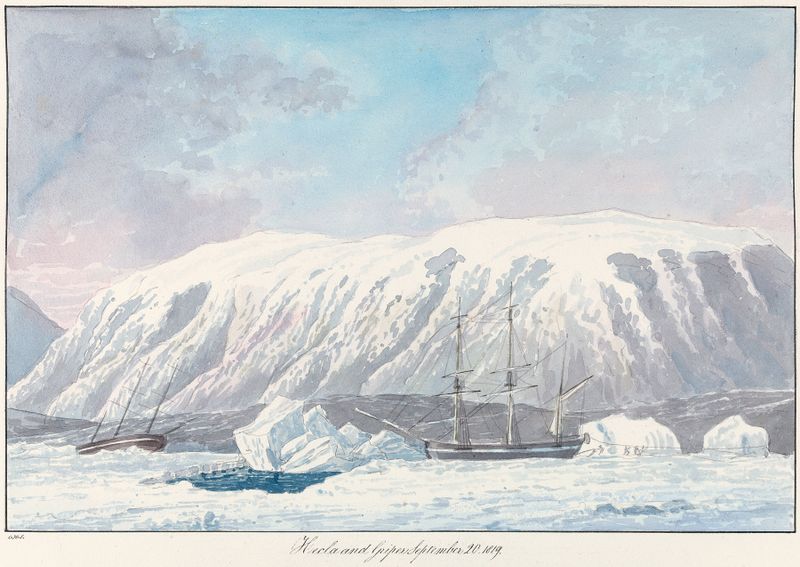
Hecla and Griper
Charles Hamilton Smith

Friendly Cove, Nootka Sound
Charles Hamilton Smith

Iceberg in Baffin’s Bay
Charles Hamilton Smith
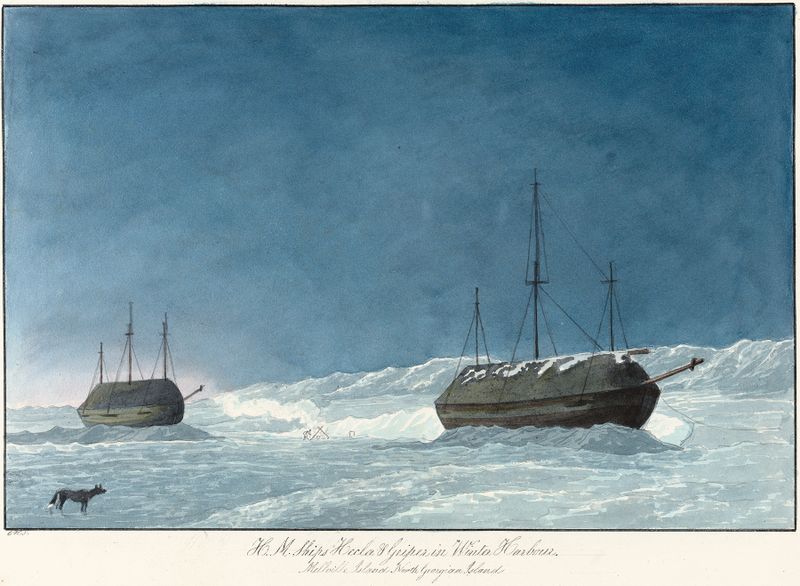
H. M. Ships Hecla and Griper in Winter Harbour
Charles Hamilton Smith

The Erebus & Terror in a Gale in the Pack of the Ice
Charles Hamilton Smith
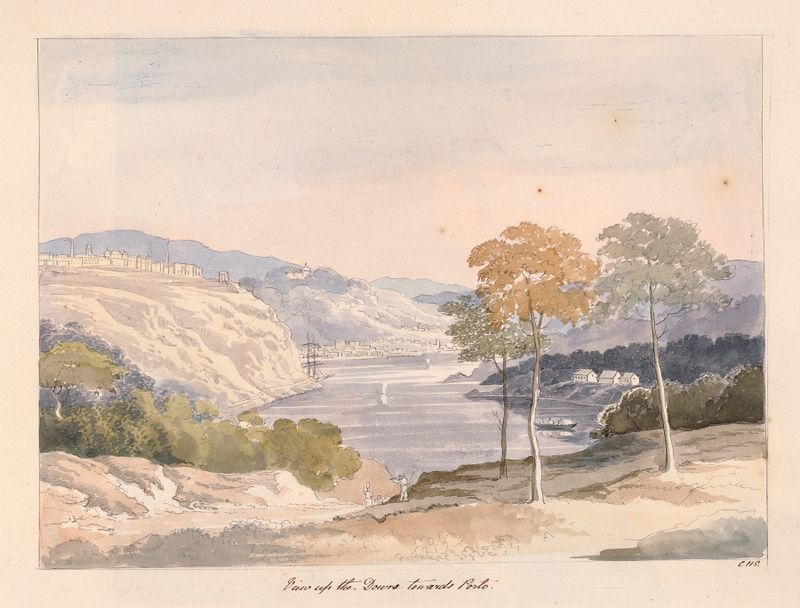
View of the Douro towards Porto
Charles Hamilton Smith
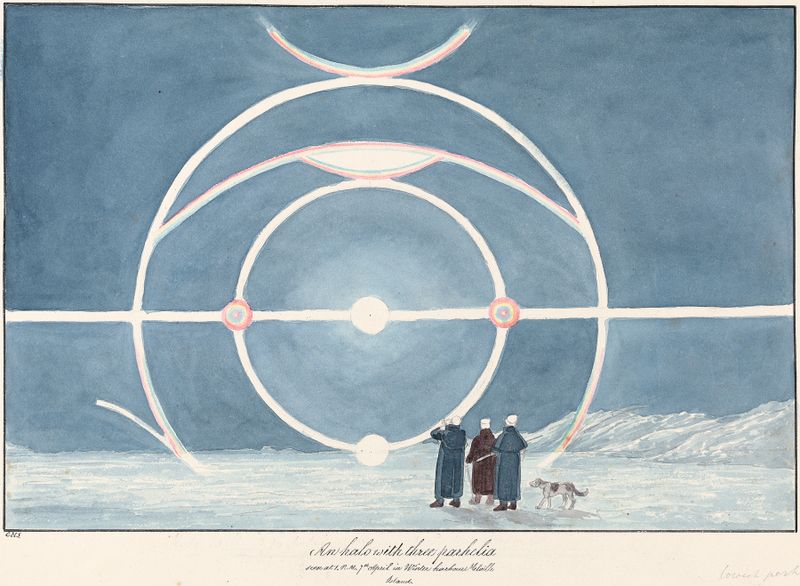
Halo with Three Parhelia, Winter Harbour Melville Island
Charles Hamilton Smith
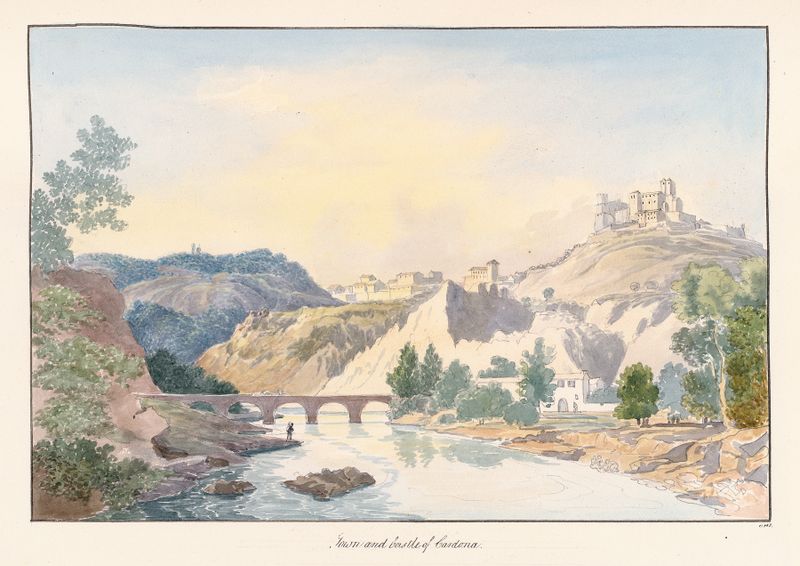
Town and Castle of Cardona
Charles Hamilton Smith
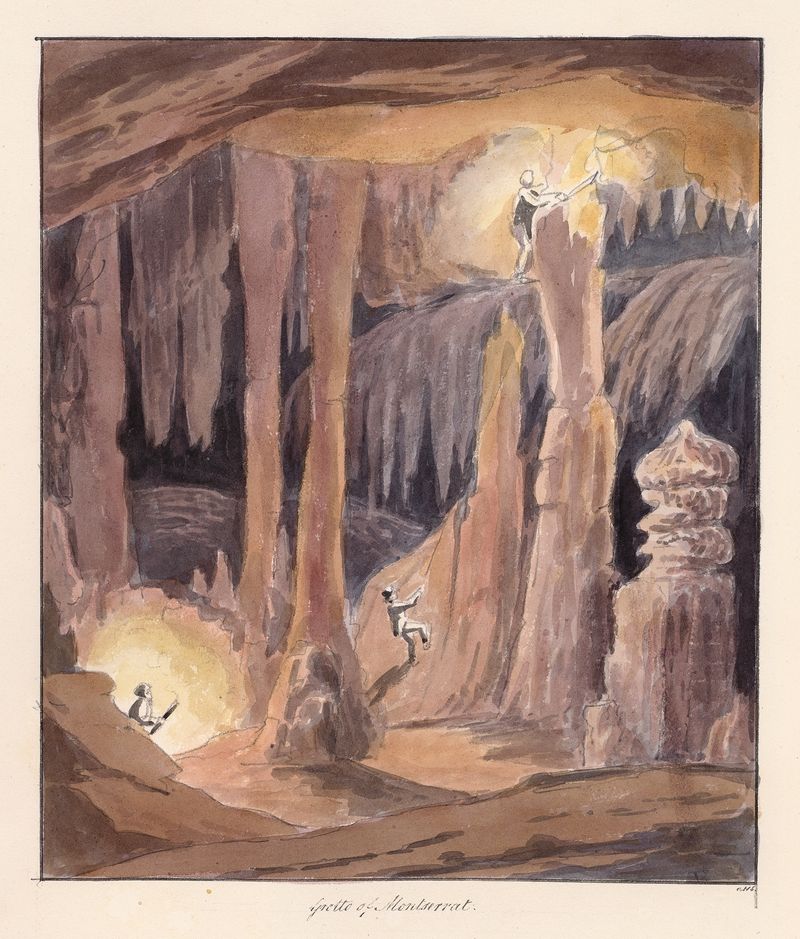
Grotto of Montserrat
Charles Hamilton Smith





