
Passage de la marmite. — History & Facts
Could a single brushstroke hold eternity? In the tranquil embrace of Passage de la marmite, the delicate interplay of shadows and light beckons the viewer to contemplate the essence of creation itself. Focus on the gentle curve of the stream that slices through the canvas, reflecting a palette of earthy greens and soft blues. Notice how the light dances upon the water’s surface, casting glimmers that invite your gaze deeper into the lush surroundings. The meticulous detailing of foliage on either side draws the eye inward, creating a visual tunnel that guides you through this moment suspended in time.
The artist’s technical prowess is evident in the textured strokes that evoke a sense of movement and life, as if the scene breathes under a sunlit sky. Beneath the surface, the painting encapsulates contrasts between tranquility and the inevitability of change. The serenity of the flowing water speaks to the passage of time, while the vibrant greenery hints at the cycle of growth and decay. Each element harmonizes, revealing an emotional tension between permanence and transience, suggesting that every moment, no matter how fleeting, is worthy of reflection and remembrance. Maxime Lalanne created this work in 1876 during a period marked by a growing interest in naturalism and realism in art.
Working primarily in France, he sought to capture the beauty of everyday scenes while exploring the nuances of light and color. This painting reflects his keen observation of nature and the artist's desire to convey the profound interconnectedness of life, a theme resonant in the artistic discourse of his time.
More Artworks by Maxime Lalanne
Browse all →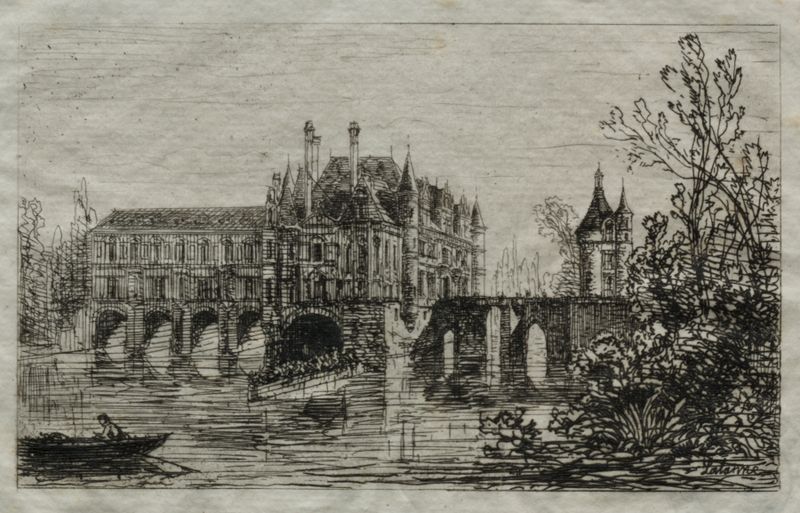
Château de Chenonceau
Maxime Lalanne
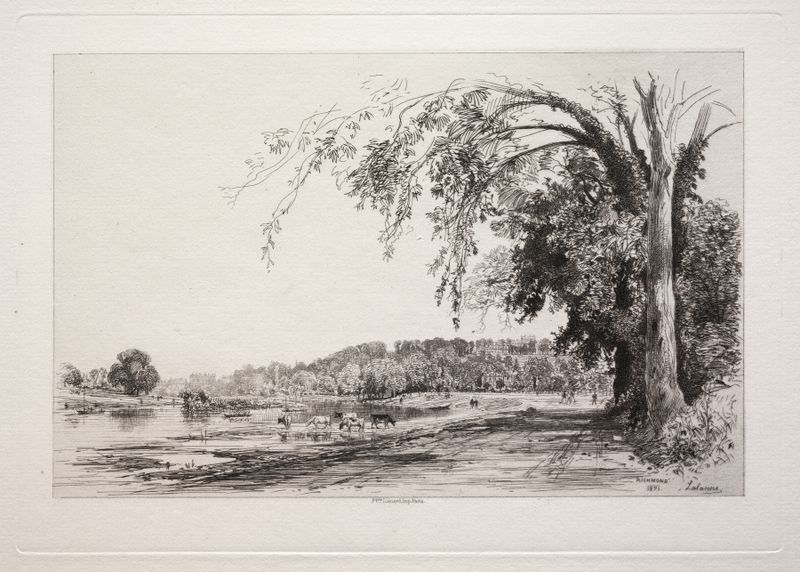
Richmond
Maxime Lalanne
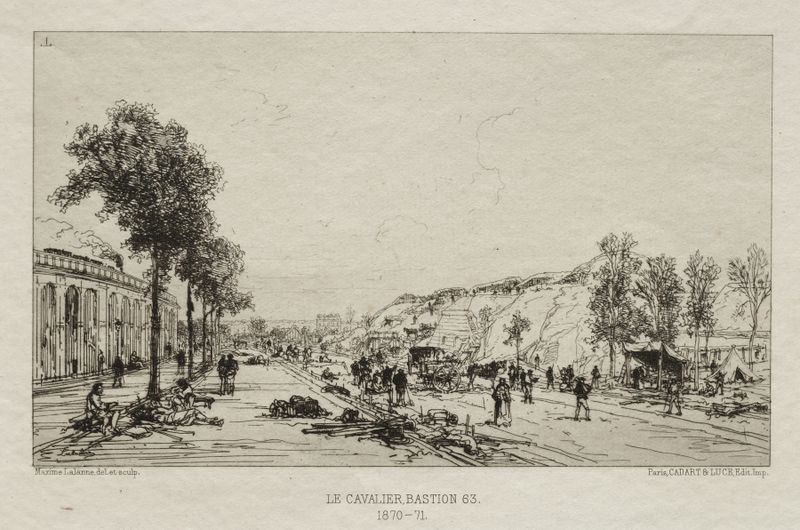
Souvenirs artistiques du Siège de Paris; Le Cavalie (Bastion 63)
Maxime Lalanne
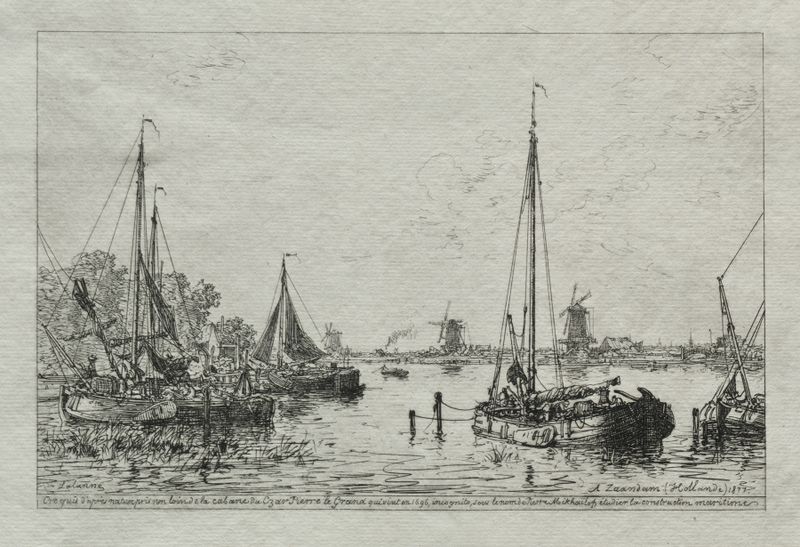
Sketch from Nature
Maxime Lalanne
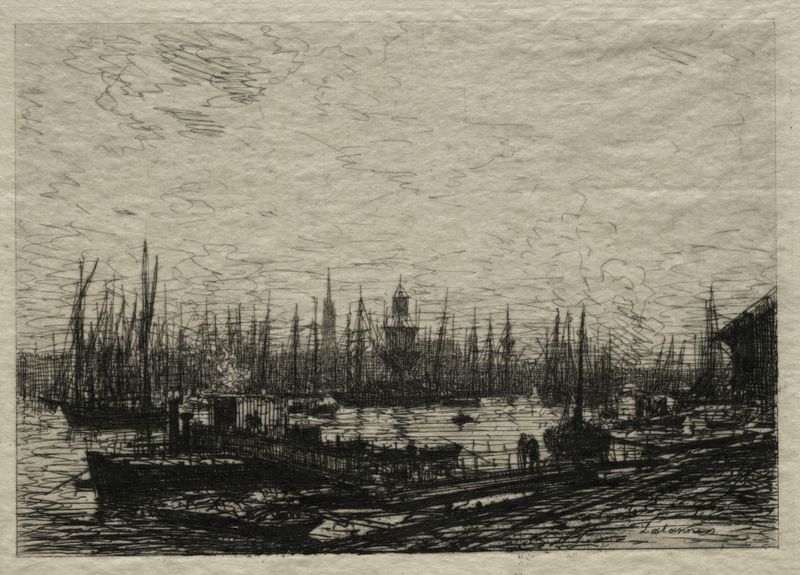
In the Bordeaux Harbor
Maxime Lalanne
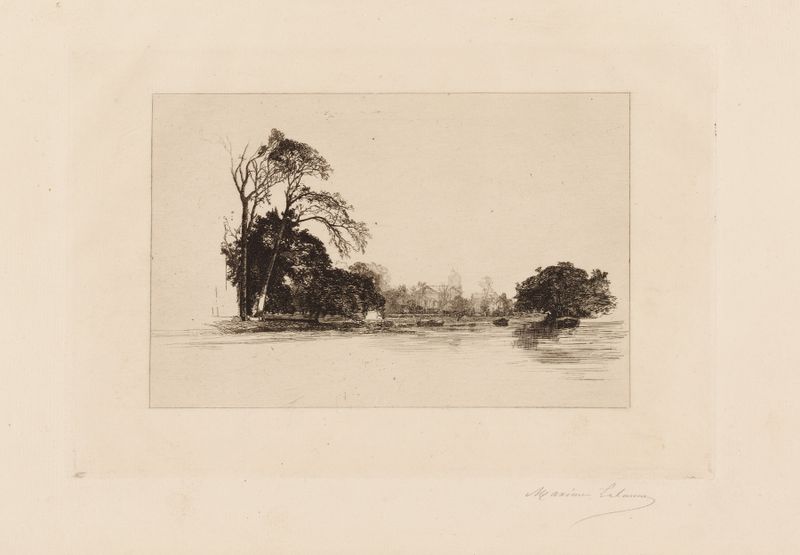
Bank of the Thames
Maxime Lalanne
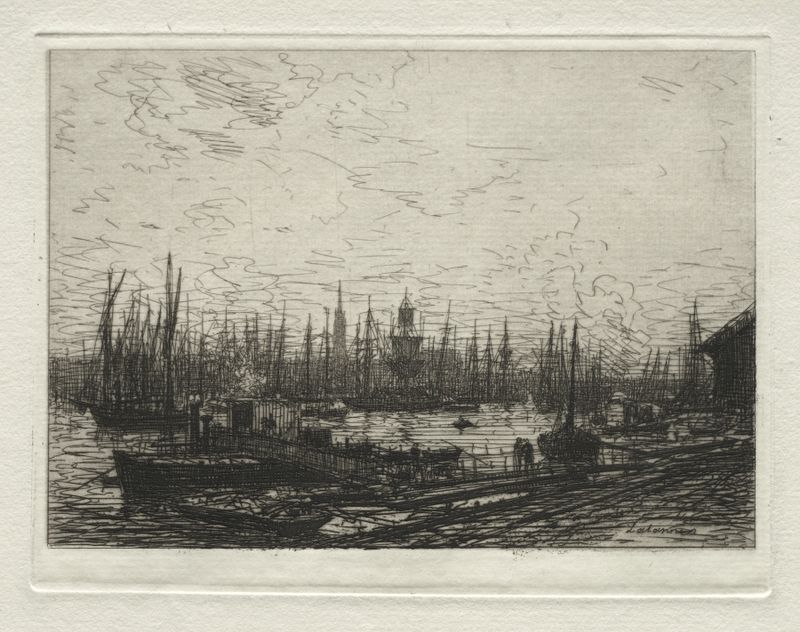
Port of Bordeaux
Maxime Lalanne
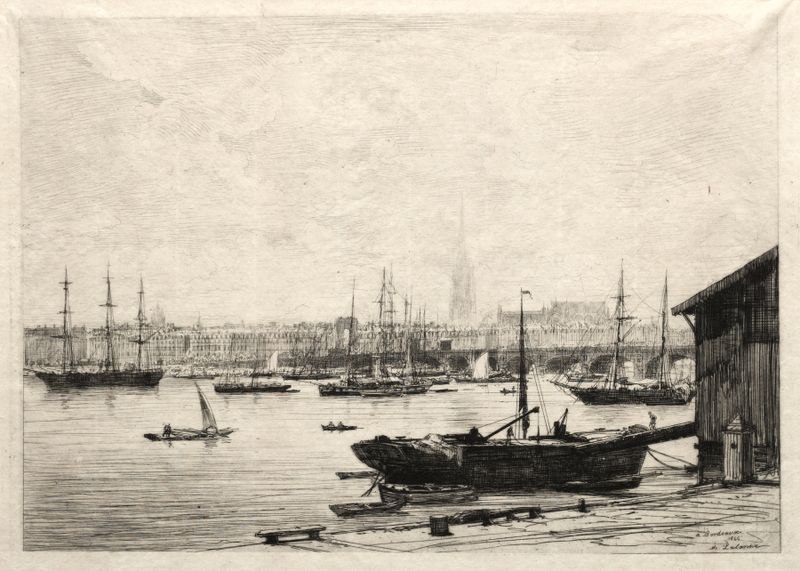
Bordeaux
Maxime Lalanne
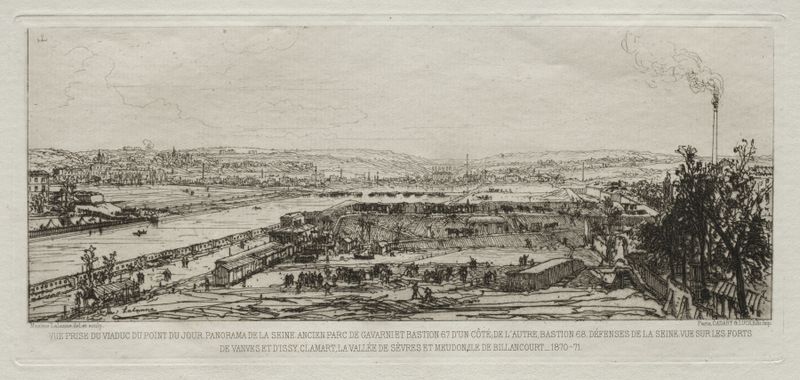
View from the Viaduct at the Pont-du-Jour, Panorama de la Seine
Maxime Lalanne
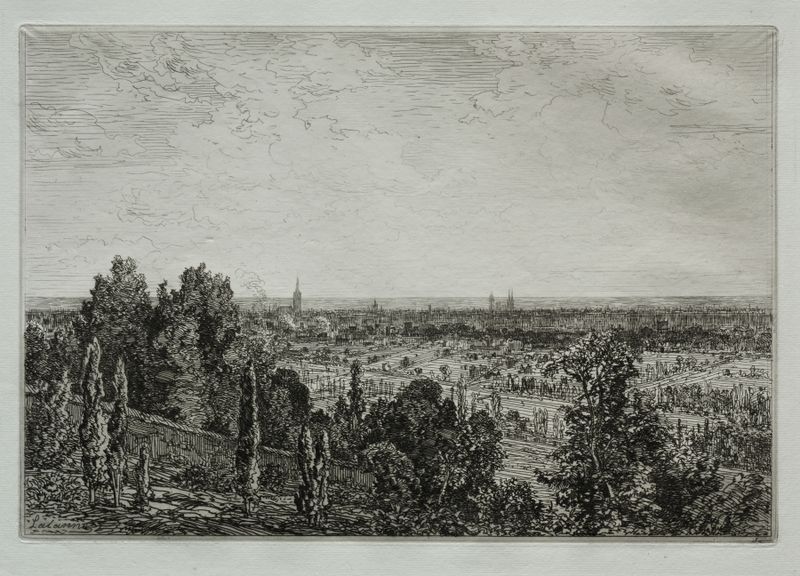
Bordeaux, View from the Coast of Cénon
Maxime Lalanne





