
Passage of the Tagus at Villa Velha — History & Facts
Could beauty survive in a century of chaos? This question lingers like a whisper in the air, as we gaze upon the serene landscape captured by a master’s hand. Look to the left, where the gentle curve of the Tagus River winds its way through the soft, undulating hills. Notice the play of light on the water’s surface, a shimmering mirror reflecting the azure sky above. The warm earth tones of the landscape contrast beautifully with the cool blues of the river, creating a harmonious balance that draws the eye deeper into the scene.
Each brushstroke seems deliberate, revealing the artist’s careful attention to the subtleties of nature. In the foreground, a solitary figure stands by the riverbank, encapsulating the duality of solitude and connection with the natural world. This figure, small yet significant, hints at a relationship with both the landscape and the passage of time. The distant hills, bathed in a golden haze, evoke a sense of nostalgia, suggesting that while the world may shift and change, certain vistas endure, representing a legacy of tranquility amidst the chaos of human existence. The work was created during a period of profound change in the art world, specifically in the early 19th century when Charles Hamilton Smith was establishing himself as a landscape artist in England.
He painted during the transition from Romanticism to the more structured styles of the later Victorian era, a time when artists were seeking to capture not just beauty, but also the raw essence of nature and its interplay with humanity. This piece serves as a quiet testament to the enduring power of the natural world, even as society faced the turbulence of industrialization and upheaval.
More Artworks by Charles Hamilton Smith
Browse all →
Situation of H.M.S. Hecla & Griper
Charles Hamilton Smith
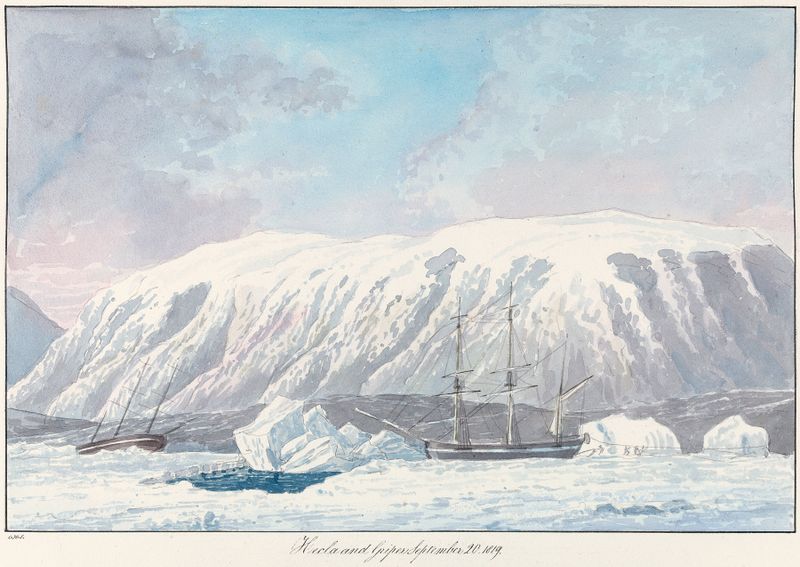
Hecla and Griper
Charles Hamilton Smith

Friendly Cove, Nootka Sound
Charles Hamilton Smith

Iceberg in Baffin’s Bay
Charles Hamilton Smith
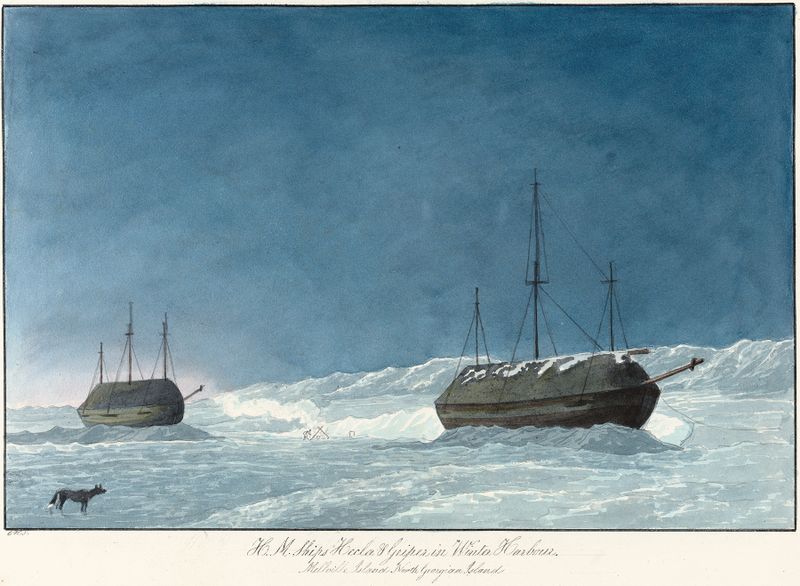
H. M. Ships Hecla and Griper in Winter Harbour
Charles Hamilton Smith

The Erebus & Terror in a Gale in the Pack of the Ice
Charles Hamilton Smith
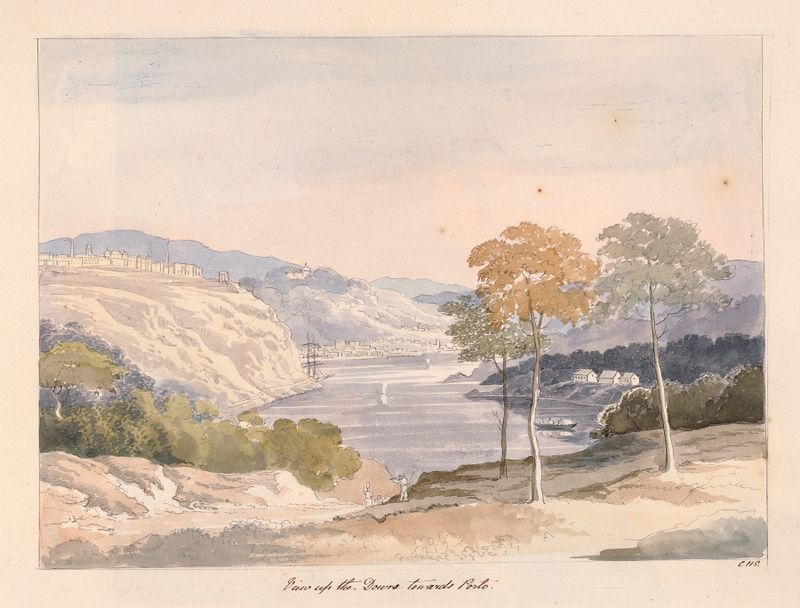
View of the Douro towards Porto
Charles Hamilton Smith
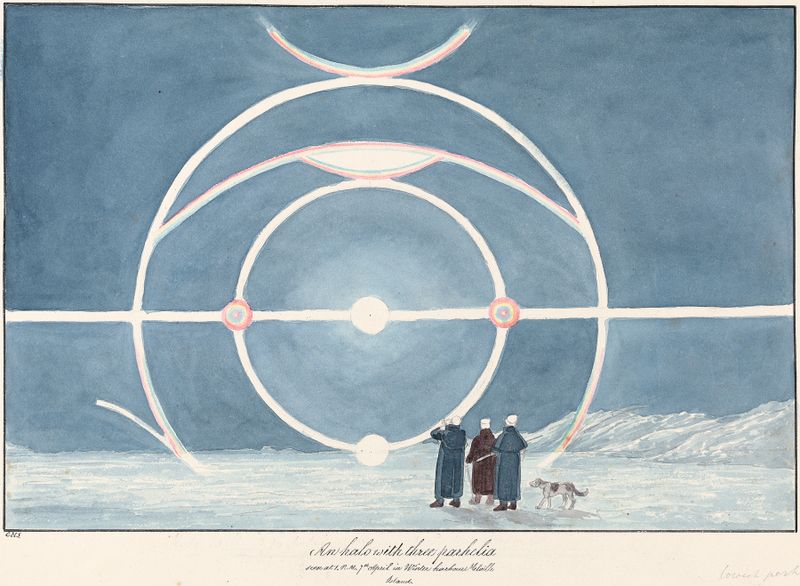
Halo with Three Parhelia, Winter Harbour Melville Island
Charles Hamilton Smith
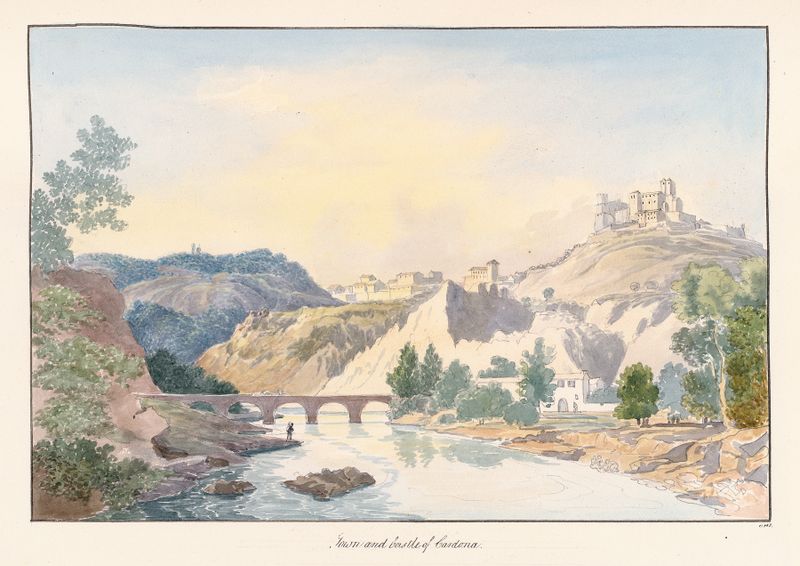
Town and Castle of Cardona
Charles Hamilton Smith
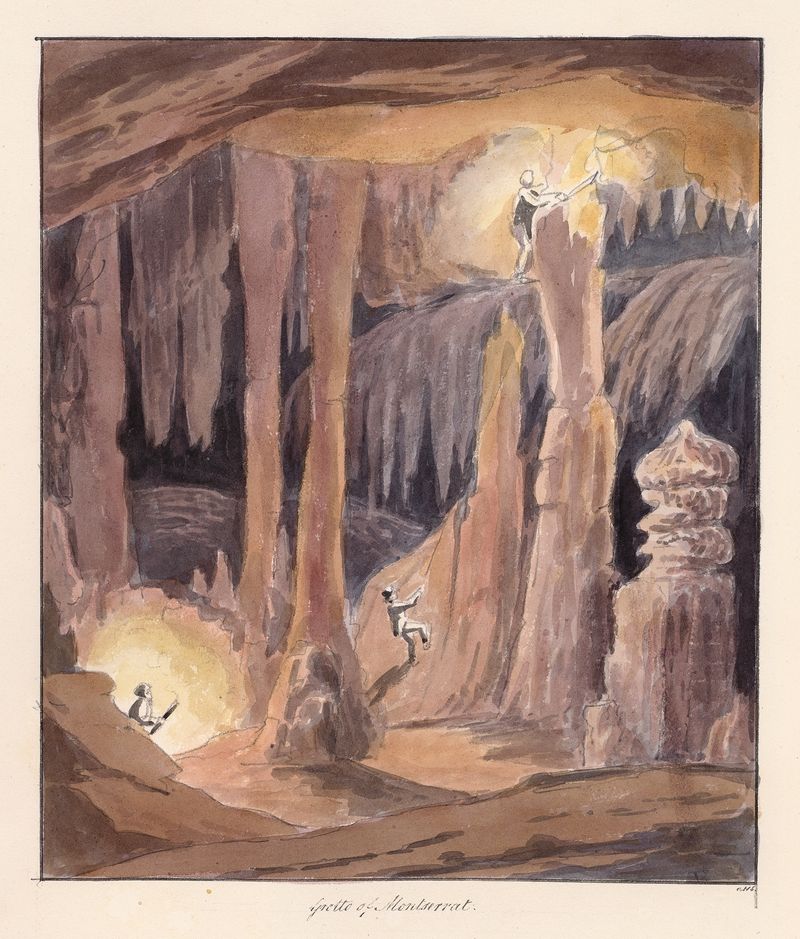
Grotto of Montserrat
Charles Hamilton Smith





