
Pavillon De Chaumont (Saône et Loire) — History & Facts
In the stillness of creation, a canvas breathes, whispering secrets held within the heart of silence. Focus on the serene pavilion nestled among lush greenery, a testament to architecture in harmony with nature. Notice how the delicate interplay of light and shadow caresses the walls, emphasizing the intricate details of the structure. The artist employs a muted palette, dominated by soft greens and earthy tones, creating a tranquil atmosphere that invites contemplation.
The subtle brushstrokes evoke a sense of gentleness, capturing the quietude surrounding this idyllic retreat. Delve into the emotional tension conveyed through the juxtaposition of the pavilion's solid form against the ephemeral nature of the surrounding foliage. The stillness of the scene suggests a moment suspended in time, evoking feelings of nostalgia and solitude. The gentle sway of the trees may symbolize the passage of time, echoing a longing for permanence amidst the ever-changing world.
Each leaf, each shadow serves as a reminder of nature's fleeting beauty, resonating with the viewer's own experiences of silence and introspection. In 1860, while he painted this serene scene, Petit was immersed in the growing movement of realism in France, where artists sought to depict ordinary life with authenticity. His works often reflected a deep appreciation for nature, a theme that resonated with the growing Romantic sensibilities of the time. The pavilion not only embodies architectural elegance but also speaks to a deeper yearning for peace in a rapidly changing world.
More Artworks by Victor Petit
Browse all →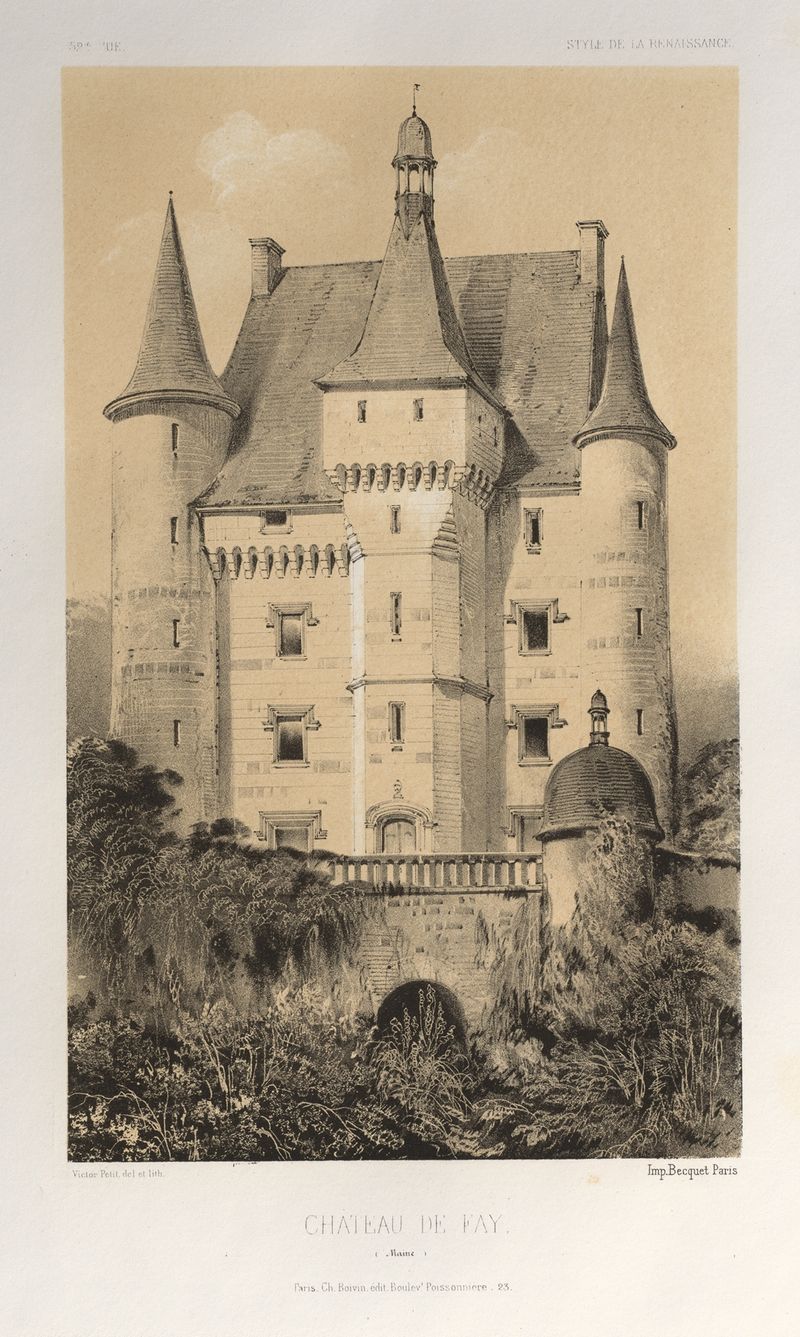
Château De Fay (Maine)
Victor Petit
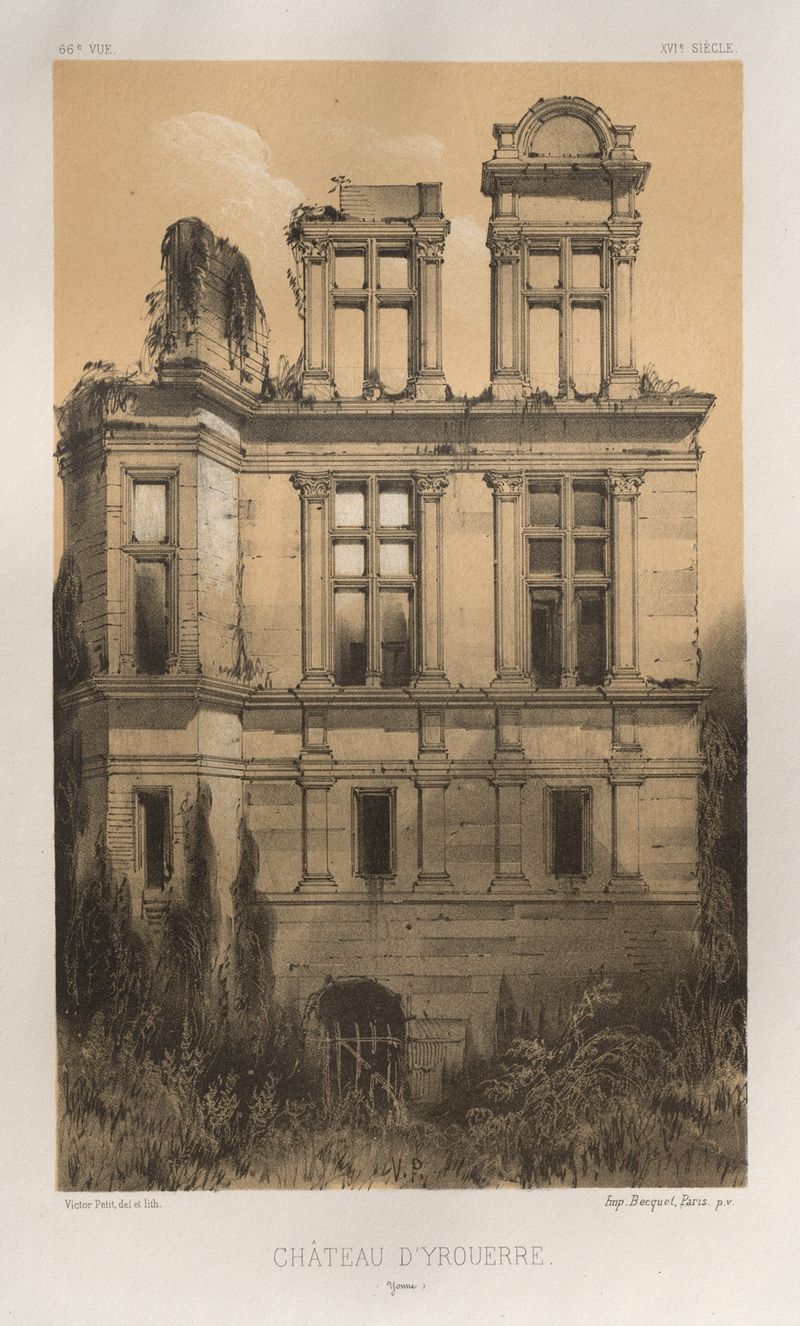
Château D’Yrouerre (Yonne)
Victor Petit
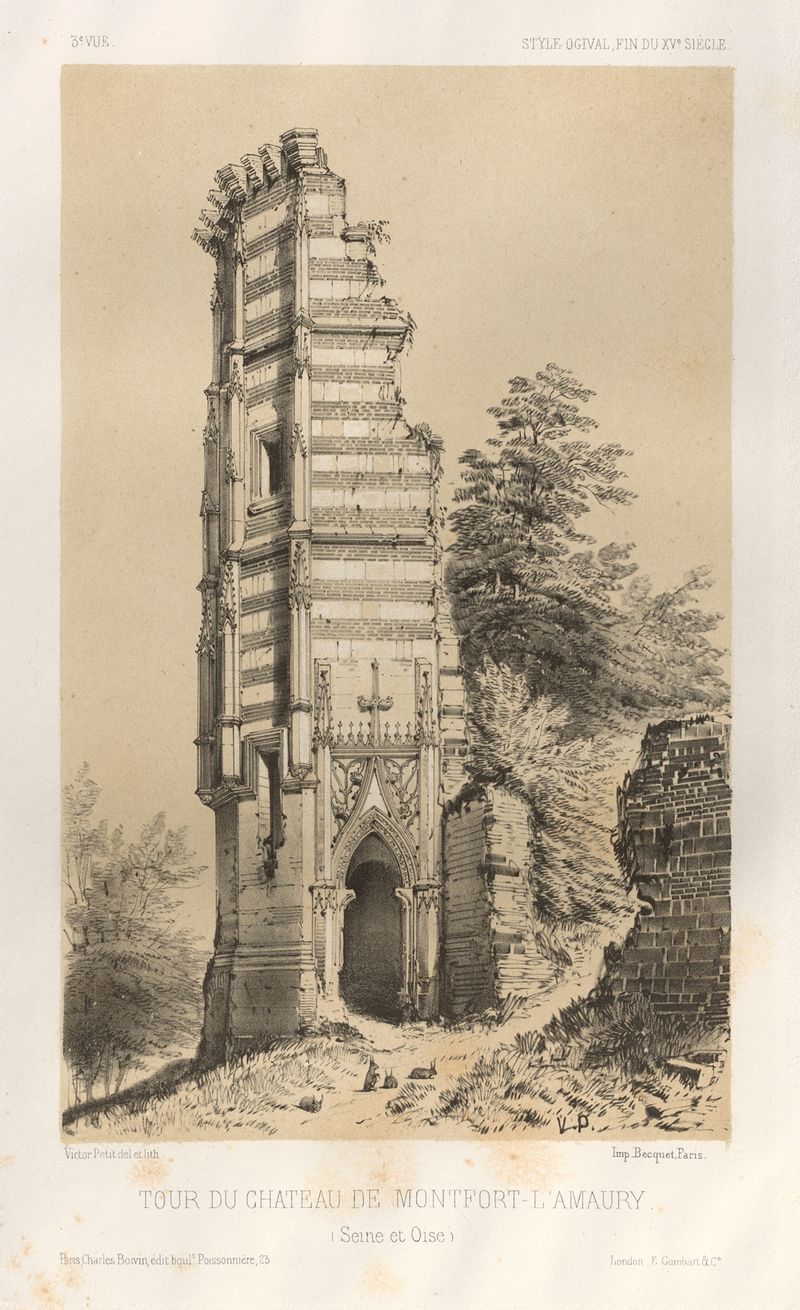
Tour du chateau de Montfort-l’Amaury (Seine-et-Oise)
Victor Petit

Tour Du Port De Marseille (Bouches Du Rhône)
Victor Petit
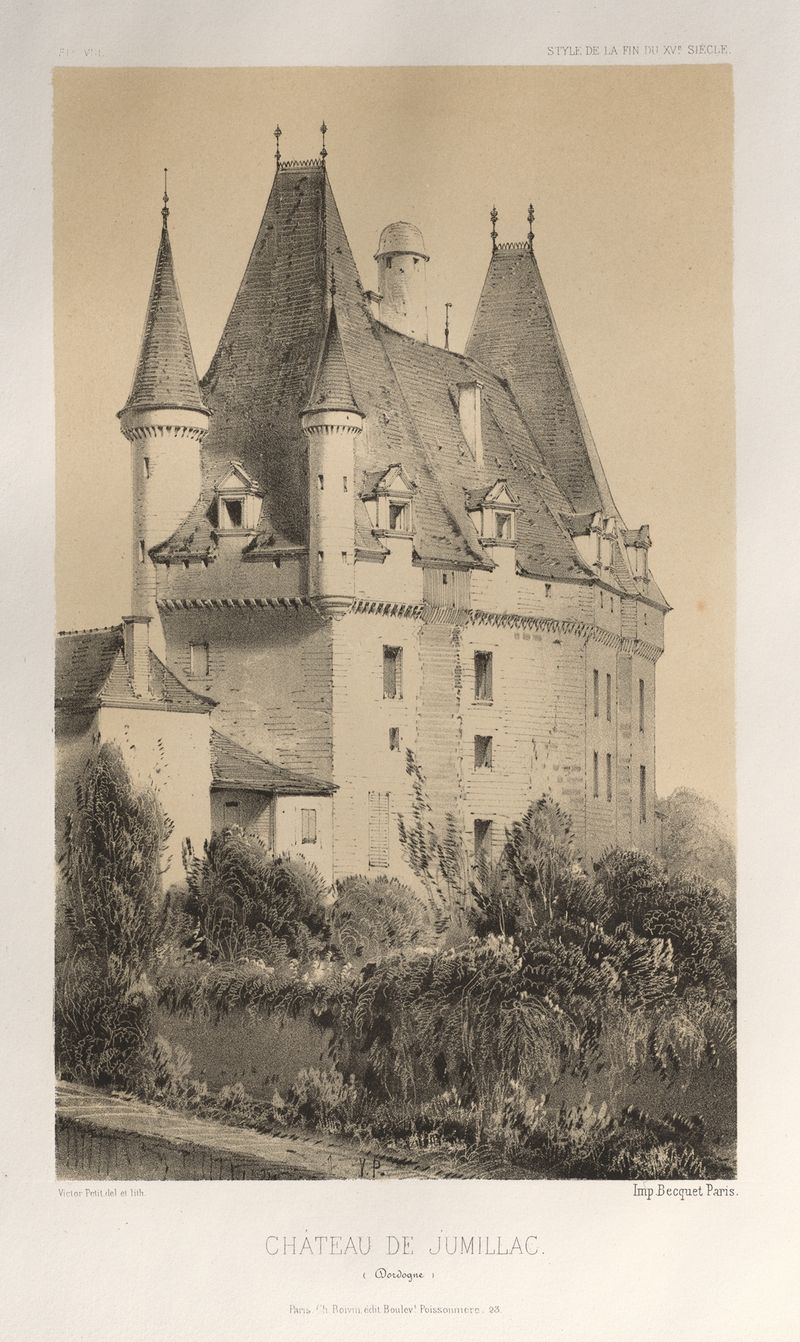
Château De Jumillac (Dordogne)
Victor Petit

Château de Tévray (Eure)
Victor Petit

Galerie Du Château De Jouancy (Saone et Loire)
Victor Petit

Château De Mello (Oise)
Victor Petit
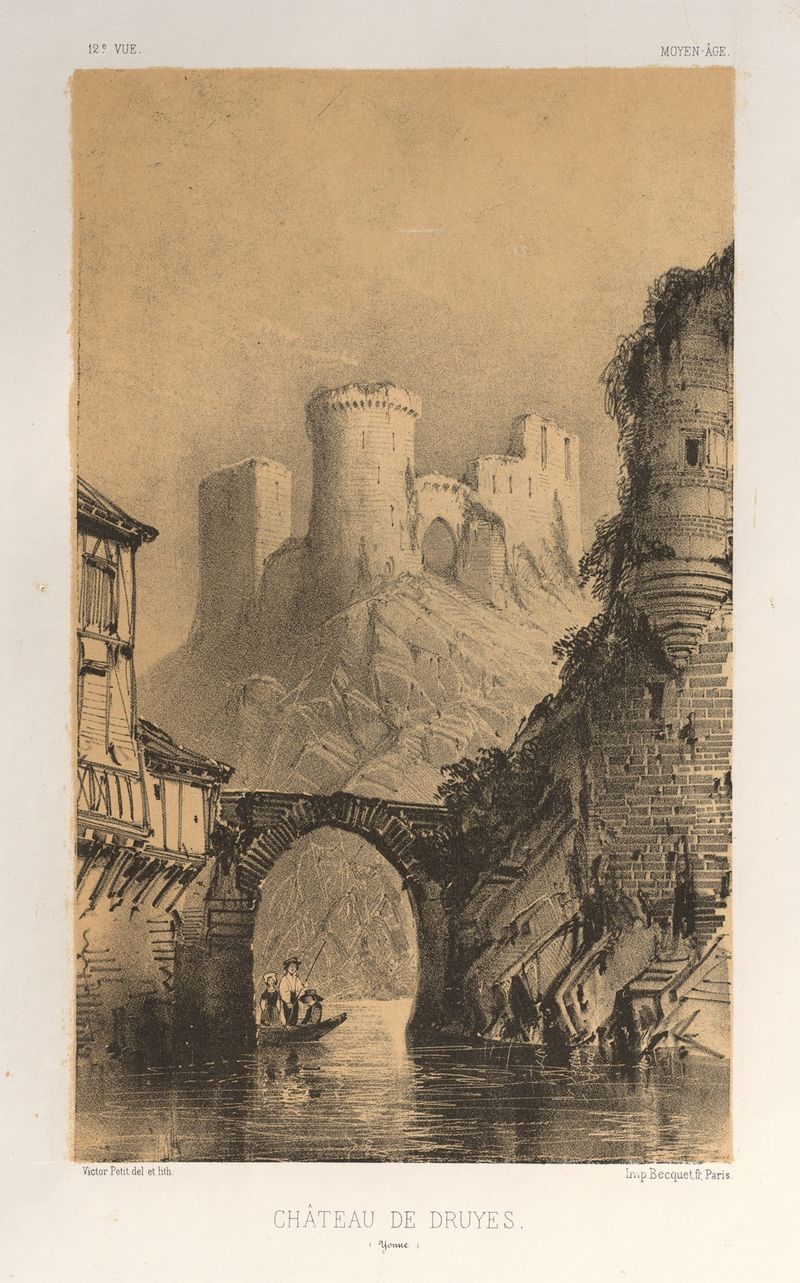
Chateau De Druyes (Yonne)
Victor Petit

Le ChasteLet-Neuf (Corrèze)
Victor Petit
More Architecture Art
Browse all →
The statue of Liberty
Frédéric Auguste Bartholdi

View of Houses in Delft, Known as ‘The Little Street’
Johannes Vermeer

View of Houses in Delft, Known as ‘The Little Street’
Johannes Vermeer

The Cathedral in Rouen. The portal, Grey Weather
Claude Monet

The yellow house
Vincent van Gogh

The Church in Auvers-sur-Oise, View from the Chevet
Vincent van Gogh