Paysage — History & Facts
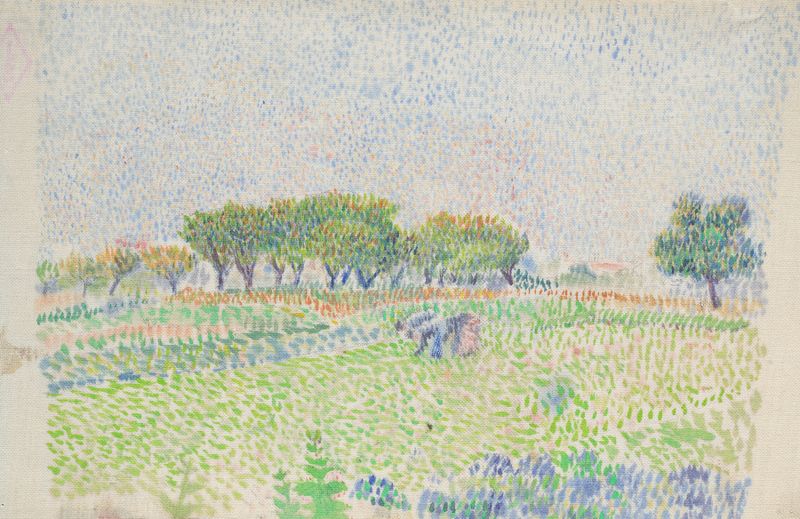
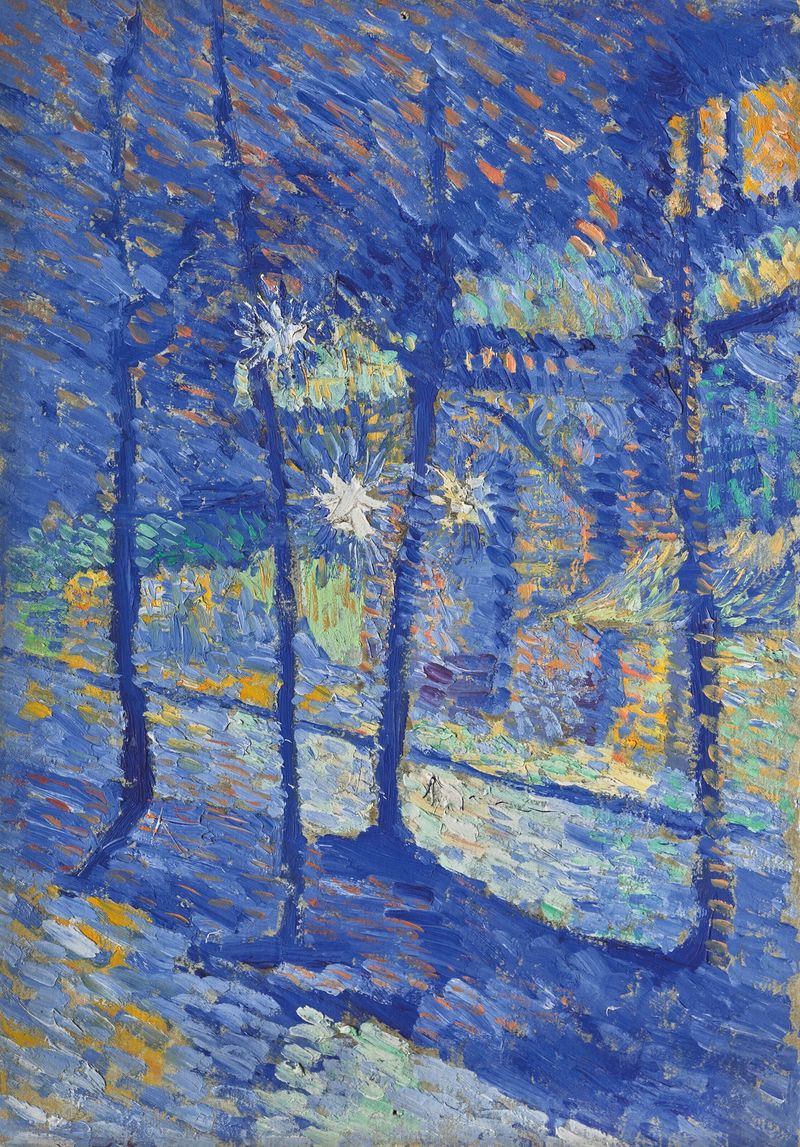
In the delicate interplay of color and form, silence resonates, inviting contemplation and stillness. Focus on the horizon, where soft hues of blue and gold blend seamlessly, creating a tranquil sky that envelops the landscape. The gentle, rolling hills are rendered with delicate strokes, while flecks of green and ochre suggest the wildflowers swaying quietly in the breeze. Notice how the composition draws the eye along the winding path, leading into an inviting depth that beckons exploration, yet eludes complete understanding.
The overall harmony of colors and textures evokes a sense of peace, wrapped in the embrace of nature’s solitude. Within the landscape, subtle contrasts emerge. The vibrant, lively colors of the foreground are juxtaposed with the muted pastels of the sky, amplifying the emotional weight of the moment. The absence of human figures emphasizes the silence, allowing viewers to immerse themselves in their own reflections.
Each brushstroke seems to capture a fragment of time, suspended between the vibrant life of nature and the stillness of an untouched world. In 1898, Louis Hayet painted this piece during a period marked by a growing interest in Impressionism as artists sought to capture the ephemeral qualities of light and atmosphere. Based in France, Hayet was influenced by the changing styles of his contemporaries, yet remained committed to his unique vision. This work reflects the artist's exploration of color and tranquility, embodying a moment of serene beauty amidst the evolving landscape of modern art.