Les Sarcleurs — History & Facts
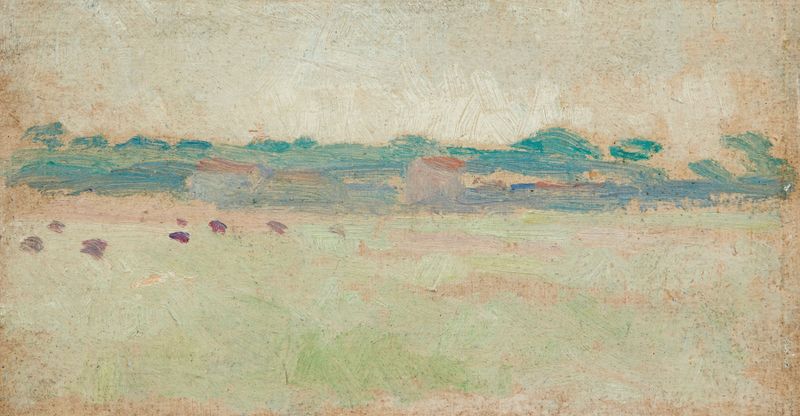
Did the painter know this moment would outlive them? In Les Sarcleurs, a fleeting tableau of labor unfolds, capturing both the sweat of toil and the timelessness of dedication. Look to the left, where a farmer kneels in the earth, his hands gripping a hoe, the motion frozen just before he breaks the soil’s surface. Notice the earth tones—rich browns and muted greens—infused with sunlight that dances across the scene, illuminating the figures with an ethereal glow. The soft brushwork creates a sense of movement, while the composition draws your eye diagonally across the canvas, suggesting a rhythm of labor that pulses through the work. The contrast between the laborers and their surroundings speaks volumes; the workers’ toil juxtaposed with the serene, almost idyllic landscape evokes a sense of longing for connection to the land and the simple joys of agriculture.
Each figure, though dynamic in action, is enveloped in stillness, suggesting a deeper emotional resonance of perseverance amidst the relentless march of time. It invites reflection on the balance between human endeavor and nature's quiet strength. In the late 1880s, as Louis Hayet painted this scene in France, the Impressionist movement was blossoming, emphasizing light and atmosphere. Amidst this innovative atmosphere, Hayet sought to capture the intimate relationship between humanity and the earth.
His personal struggles, including financial hardships, lent a profound sense of urgency to his work, as he aimed to immortalize the beauty of everyday moments before they faded into obscurity.