Paysage nocturne — History & Facts
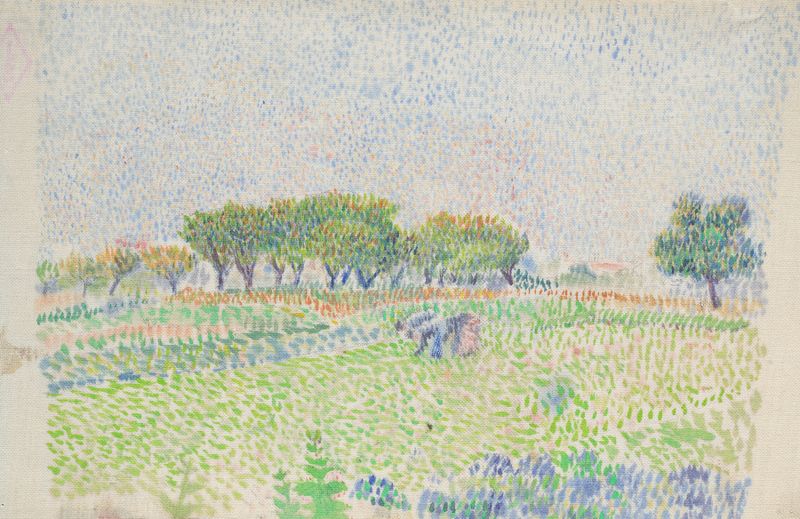
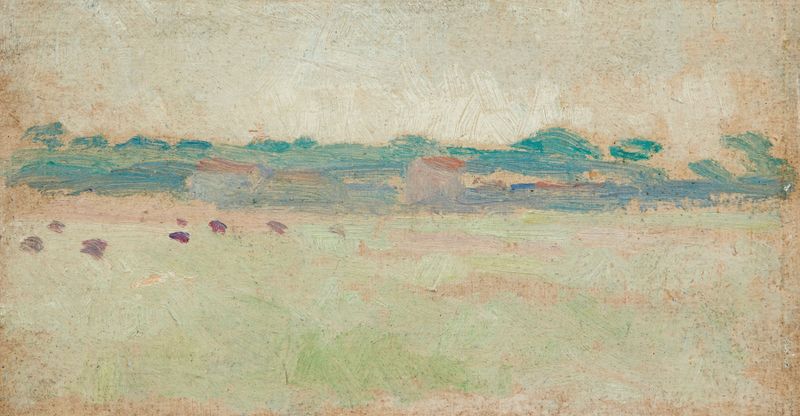
In Paysage nocturne, emptiness unfolds like a whispered secret, inviting contemplation beneath the night sky. Look to the center of the canvas where the deep blues and blacks meld seamlessly, creating an atmosphere of profound solitude. Notice how the subtle strokes of lighter hues suggest distant stars, illuminating the horizon with a ghostly glow. The composition, anchored in simplicity, leads the eye across the landscape, evoking a sense of vastness that stretches the boundaries of perception.
Each brushstroke is deliberate, carefully layering shadows and light, embodying tranquility amidst the void. Delve deeper into the interplay of darkness and light, where the absence of human presence amplifies the emotional weight of the scene. The quietude speaks of introspection, as the viewer grapples with the interplay of isolation and beauty. This juxtaposition mirrors the complexities of the human experience—how emptiness can evoke both despair and a peaceful acceptance of the unknown. Created in 1888-89, this artwork emerged during a transformative period for the artist, who was exploring Symbolism and its focus on the emotional experience of landscapes.
Working in France, Hayet sought to capture the ephemeral quality of nature, reflecting a broader artistic shift towards the exploration of mood and atmosphere over realism. As he painted, the world around him was engaged in a dialogue between tradition and innovation, a context that influenced the depth and introspection found in his work.