
Paysage — History & Facts
Can beauty exist without sorrow? The question resonates as one gazes upon the tranquil landscape, where colors blend harmoniously yet evoke an underlying sentiment of solitude. Look to the left, where soft greens and yellows converge to form lush meadows, kissed by the gentle light of a fading sun. The brushwork is both lively and fluid, creating a sense of movement among the grasses. Notice how the artist captures the transition between day and night, with rich oranges and purples bleeding into the sky, imbuing the scene with a vibrancy that contrasts sharply with the stillness of the land below. As you delve deeper, explore the subtle interplay between light and shadow, which tells a story of transience.
Each blade of grass reflects the light in a unique way, suggesting a fleeting moment of beauty that is both serene and melancholic. The empty horizon invites contemplation, hinting at the loneliness often felt within nature's embrace, reminding us that solitude can nestle within beauty itself. Created around 1912, this piece emerged during a period of great change for the artist, who was closely associated with the Impressionist movement. Guillaumin, known for capturing light and color with fervor, was navigating personal challenges while also witnessing the evolution of modern art.
He painted Paysage during a time when artists were beginning to push boundaries, creating works that spoke not only of the external world but also of deeply personal, inner experiences.
More Artworks by Armand Guillaumin
Browse all →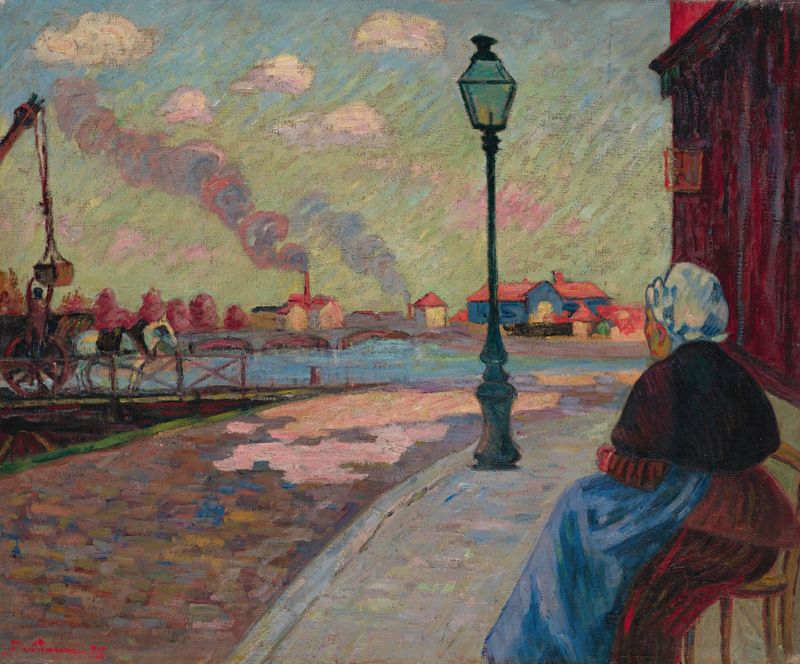
La Seine À Charenton
Armand Guillaumin
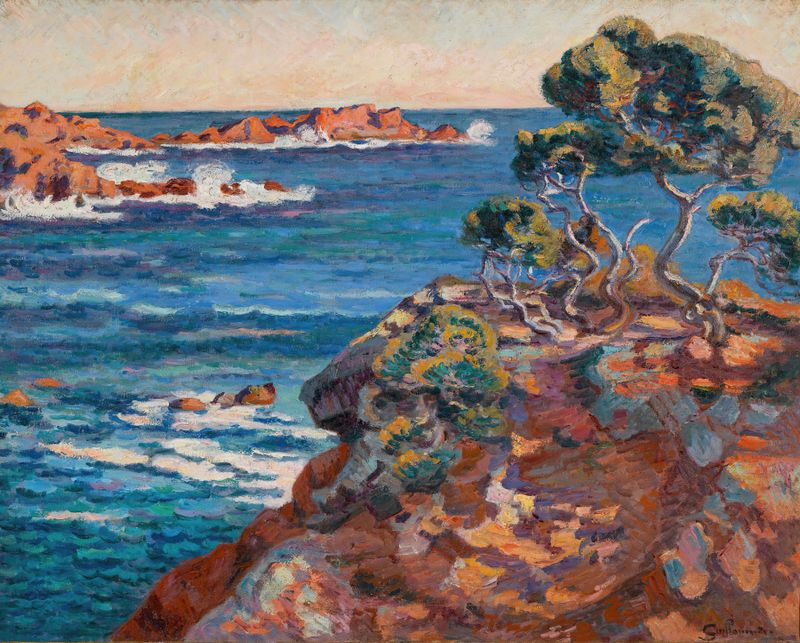
Bord De Mer À Agay
Armand Guillaumin
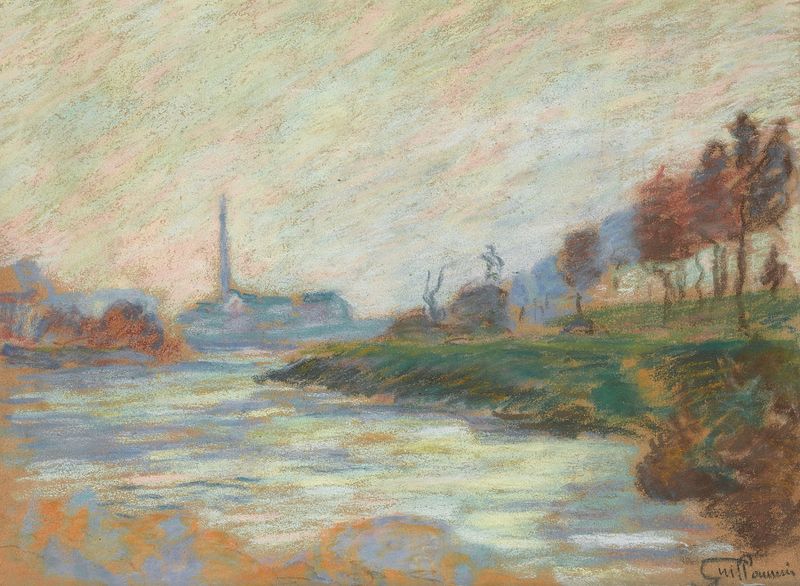
Confluent De La Marne Et De La Seine, Île De La France
Armand Guillaumin

Le Ravin de la folie, vue de Chateau Crozant
Armand Guillaumin
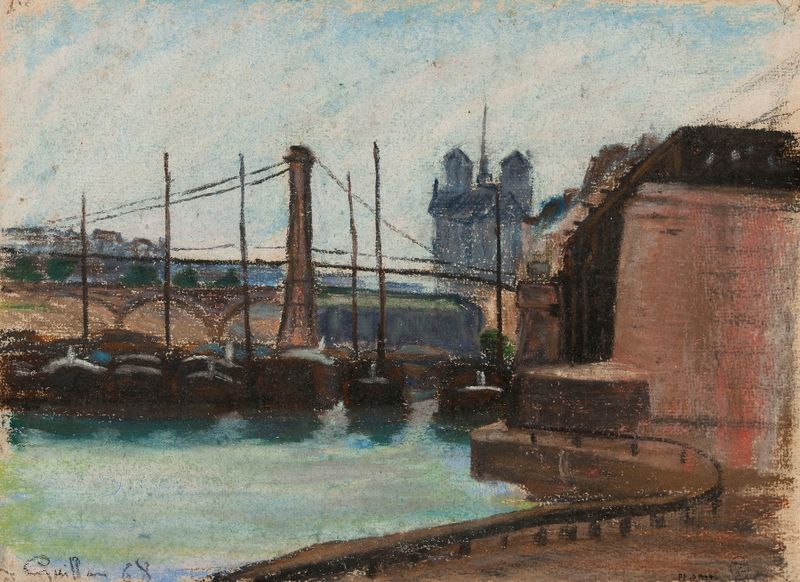
Le Pont d’Austerlitz
Armand Guillaumin

Paysage de Printemps
Armand Guillaumin
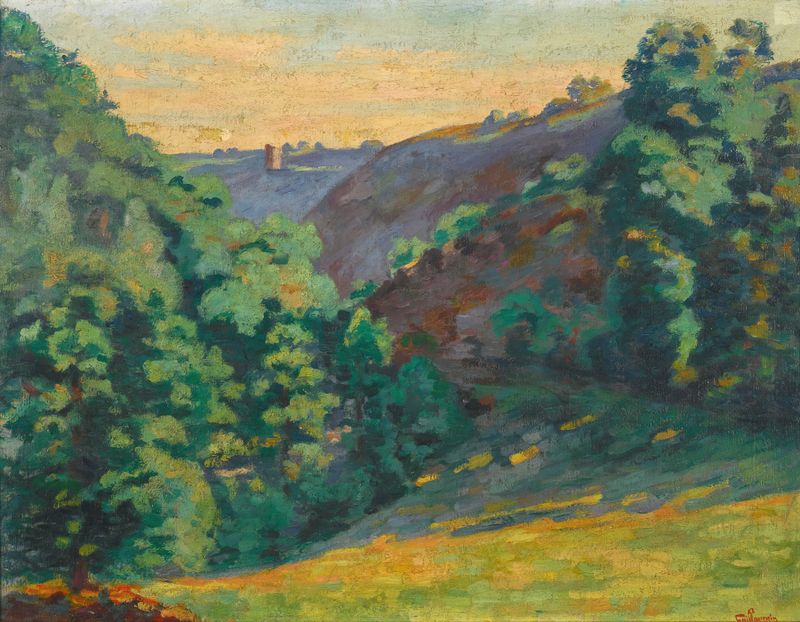
Crozant, Le Ravin De La Sedelle À La Folie
Armand Guillaumin
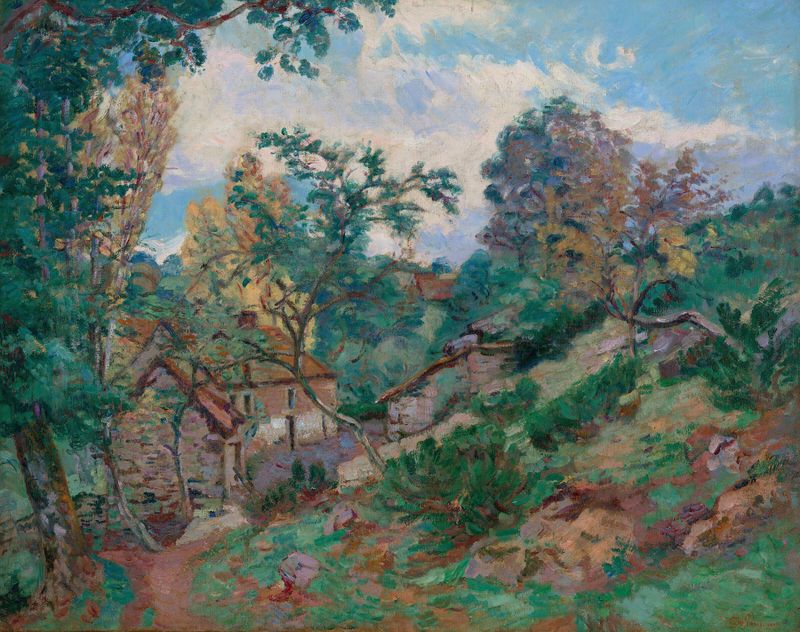
Paysage
Armand Guillaumin

La vallée de la creuse
Armand Guillaumin

L’Eglise Saint-Sulpice, Paris
Armand Guillaumin





