Paysage bleu aux moutons — History & Facts
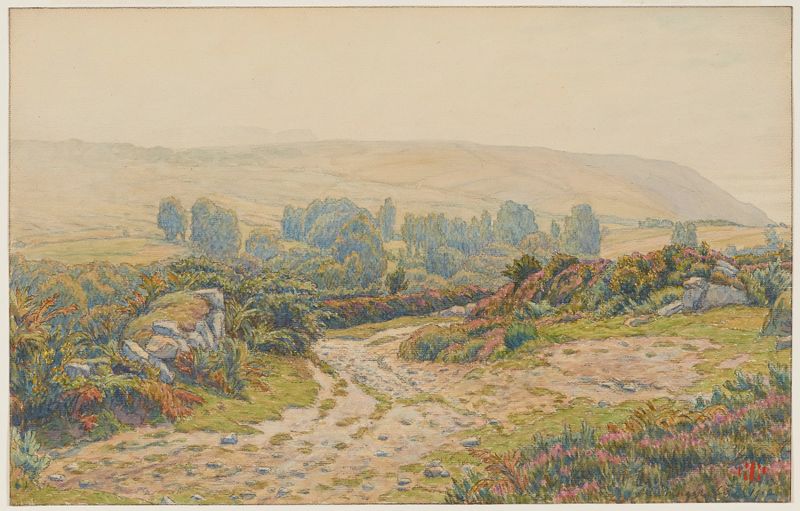
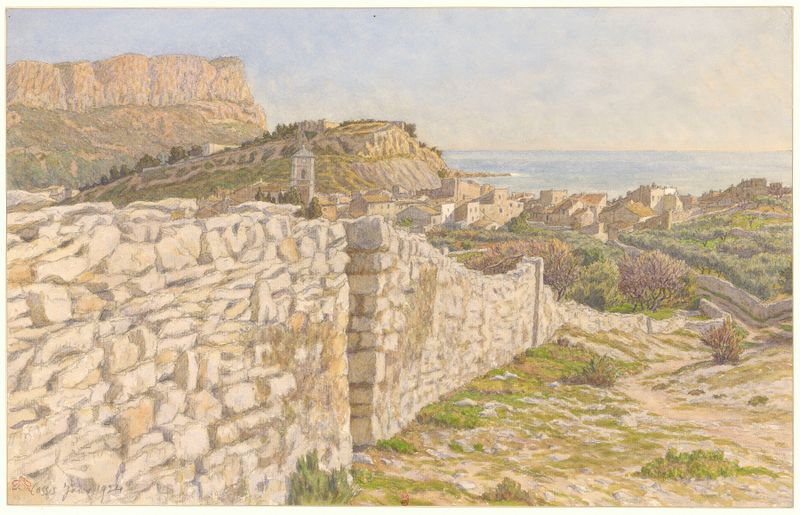
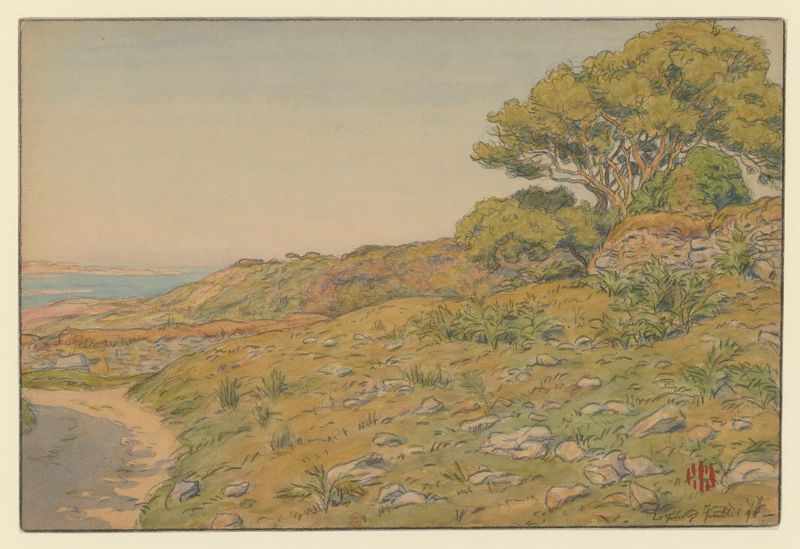
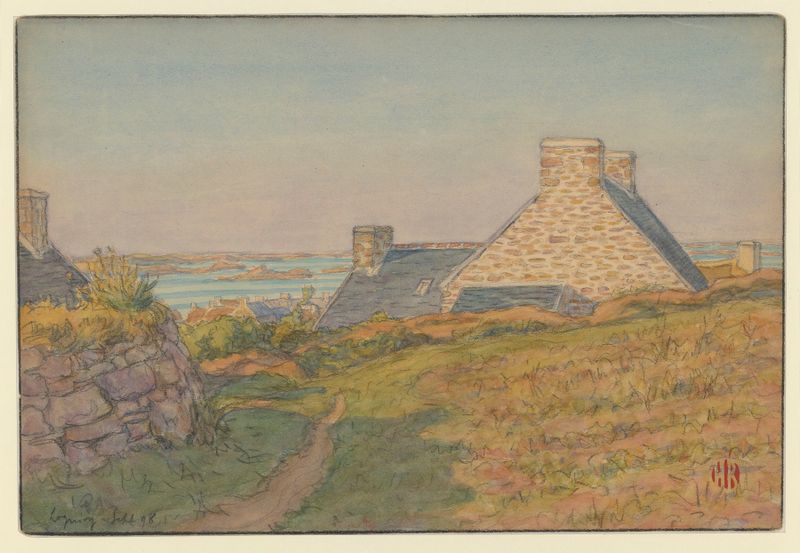
Can paint confess what words never could? In Paysage bleu aux moutons, a shimmering expanse of azure embraces a pastoral dreamscape, inviting viewers to immerse themselves in a realm where ecstasy resides between the brushstrokes. Look to the left, where the vibrant blue sky dances with soft strokes of white, evoking a sense of boundless freedom. The sheep, dappled with gentle hues of cream and gray, dot the verdant terrain, drawing the eye along the undulating hills. Notice how the light cascades over the landscape, casting ethereal shadows that breathe life into the scene while creating a delicate contrast with the boldness of the color palette.
The composition’s harmonious balance invites contemplation, as the viewer is transported to this tranquil moment of nature. Deep beneath the surface, there are layers of meaning waiting to be uncovered. The bold blue symbolizes not just the sky, but an expansive emotional state, perhaps reflecting the artist’s own inner ecstasy. Each sheep stands as a representation of the simplicity and innocence of rural life, contrasting the grandeur of the surrounding nature.
This juxtaposition invites reflection on humanity's relationship with the earth, suggesting that amidst chaos, there can still be peace. Henri Rivière created this work during a period of artistic exploration in the late 19th century, a time when he was influenced by Impressionism and the Symbolist movement. Working primarily in France, he sought to capture the ephemeral beauty of landscapes with a unique approach, blending color and form to convey emotion. His explorations in Paysage bleu aux moutons reveal not just a moment in time, but also a deeper connection to nature’s serene, yet ecstatic essence.