
Paysage boisé — History & Facts
Did the painter know this moment would outlive them? In Paysage boisé, Armand Guillaumin captures a tranquil forest scene, yet beneath its beauty lies a whispered fear of transience, of nature’s inevitable passage through time. Look to the left at the vibrant strokes of green, where trees stretch upward, their branches intermingling in a gentle embrace. Notice how the light filters through the foliage, casting dappled shadows that dance delicately on the forest floor. The rich blues and earthy browns create an atmosphere of deep serenity, yet the vibrant colors pulse with an underlying tension, suggesting that this idyllic moment is fleeting, held momentarily in the artist’s grasp. At first glance, the painting radiates peace, but intricate details evoke deeper layers of emotion.
The play of light hints at an approaching storm, while the thick, tangled underbrush evokes a sense of confinement amid nature's vastness. These contrasts reveal the duality of existence—beauty intertwined with the fear of what lies beyond the visible, a reminder that even the most serene landscapes bear the weight of time's passage. Guillaumin painted Paysage boisé in 1890 during a pivotal time in his life, as he began to gain recognition within the Impressionist movement. Living and working in France, he navigated a world where the tension between tradition and modernity was palpable.
This piece reflects his dedication to capturing natural beauty while encapsulating the ephemeral quality of life, a theme that resonates profoundly in the broader context of post-industrial society.
More Artworks by Armand Guillaumin
Browse all →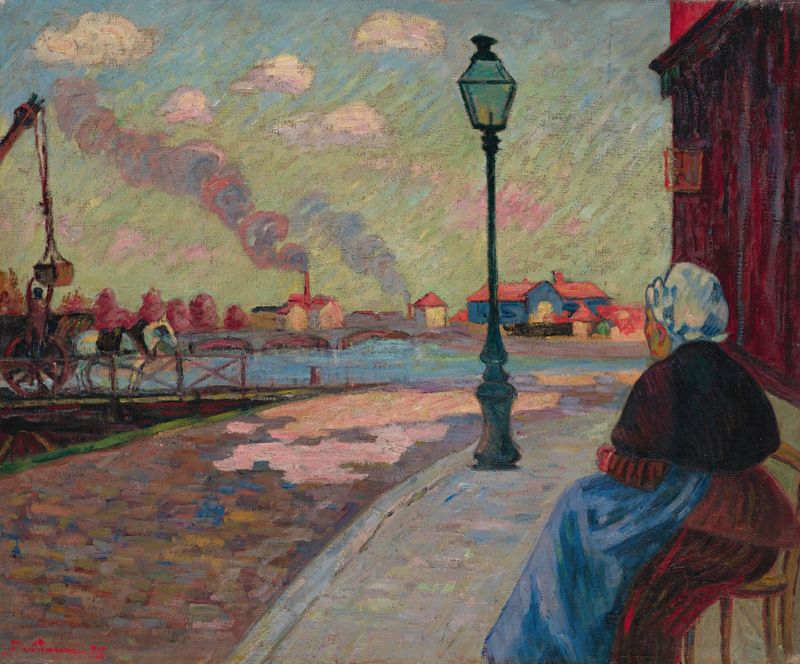
La Seine À Charenton
Armand Guillaumin
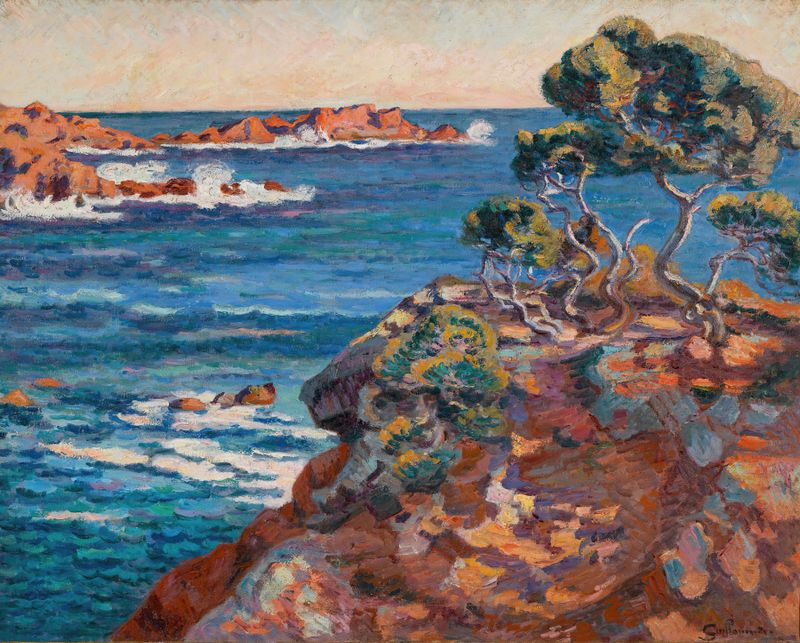
Bord De Mer À Agay
Armand Guillaumin
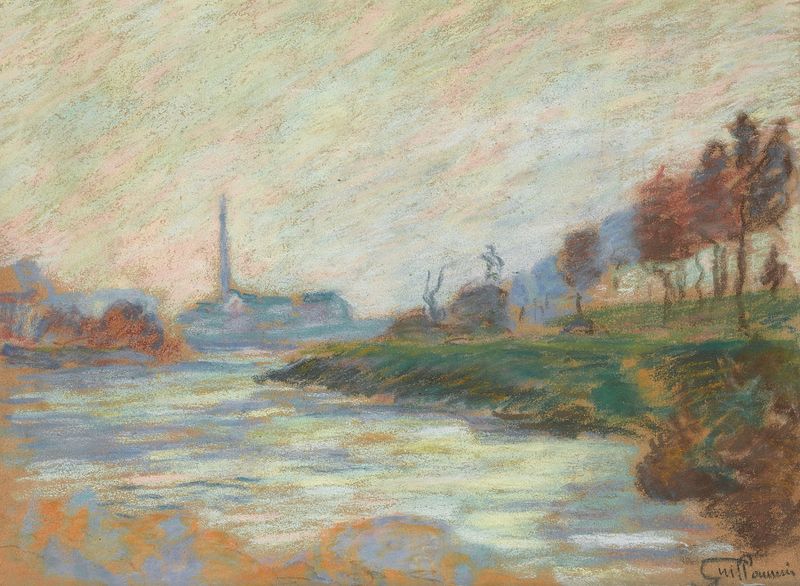
Confluent De La Marne Et De La Seine, Île De La France
Armand Guillaumin

Le Ravin de la folie, vue de Chateau Crozant
Armand Guillaumin
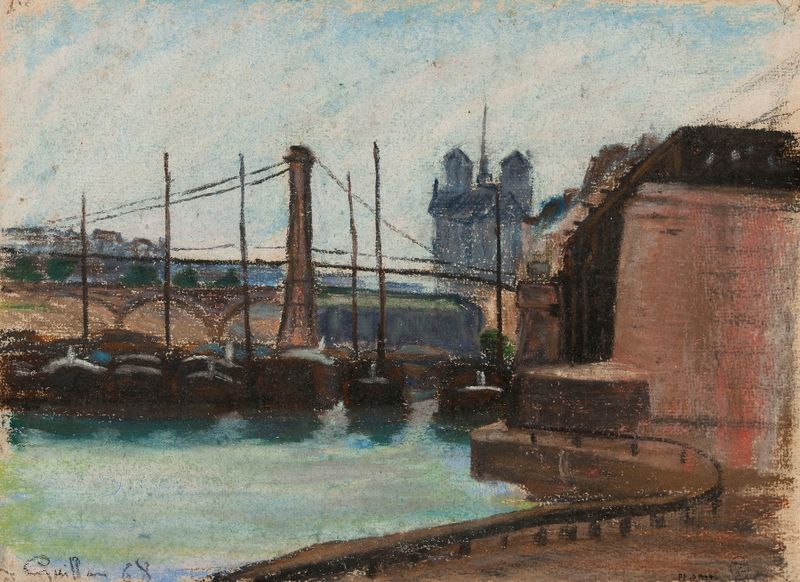
Le Pont d’Austerlitz
Armand Guillaumin

Paysage de Printemps
Armand Guillaumin
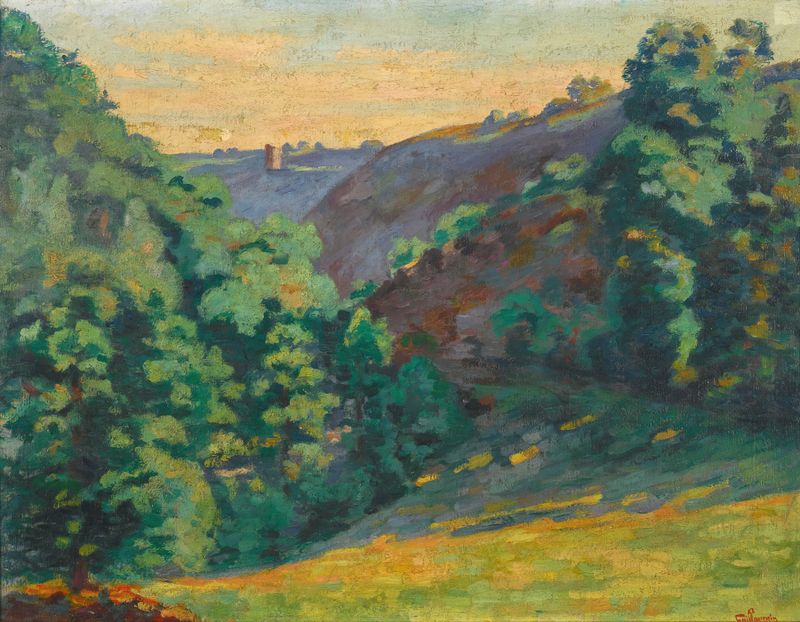
Crozant, Le Ravin De La Sedelle À La Folie
Armand Guillaumin
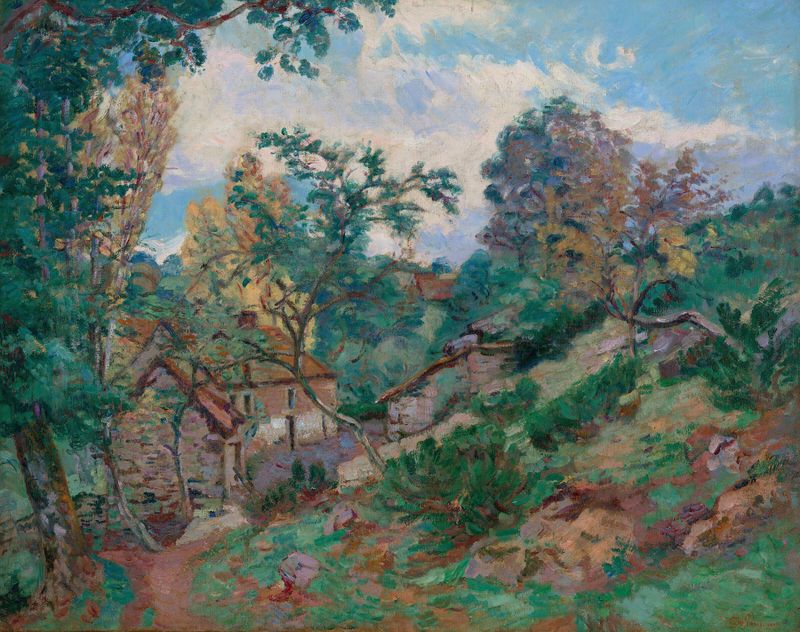
Paysage
Armand Guillaumin

La vallée de la creuse
Armand Guillaumin

L’Eglise Saint-Sulpice, Paris
Armand Guillaumin





