
Paysage côtier — History & Facts
In Paysage côtier, the shoreline whispers secrets of betrayal, where nature's beauty masks underlying tensions. Here, the landscape becomes a metaphor for human experience, revealing the duality of appearances and reality. Look to the left at the vibrant waves crashing against the rocky shore, painted with broad, expressive strokes that merge blue and green in a dance of color. Notice how the horizon stretches out, delineated by a soft gradient, drawing your eye to the distant cliffs bathed in warm sunlight.
The composition is meticulously balanced, with the dynamic interplay of light and shadow enhancing the emotional weight of the scene, inviting viewers to linger in its serene yet charged atmosphere. Yet, amidst this idyllic vista, a sense of unease permeates, as the tumultuous waves echo the turmoil beneath the surface. The gentle curves of the coastline contrast sharply with the jagged rocks, embodying the tension between beauty and chaos. Hidden details, like the lone figure standing at the edge, evoke feelings of isolation and introspection, suggesting a deeper narrative of longing and betrayal woven into the fabric of the landscape. Félix Vallotton painted Paysage côtier between 1896 and 1897 during a period of artistic evolution in his career.
Residing in Paris, he was influenced by the Symbolist movement while grappling with his personal life, marked by emotional complexity. This work reflects not only his mastery of color and form but also a pivotal moment when he began to intertwine his emotional experiences with the landscapes he depicted, resonating with viewers long after its creation.
More Artworks by Félix Vallotton
Browse all →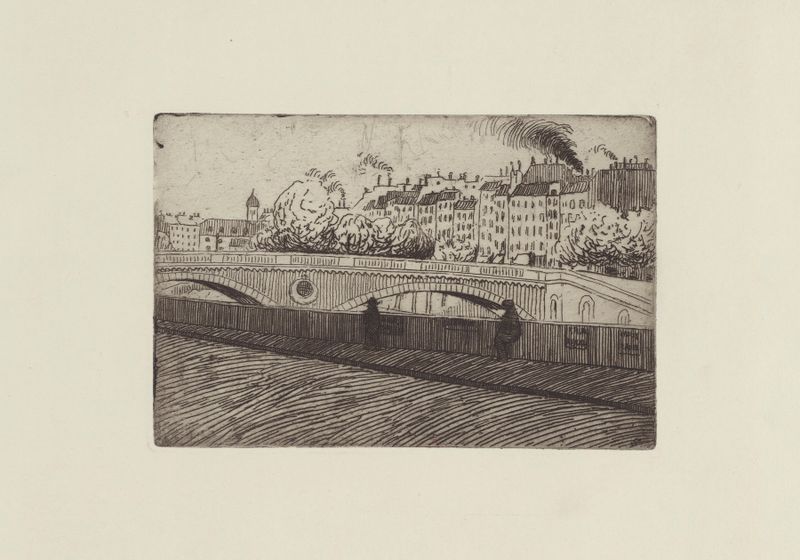
Le pont St Michel
Félix Vallotton
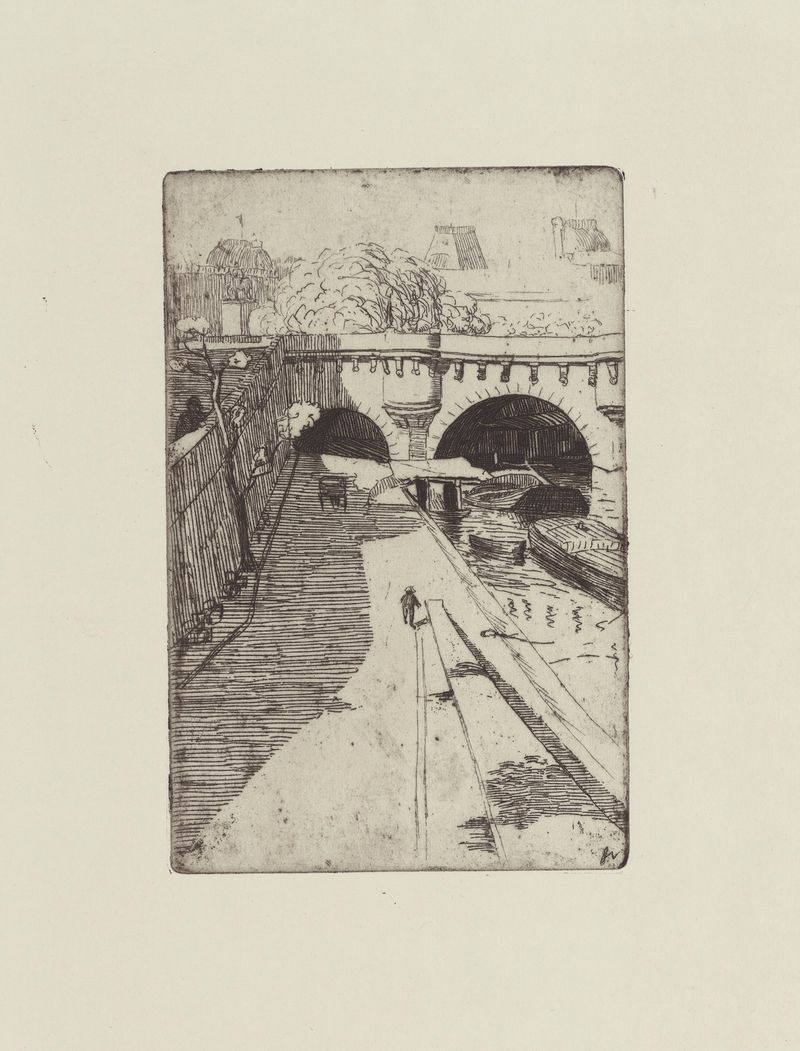
Le Vert-Galant
Félix Vallotton
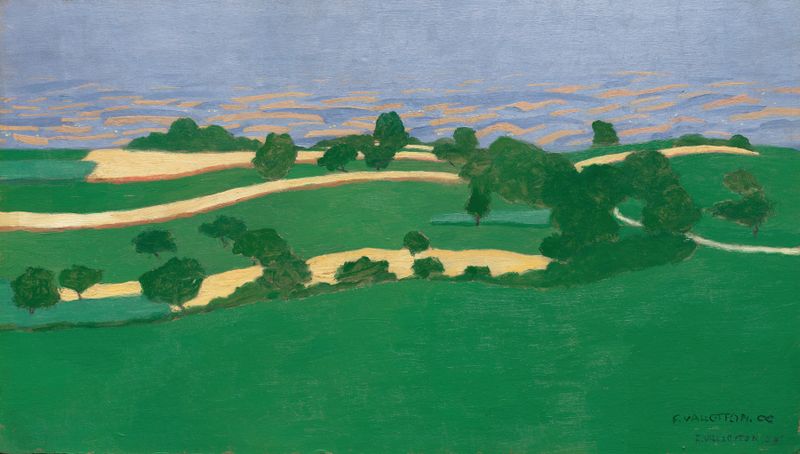
Corn Fields
Félix Vallotton
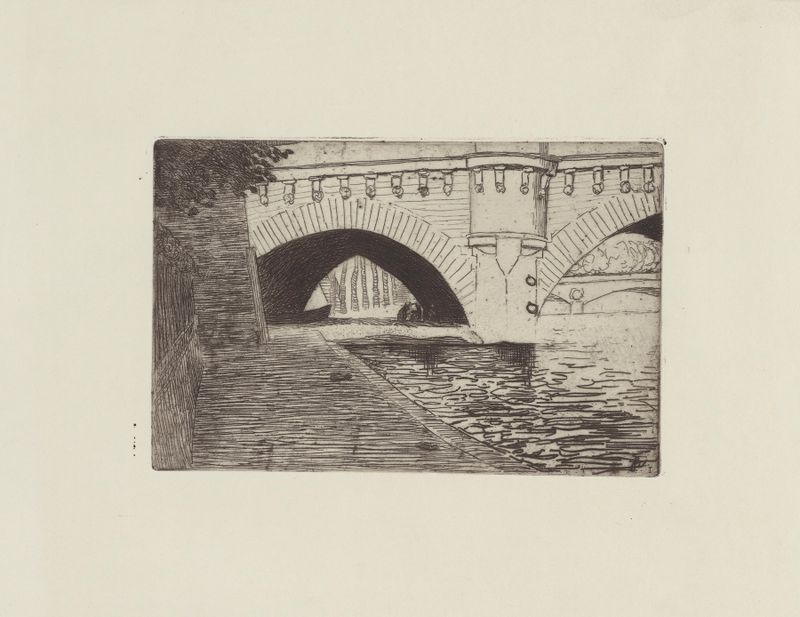
Le Pont-Neuf et le pont St Michel
Félix Vallotton
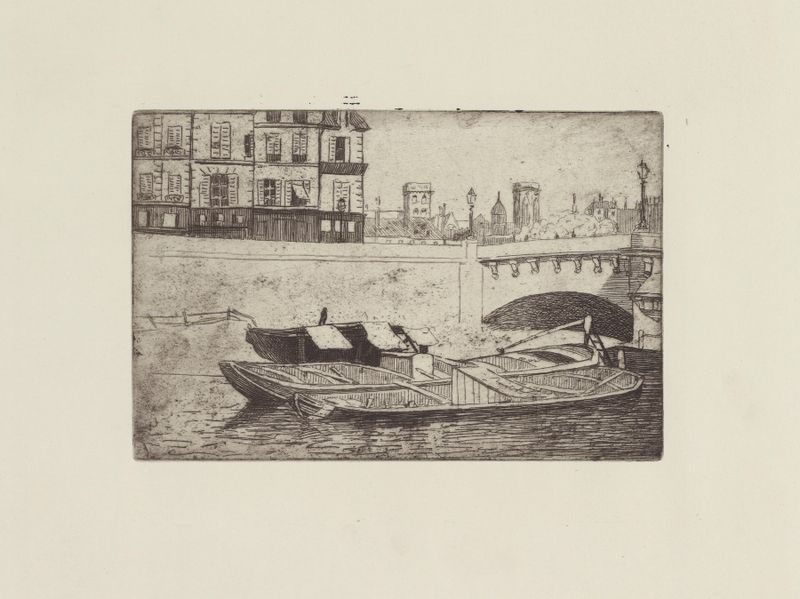
Péniches au Pont-Neuf
Félix Vallotton
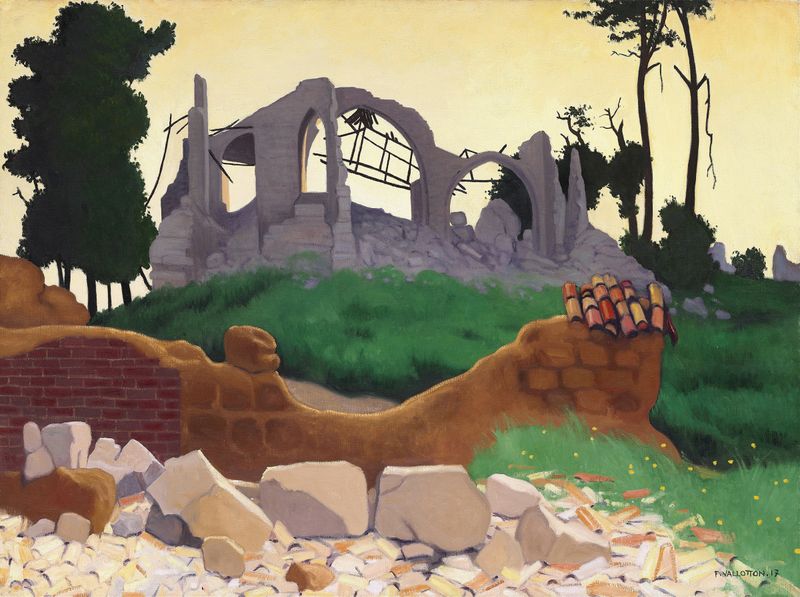
The Church of Souain
Félix Vallotton
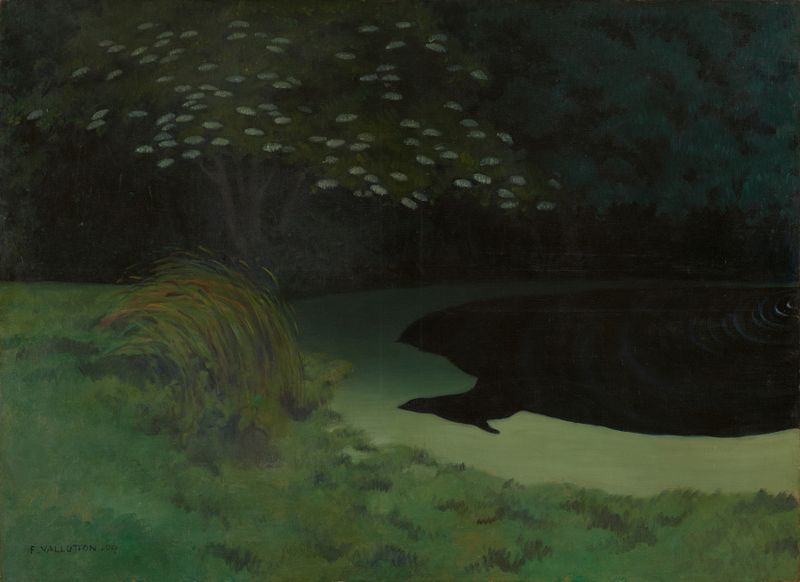
The Pond (Honfleur)
Félix Vallotton
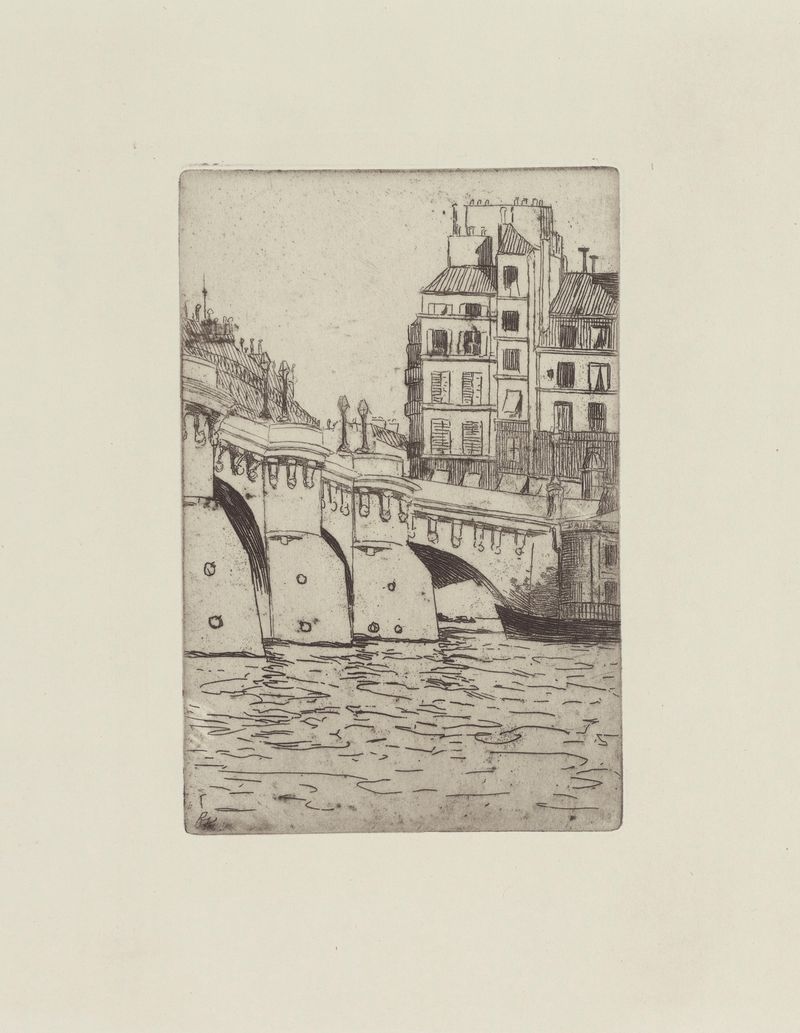
Les bains du Pont-Neuf
Félix Vallotton
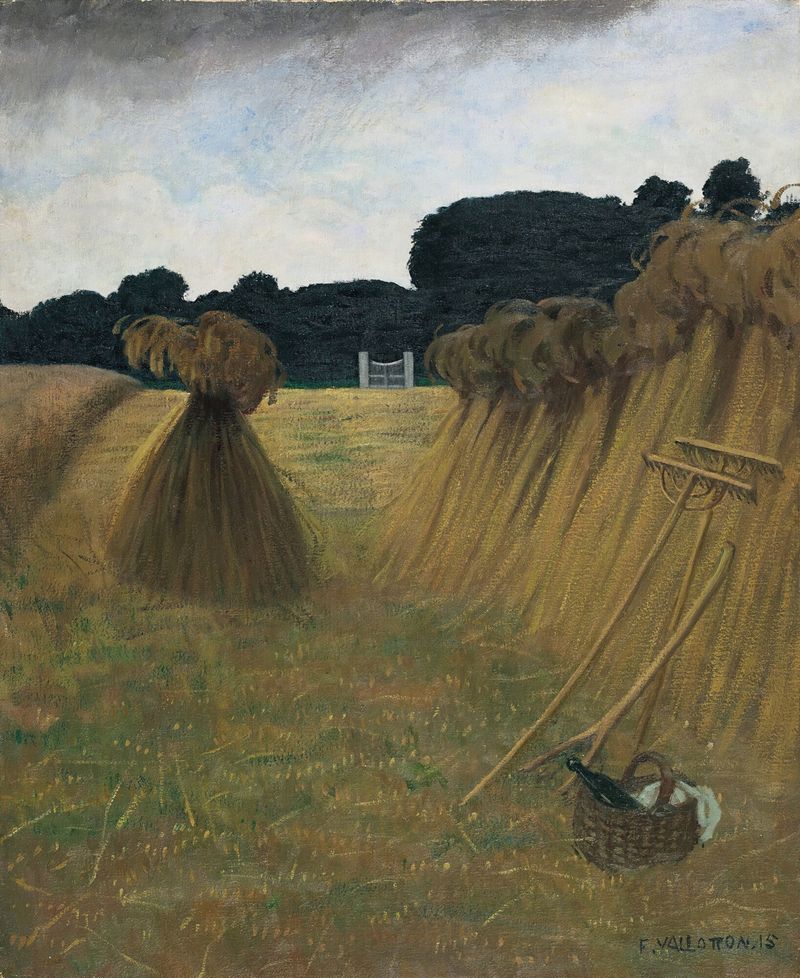
The Sheaves
Félix Vallotton
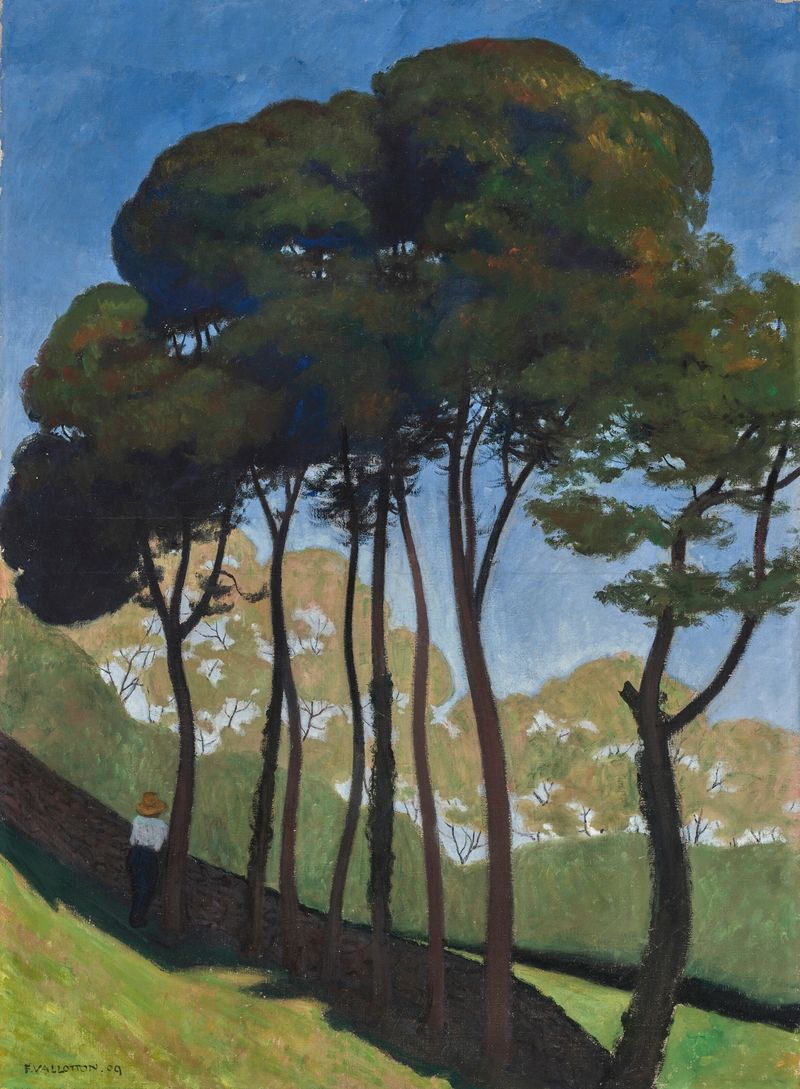
Les Grands Arbres, environs d’Honfleur
Félix Vallotton





