
Paysage de Crimée — History & Facts
Is this a mirror — or a memory? In Paysage de Crimée, the landscape reveals a duality, reflecting the past and hinting at the violence that shaped it. Focus on the sweeping horizon, where the azure sky meets a rugged coastline, the tranquil waters deceptively calm. Observe the meticulously rendered light, illuminating the craggy cliffs and casting shadows that stir an unsettling unease. The softness of the brushstrokes contrasts sharply with the jagged lines of the terrain, evoking a sense of tension that lies beneath this serene exterior. Delve deeper into the nuanced details — the distant ship, perhaps a harbinger of conflict, suggests a story of upheaval just out of view.
The vibrant greens of the foreground juxtapose the starkness of the cliffs, symbolizing the fragility of beauty amid looming violence. This landscape is not merely a picturesque view; it bears witness to the scars of history, inviting contemplation on the nature of peace and the undercurrents of turmoil. In 1842, amid the backdrop of political strife and territorial conflicts, the artist found inspiration in the landscapes of Crimea. Bossoli's work is marked by a personal connection to the region, reflecting both the romantic notions of nature and the harsh realities of war.
This was a time when Europe was grappling with the repercussions of nationalism and conflict, and his landscape speaks volumes about the complexities of beauty intertwined with violence.
More Artworks by Carlo Bossoli
Browse all →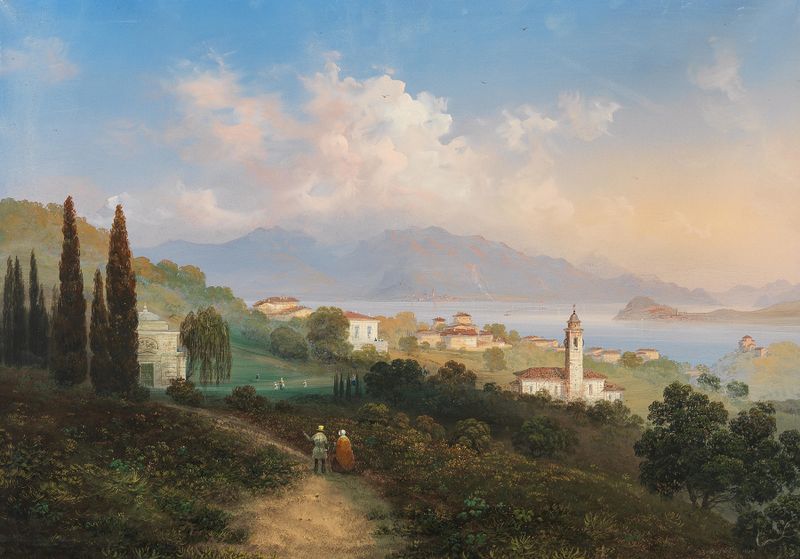
A View of Lake Como and Menaggio, with Punta di Bellagio on the Right
Carlo Bossoli
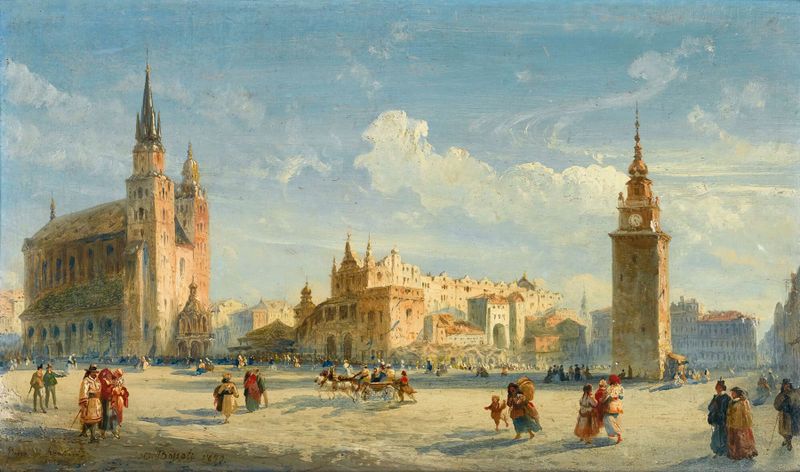
Mariacki square with the cloth hall, Cracow
Carlo Bossoli
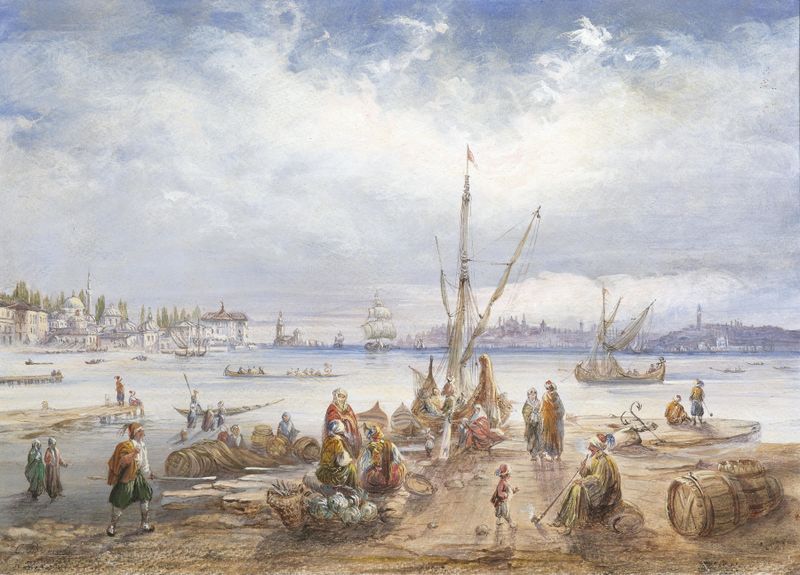
Blick auf Istanbul
Carlo Bossoli
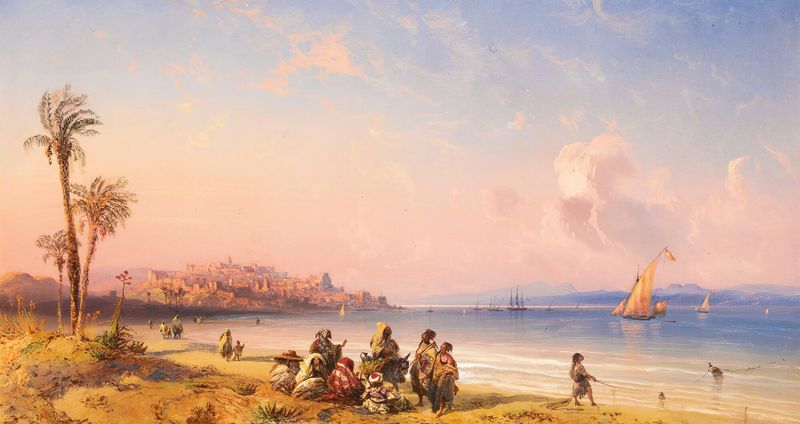
Ceuta
Carlo Bossoli
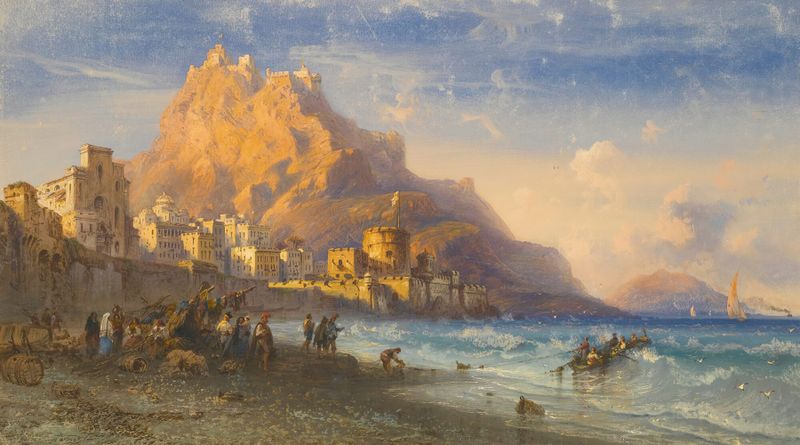
Coastal Landscape, Southern Italy
Carlo Bossoli
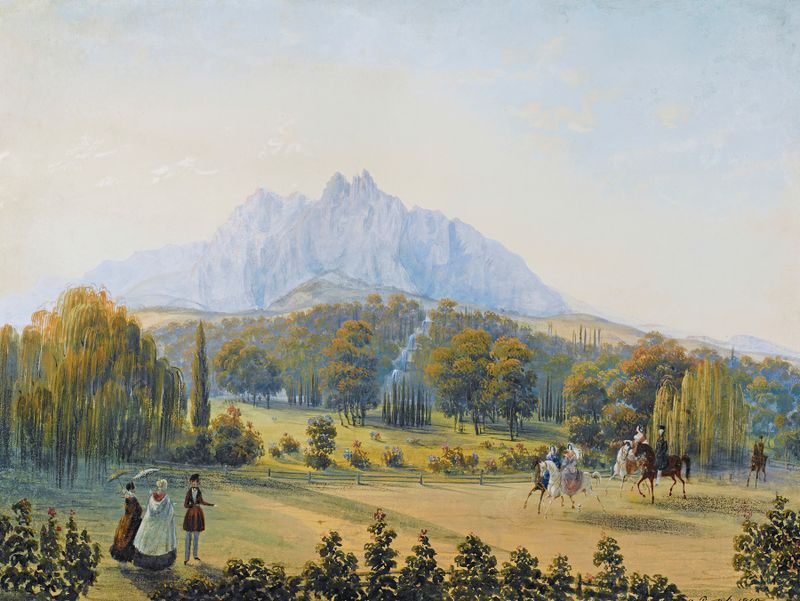
Seven Views Of Miskhor In The Crimea Vi
Carlo Bossoli
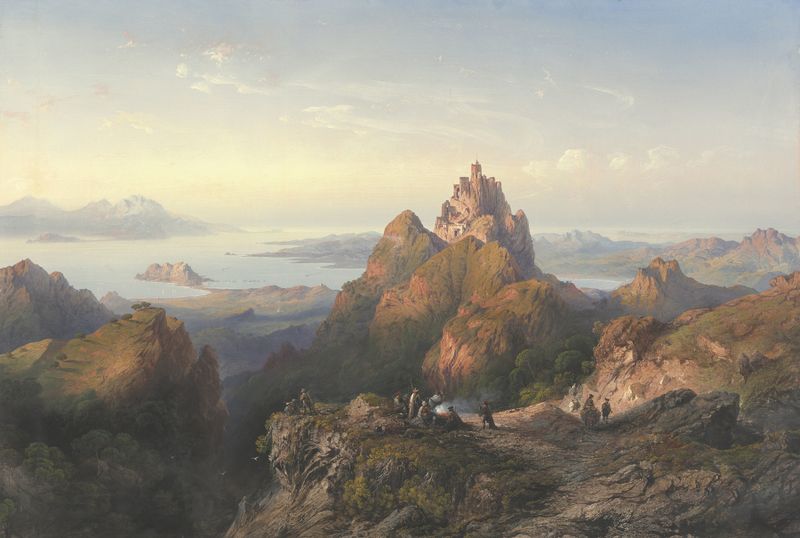
Balaklava
Carlo Bossoli
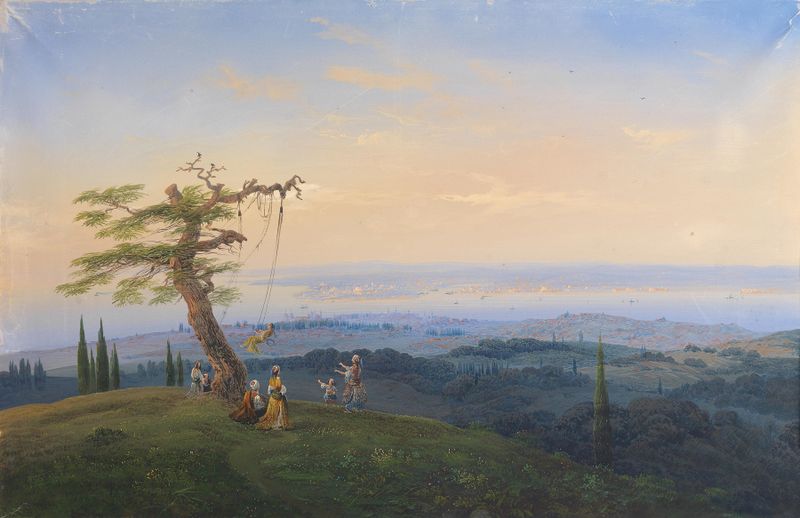
Abendliches Vergnügen vor den Toren Konstantinopels
Carlo Bossoli
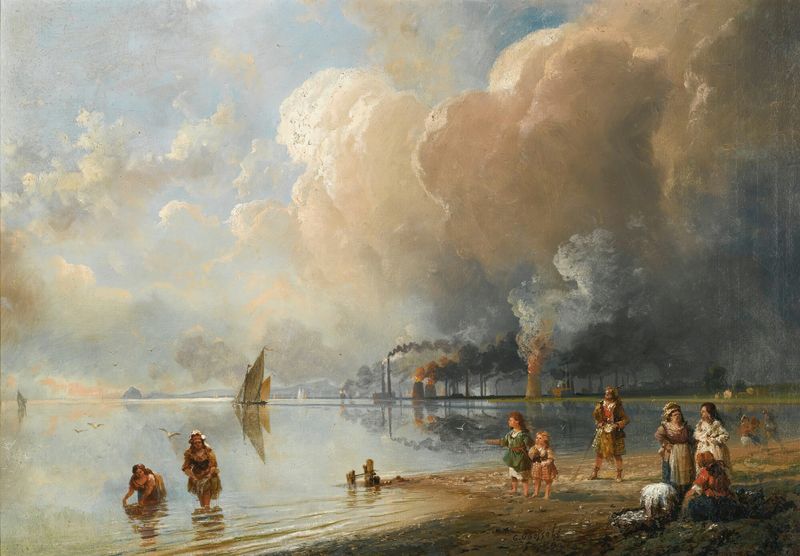
On the banks of the forth, Edinburgh
Carlo Bossoli
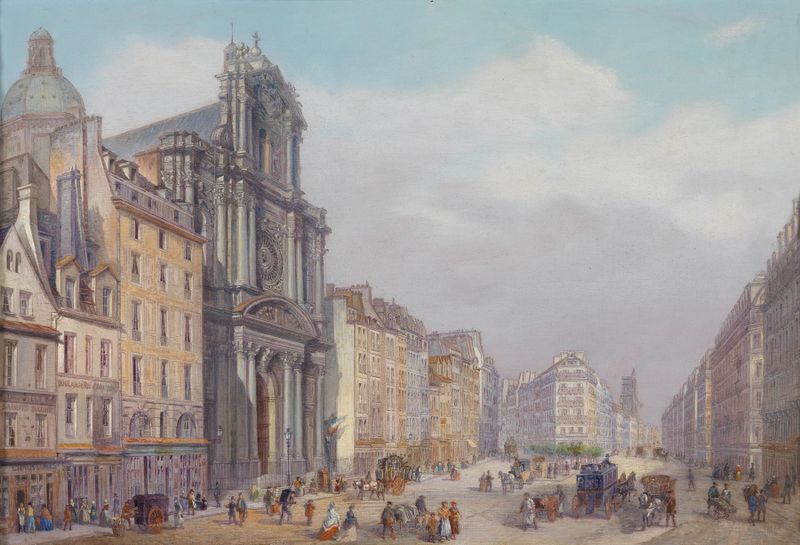
Paris Rue Saint Antoine
Carlo Bossoli





