
Paysage de Crozant — History & Facts
In Paysage de Crozant, the vibrancy of nature's pulse is captured in a moment that transcends time, inviting the viewer into a realm where creation breathes life into every corner. Focus on the gentle undulations of the landscape, where the rolling hills meet the sky in a symphony of blues and greens. The foreground brims with energetic strokes that suggest lush vegetation, while the background hints at quiet ruins beneath a vast expanse of clouds. Notice how the warm light bathes the scene, highlighting the textured brushwork and creating an inviting shimmer across the water, as if inviting you to step into this serene haven. Beneath the surface, the juxtaposition of the vibrant colors against muted tones speaks to the passage of time.
The ruins nestled within the landscape evoke a sense of nostalgia, representing the remnants of human presence within the ever-evolving beauty of nature. Shadows intermingle with light, creating an emotional tension that suggests both the transience of life and the eternal cycle of renewal. In 1896, Armand Guillaumin painted this work in Crozant, a region celebrated for its breathtaking natural beauty. At this time, he was associated with the Impressionist movement, seeking to capture the ephemeral qualities of light and atmosphere.
The world of art was shifting, expanding its boundaries beyond traditional representation, and Guillaumin, with his bold palette and expressive brushwork, was at the forefront of this evolution.
More Artworks by Armand Guillaumin
Browse all →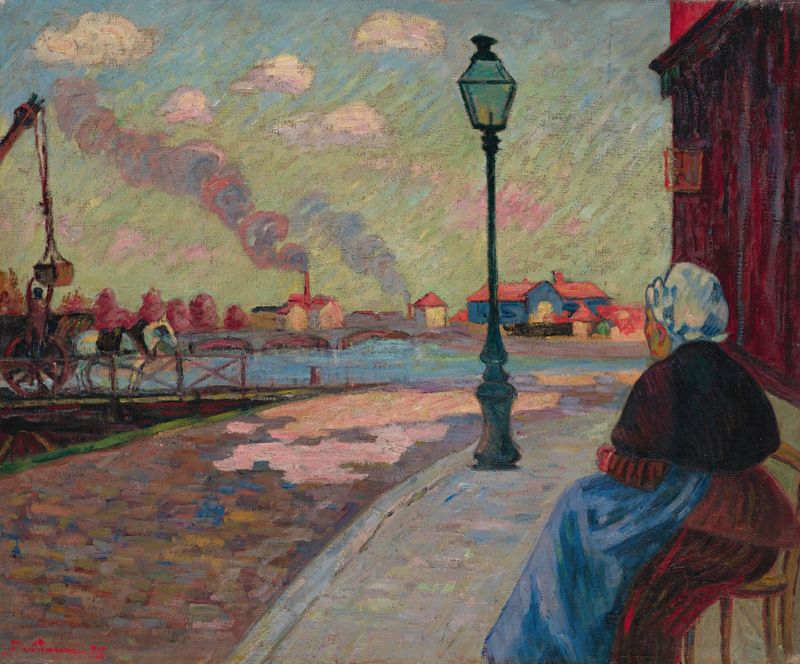
La Seine À Charenton
Armand Guillaumin
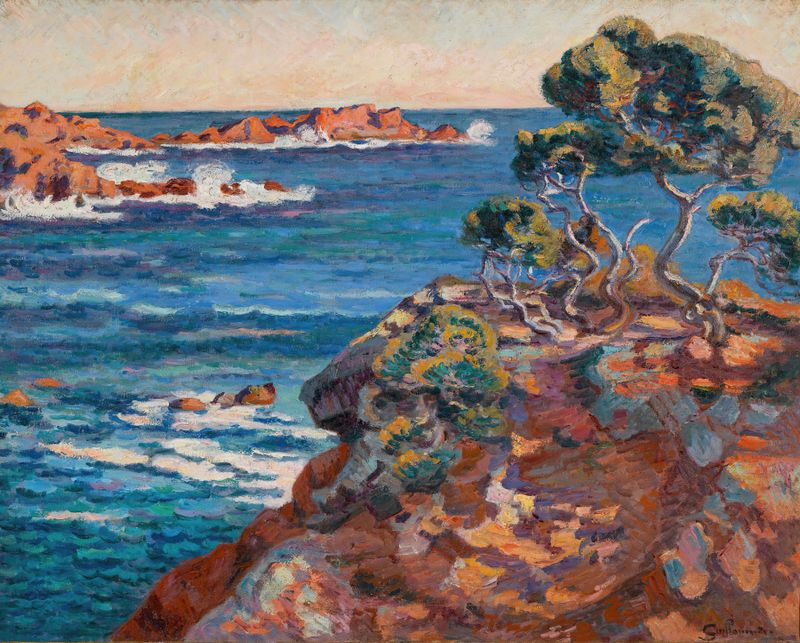
Bord De Mer À Agay
Armand Guillaumin
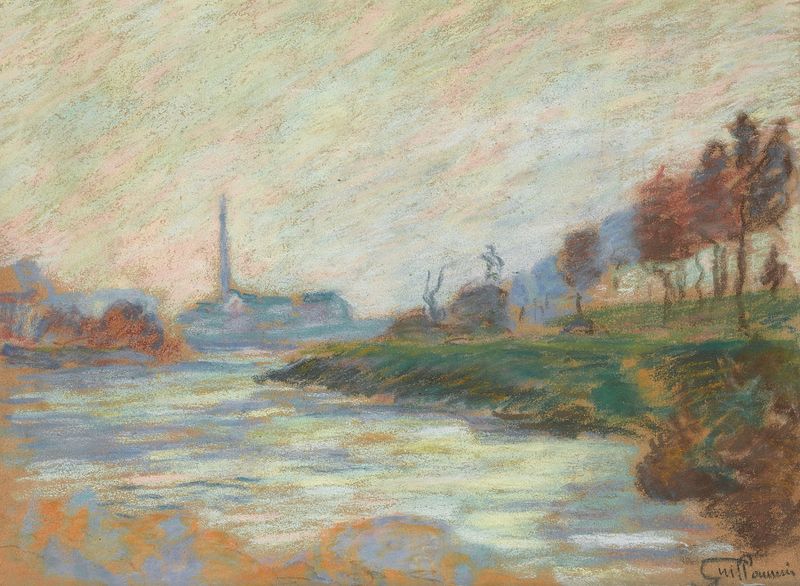
Confluent De La Marne Et De La Seine, Île De La France
Armand Guillaumin

Le Ravin de la folie, vue de Chateau Crozant
Armand Guillaumin
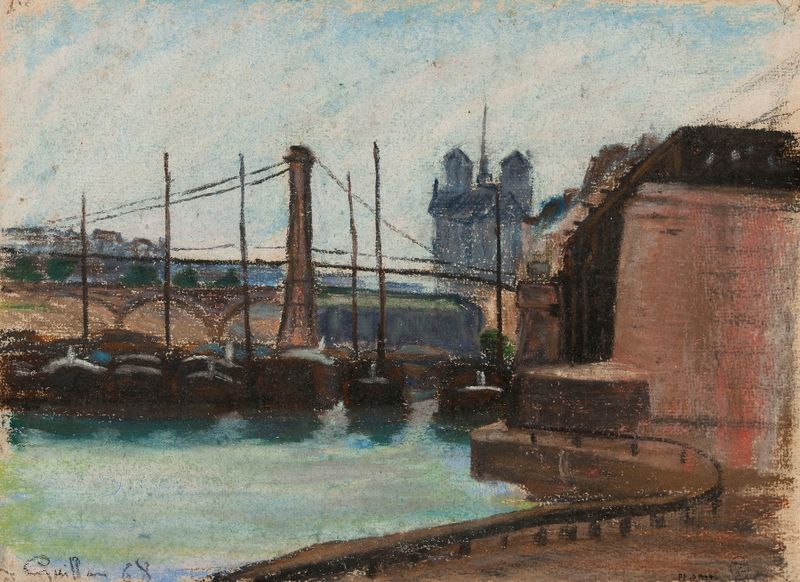
Le Pont d’Austerlitz
Armand Guillaumin

Paysage de Printemps
Armand Guillaumin
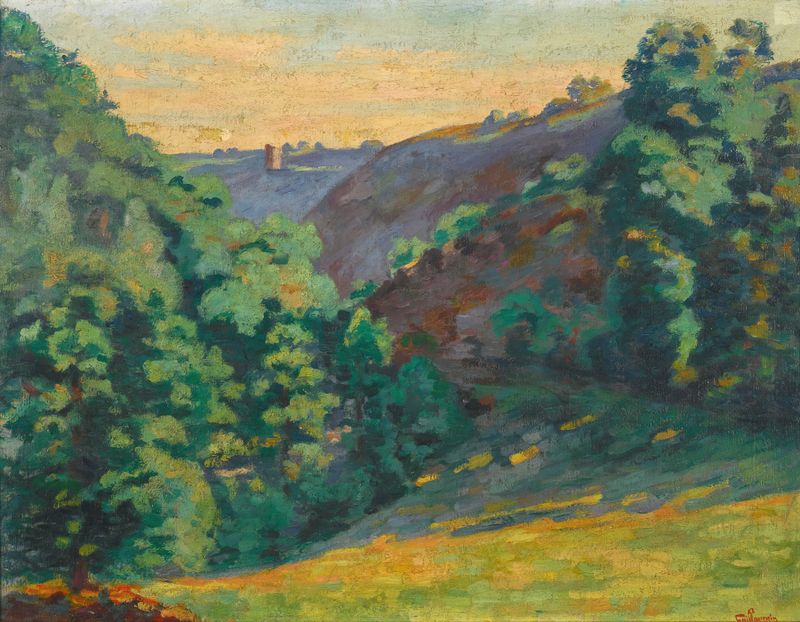
Crozant, Le Ravin De La Sedelle À La Folie
Armand Guillaumin
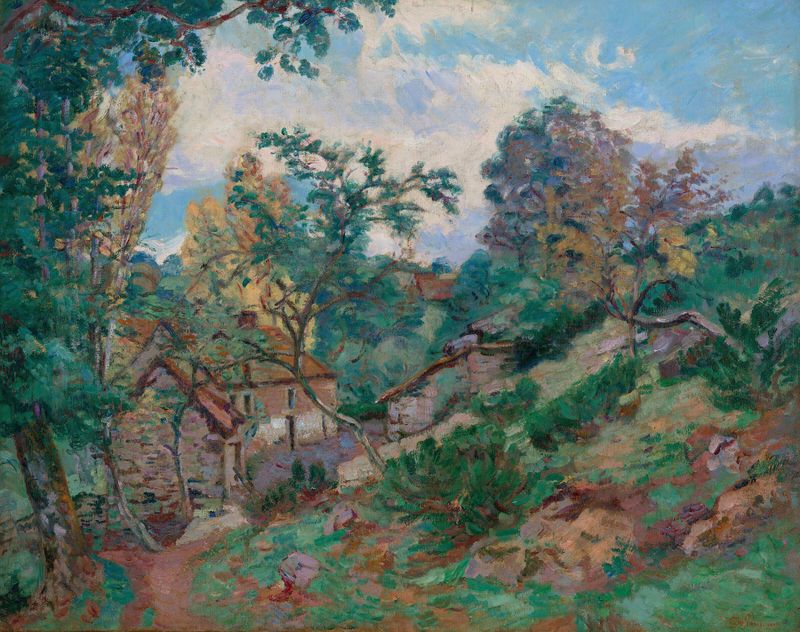
Paysage
Armand Guillaumin

La vallée de la creuse
Armand Guillaumin

L’Eglise Saint-Sulpice, Paris
Armand Guillaumin





