
Paysage De La Creuse — History & Facts
In the heart of nature, where the tumult of existence meets a tranquil landscape, lies an undeniable truth waiting to be discovered. Look to the foreground, where the vibrant greens of the grass dance in harmony with the delicate blues and whites of the sky. The brushstrokes are thick yet fluid, capturing the essence of a breezy afternoon. Notice the way the rolling hills undulate gently into the distance, creating a sense of movement that invites the viewer deeper into the scene.
The dappled light filters through the foliage, illuminating the play of shadow and sun, reflecting an emotional interplay that pulls us in. Within this seemingly peaceful landscape, hidden tensions emerge. The juxtaposition of the lively colors against the backdrop of an expansive sky suggests both freedom and isolation. The viewer might sense an inner struggle within the vibrant palette—an exploration of nature’s beauty that hints at the complexities of human emotion.
Each brushstroke tells a story of longing and connection, urging us to recognize the fragile balance between chaos and serenity. In 1895, Guillaumin painted this piece during a pivotal moment in the Impressionist movement. Living in France, he was surrounded by fellow artists who were redefining the boundaries of art. At this time, the world was witnessing profound social changes, and Guillaumin sought solace in nature, capturing its truth with his bold use of color and light.
This work stands as a testament to his journey and the evolving landscape of artistic expression.
More Artworks by Armand Guillaumin
Browse all →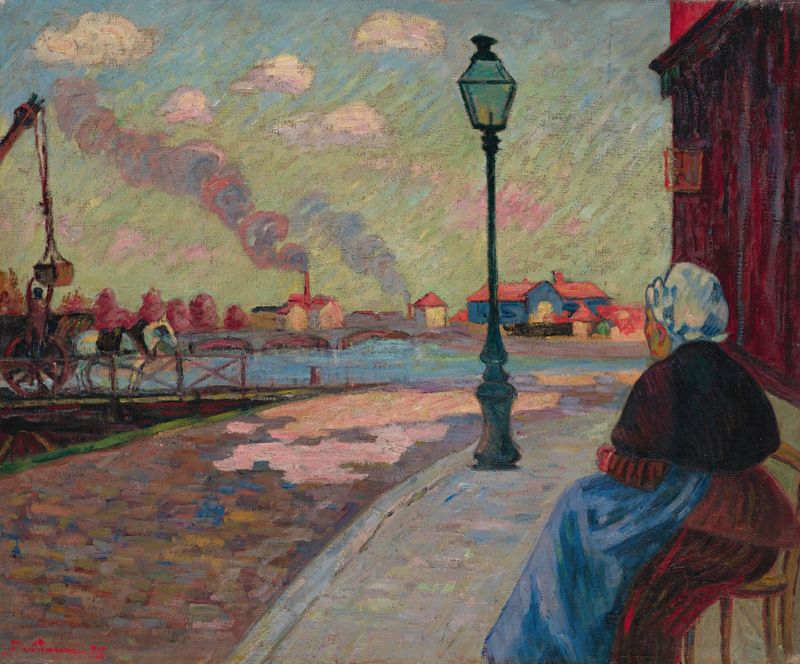
La Seine À Charenton
Armand Guillaumin
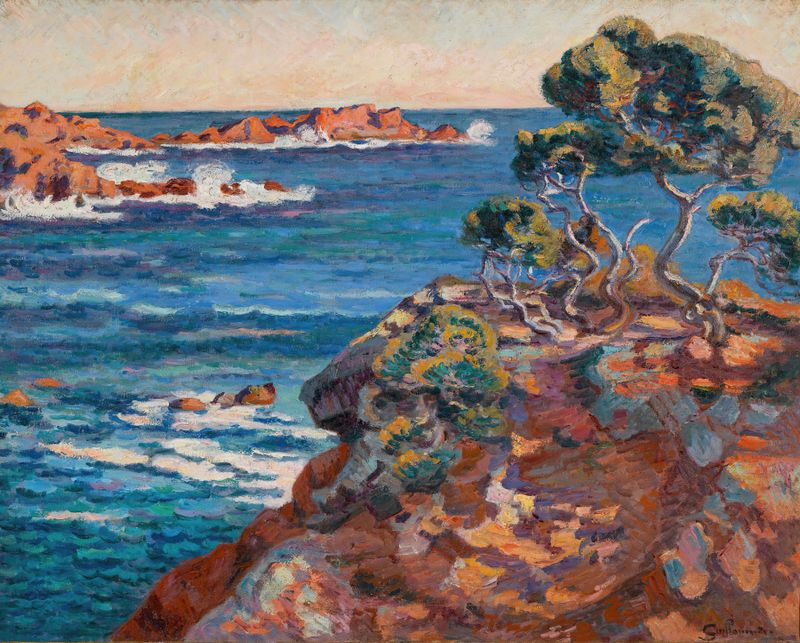
Bord De Mer À Agay
Armand Guillaumin
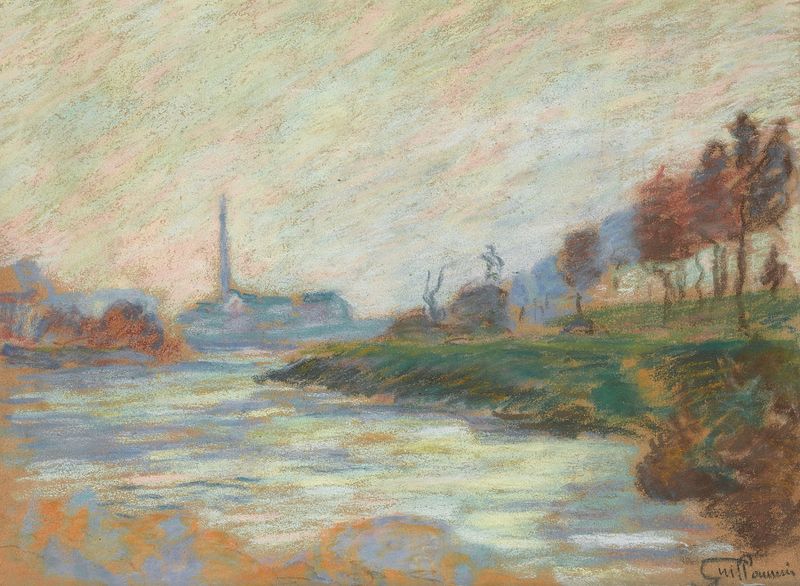
Confluent De La Marne Et De La Seine, Île De La France
Armand Guillaumin

Le Ravin de la folie, vue de Chateau Crozant
Armand Guillaumin
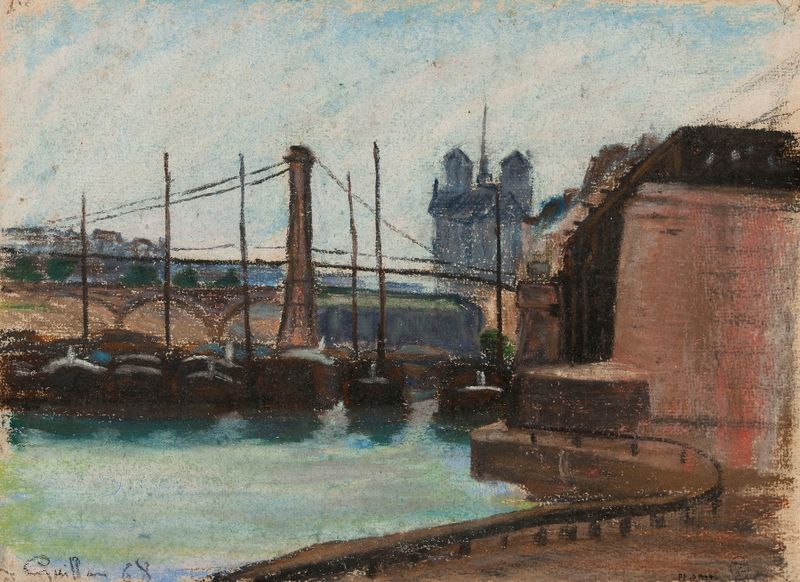
Le Pont d’Austerlitz
Armand Guillaumin

Paysage de Printemps
Armand Guillaumin
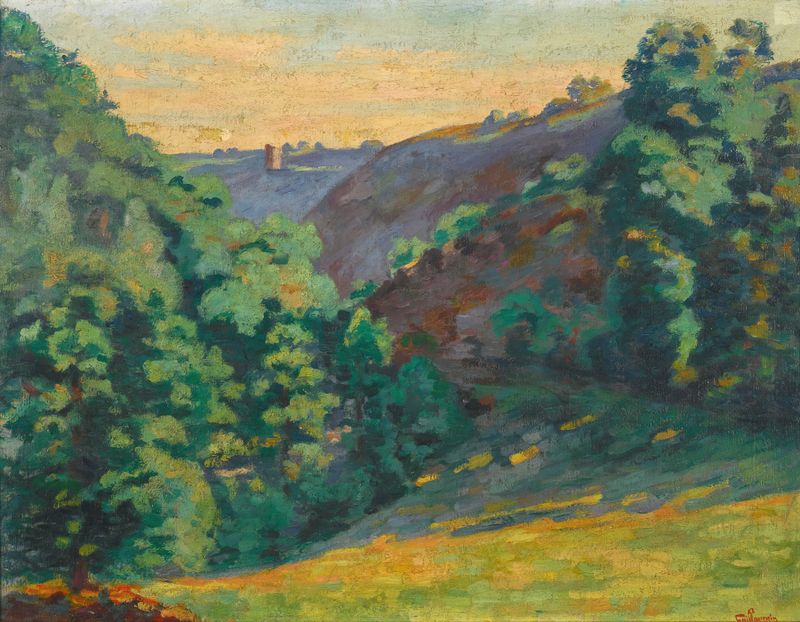
Crozant, Le Ravin De La Sedelle À La Folie
Armand Guillaumin
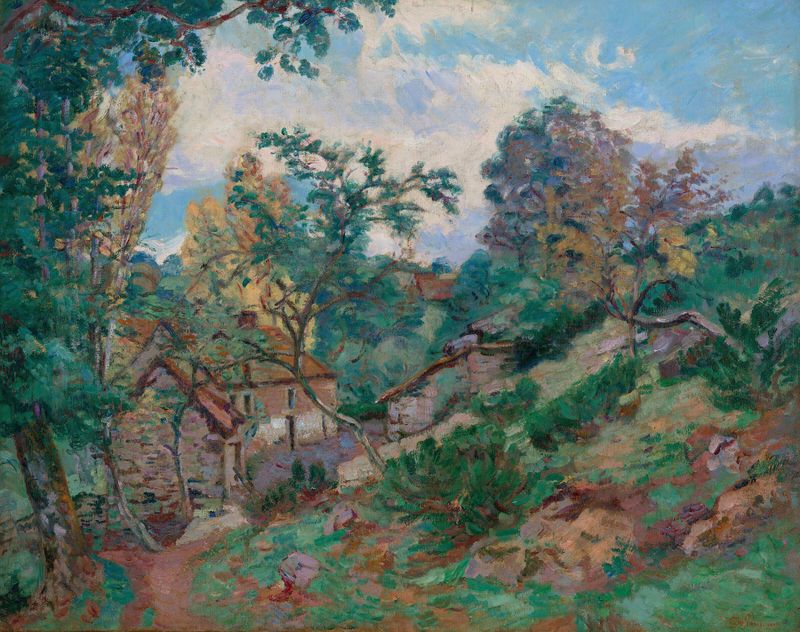
Paysage
Armand Guillaumin

La vallée de la creuse
Armand Guillaumin

L’Eglise Saint-Sulpice, Paris
Armand Guillaumin





