Paysage de Perros Gui — History & Facts
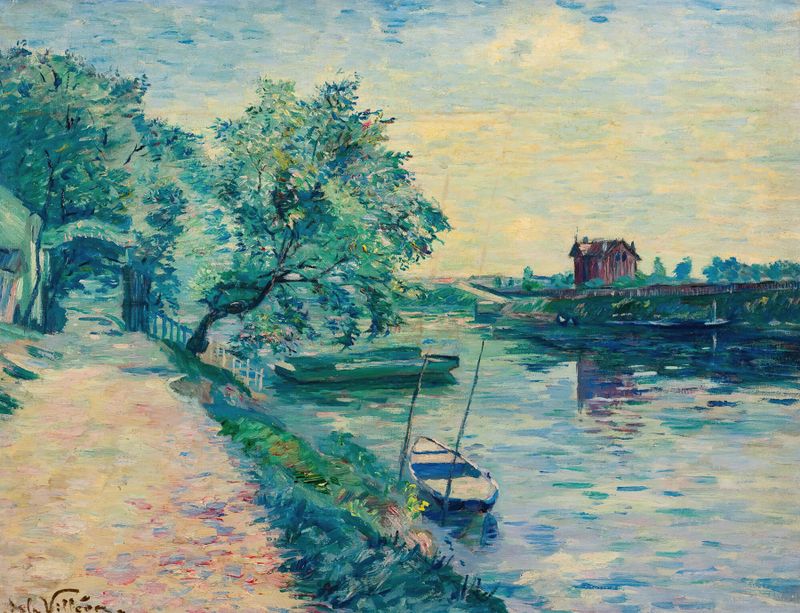
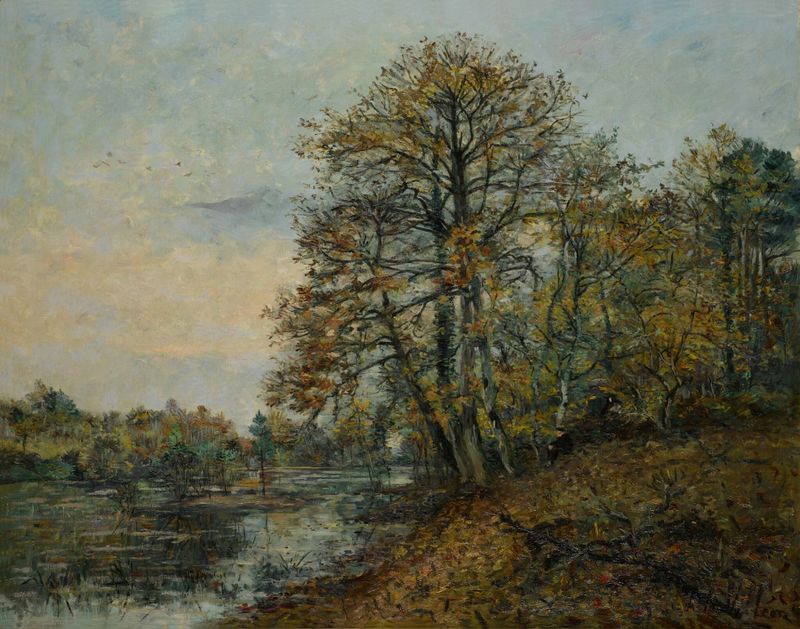
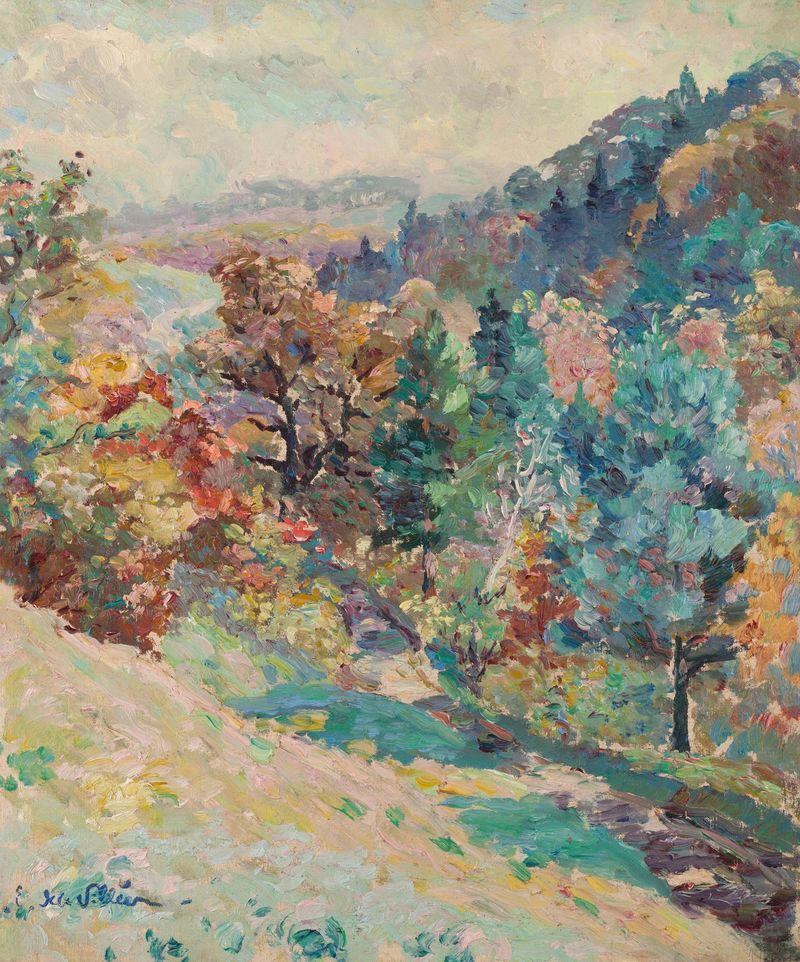
In the hushed tones of twilight, a scene unfolds where memory and melancholy intertwine, beckoning the viewer to reflect. The landscape whispers secrets of an era past, inviting contemplation of the transient nature of beauty. Look closely at the foreground, where the delicate brushstrokes delineate the rugged coastline, the waves gently lapping at the shore. Notice how the muted hues of blue and grey blend seamlessly, evoking a sense of nostalgia that pervades the canvas.
The soft light, filtering through the clouds, casts elongated shadows that stretch across the land, imbuing the scene with an ethereal quality, as if time itself has paused to take in the moment. In this artwork, contrasts emerge — between the solid earth and the ephemeral sea, between the vibrant past and the haunting present. The silhouettes of distant cliffs stand resolute, yet the gentle undulation of the waves suggests a persistent longing, a reminder of what is lost. The juxtaposition of the serene landscape against the turbulent emotions beneath prompts the viewer to reflect on their own relationship with memory and loss. Emmanuel de La Villéon painted Paysage de Perros Gui during a period marked by artistic experimentation in late 19th-century France.
The artist was deeply influenced by the Impressionist movement, which sought to capture fleeting moments in time. It was during this era of personal exploration and professional growth that he honed his ability to evoke emotion through landscape, bridging the gap between reality and the poignant echoes of memory.