La Guinguette Au Bord De La Seine — History & Facts
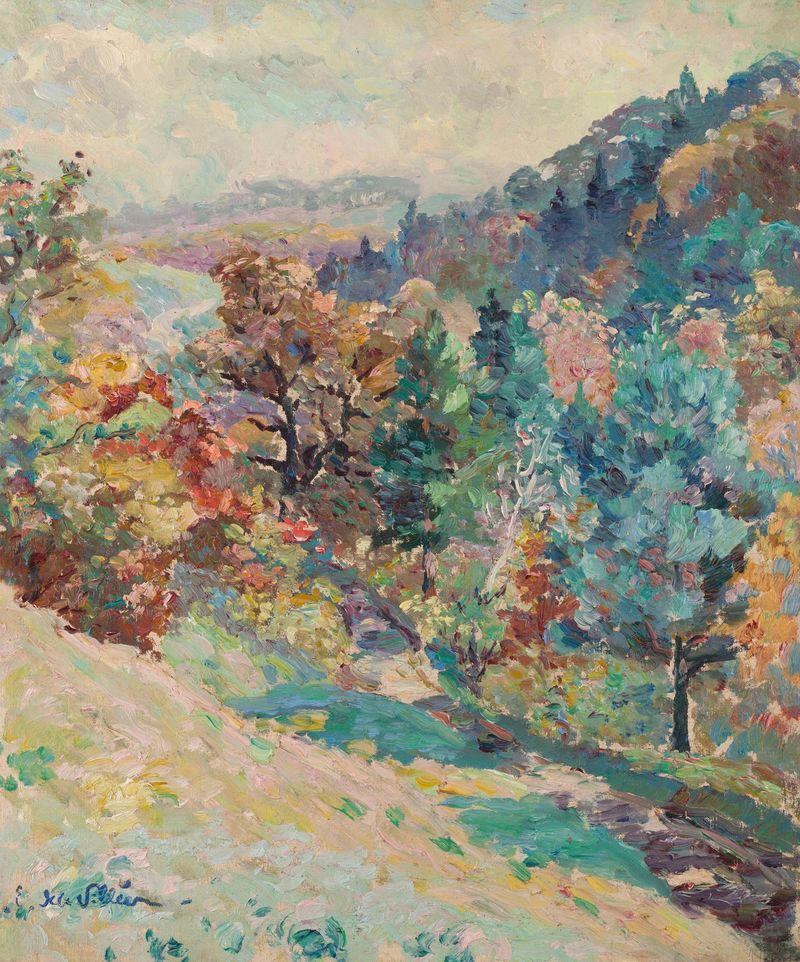
When did color learn to lie? In the vibrant embrace of a riverside gathering, hues dance with the light, revealing truths both divine and deceptive. Look to the left at the sun-drenched tents, where bright fabrics flutter against the backdrop of the flowing Seine. Notice how the warm palette of yellows and soft pinks contrasts sharply with the cool blues of the river, effectively drawing attention to the joyful yet transient nature of leisure. Each brushstroke captures the ebb and flow of the scene, from the lively figures animatedly engaged in conversation to the delicate reflections shimmering on the water’s surface. Beneath the surface of this seemingly idyllic moment lies a tension between reality and illusion.
The figures, though vibrant and relaxed, seem almost ethereal, as if caught between the mortal realm and something greater. The juxtaposition of the lively atmosphere against the quiet solitude of the flowing river suggests a deeper reflection on the fleeting nature of joy and existence itself, posing questions about the role of divinity in human experience. Emmanuel de La Villéon painted this work during a time of personal exploration and societal change in France, likely in the early 20th century. Though the exact date remains unknown, he was deeply influenced by the Impressionists, who championed color and light as means of expression.
During this period, La Villéon found himself involved in the vibrant artistic communities along the Seine, which likely inspired the themes of leisure and beauty manifested in this piece.