
Paysage D’ile De France — History & Facts
In the gentle embrace of nature, we find solace — yet the weight of existence often lingers just beneath the surface. It is this duality that the viewer discovers within the landscape before them. Look to the horizon, where the sun's golden hue spills across the fields, casting a warm glow on the undulating hills. The vibrant palette of yellows and greens draws the eye, while the brushstrokes appear both vigorous and tender.
Notice how the trees stand sentinel along the banks of a meandering river, their reflections shimmering like whispered secrets in the water. The composition invites a sense of movement, as if the landscape breathes and beckons, urging one to step into its embrace. Every element tells a story, echoing the tension between tranquility and restlessness. The bright patches of color suggest moments of hope, while shadows lurking in the folds of the terrain hint at underlying struggles or a lingering melancholy.
Each brushstroke conveys a pulse — a reminder that beauty is often interwoven with hardship, and nature ultimately offers both escape and reflection. In the early 1870s, Armand Guillaumin painted this work amid a burgeoning Impressionist movement in Paris, where he was finding his artistic voice. The era was marked by a shift towards capturing fleeting moments and the essence of light. Guillaumin, influenced by his contemporaries, was beginning to explore his unique approach to color, which would define much of his later work.
As he painted Paysage D’ile De France, he was not only capturing the landscape but also navigating his own path in a rapidly changing artistic world.
More Artworks by Armand Guillaumin
Browse all →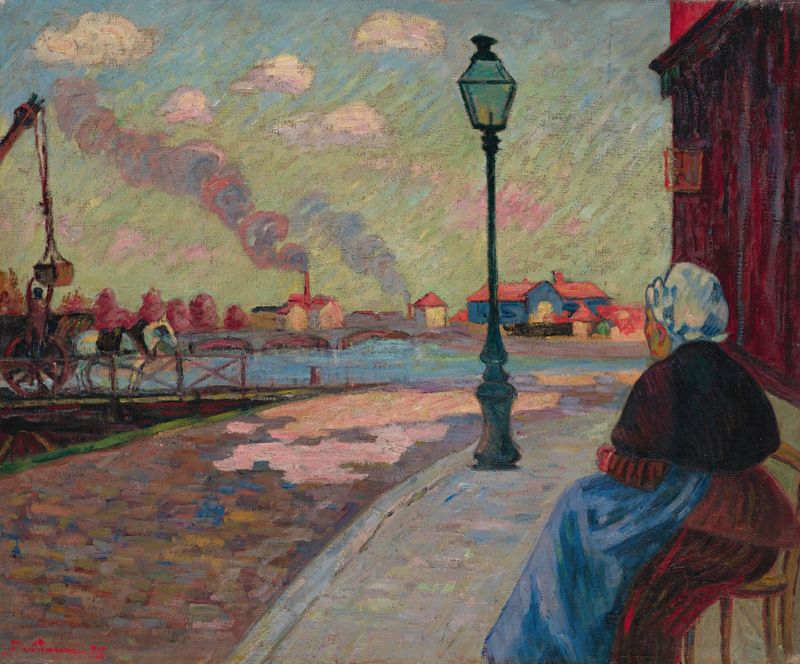
La Seine À Charenton
Armand Guillaumin
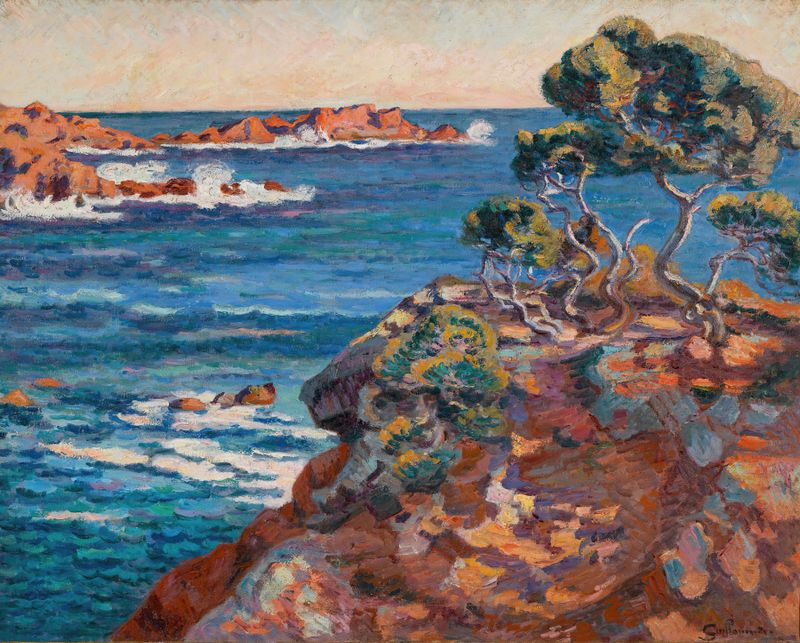
Bord De Mer À Agay
Armand Guillaumin
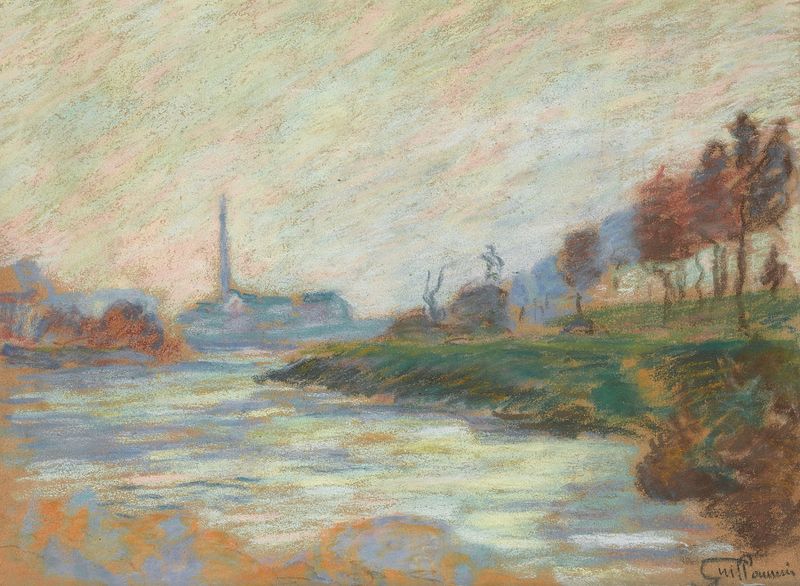
Confluent De La Marne Et De La Seine, Île De La France
Armand Guillaumin

Le Ravin de la folie, vue de Chateau Crozant
Armand Guillaumin
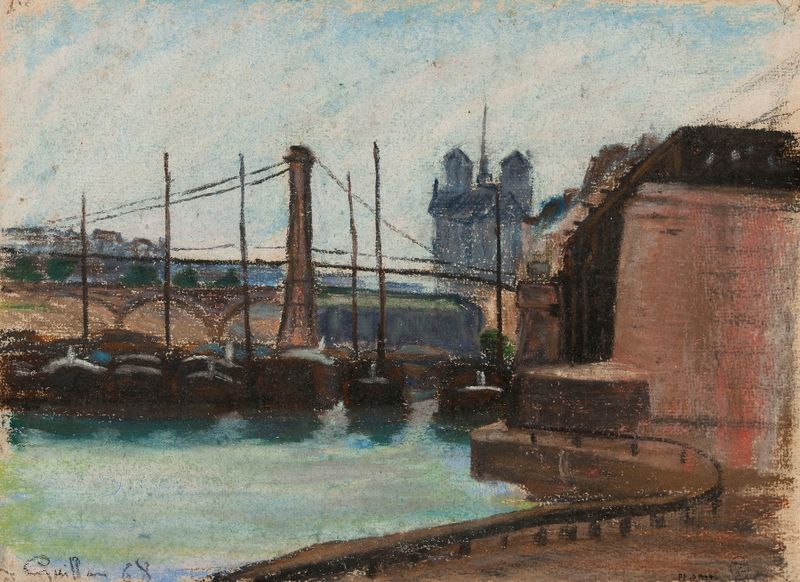
Le Pont d’Austerlitz
Armand Guillaumin

Paysage de Printemps
Armand Guillaumin
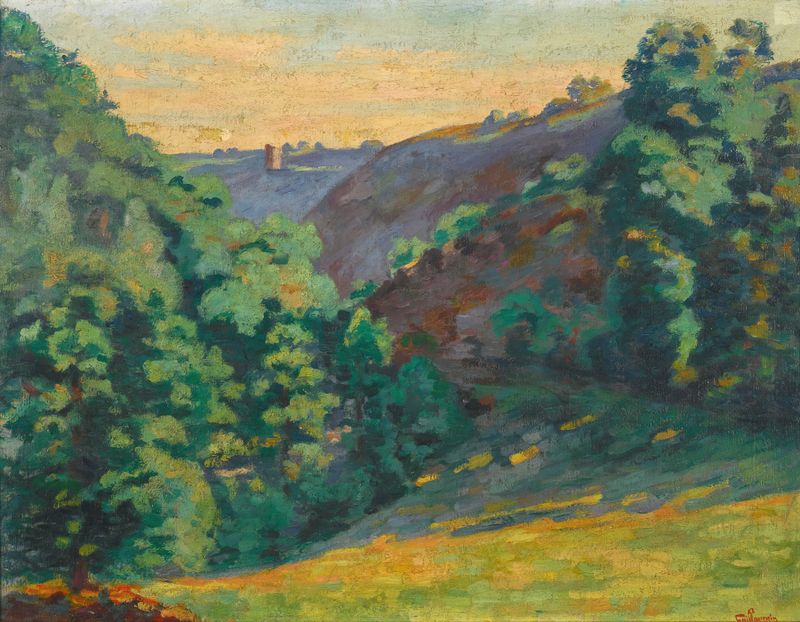
Crozant, Le Ravin De La Sedelle À La Folie
Armand Guillaumin
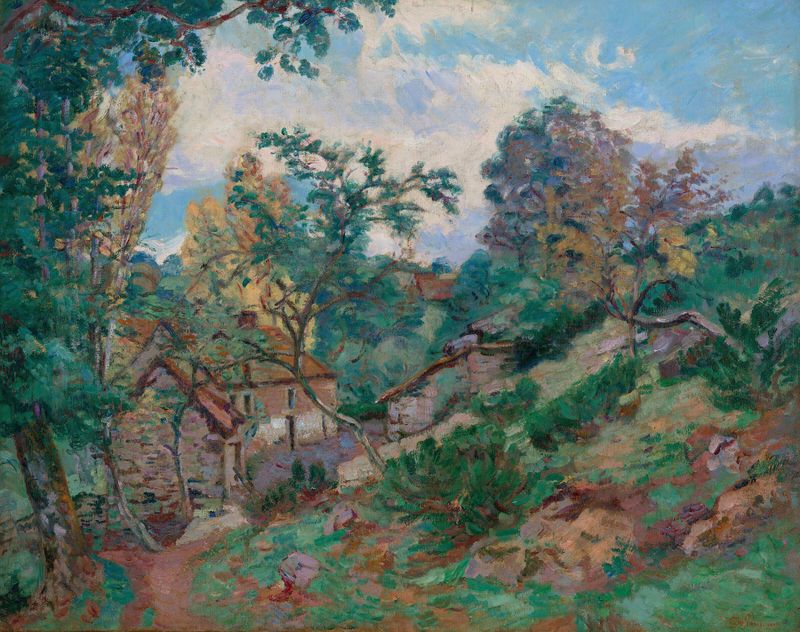
Paysage
Armand Guillaumin

La vallée de la creuse
Armand Guillaumin

L’Eglise Saint-Sulpice, Paris
Armand Guillaumin





