
Paysage en Île-de-France — History & Facts
In the stillness of Paysage en Île-de-France, yearning lingers like a soft breath, inviting us to pause and reflect. Look to the left at the gentle slope of the landscape, where verdant fields unfurl beneath a timid sky. The brushstrokes flow with a sense of movement, capturing the dappled light that dances across the canvas. Notice particularly how the warm tones of ochre and green play together, creating a sense of harmony that draws the eye toward the horizon, where distant trees stand like sentinels, framing the scene.
The composition is open and inviting, a testament to the artist's keen observation of nature's quiet beauty. In this piece, contrasts emerge between light and shadow, evoking a tension that speaks to both the abundance of the countryside and the solitude it can provoke. The ethereal sky, rich with soft blues and whites, looms above, hinting at an impending change—perhaps a brief rain or the arrival of twilight. This duality mirrors the emotions of longing and tranquility, as if the landscape itself is a place of refuge and reflection, yet also a reminder of life's transience. Guillaumin painted this landscape in 1876 while living in a period marked by burgeoning impressionism's celebration of light and color.
At this time, he was deeply influenced by the natural world surrounding Paris, where the advent of industrialization threatened the pastoral beauty he depicted. His portrayal of the Île-de-France countryside captures both a personal and collective yearning for a simpler, untainted existence, embodying the spirit of an era in artistic transition.
More Artworks by Armand Guillaumin
Browse all →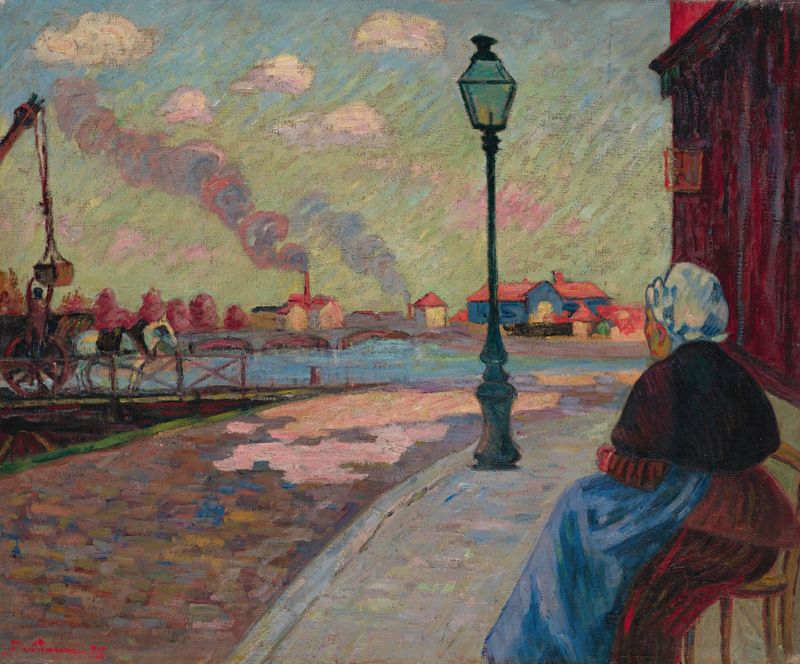
La Seine À Charenton
Armand Guillaumin
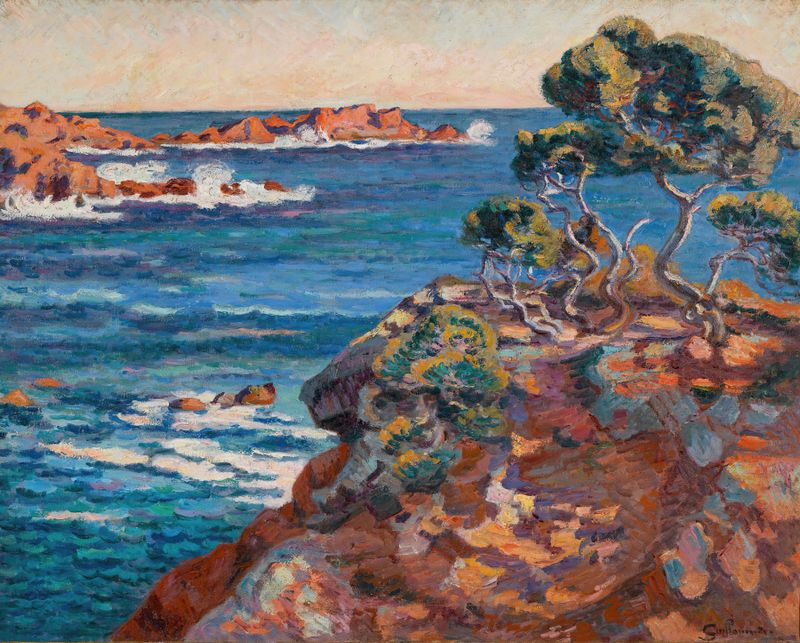
Bord De Mer À Agay
Armand Guillaumin
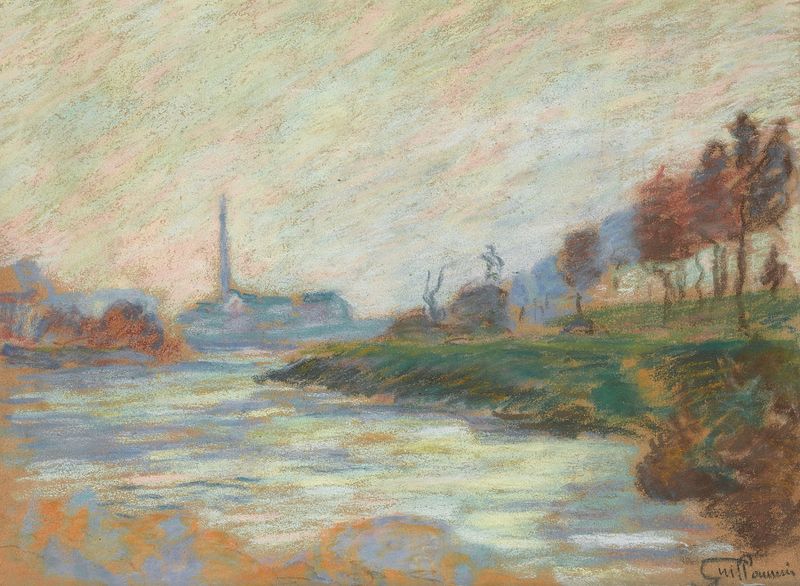
Confluent De La Marne Et De La Seine, Île De La France
Armand Guillaumin

Le Ravin de la folie, vue de Chateau Crozant
Armand Guillaumin
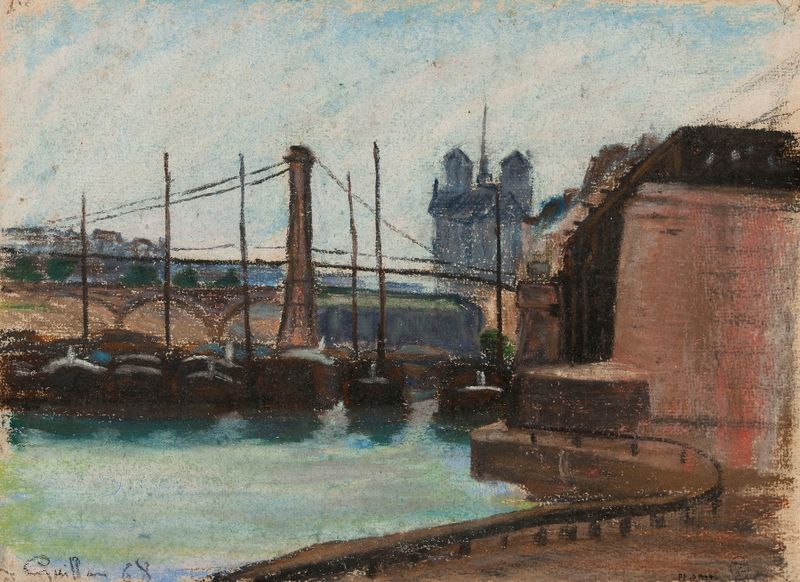
Le Pont d’Austerlitz
Armand Guillaumin

Paysage de Printemps
Armand Guillaumin
Crozant, Le Ravin De La Sedelle À La Folie
Armand Guillaumin
Paysage
Armand Guillaumin

La vallée de la creuse
Armand Guillaumin

L’Eglise Saint-Sulpice, Paris
Armand Guillaumin





