
Pear-shaped ewer with a scholar and attendant in a fenced garden, floral scrolls and tulip motif — History & Facts
In a serene garden encased by weathered wooden fences, a scholar poised with contemplative grace sits beneath a soft canopy of leaves. His fingers gently caress the smooth surface of a pear-shaped ewer, the sunlight glinting off its elegant curves, while an attentive servant stands nearby, eyes lowered but reverent. This moment is imbued with a quiet tension; the air hums with unspoken thoughts and the weight of knowledge, as nature wraps around them like a tender embrace. Look to the left at the intricate floral scrolls that dance across the ewer’s surface, connecting the scholar’s world with the vibrant life around him.
Notice how the colors—rich greens, warm golden tones, and bursts of tulip reds—interplay to create a harmonious yet somber atmosphere. The composition is carefully balanced, with the figures grounded against the lush backdrop, inviting the viewer to delve deeper into this intimate exchange between man and nature. Beneath the serene exterior lies a poignant exploration of emptiness and connection. The scholar's stillness juxtaposes the servant's quiet service, hinting at a hierarchy steeped in historical context.
The ewer, while a symbol of knowledge and culture, also represents the void of solitude that accompanies wisdom—an emptiness filled only by the companionship of another, yet marked by a distance that can never truly be bridged. Crafted between 1635 and 1650, this artwork emerges from an era when the interplay of art and intellectual thought flourished, especially in the Netherlands. The artist, though unknown, reflects the burgeoning interest in genre scenes that captured the subtleties of everyday life. Amidst a world rife with change, this tranquil moment encapsulates the beauty and isolation inherent in the pursuit of knowledge, resonating with viewers across centuries.
More Artworks by Unknown Artist
Browse all →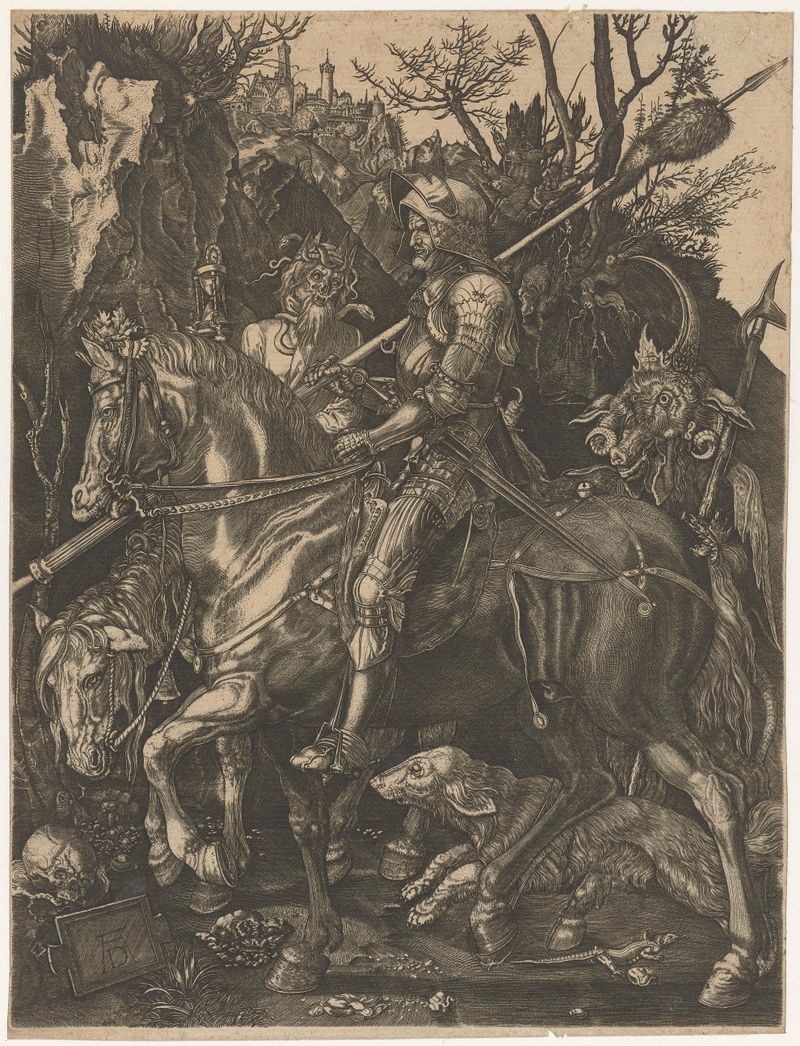
Ridder, Dood en Duivel
Unknown Artist
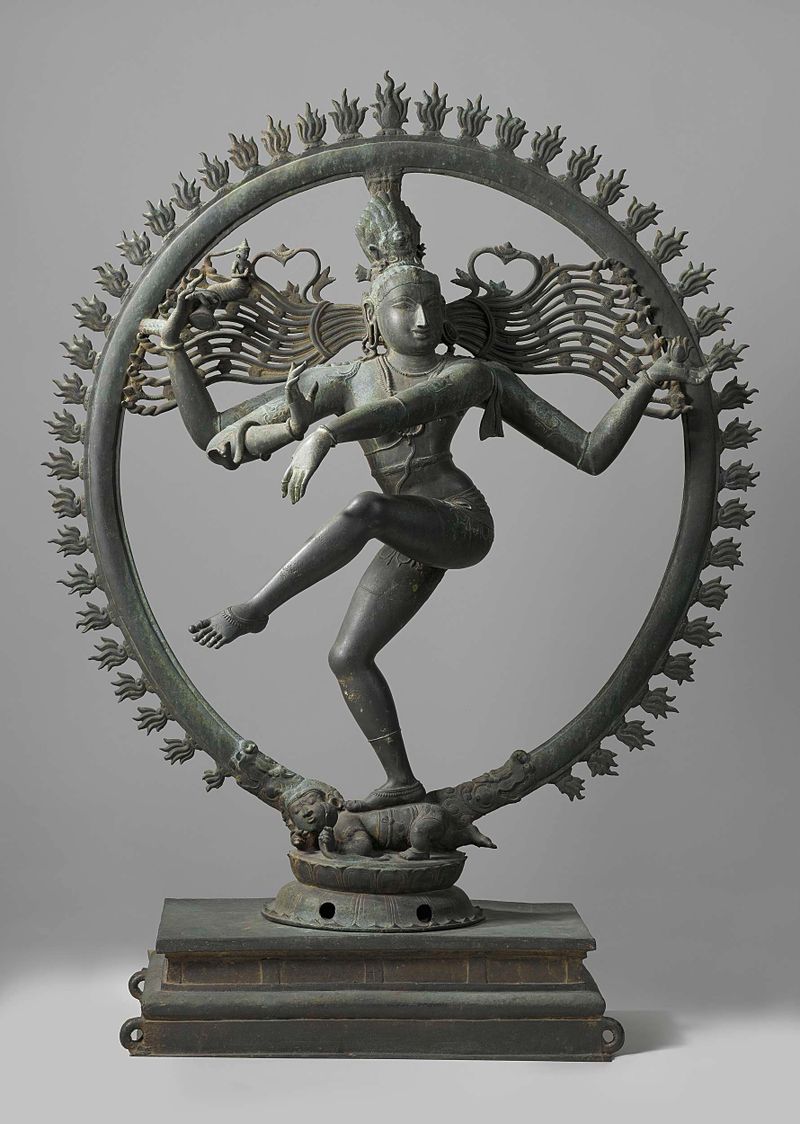
Shiva Nataraja
Unknown Artist
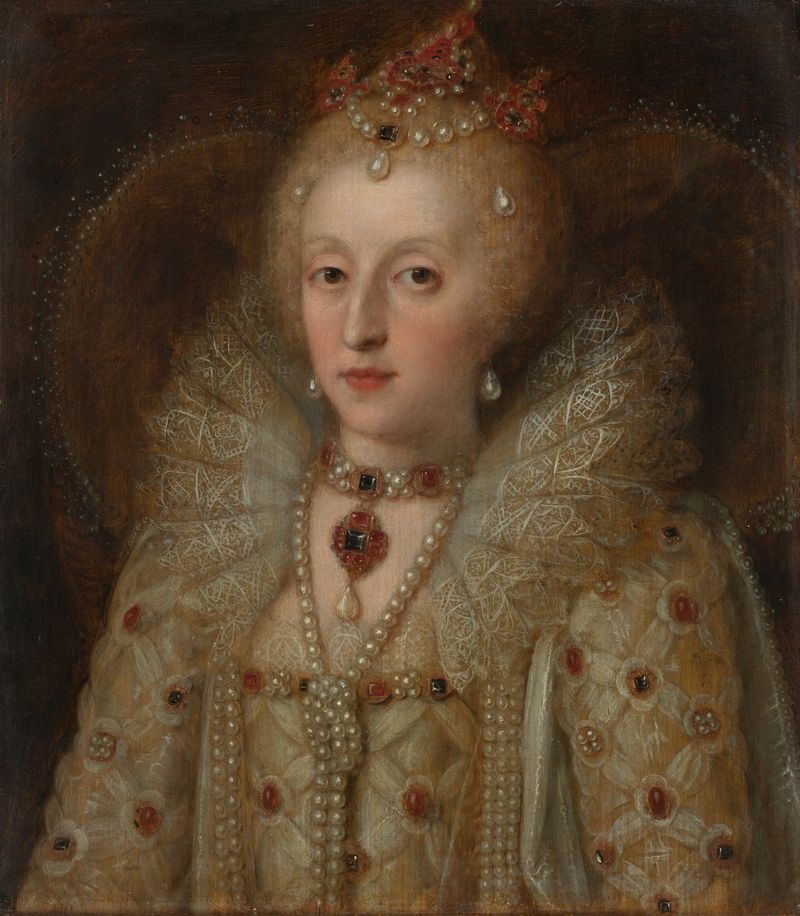
Portrait of Elizabeth I, Queen of England
Unknown Artist
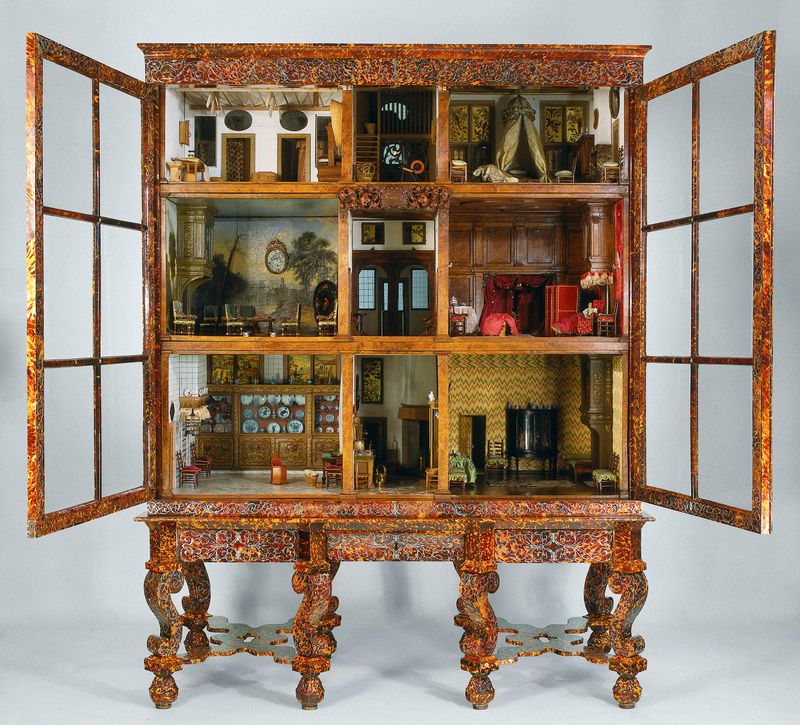
Dolls’ house of Petronella Oortman
Unknown Artist
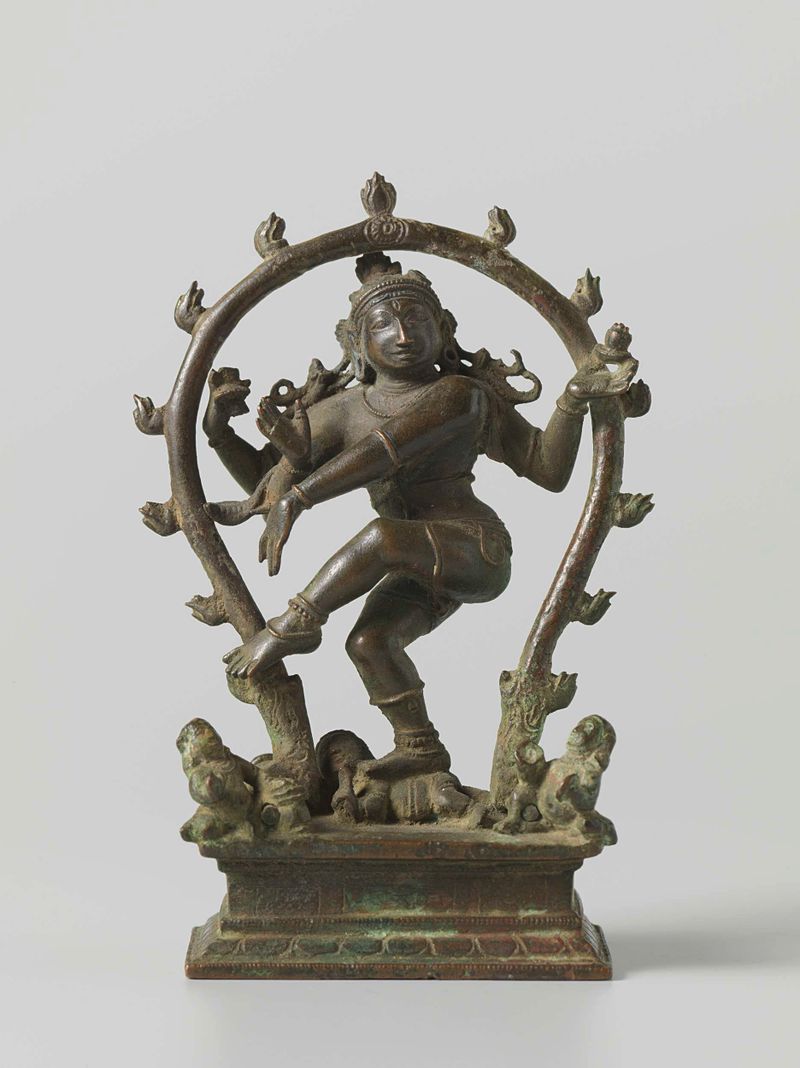
Shiva Nataraja
Unknown Artist

The Tale of Genji
Unknown Artist

The Tale of Genji
Unknown Artist

Cong
Unknown Artist
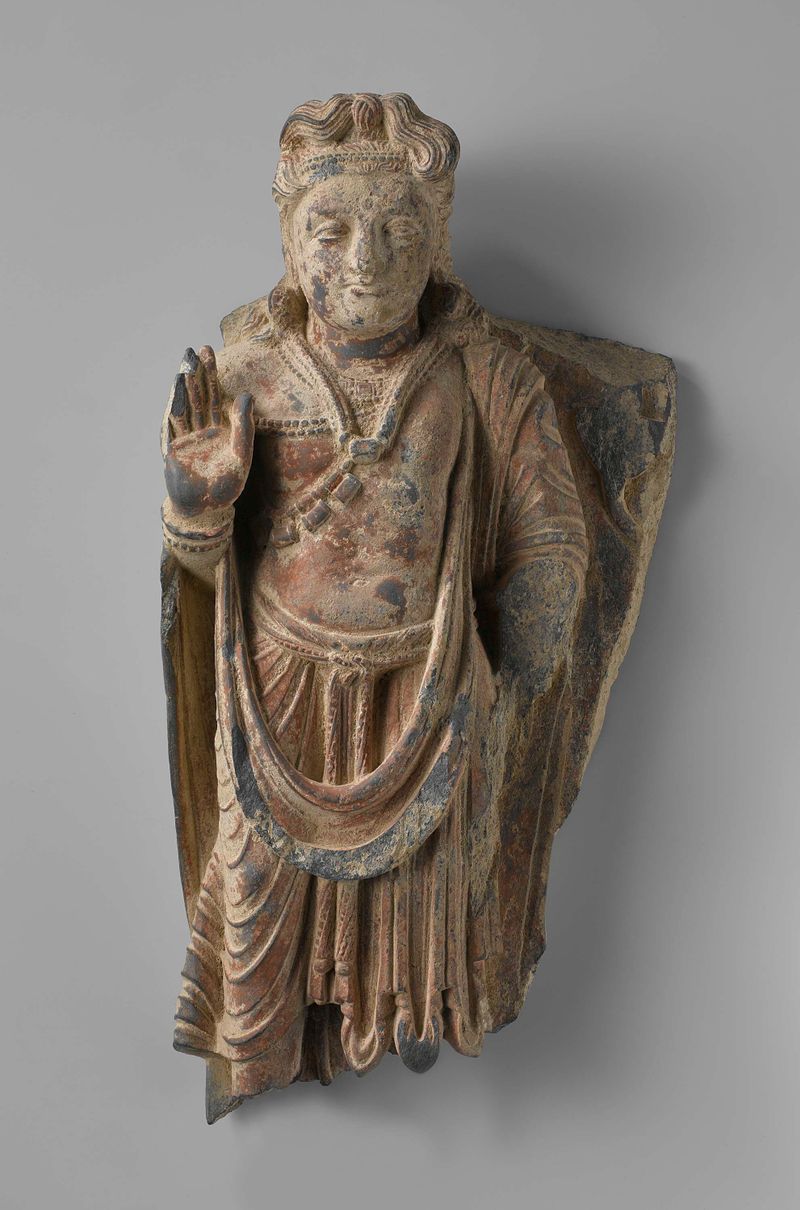
The bodhisattva Maitreya
Unknown Artist

Teabowl with a 'hare's fur' glaze
Unknown Artist





