
Peasant with his hands behind his back — History & Facts
With each glance at this piece, the profound yearning of existence resonates deeply within us. Here, we find ourselves drawn into a moment suspended in time, where the weight of life’s burdens is palpable. Look to the center of the canvas, where a peasant stands with his hands clasped behind his back, embodying both stillness and contemplation. The earthy tones of ochre and brown envelop him, suggesting a life lived in labor and patience.
His weathered face, illuminated by a soft but deliberate light, reveals a tapestry of stories etched into his skin, while the shadows whisper of the hardships he endures. The subtle play of light and dark not only highlights the texture of his clothing but also conveys a sense of introspection, inviting the viewer to pause and reflect. Beneath the surface, there are layers of emotional tension that speak to the universal human experience. The act of standing with hands behind his back can evoke feelings of submission, resignation, or even quiet dignity against the backdrop of a harsh world.
It begs the question: what dreams and desires remain unspoken? The contrast between his sturdy posture and the vulnerability in his gaze creates a poignant dialogue about hope and despair, illuminating the complexity of his existence. In 1629, Rembrandt was establishing his reputation in Amsterdam, navigating the bustling art scene while grappling with personal challenges. His work during this period reflected a profound interest in capturing the subtleties of human emotion and character, setting a new standard for portraiture. The intimate connection between the viewer and the subject in Peasant with his hands behind his back marks a pivotal moment in art history, showcasing the artist’s evolving mastery and empathy for the human condition.
More Artworks by Rembrandt van Rijn
Browse all →
The Night Watch Militia Company of District II under the Command of Captain Frans Banninck Cocq
Rembrandt van Rijn

The Return of the Prodigal Son
Rembrandt van Rijn

The Hundred Guilder Print: the figures leaning on the wall in the centre left
Rembrandt van Rijn

The Hundred Guilder Print: the central piece with Christ preaching, the plate arched
Rembrandt van Rijn

Isaac and Rebecca, Known as ‘The Jewish Bride’
Rembrandt van Rijn
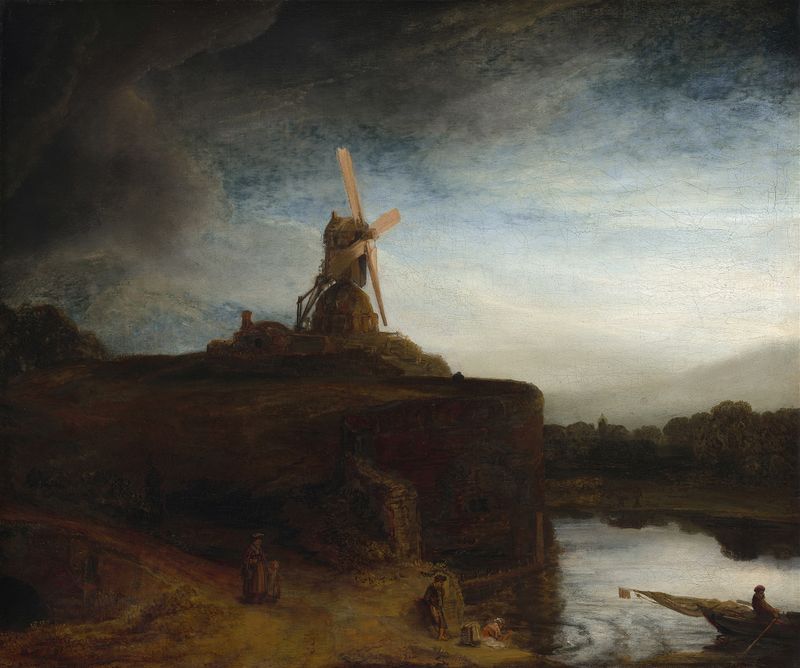
The Mill
Rembrandt van Rijn

The Sampling Officials of the Amsterdam Drapers’ Guild, Known as ‘The Syndics’
Rembrandt van Rijn

The return of the prodigal son
Rembrandt van Rijn
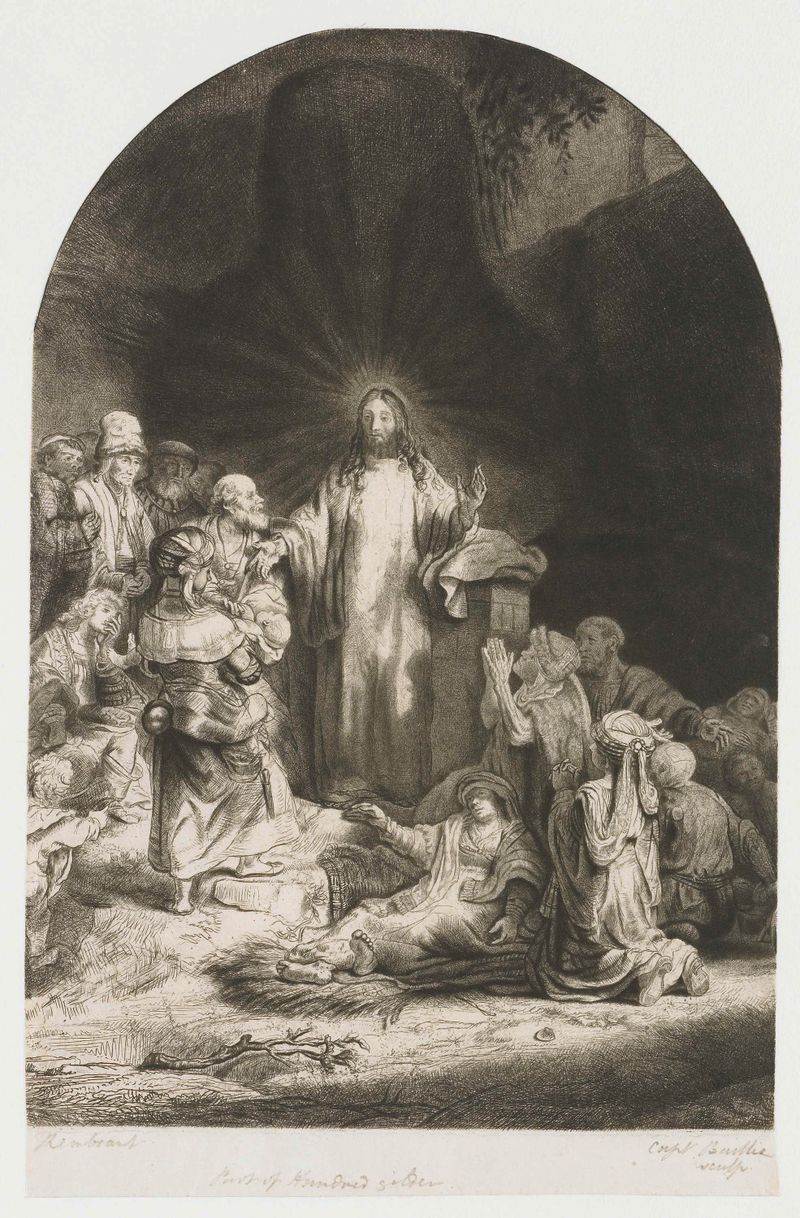
The Hundred Guilder Print: the central piece with Christ preaching, the plate arched
Rembrandt van Rijn

The Hundred Guilder Print: the man seen on the back in the lower left corner
Rembrandt van Rijn
More Portrait Art
Browse all →
Las meninas
Diego Velázquez

Self-portrait with a Bandaged Ear and Pipe
Unidentified artist

Girl with a Pearl Earring
Johannes Vermeer
The Sampling Officials of the Amsterdam Drapers’ Guild, Known as ‘The Syndics’
Rembrandt van Rijn
The Hundred Guilder Print: the man seen on the back in the lower left corner
Rembrandt van Rijn

Portrait of Dr Gachet
Vincent van Gogh