
Peasant with his hands behind his back — History & Facts
In the stillness of an artist’s gaze, an entire world of grief unfolds, waiting to be acknowledged. Look to the left at the figure of the peasant, his hands clasped tightly behind his back, suggesting a weight of burden or unspoken sorrow. The earthy palette of browns and ochres envelops him, grounding the composition in a reality that feels both intimate and unyielding. Notice how the light gently caresses his weathered face, illuminating the deep lines that tell stories of toil and resilience, while shadows play across the background, hinting at the unknown struggles that lurk just beyond the frame. In this piece, the contrast between light and dark serves as a metaphor for the duality of existence—hope intertwined with sorrow.
The peasant’s posture, a blend of submission and quiet strength, echoes the unvoiced tensions within the human experience. Each brushstroke carries the weight of a narrative filled with loss, yet there is an undeniable dignity in his stance, suggesting that even in grief, there exists a profound humanity. Created during a period when the artist was still establishing his reputation in Amsterdam, this work reflects the socio-economic struggles of the time. Painted in 1629, it coincides with the flourishing of Dutch realism, where artists sought to capture the essence of everyday life.
Rembrandt was grappling with his own early successes amid the chaotic backdrop of a society in transition, mirroring the profound sense of identity crises faced by individuals like the peasant portrayed.
More Artworks by Rembrandt van Rijn
Browse all →
The Night Watch Militia Company of District II under the Command of Captain Frans Banninck Cocq
Rembrandt van Rijn

The Return of the Prodigal Son
Rembrandt van Rijn

The Hundred Guilder Print: the figures leaning on the wall in the centre left
Rembrandt van Rijn

The Hundred Guilder Print: the central piece with Christ preaching, the plate arched
Rembrandt van Rijn

Isaac and Rebecca, Known as ‘The Jewish Bride’
Rembrandt van Rijn
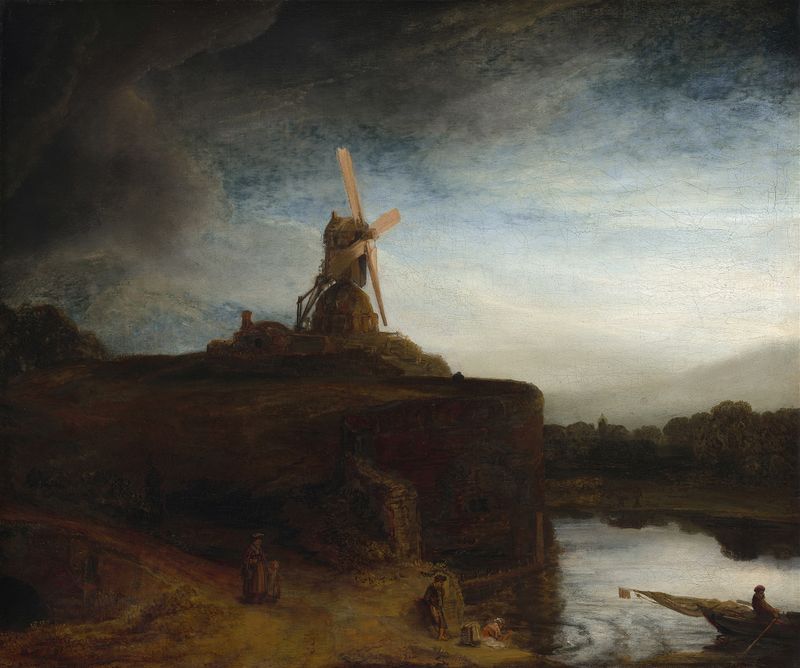
The Mill
Rembrandt van Rijn

The Sampling Officials of the Amsterdam Drapers’ Guild, Known as ‘The Syndics’
Rembrandt van Rijn

The return of the prodigal son
Rembrandt van Rijn
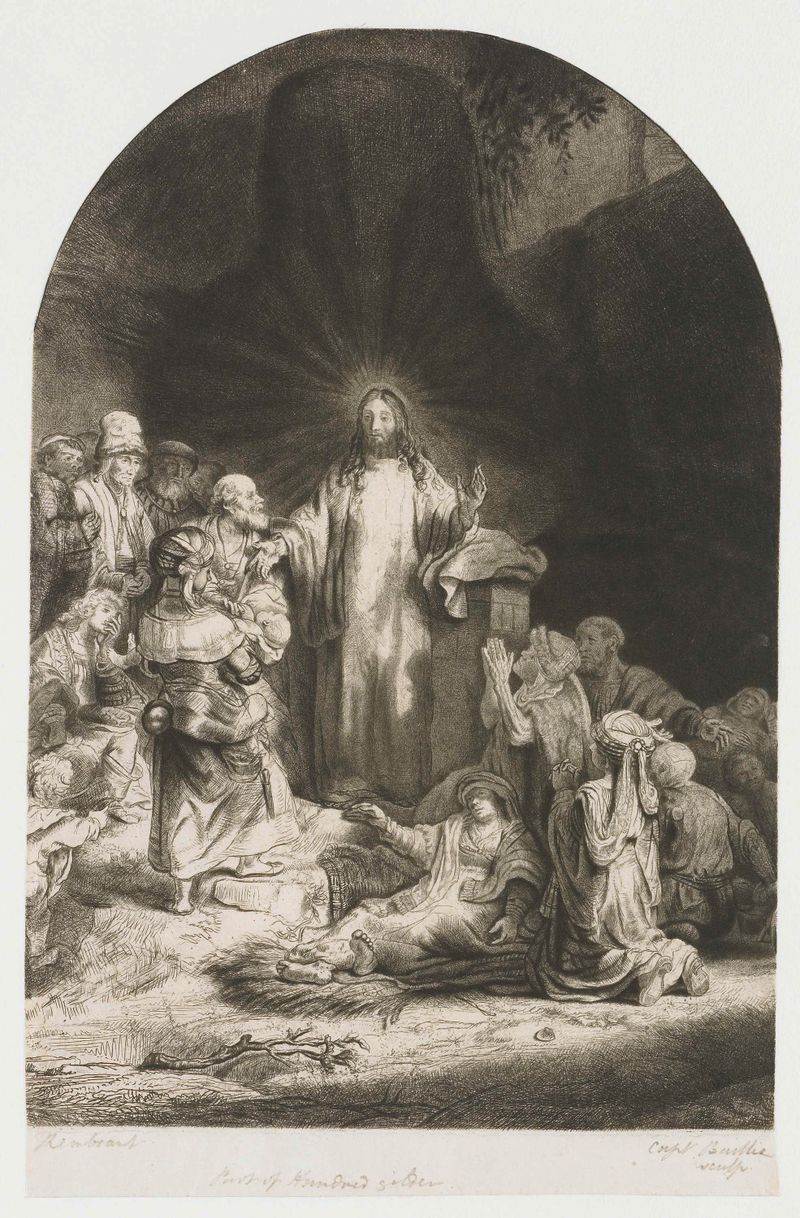
The Hundred Guilder Print: the central piece with Christ preaching, the plate arched
Rembrandt van Rijn

The Hundred Guilder Print: the man seen on the back in the lower left corner
Rembrandt van Rijn
More Portrait Art
Browse all →
Las meninas
Diego Velázquez

Self-portrait with a Bandaged Ear and Pipe
Unidentified artist

Girl with a Pearl Earring
Johannes Vermeer
The Sampling Officials of the Amsterdam Drapers’ Guild, Known as ‘The Syndics’
Rembrandt van Rijn
The Hundred Guilder Print: the man seen on the back in the lower left corner
Rembrandt van Rijn

Portrait of Dr Gachet
Vincent van Gogh