
Pedro the typograph — History & Facts
When Pedro the typograph was first exhibited in Paris in 1909, it marked one of the earliest surviving portraits by Amedeo Modigliani, painted just after his arrival in the city that would shape his art. The sitter’s identity—Pedro, a typographer—remains one of the few securely documented models from Modigliani’s early years, a period when he struggled with poverty and illness but forged deep connections with the city’s working class. This painting stands out for capturing a craftsman, not an aristocrat or artist, at a time when Modigliani was still searching for his own artistic voice.
Scholars have noted that the work reveals Modigliani’s fascination with the dignity of labor, a theme rarely seen in his later, more stylized portraits. Pedro sits at a simple table, his hands resting on a stack of papers, eyes fixed on the viewer with a mixture of fatigue and pride. The artist chooses a moment of pause—perhaps after a long day at the press—when the tools of Pedro’s trade, scattered across the tabletop, become symbols of his identity. The muted palette and gentle modeling of the face recall the influence of Paul Cézanne, whom Modigliani admired, but the elongated neck and searching gaze anticipate the signature style he would later develop.
Unlike the grand, heroic depictions of workers by Jean-François Millet, Modigliani’s Pedro is intimate and unadorned, the background pared down to focus all attention on the sitter’s presence. The physical history of Pedro the typograph is less documented than many of Modigliani’s later works. Its medium remains uncertain, though it is likely oil on canvas, in line with his other portraits of the period. The painting passed through private hands in Paris before surfacing in several early 20th-century exhibitions, where it drew attention for its honest portrayal of a humble subject.
Today, it is recognized as a rare window into Modigliani’s formative years, bridging his Italian roots and his Parisian transformation, and it remains a touchstone for understanding his early engagement with everyday life and the people who shaped it.
More Artworks by Amedeo Modigliani
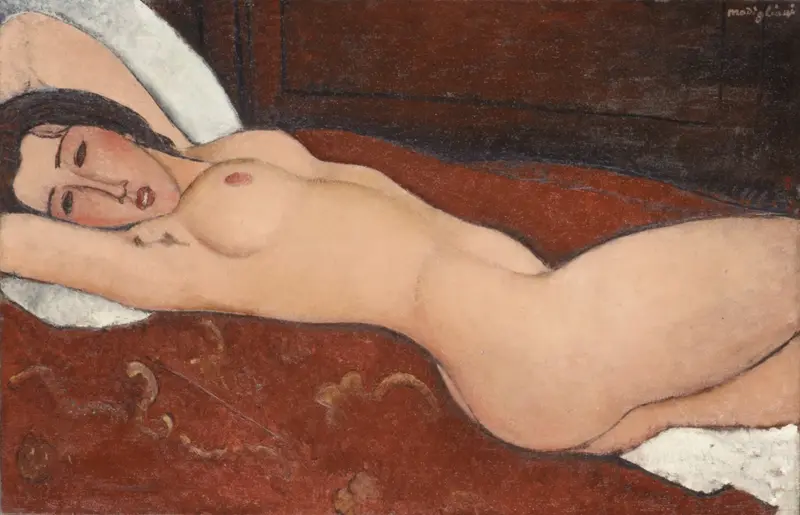
Reclining Nude
Amedeo Modigliani

Portrait Of Jeanne Hébuterne
Amedeo Modigliani

Jeanne Hébuterne
Amedeo Modigliani
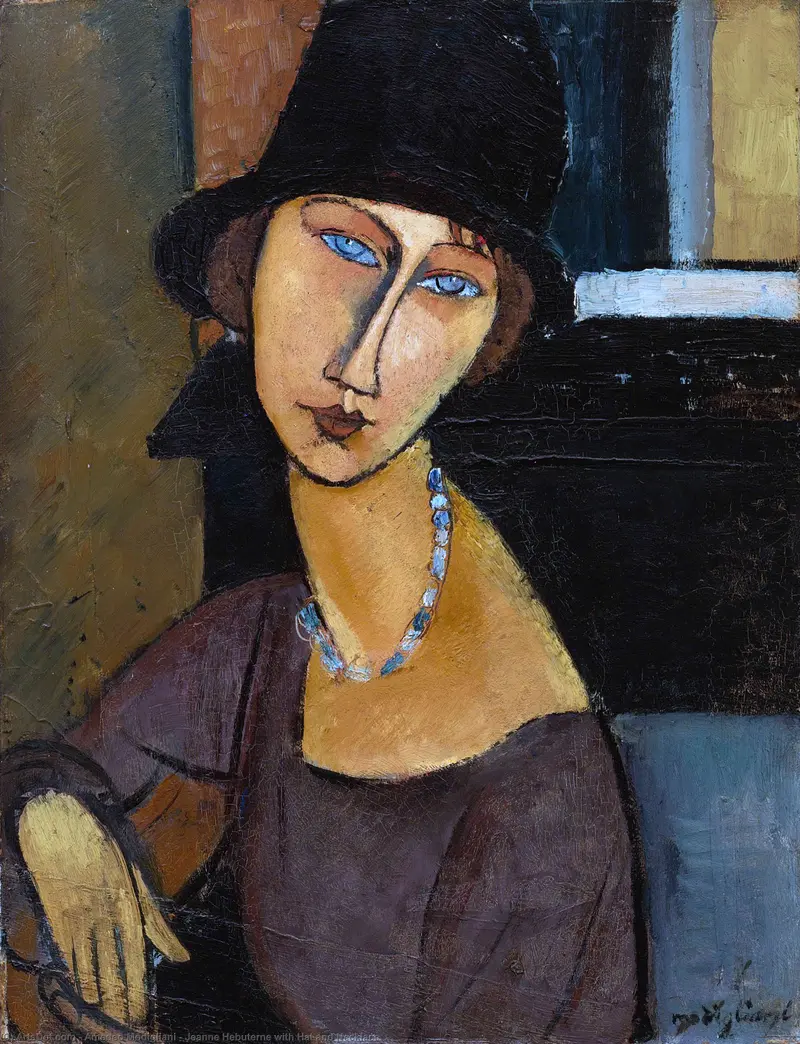
Jeanne Hébuterne with Hat and Necklace
Amedeo Modigliani
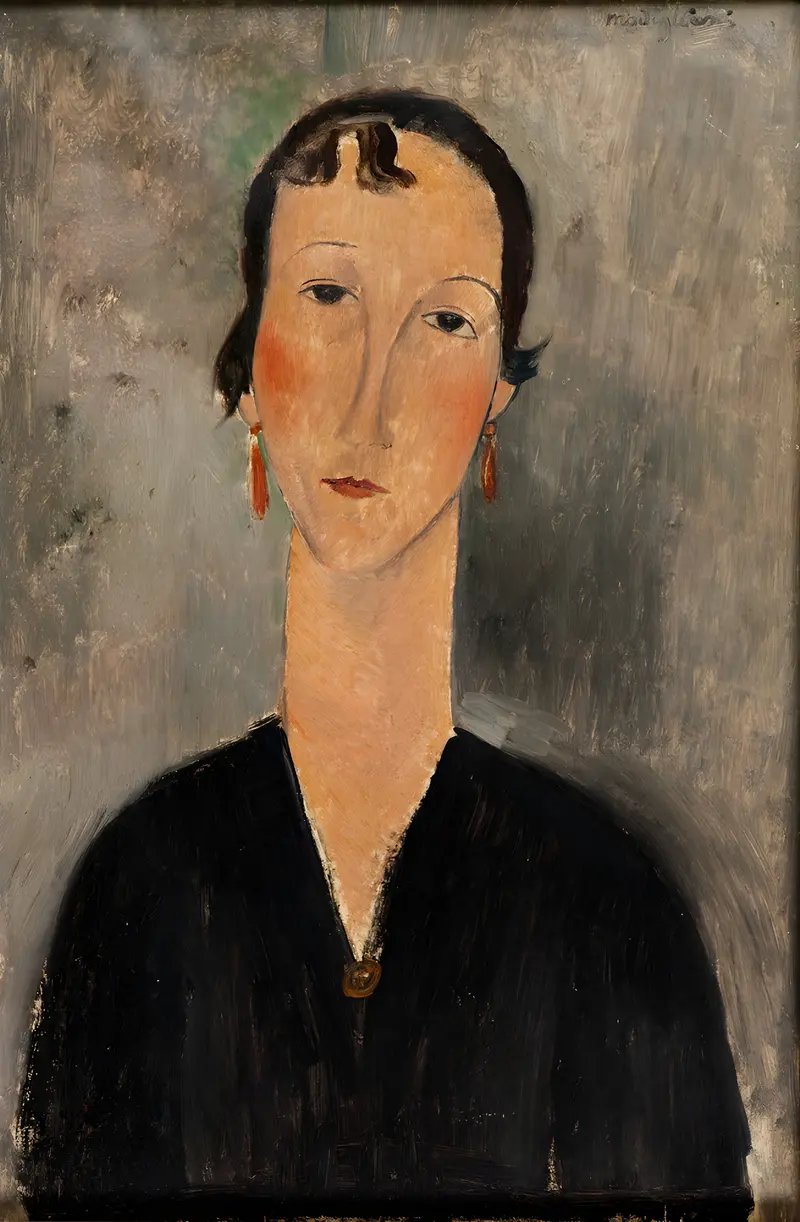
Femme aux boucles d'oreilles
Amedeo Modigliani
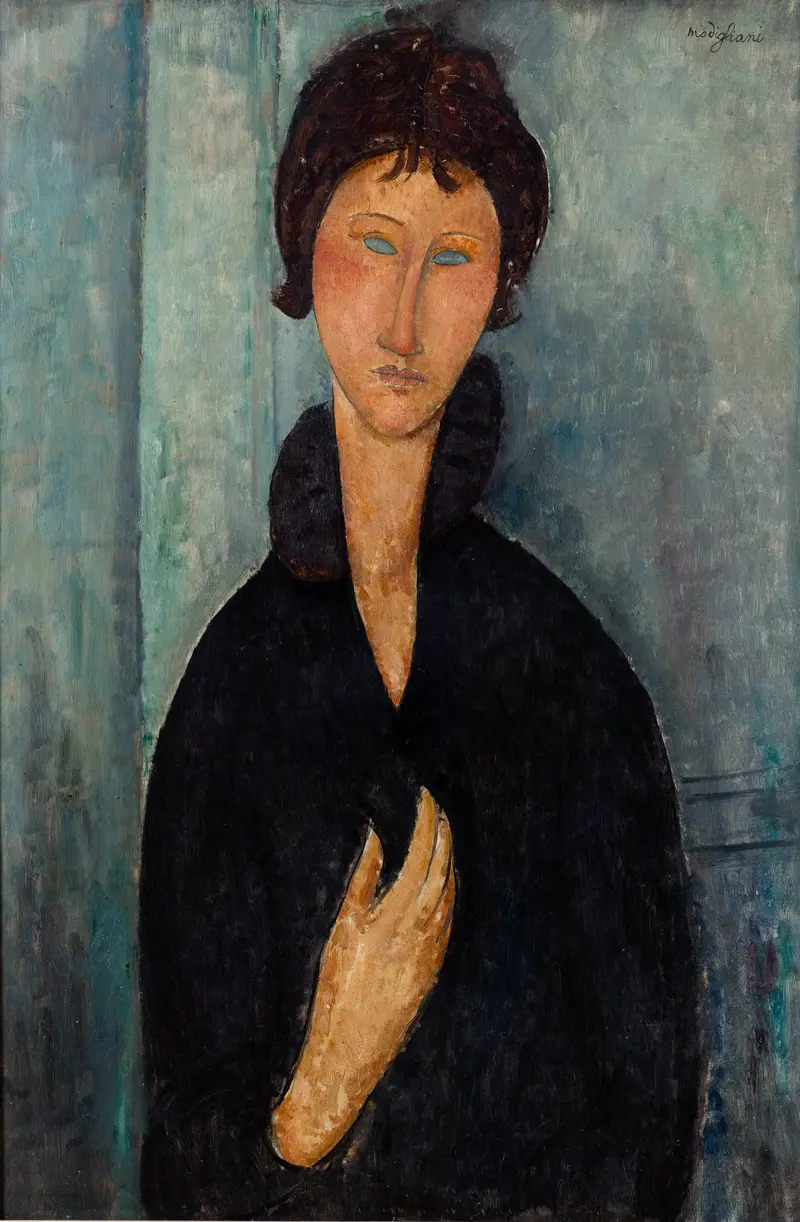
Femme aux yeux bleus
Amedeo Modigliani
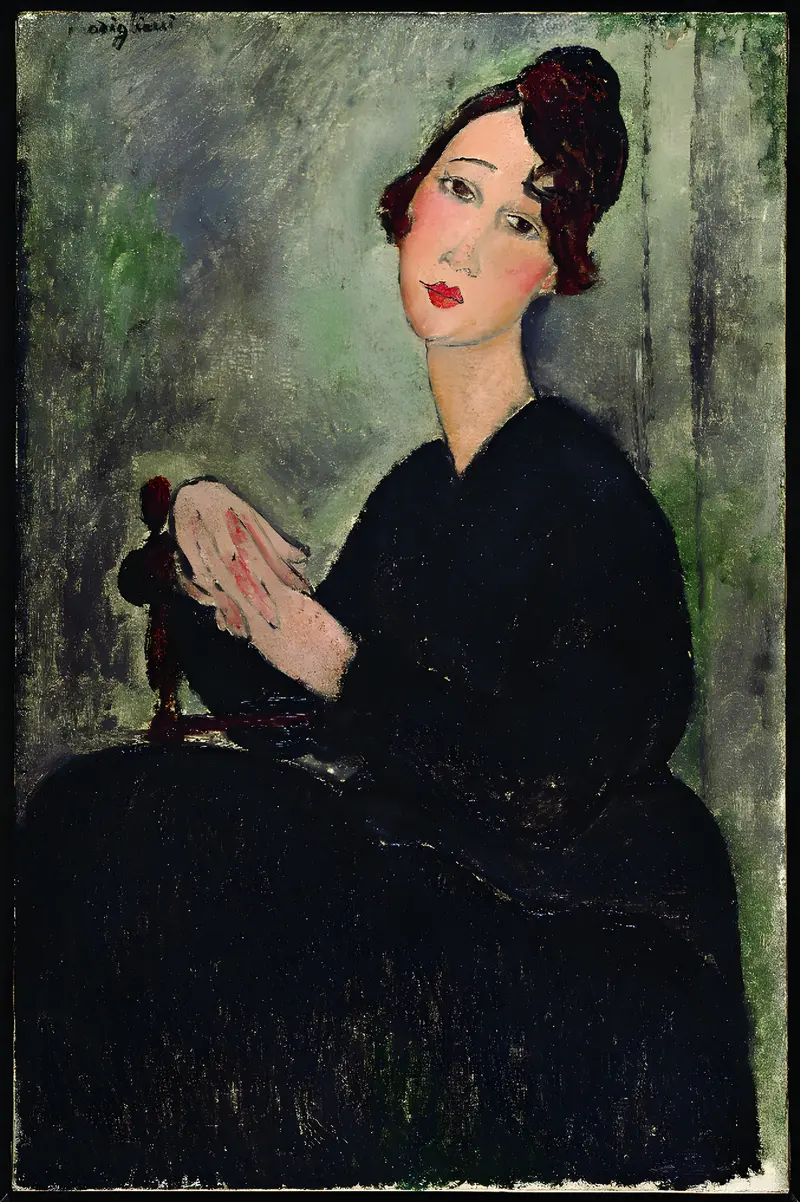
Portrait of Dedie
Amedeo Modigliani
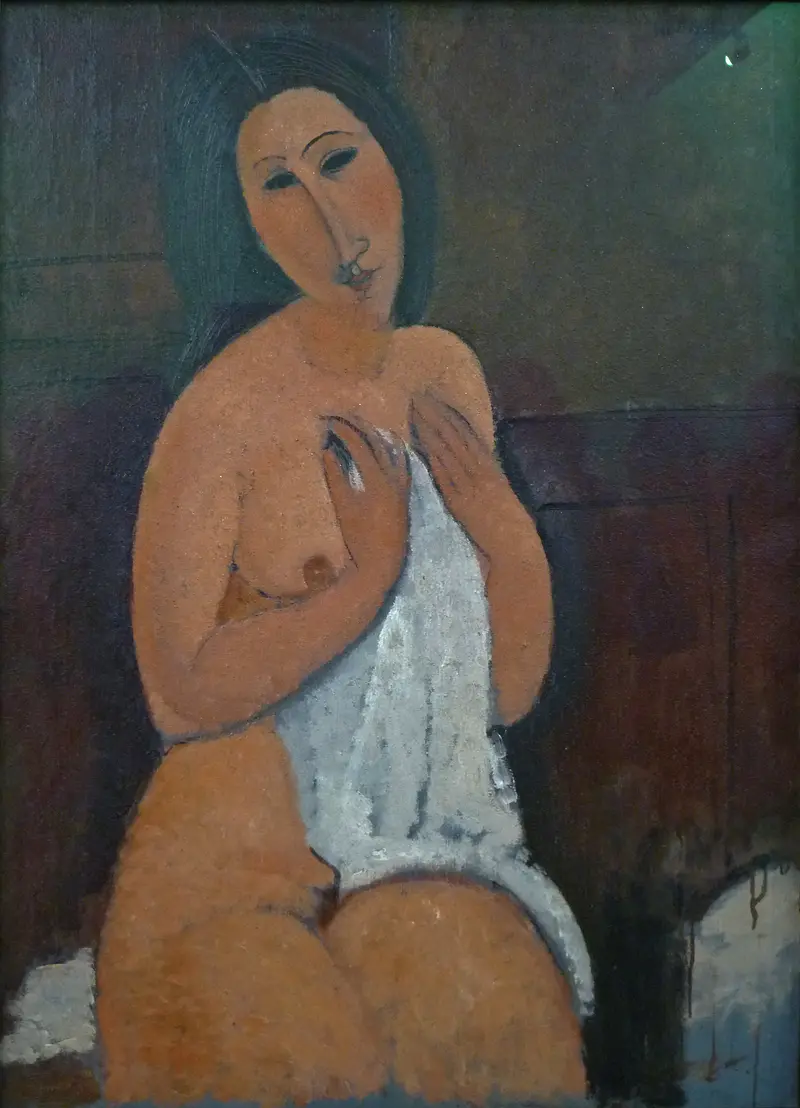
Seated nude with shirt
Amedeo Modigliani
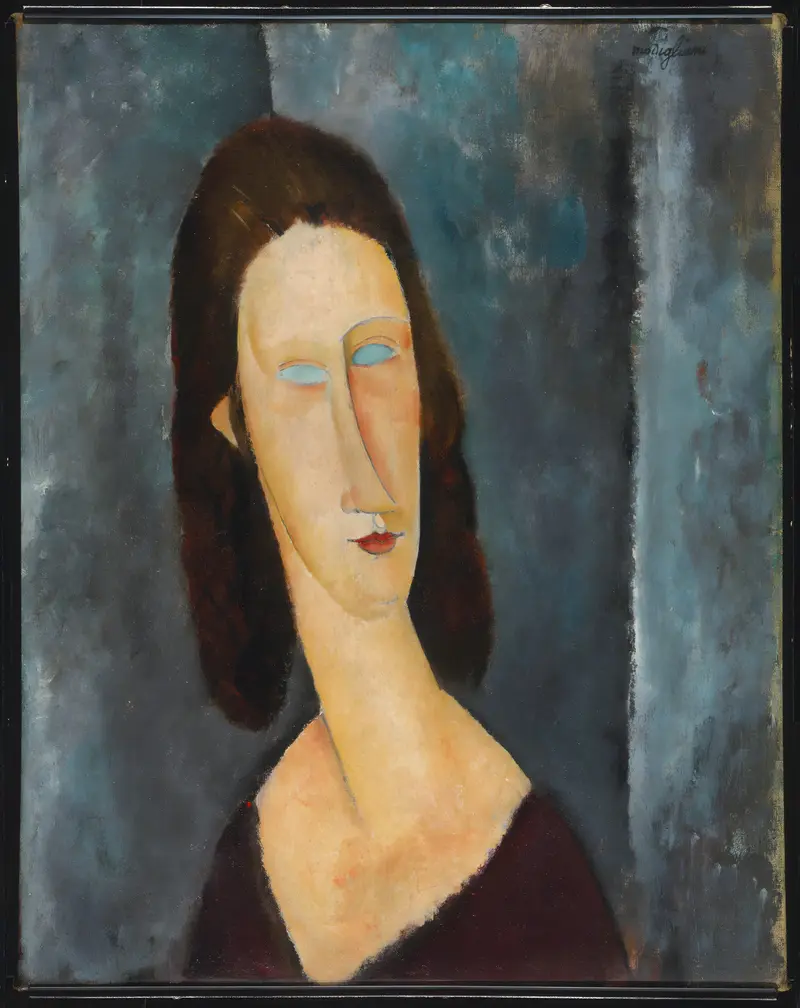
Blue Eyes (Portrait of Madame Jeanne Hébuterne)
Amedeo Modigliani
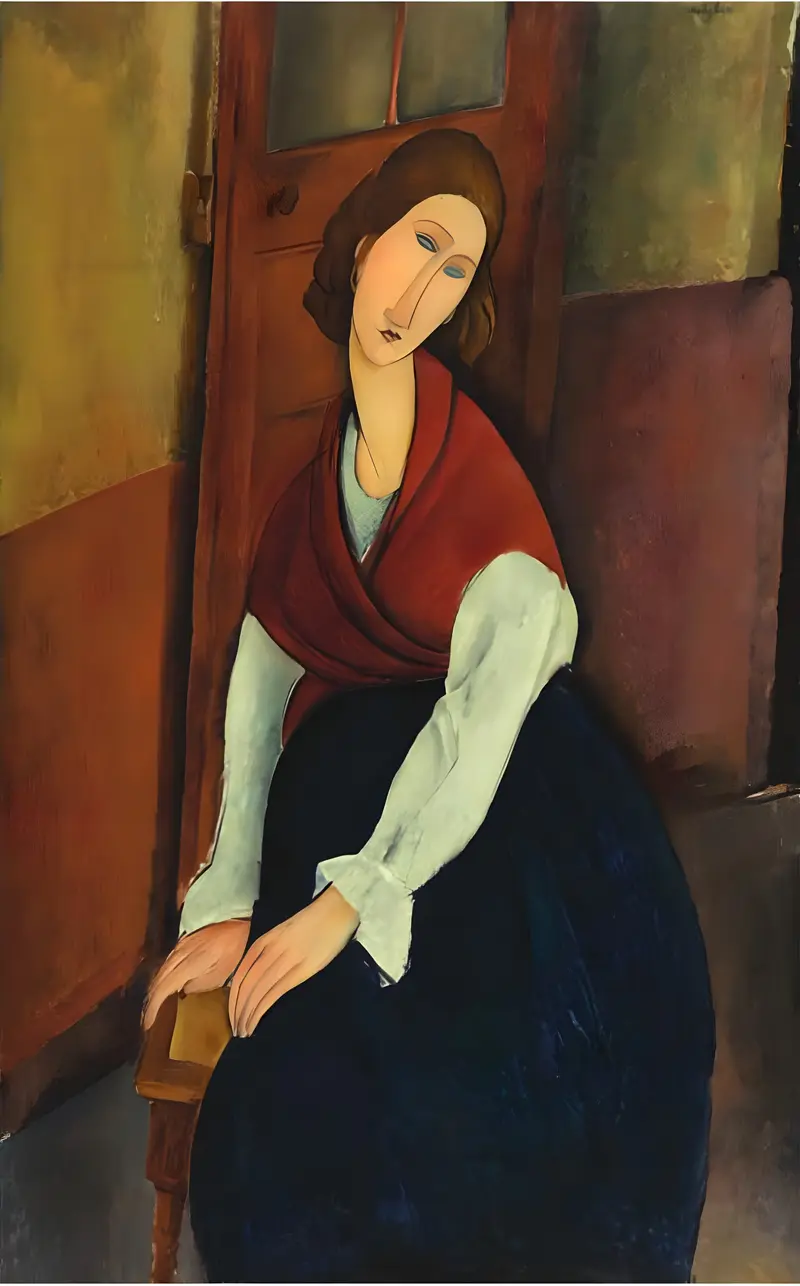
Jeanne Hebuterne in Red Shawl
Amedeo Modigliani





