
Penitent Magdalene — History & Facts
In Penitent Magdalene, Guercino presents a somber scene dominated by deep, rich colors. Mary Magdalene is depicted with a downcast gaze, her expression reflecting a profound sense of remorse. The background is dark, enhancing her figure's emotional weight and drawing attention to her sorrowful demeanor.
The use of light creates a dramatic contrast, highlighting her face and hands, which are often seen in a gesture of prayer or reflection. This painting is executed in oil on canvas, a common medium for the Baroque period. Guercino's technique showcases his skill in chiaroscuro, the strong contrasts between light and dark that add depth to the composition. The dimensions are approximately 100 x 130 cm, making it a sizable work that commands attention.
The careful detailing in the folds of her clothing and the texture of her hair exemplifies Guercino's meticulous approach to realism. Guercino, an Italian Baroque painter, was known for his dramatic use of light and shadow, which is evident in this work. Penitent Magdalene reflects the artist's fascination with religious themes and the human experience of repentance. An interesting fact about this painting is that it was created during a time when artists were increasingly exploring the emotional aspects of their subjects, moving away from the more rigid forms of earlier periods.
This work exemplifies the emotional depth and spiritual introspection characteristic of Baroque art.
Sources: Wikidata Q105404154
More Artworks by Guercino

The Entombment
Guercino
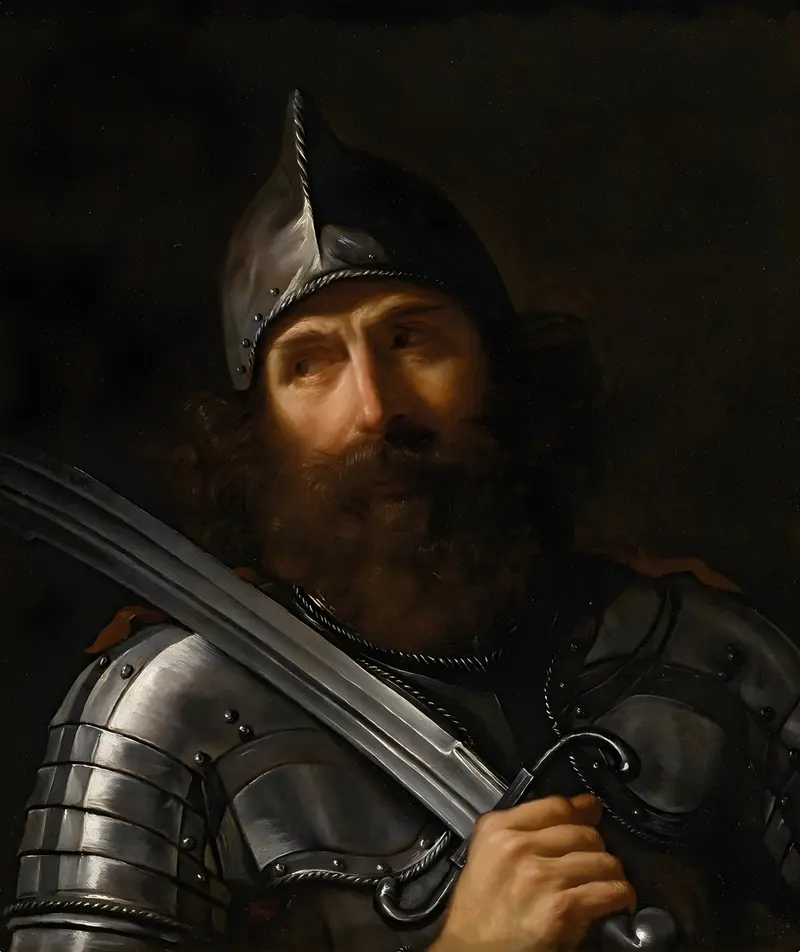
Mars
Guercino
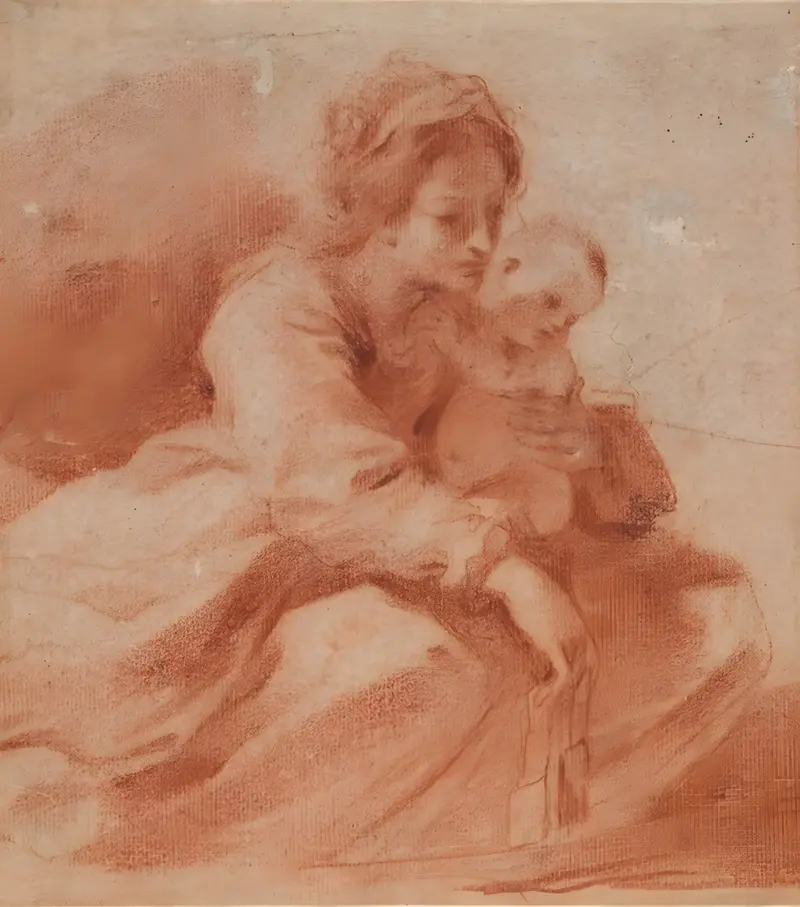
The Virgin and Child (for the Madonna del Carmine Presenting a Scapular to a Carmelite, in Cento’s Pinacoteca Civica, c.1615)
Guercino
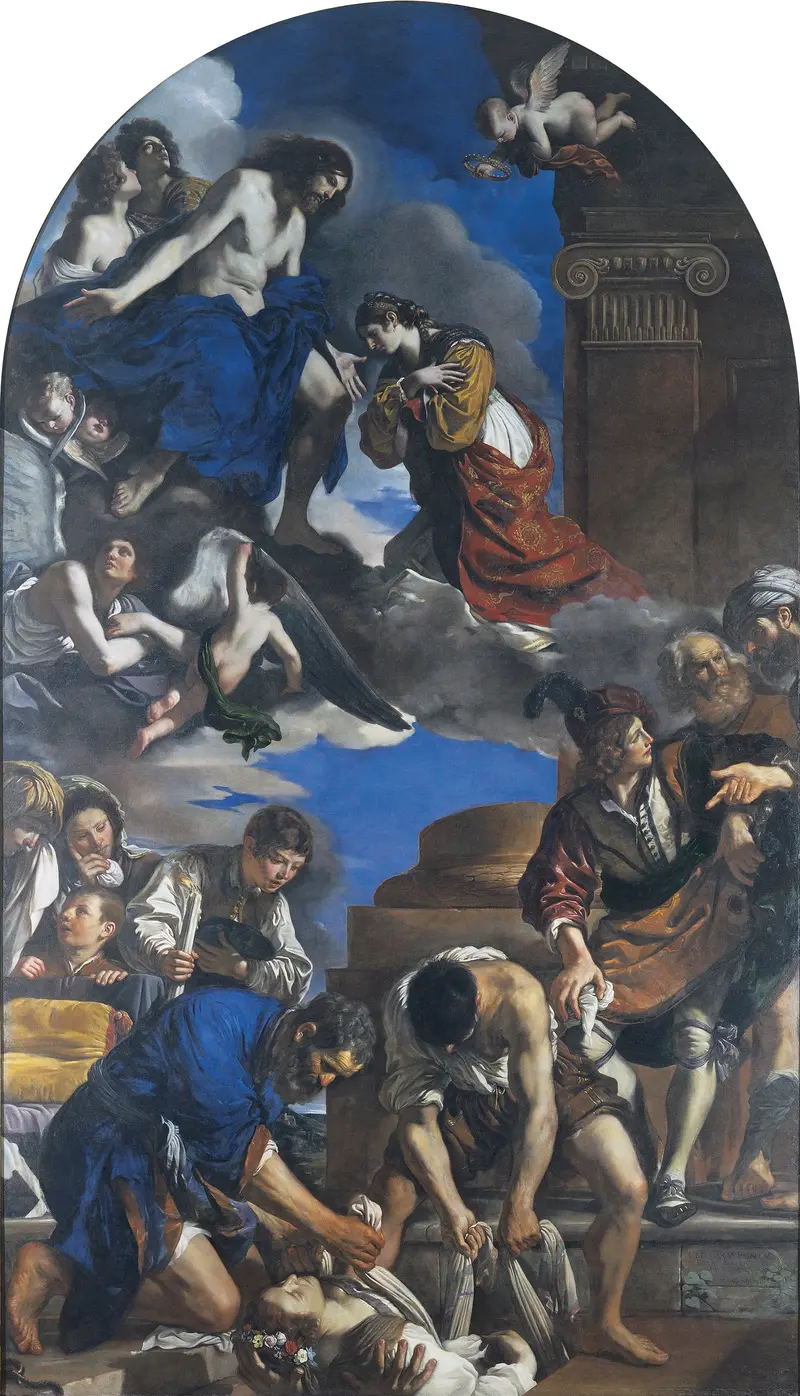
Burial of Saint Petronilla
Guercino
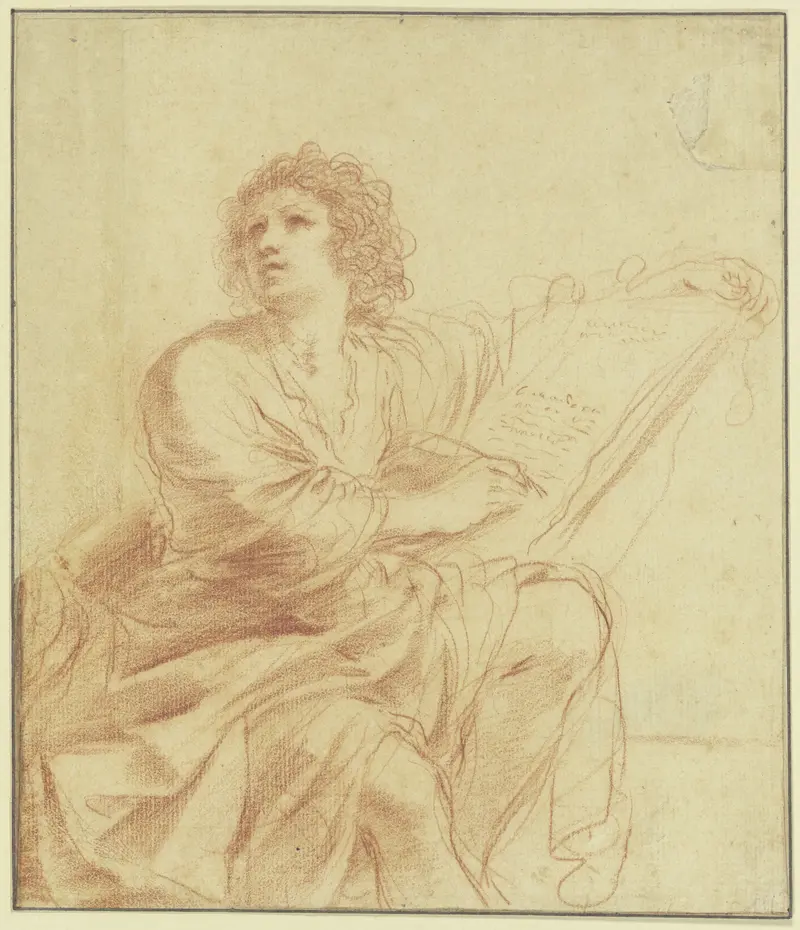
Johannes der Evangelist, sitzend und schreibend
Guercino
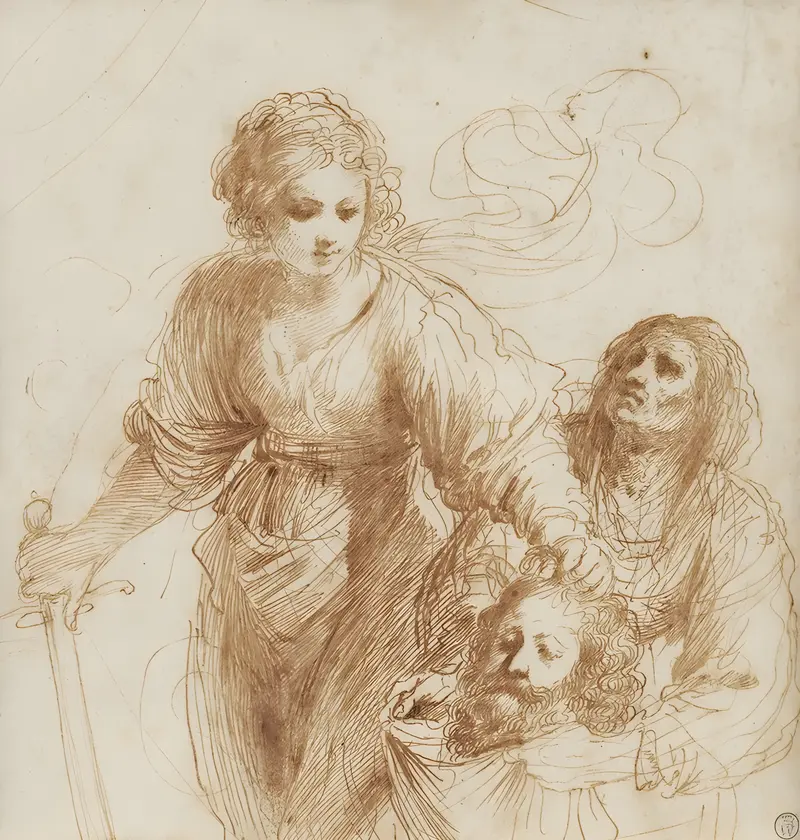
Judith with the Head of Holofernes
Guercino
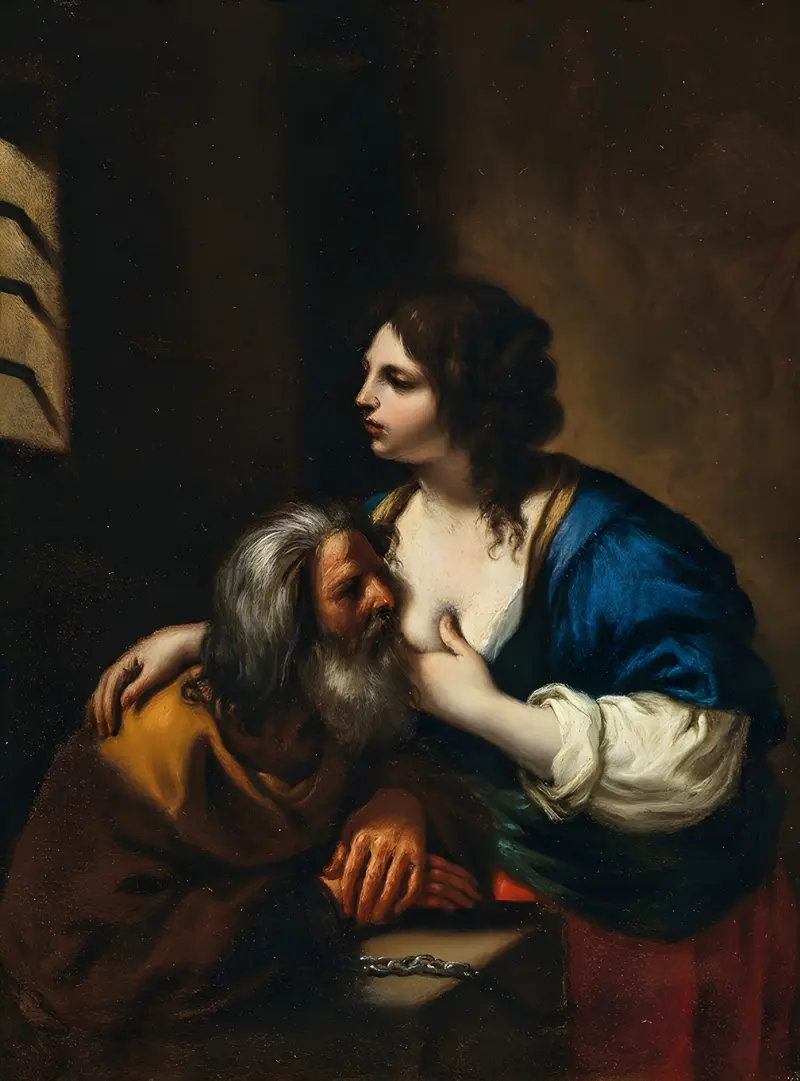
Caritas Romana
Guercino
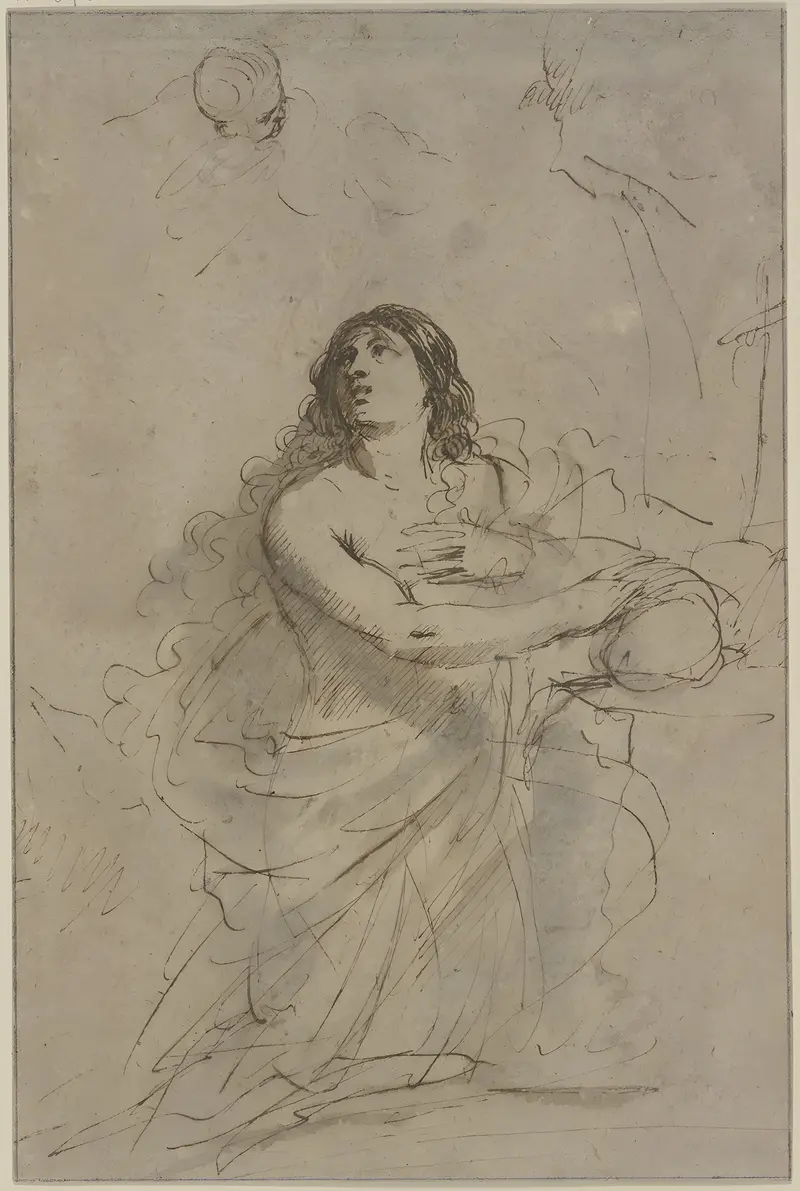
Atoning Magdalene
Guercino
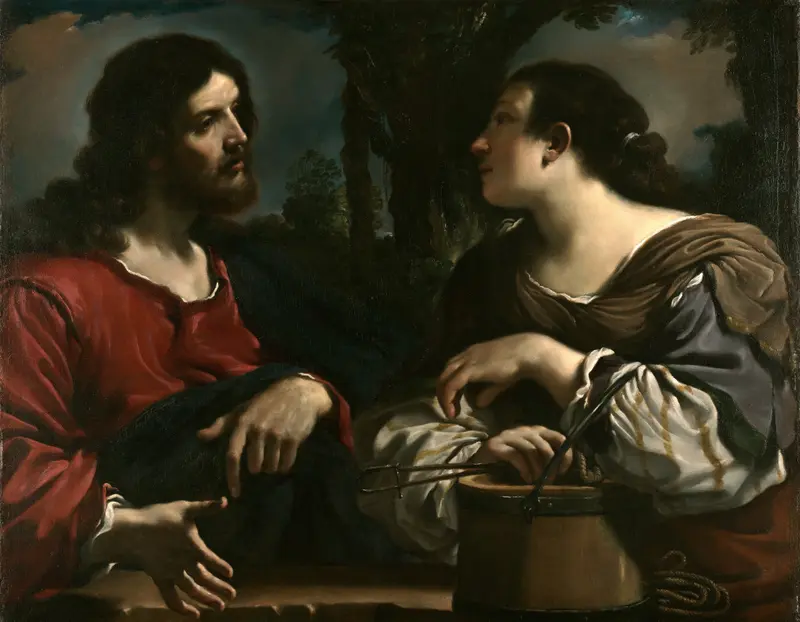
Christ And The Woman Of Samaria
Guercino
Christ Preaching in the Temple
Guercino





