
Peupliers au printemps — History & Facts
In the delicate brushstrokes of this piece, the essence of solitude emerges — a poignant reminder of the beauty found within isolation. Look to the left at the slender, elegant poplar trees that stretch toward the sky, their vertical lines drawing your eye upward. Notice how the soft greens and muted blues blend seamlessly, capturing the gentle embrace of spring. The careful layering of paint creates a rich texture, inviting you to explore the subtleties of light filtering through the foliage, as it dances on the ground below.
The distant horizon, painted in warmer hues, evokes a sense of hope against the coolness of the foreground. Yet beneath this serene spring scene lies an undercurrent of loneliness. The empty space surrounding the trees whispers of quiet contemplation, inviting viewers to reflect on their own moments of solitude. Each tree stands tall but isolated, symbolizing the resilience of life even in moments when one feels alone.
The contrast between the vibrancy of the landscape and the stillness it holds speaks to the tension between connection and solitude, inviting a deeper emotional resonance. In the early 1840s, the artist created this work while living in France amid the tumult of changing artistic movements, particularly Romanticism. Ravier was influenced by the landscape tradition, seeking to convey emotion through nature's beauty. During this period, the world experienced shifting social dynamics, yet the artist found solace in the quietude of rural life, as reflected in his focus on the intimate relationship between humanity and the natural world.
More Artworks by François-Auguste Ravier
Browse all →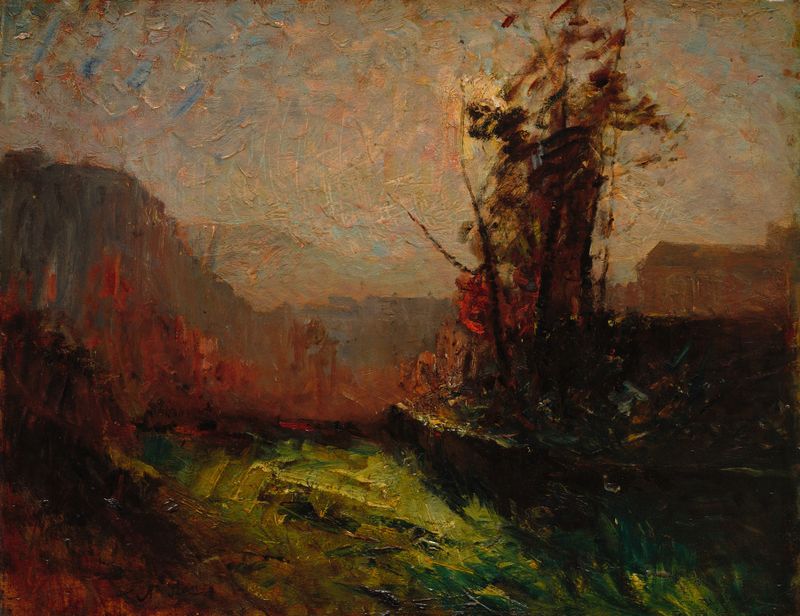
Crémieu, Seen from Chaillonnette
François-Auguste Ravier
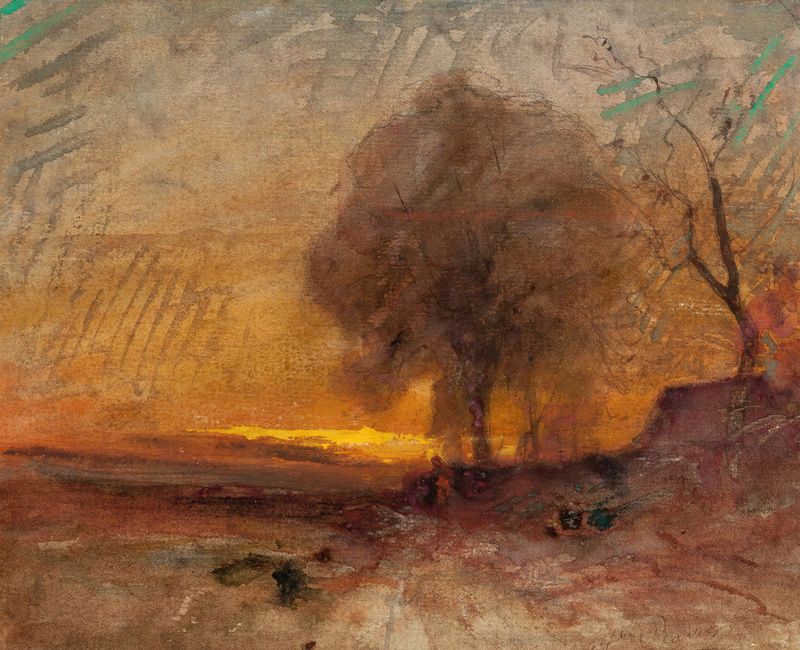
Landscape at Dusk
François-Auguste Ravier

Étude de paysage
François-Auguste Ravier
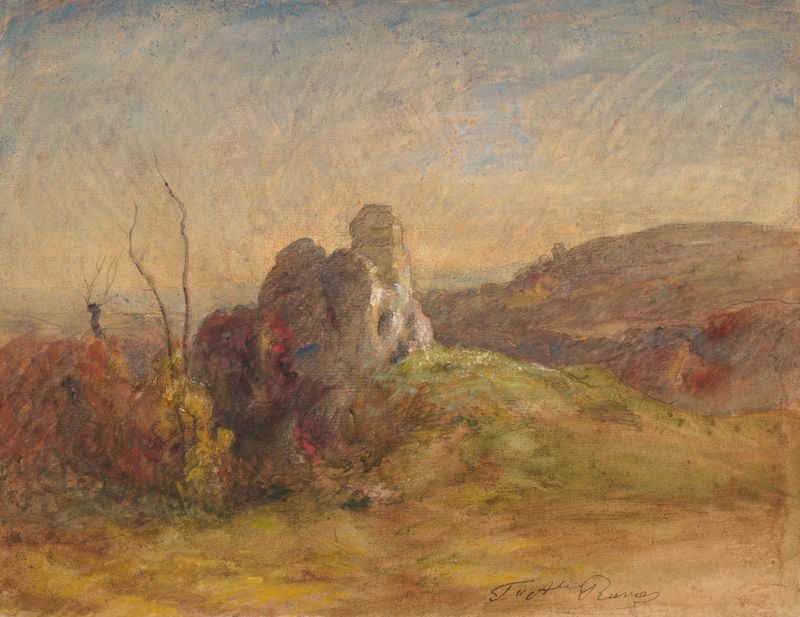
Landscape
François-Auguste Ravier
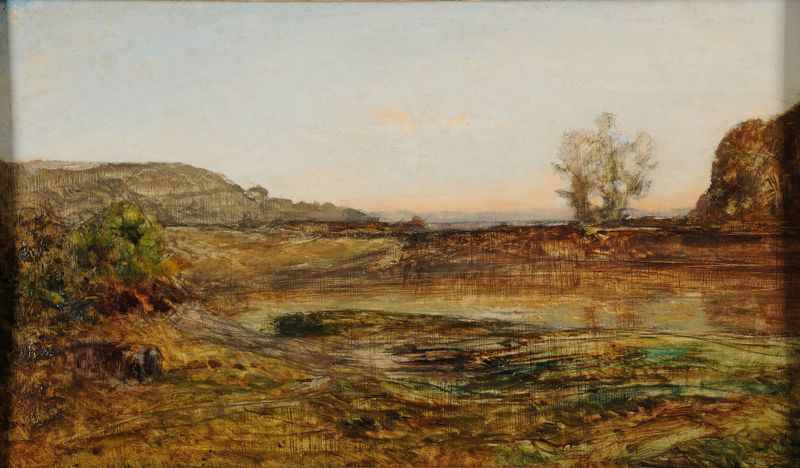
L’Étang d’Optevoz
François-Auguste Ravier
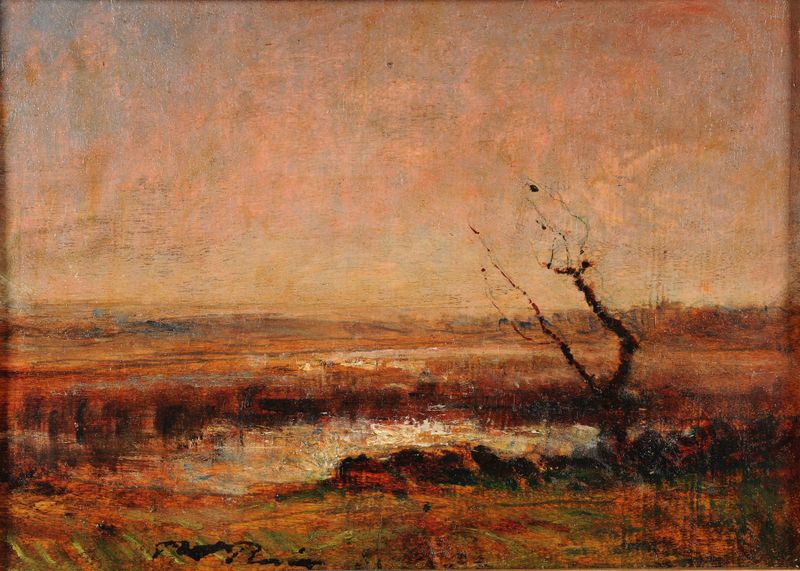
Étude de paysage
François-Auguste Ravier

Approaching Morestal
François-Auguste Ravier

Allée des Tilleuls à Crémieu
François-Auguste Ravier
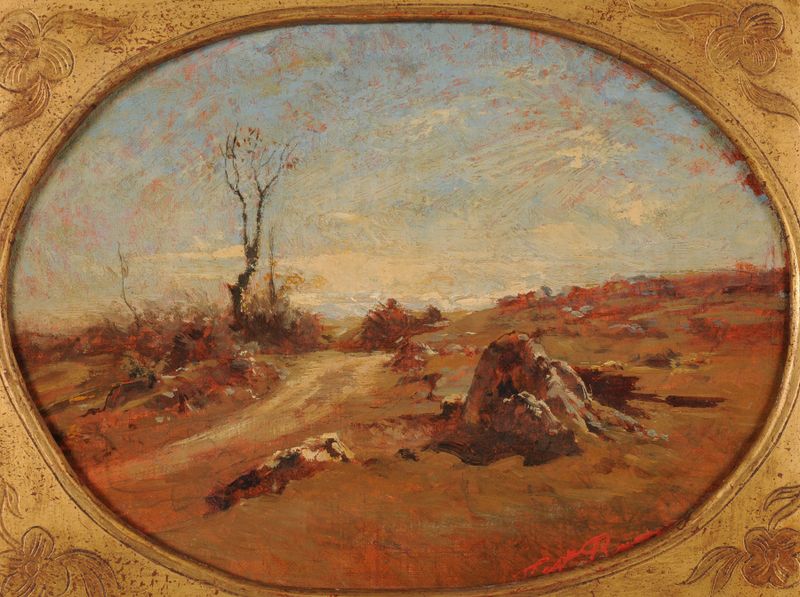
Automne. L’arbre
François-Auguste Ravier

Sunset over a Pond
François-Auguste Ravier





