Discover insights about this artwork
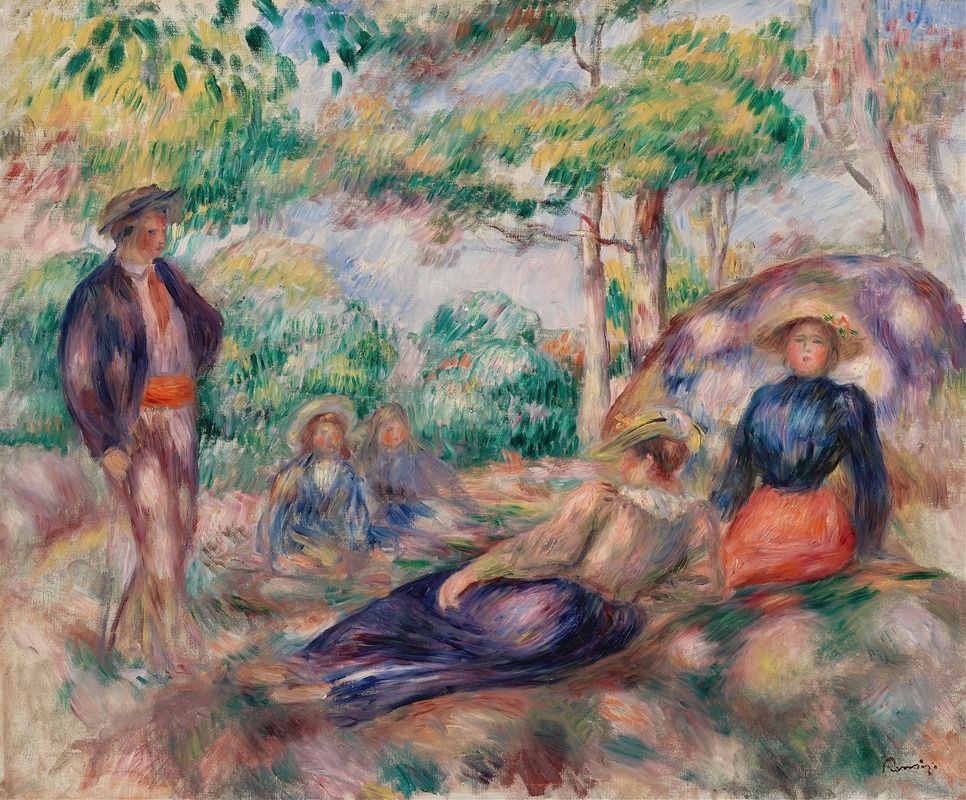
Picnic on a Riverbank — History & Facts
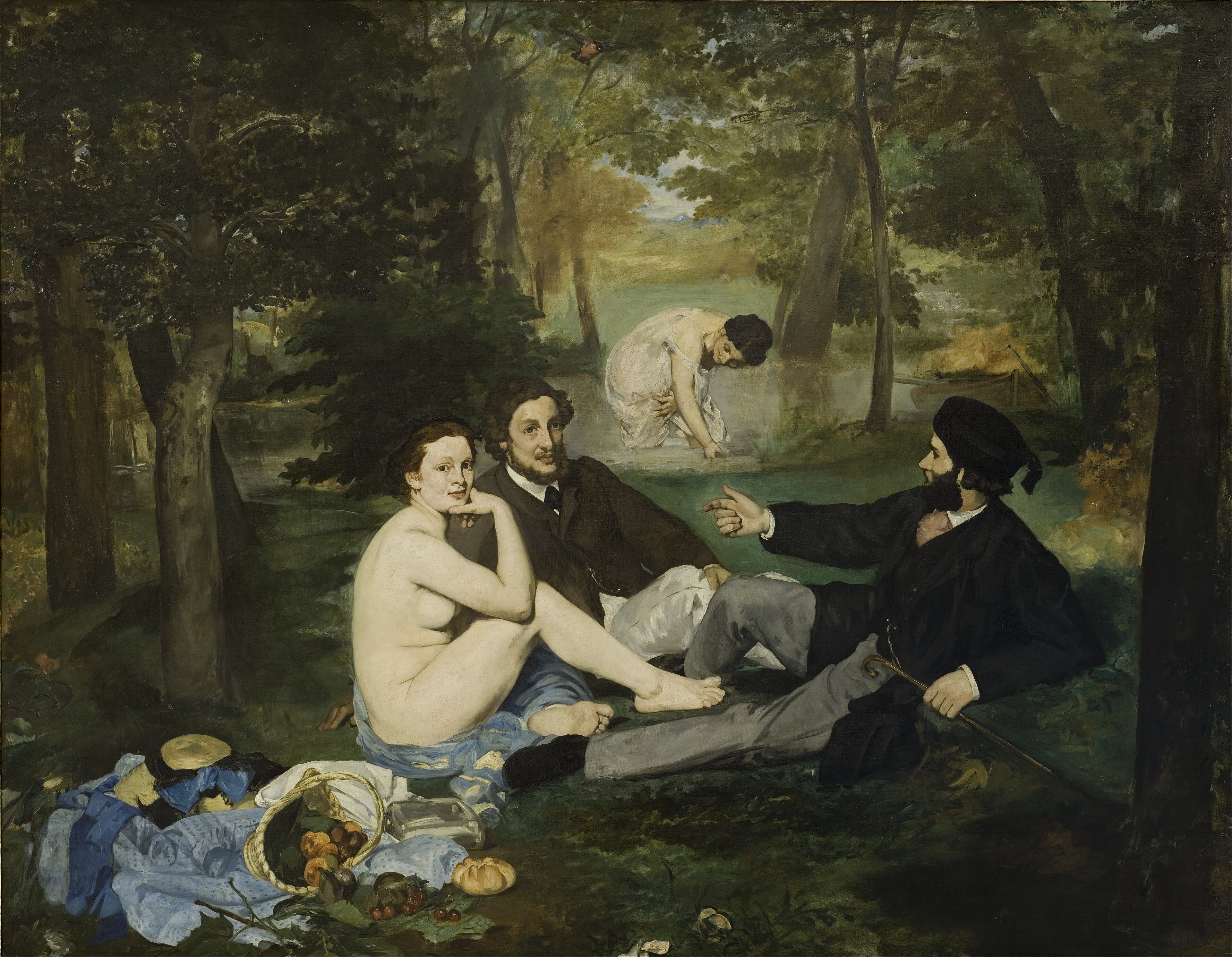
In Picnic on a Riverbank, Paul Cézanne captures a tranquil scene filled with lush greens and soft blues. The painting features figures enjoying a picnic by a riverbank, surrounded by trees and foliage. The colors are vibrant yet earthy, reflecting the natural beauty of the setting.
The composition invites viewers to imagine the warmth of the sun and the gentle sounds of the flowing water. Cézanne employs thick brushstrokes and a unique color palette to create depth and texture in the painting. The figures are somewhat abstracted, emphasizing their forms rather than individual identities. The use of light and shadow is notable, as it adds dimension to the landscape.
This technique is characteristic of Cézanne's Post-Impressionist style, where he blends realism with a personal interpretation of nature. Picnic on a Riverbank was painted during a time when Cézanne was exploring the relationship between nature and human activity. This work reflects his interest in capturing the essence of leisure and the beauty of the outdoors. An interesting fact about this painting is that it showcases Cézanne's transition from Impressionism to a more structured approach, which would later influence modern art.
The work is a testament to his innovative vision and his ability to convey a sense of place.
More Artworks by Paul Cézanne
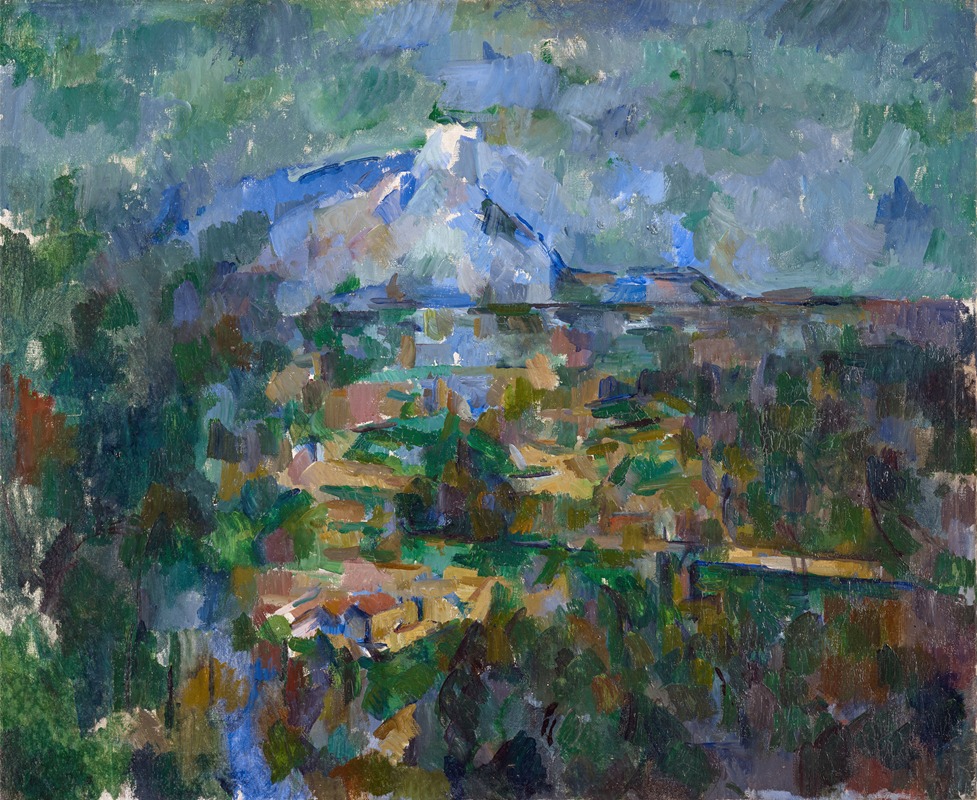
The Mont Sainte-Victoire Seen From Les Lauves
Paul Cézanne
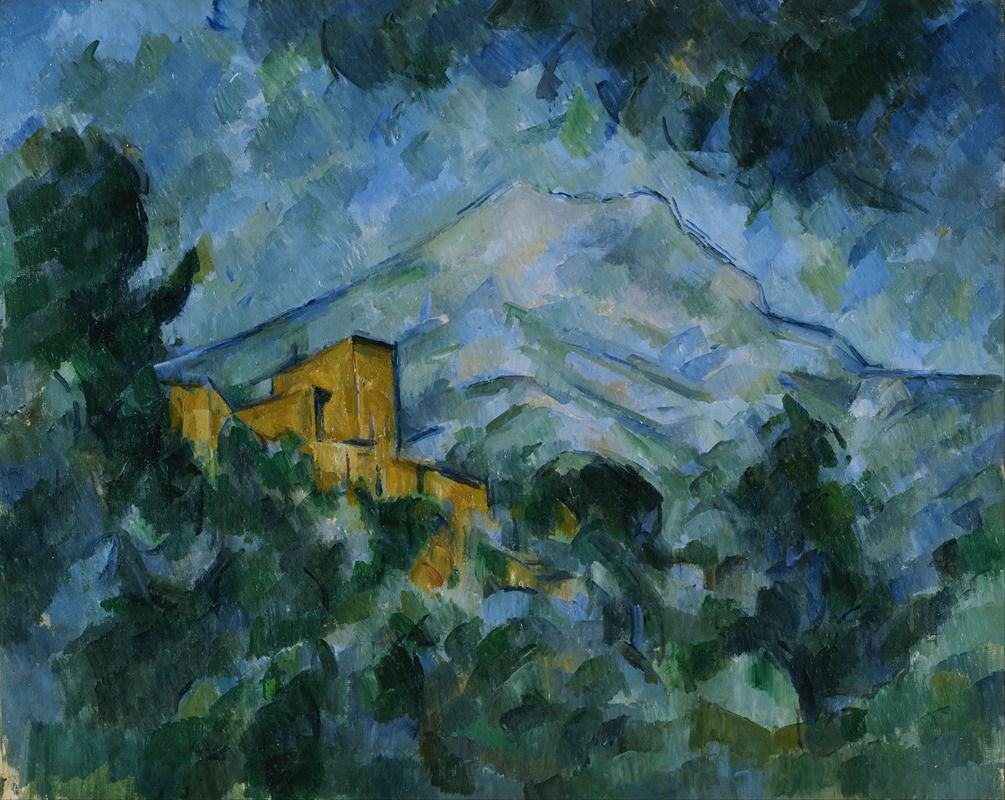
Mont Sainte-Victoire and Château Noir
Paul Cézanne
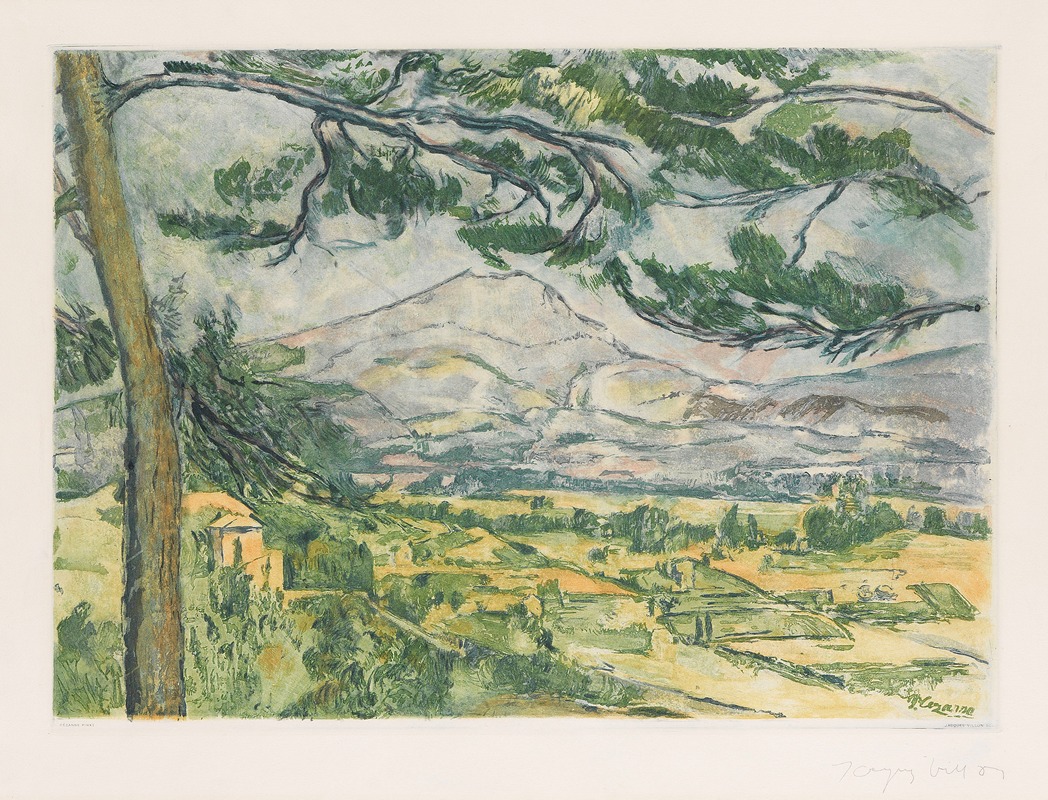
La Montagne Sainte-Victoire
Paul Cézanne
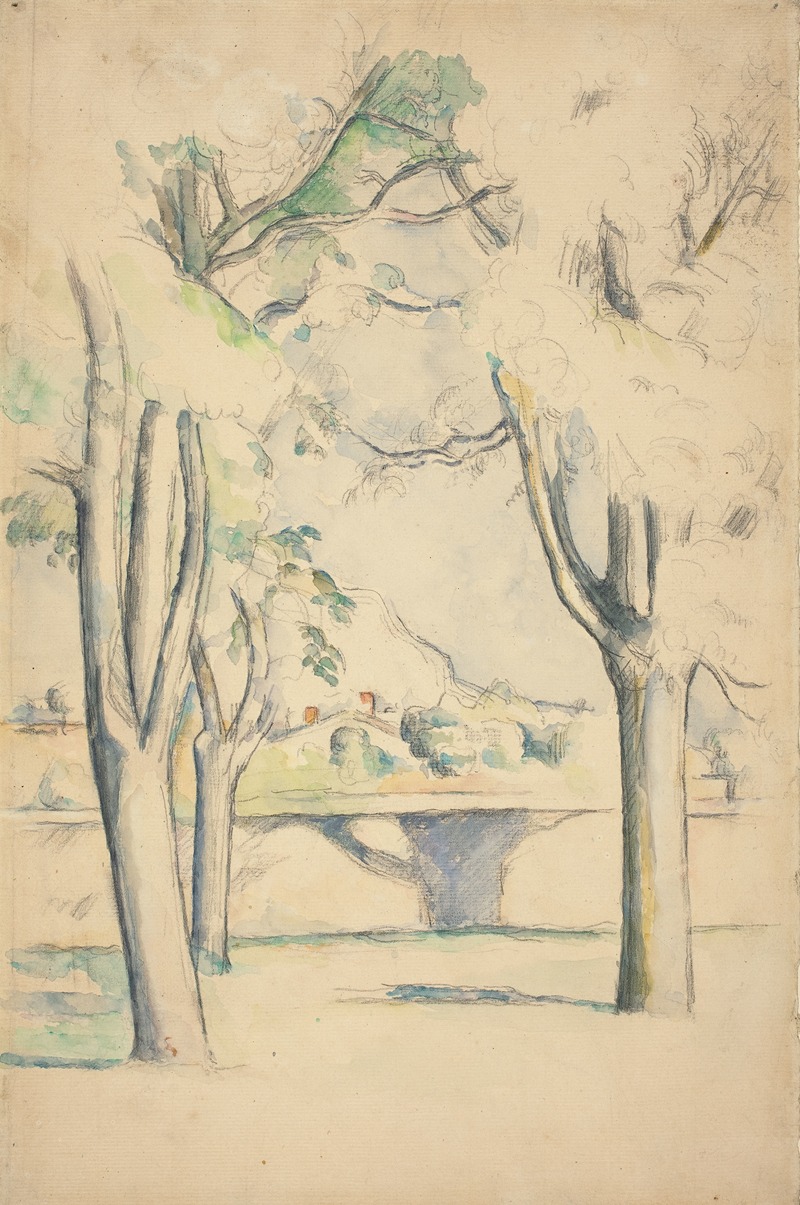
Mont Sainte-Victoire Seen beyond the Wall of the Jas de Bouffan
Paul Cézanne
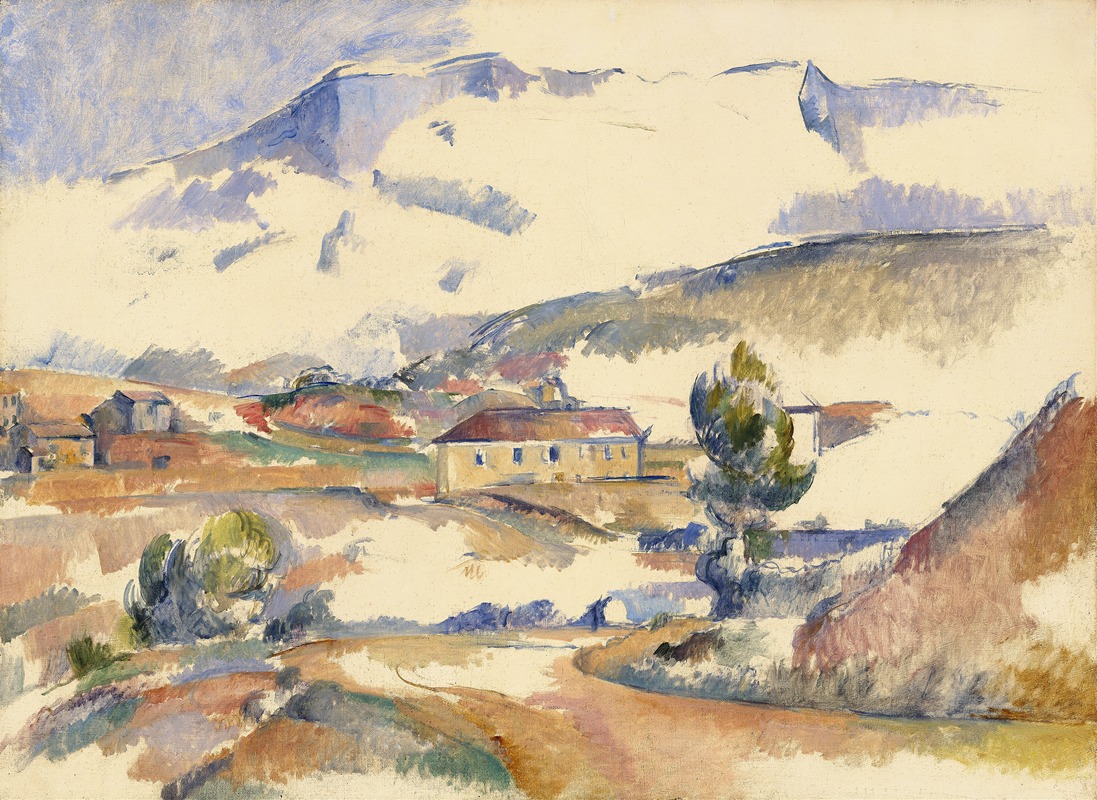
Montagne Sainte-Victoire,from near Gardanne
Paul Cézanne
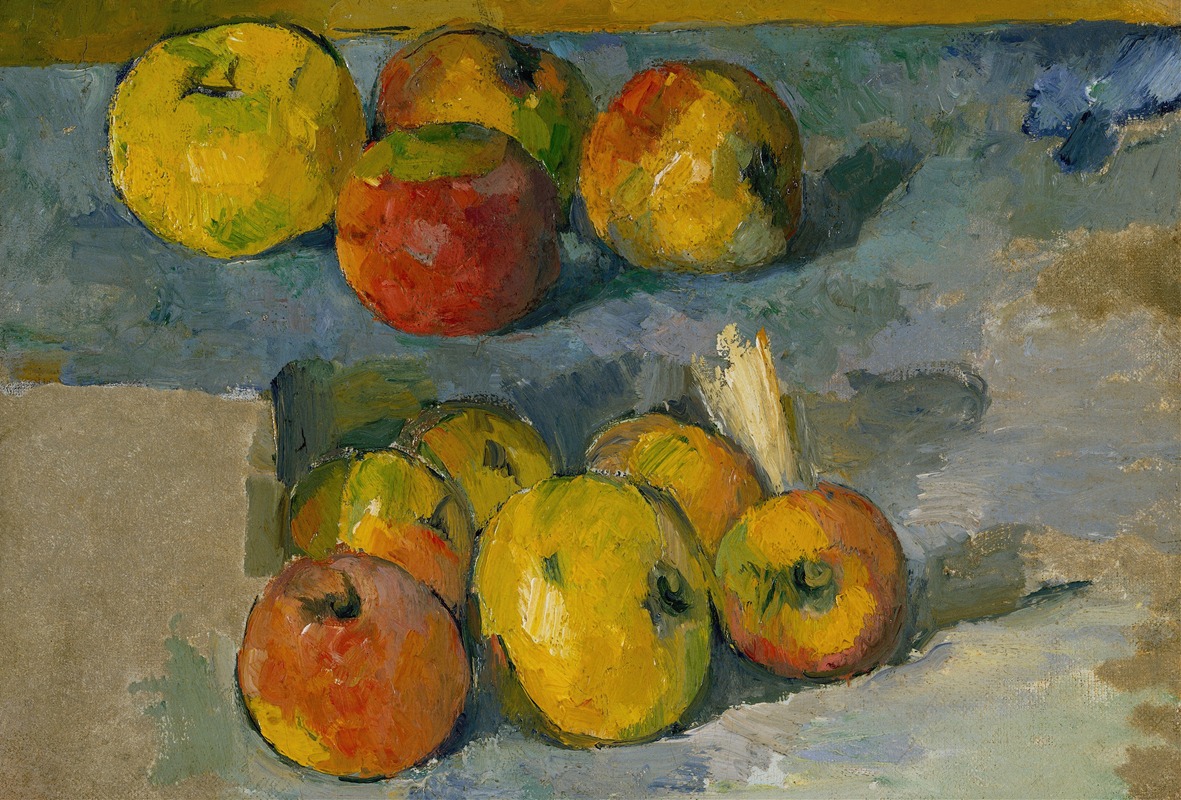
Apples
Paul Cézanne
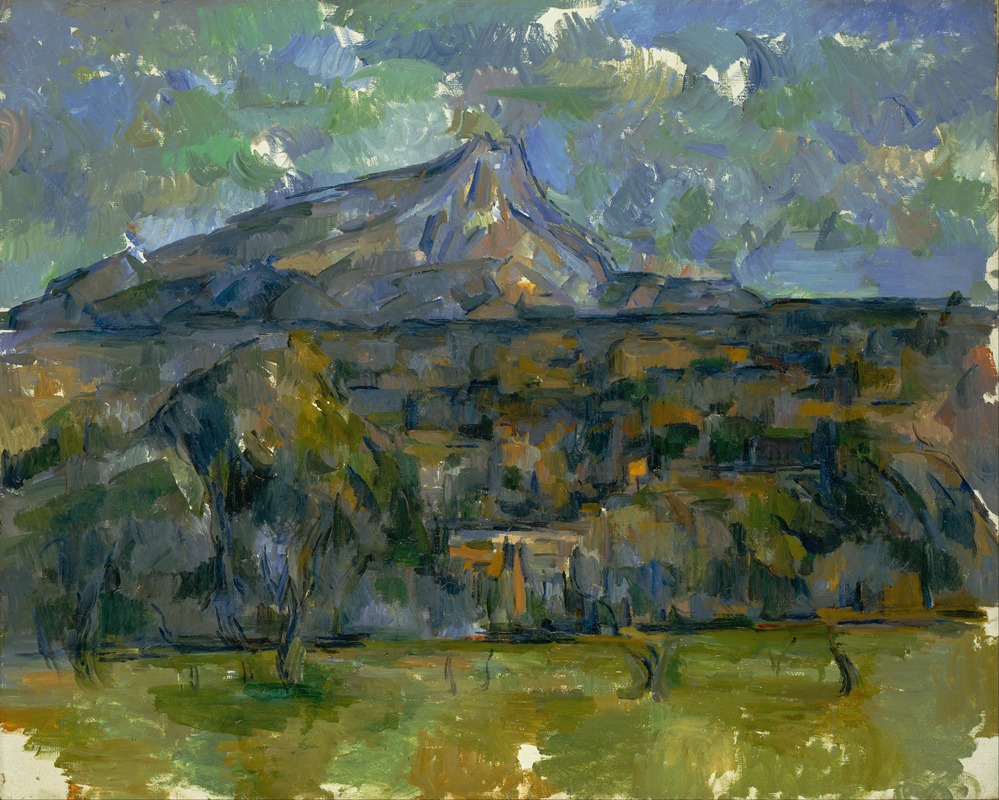
Mont Sainte-Victoire
Paul Cézanne
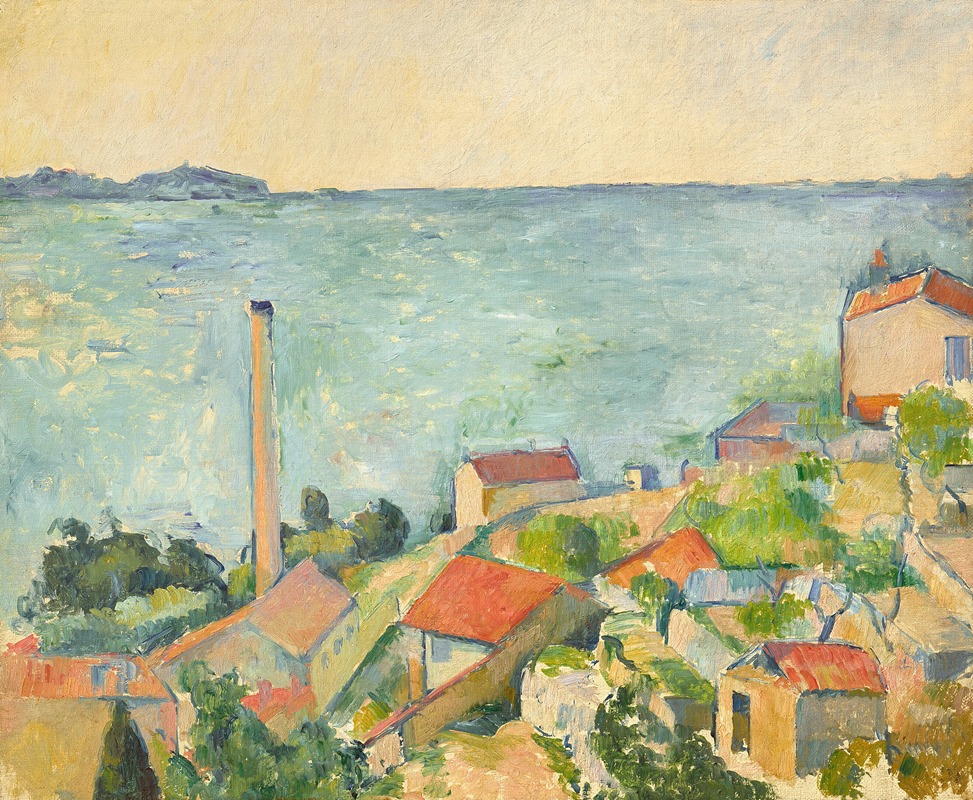
La mer à l’Estaque
Paul Cézanne
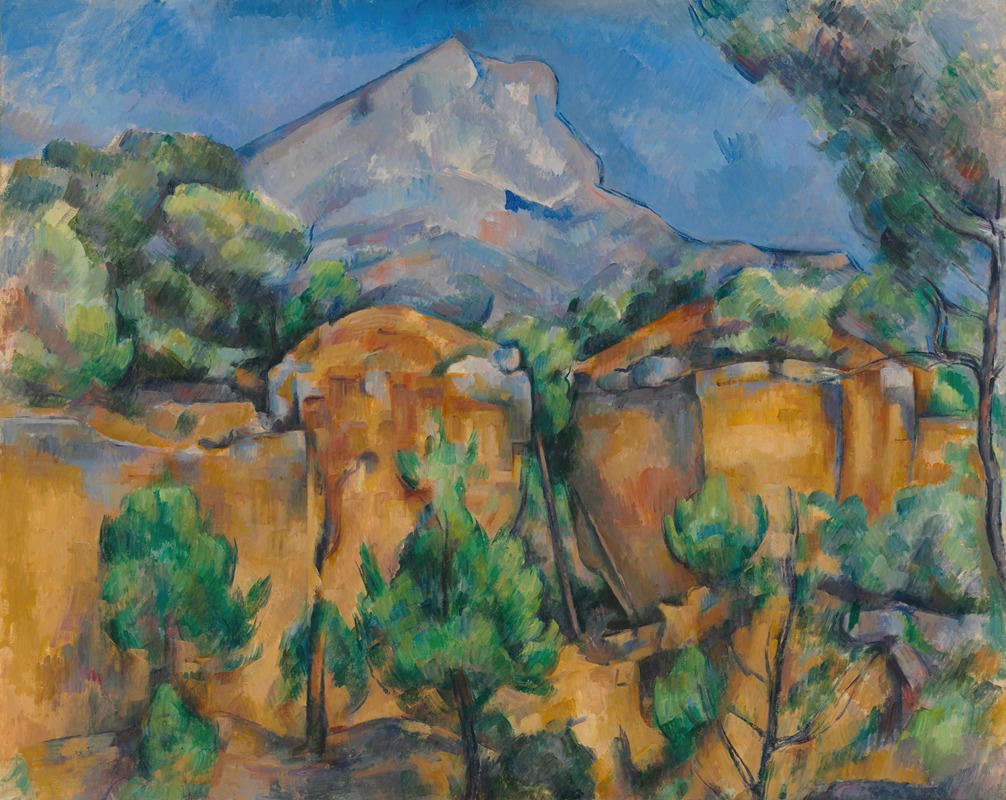
La Montagne Sainte-Victoire vue de la carrière Bibémus
Paul Cézanne
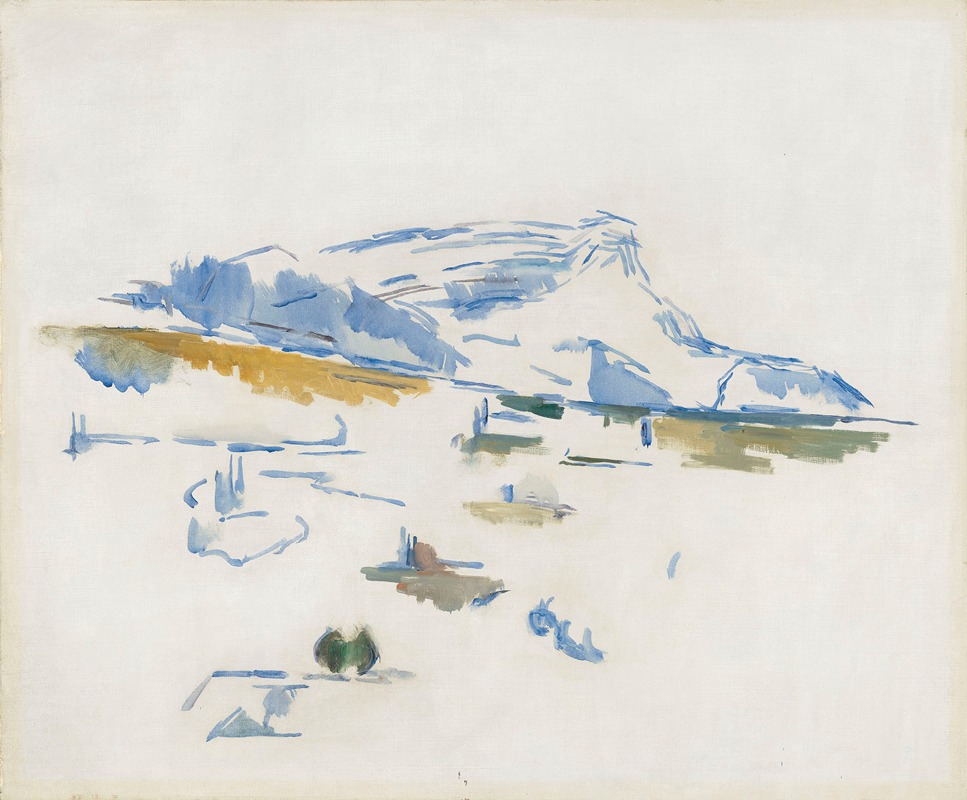
La Montagne Sainte-Victoire vue des Lauves
Paul Cézanne