
Pierantonio Bandini — History & Facts
It is the blue statue—cool, headless, and poised with a grace that borders on the uncanny—that first catches the eye and refuses to let go. The sitter, robed in black with a crimson doublet peeking through, turns away from the viewer, his gaze lost in thought, as if the marble figure beside him holds the answer to a silent question. Every fold of his velvet sleeve, every glint of light on the sculpted torso, is rendered with a precision that feels almost tactile.
The statue’s classical pose, modest yet exposed, hints at the Renaissance hunger for antiquity, while the sitter’s somber expression and tightly gripped handkerchief suggest a private world of contemplation or loss. The muted background draws the drama inward, making the encounter between man and art the true subject. Painted between circa 1550 and 1555, this portrait by Agnolo Bronzino belongs to a world where the boundaries between art, intellect, and identity were constantly redrawn. In mid-sixteenth-century Florence, portraits like this were not mere likenesses—they were declarations, often commissioned by the rising elite to broadcast their learning, taste, and connection to the classical past.
The presence of the antique statuette signals both the sitter’s erudition and the era’s reverence for ancient models, a hallmark of the Mannerist style that Bronzino helped define. History has kept few traces of this particular work’s journey, but its survival in the Google Arts & Culture collection invites us to linger, to puzzle over the relationship between sitter and statue, and to imagine the ambitions and anxieties of a Renaissance mind.
More Artworks by Agnolo Bronzino

Eleonora Of Toledo
Agnolo Bronzino
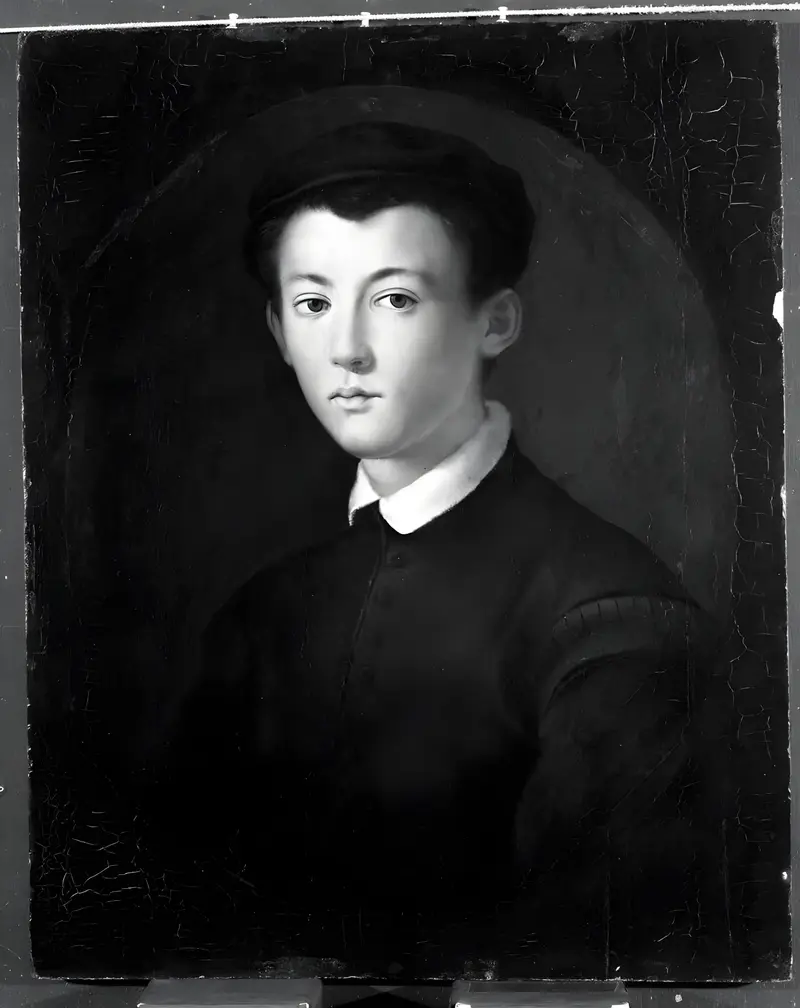
Portrait of a Young Man
Agnolo Bronzino
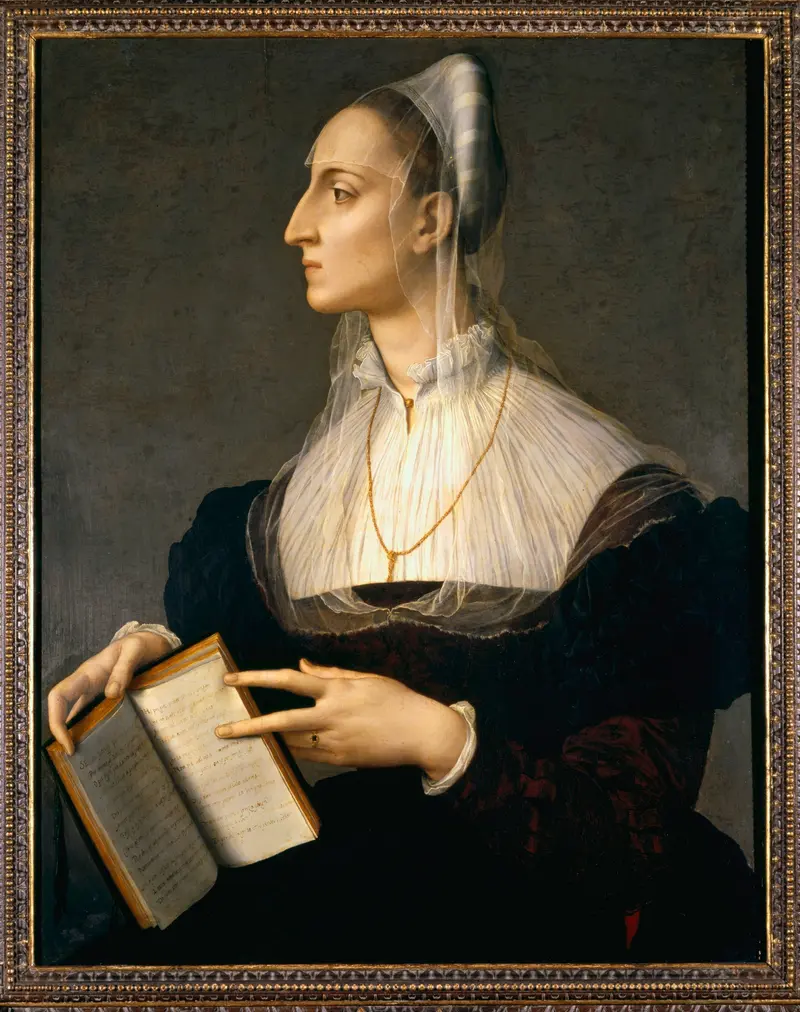
Portrait Of Laura Battiferri
Agnolo Bronzino
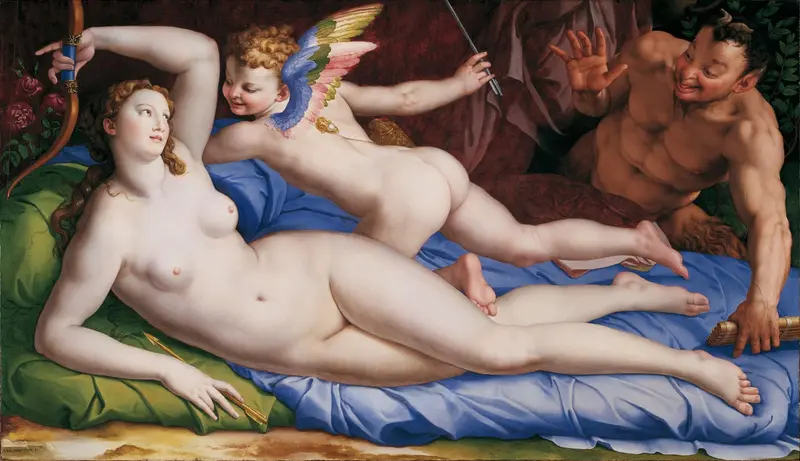
Venus, Cupid And Satyr
Agnolo Bronzino
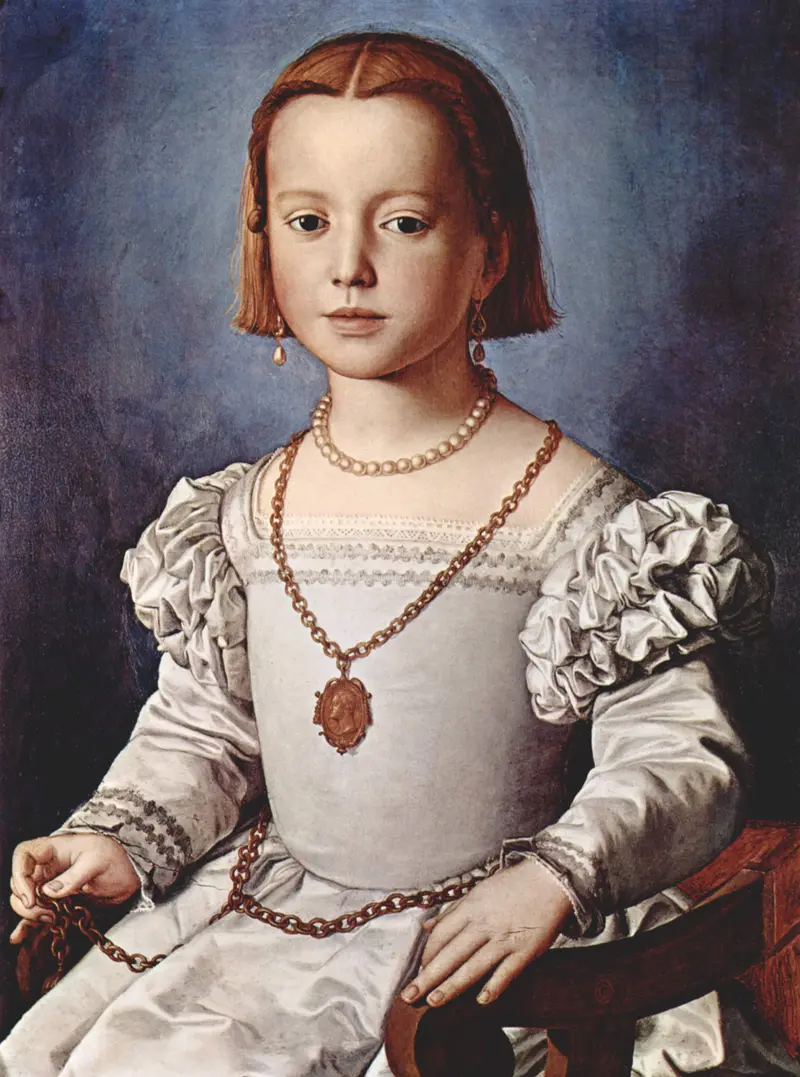
Bia Di Cosimo De‘ Medici
Agnolo Bronzino
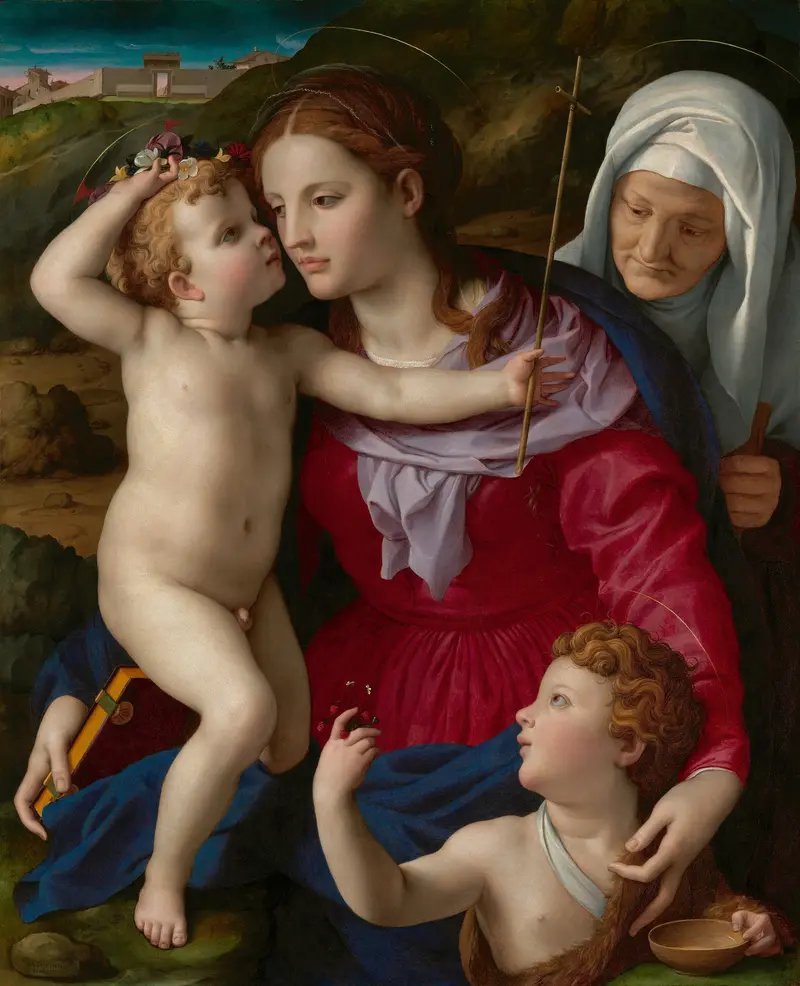
Virgin and Child with Saint Elizabeth and Saint John the Baptist
Agnolo Bronzino
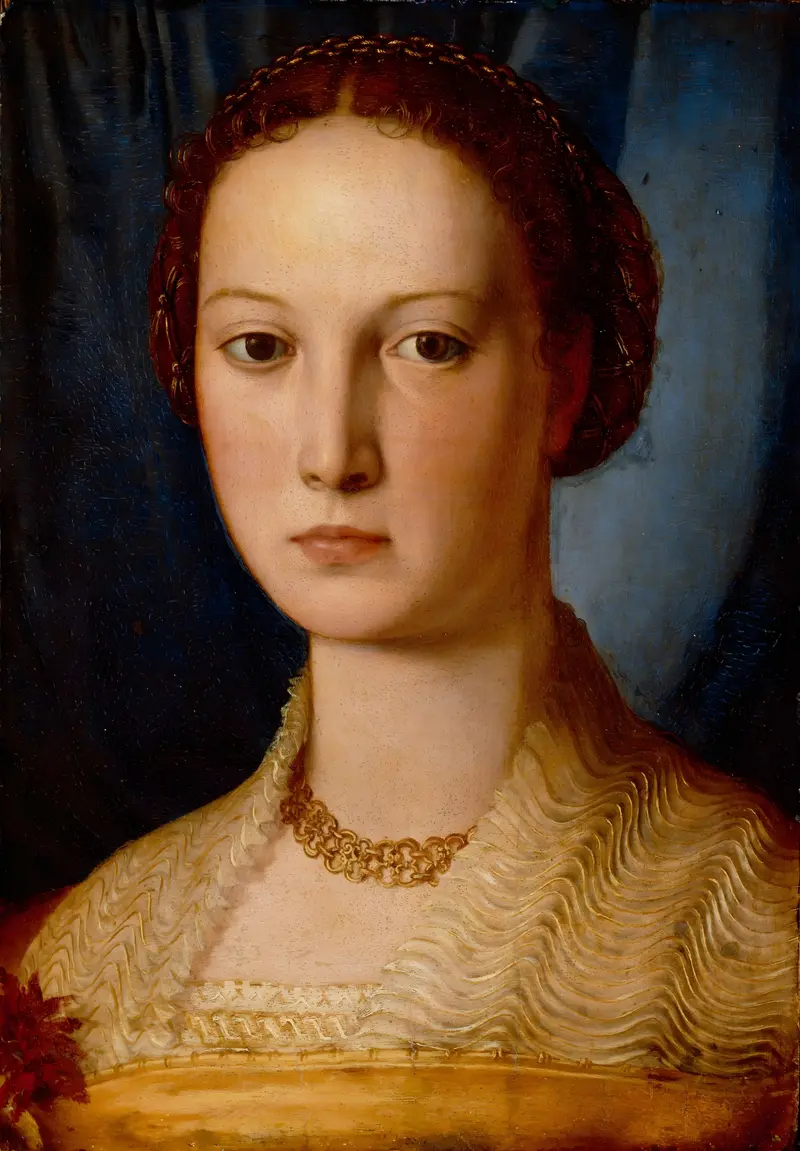
Costanza Da Sommaia
Agnolo Bronzino
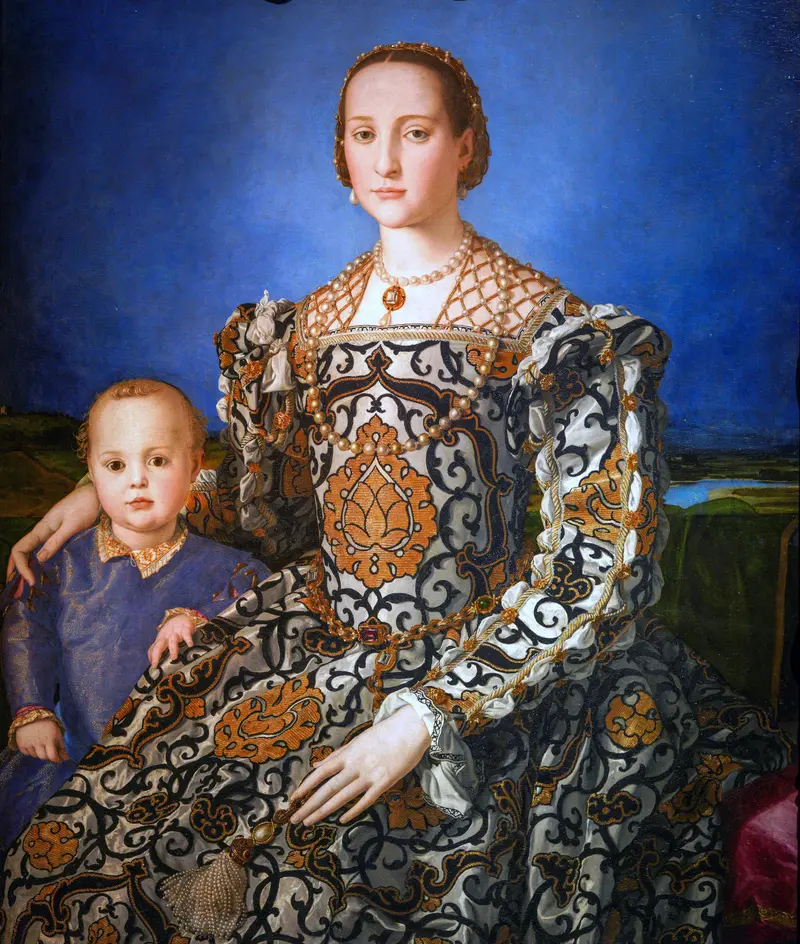
Portrait of Eleanor of Toledo with Her Son Giovanni de’ Medici
Agnolo Bronzino
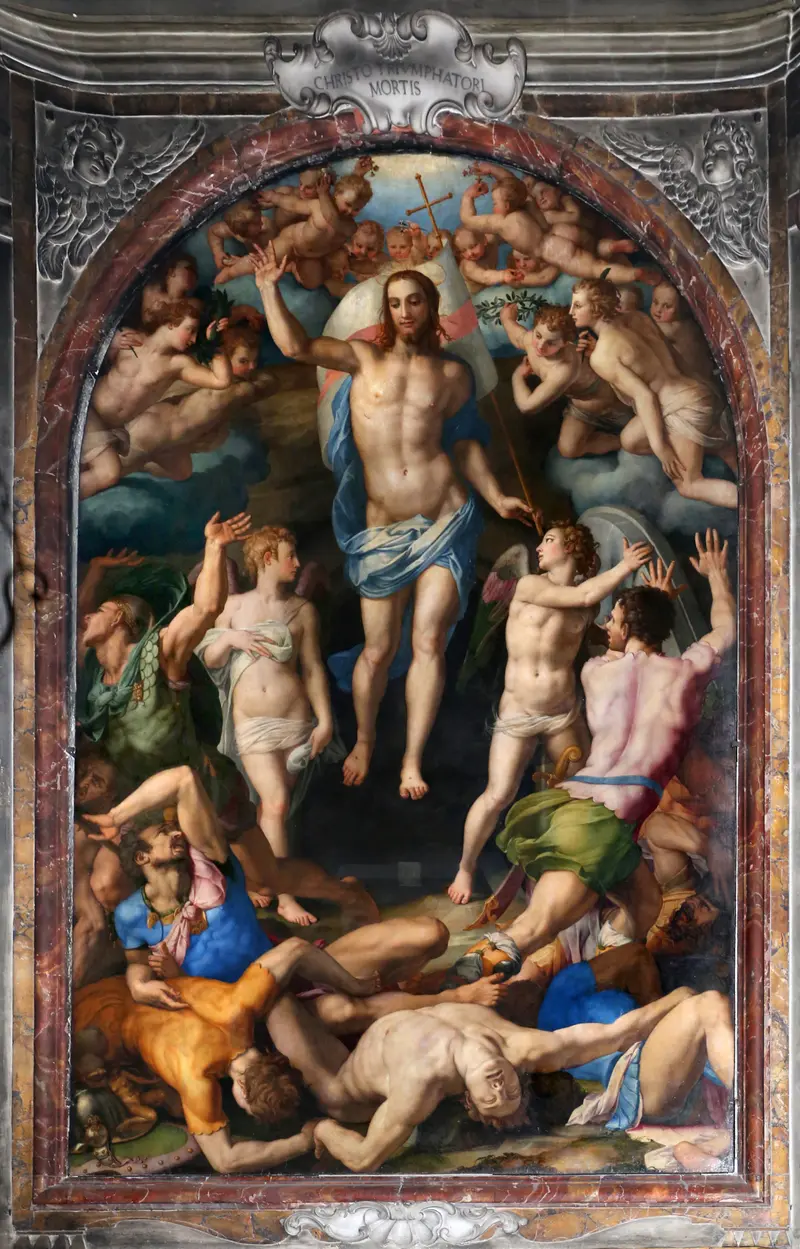
Resurrection Of Christ
Agnolo Bronzino
Saint Sebastian
Agnolo Bronzino





