
Pierre Pertuis — History & Facts
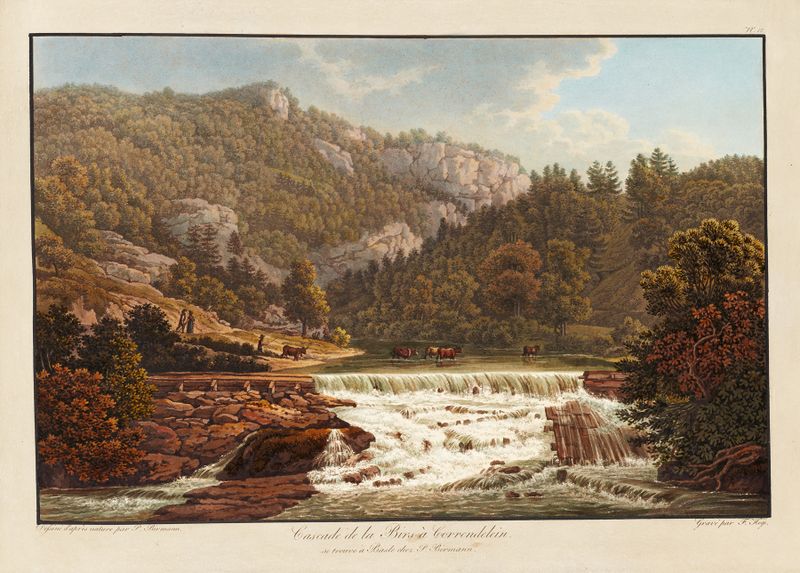
In Pierre Pertuis, the essence of loss is laid bare, inviting viewers to peer into the depths of the human spirit. Here, we confront the unspoken, the aftermath of absence, and the haunting beauty that emerges from grief. Focus on the subtle interplay of muted colors in the background, where somber tones blend into each other, creating a melancholic yet serene setting. Notice how the gentle strokes convey a sense of movement, almost as if the landscape breathes alongside the solitude it represents.
The figures, while present, seem dwarfed by their surroundings, emphasizing the weight of their emotional burden and the isolation that accompanies it. Hidden within the work is a poignant tension between presence and absence, where the figures embody both the vitality of life and the shadow of loss. The contrasting light — soft and diffused — suggests a fleeting moment of remembrance amidst enduring sorrow. Each detail, from the pensive expressions to the gentle curves of the terrain, resonates with the awareness that beauty often coexists with heartache, making the viewer ponder their own experiences of loss. Peter Birmann painted Pierre Pertuis during a time when personal and societal upheavals echoed through the art world.
As an artist situated in the transformative era of the late 18th to early 19th century, he navigated the complexities of Romanticism, allowing emotional depth to emerge in his landscapes. This work reflects both the artist's introspection and the broader cultural dialogues of his time, as he sought to capture the nuances of human emotion against the backdrop of the natural world.
More Artworks by Peter Birmann
Browse all →
View from the Isteinerklotz up the Rhine toward Basel
Peter Birmann

Sursee und Umgebung mit Sempachersee und Alpen
Peter Birmann
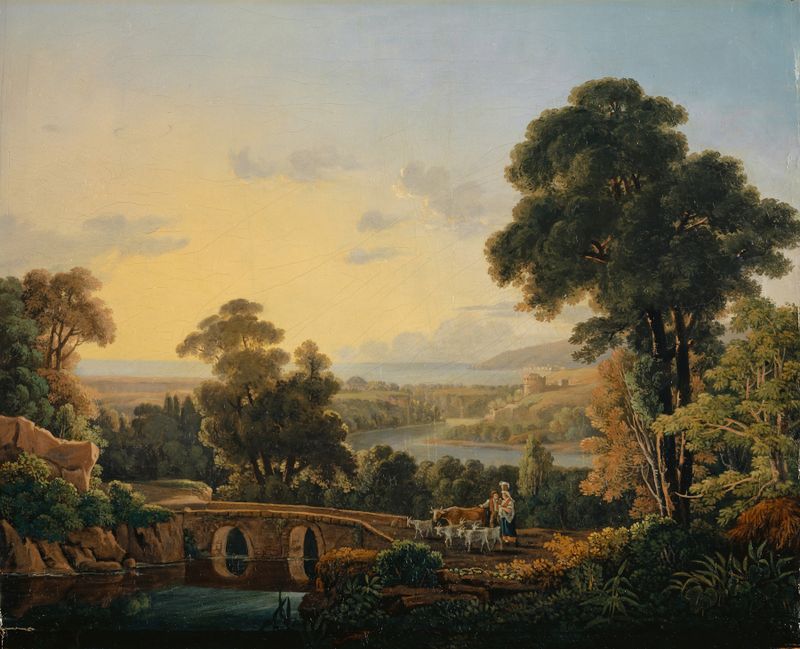
Hilly Landscape with River and Bridge
Peter Birmann
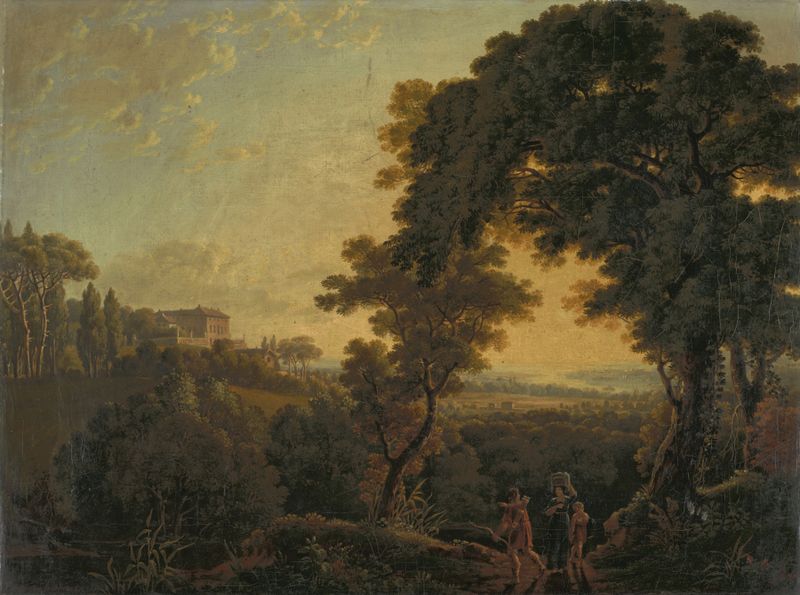
Italian Landscape, Lake Nemi
Peter Birmann

View from the Muttenz Quarry toward Basel
Peter Birmann

Entrée du Val de Moutier
Peter Birmann
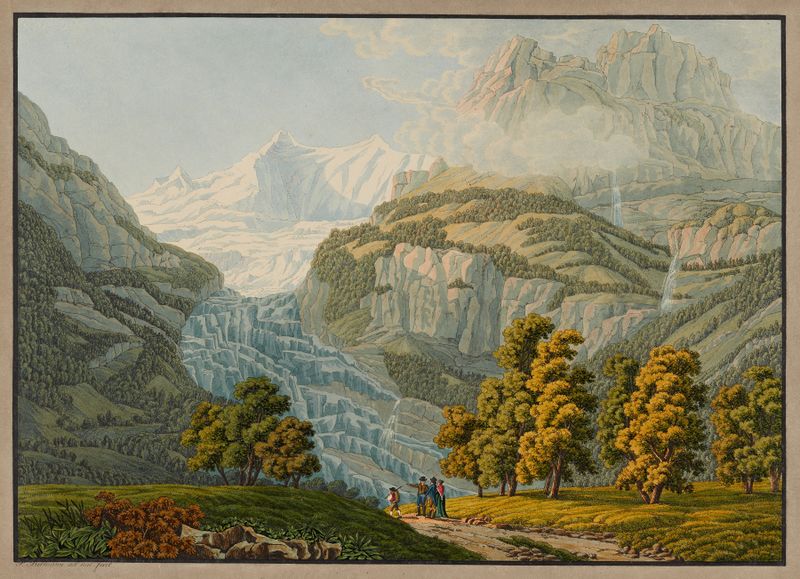
Le Glacier inférieur du Grindelwald, dans le Canton de Berne
Peter Birmann
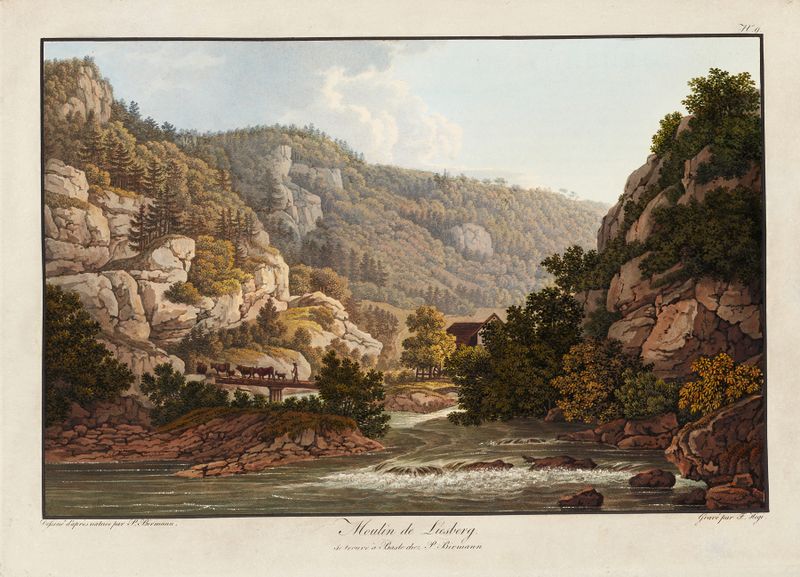
Moulin de Liesberg
Peter Birmann

Blick vom Muttenzer Steinbruch auf Basel (‘Environs de Bâle. prise sur la Carriere de Muttentz’)
Peter Birmann
Cascade de la Birs à Correndelein
Peter Birmann





