Pige med æsel — History & Facts
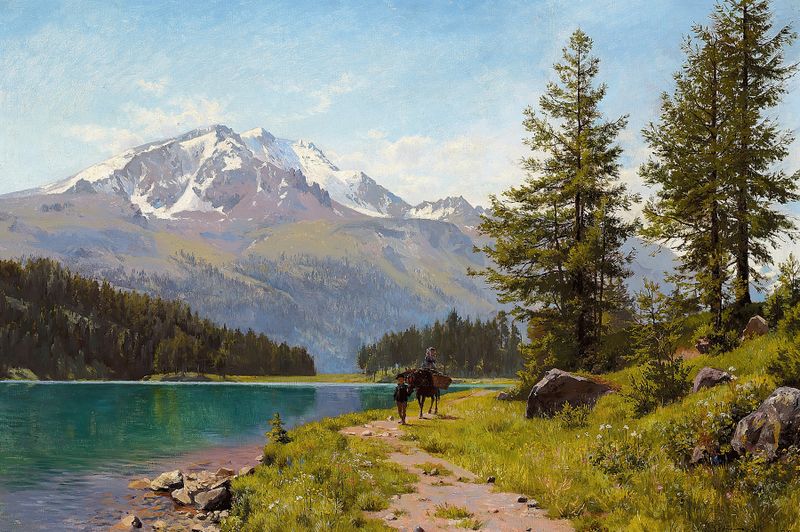
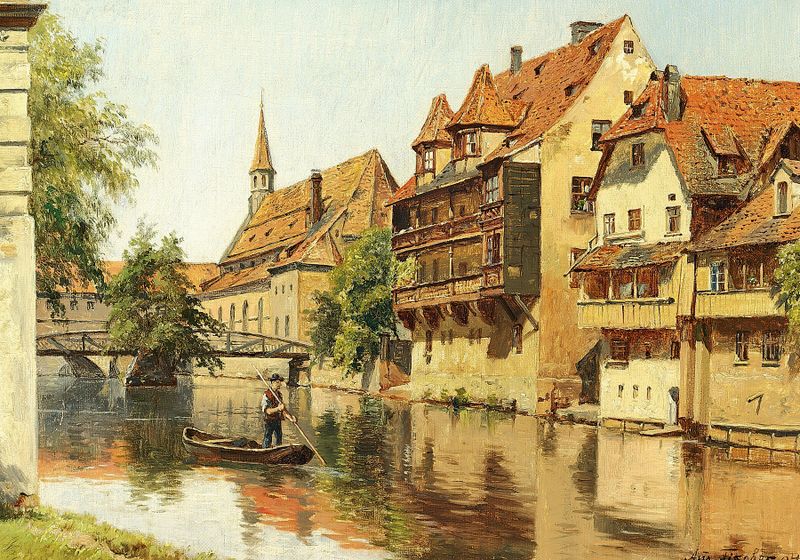
Could beauty survive in a century of chaos? In a world where shadows loom large, light emerges as a fragile yet persistent force, a glimmer of hope amid turmoil. Focus on the gentle interplay of hues, where soft pastels blend seamlessly to depict a serene landscape. Look closely at the warm, luminous light that bathes the scene, illuminating the figures with an ethereal glow. The composition draws you into a tranquil moment, inviting you to pause and reflect on the harmony captured within the brushstrokes. Hidden beneath the surface is a contrast of simplicity and yearning.
The figures, though at peace, seem to carry the weight of their surroundings, suggesting a deeper emotional resonance. The light not only highlights their beauty but also emphasizes the fragility of their existence, hinting at the struggles that lie beyond this fleeting moment of serenity. The juxtaposition of light and shadow mirrors the tension between hope and despair, inviting viewers to ponder the stories untold. August Fischer created this artwork during a period of great change and uncertainty, somewhere between the late 19th and early 20th centuries.
As the art world grappled with movements like Impressionism and Expressionism, Fischer sought to capture the essence of beauty amid societal upheavals. His work reflects a desire to find solace and meaning in a landscape that was rapidly being transformed, echoing the collective yearning for peace amidst chaos.