
Place de la Madeleine no. I — History & Facts
Could a single brushstroke hold eternity? In Place de la Madeleine no. I, the essence of destiny unfolds through a masterful interplay of color and form, inviting the viewer to contemplate the unspoken narratives of urban life in early 20th-century Paris. Focus first on the vibrant yellows and deep blues that dance across the canvas, creating a rhythmic pulse that draws you into the scene. Look to the foreground where a figure stands at the edge of the bustling street, rendered with expressive strokes that seem to vibrate with movement.
Notice how the light captures the architecture of the Madeleine church, its grandeur softened by the warmth of the setting sun that bathes the scene in a golden glow. This color palette not only heightens the drama of the moment but also evokes the transient beauty of city life. Delve deeper into the contrasts present in the work. The solitary figure appears lost in thought, a stark juxtaposition against the vibrant chaos of the street, suggesting themes of isolation amidst the thrumming pulse of urban existence.
The way the brushstrokes blur the edges of the buildings mimics the fleeting nature of time, emphasizing that every second is a moment of destiny waiting to be seized. This encapsulation serves as a poignant reminder that life’s most critical junctures often exist in the overlap of chaos and contemplation. When Place de la Madeleine no. I was created around 1910, Frank Edwin Scott was immersed in a rapidly evolving art scene, influenced by Impressionism and the modernist currents that were reshaping visual language.
Working in Paris during this period, he aimed to capture the vibrancy of the city while reflecting his own personal experiences of destiny and transience against a backdrop of societal change.
More Artworks by Frank Edwin Scott
Browse all →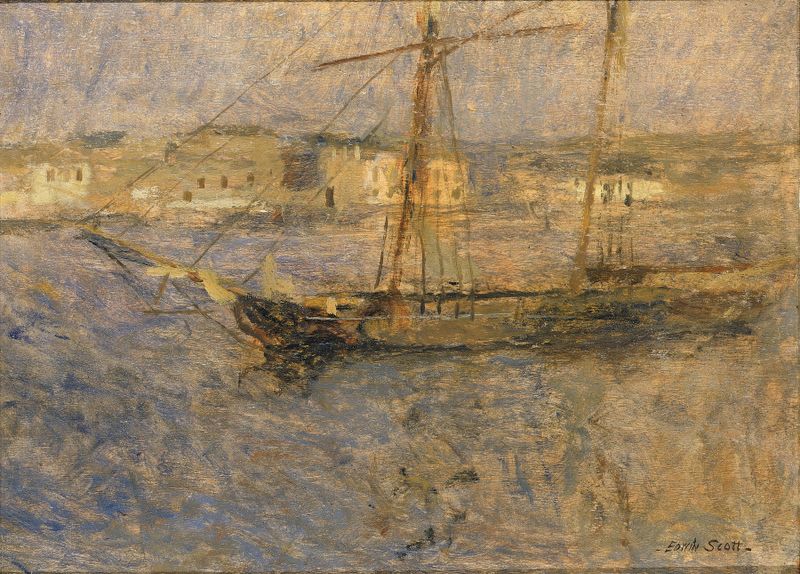
Ships at Anchor, Cherbourg no. I
Frank Edwin Scott
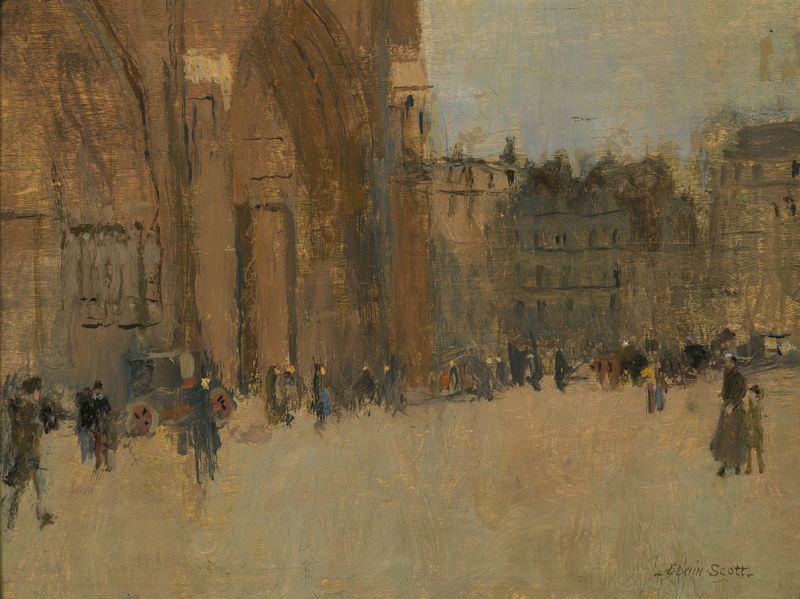
Notre Dame no. III
Frank Edwin Scott
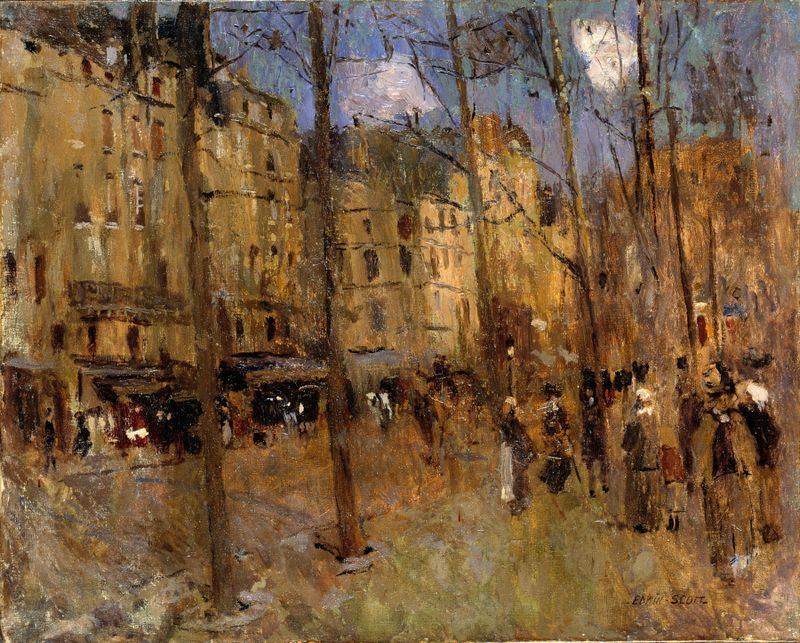
Boulevard St. Germain
Frank Edwin Scott
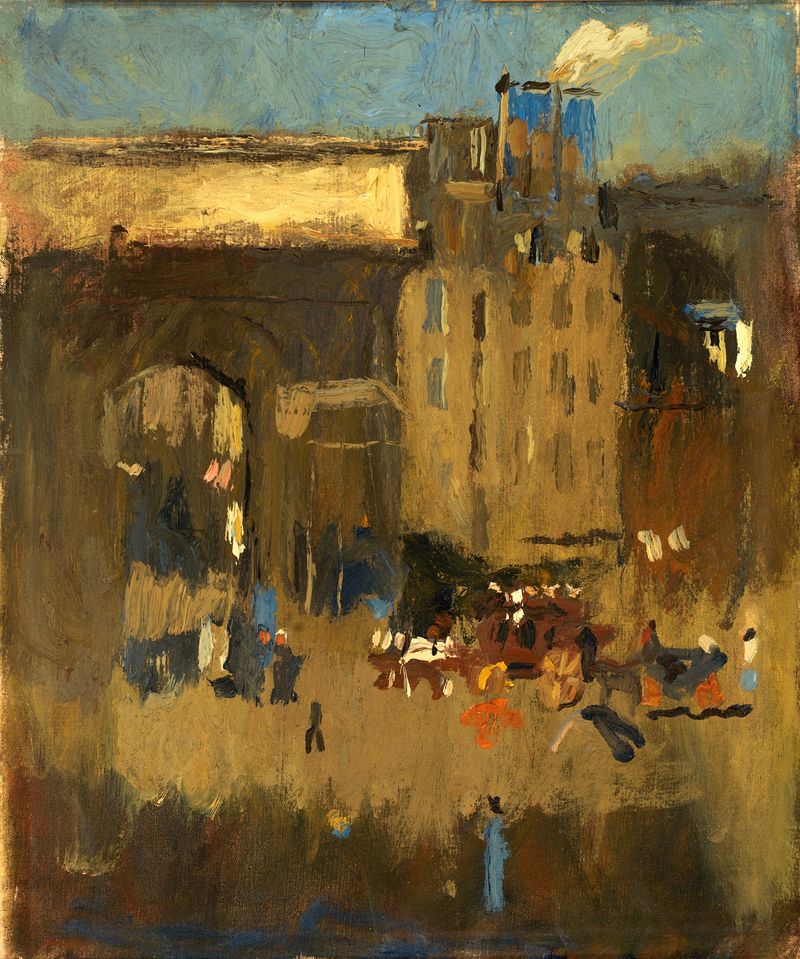
Porte St. Martin et Enterrement
Frank Edwin Scott
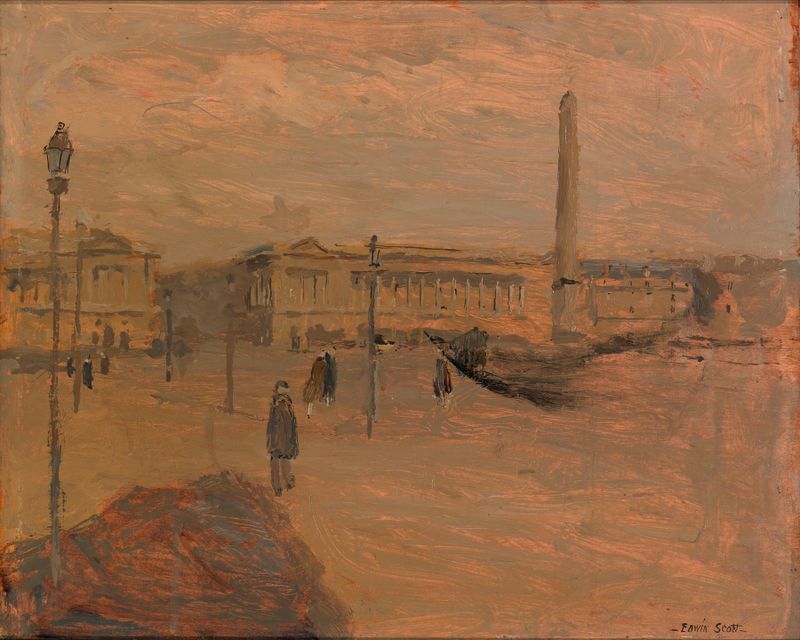
La Concorde
Frank Edwin Scott
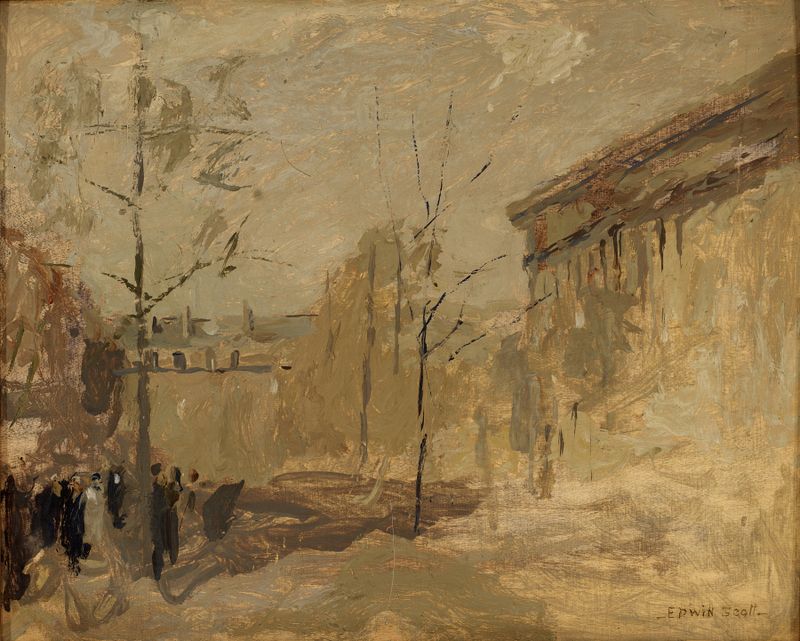
Place de la Madeleine no. II
Frank Edwin Scott
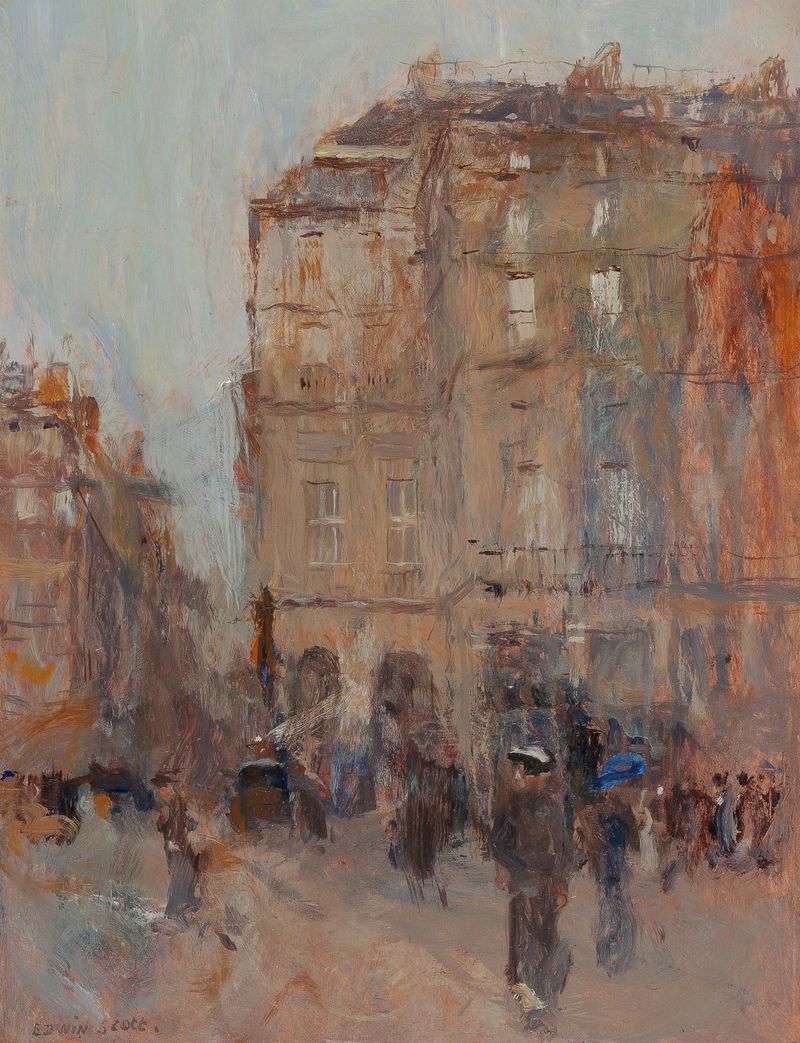
A Gray Day in Paris
Frank Edwin Scott
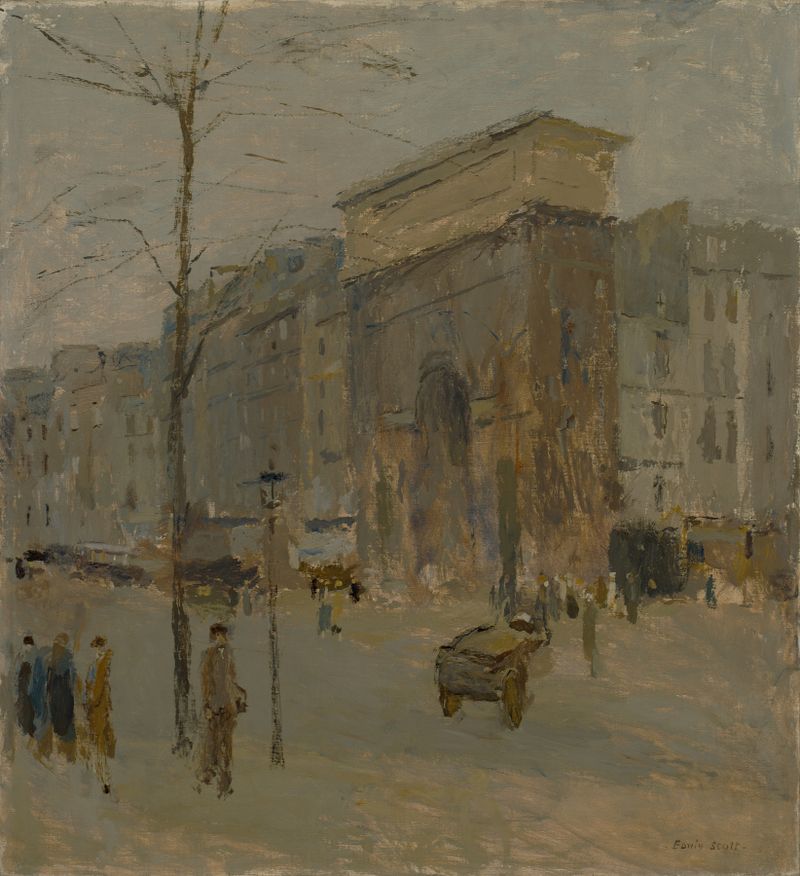
Porte St. Martin no. II
Frank Edwin Scott
Place de la Concorde no. II
Frank Edwin Scott
Eglise de Ville
Frank Edwin Scott





