
Pleasant Pastures — History & Facts
In the gentle embrace of nature, truth unfolds as a soft breeze dances through tall grasses, whispering secrets to the open sky. Here, serenity reigns, and the viewer stands witness to the harmony of life, where every blade of grass and ripple of light is an invitation to reflect. Look to the left at the sprawling fields, where vibrant greens intertwine with dappled sunlight that bathes the landscape in a golden hue. The brushwork is both delicate and bold, capturing the essence of a moment suspended in time.
Notice how the clouds lazily drift across the azure canvas, their reflections mirrored in the tranquil water, creating a sense of depth and movement that pulls you into the painting’s embrace. As you delve deeper, consider the contrast between the stillness of the landscape and the underlying sense of vitality. The interplay of light and shadow evokes a feeling of transience — a reminder that each fleeting moment in nature holds an eternal truth. The choice of colors speaks to both the vibrancy of the scene and the quiet introspection it inspires, evoking a profound connection between viewer and subject. In 1887, Edward Mitchell Bannister painted this landscape during a period of personal and artistic growth.
Living in Providence, Rhode Island, he was a prominent figure in the American art scene, known for his pioneering role as a Black artist. His work coincided with a time of increasing recognition for African American artists, and Pleasant Pastures reflects his commitment to capturing the beauty of nature while challenging societal expectations.
More Artworks by Edward Mitchell Bannister
Browse all →
Landscape
Edward Mitchell Bannister
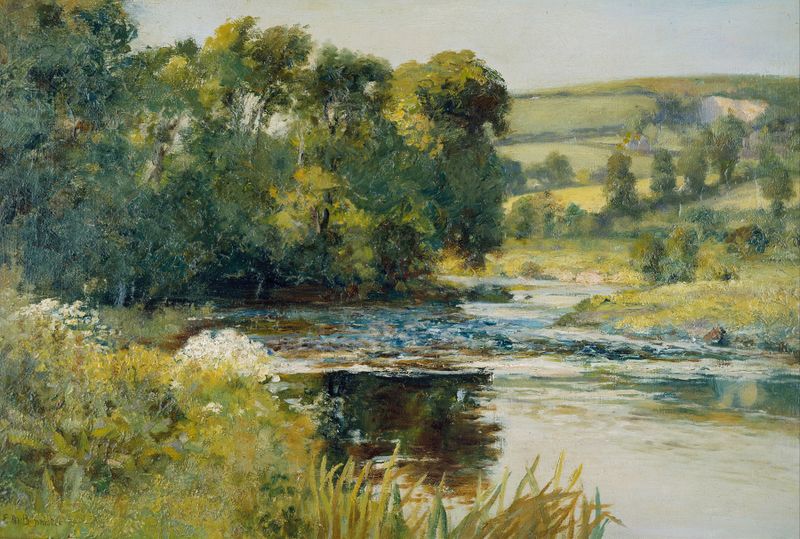
Streamside
Edward Mitchell Bannister

Untitled
Edward Mitchell Bannister

On the Seekonk
Edward Mitchell Bannister

Morning on the Shore
Edward Mitchell Bannister

Summer Twilight
Edward Mitchell Bannister
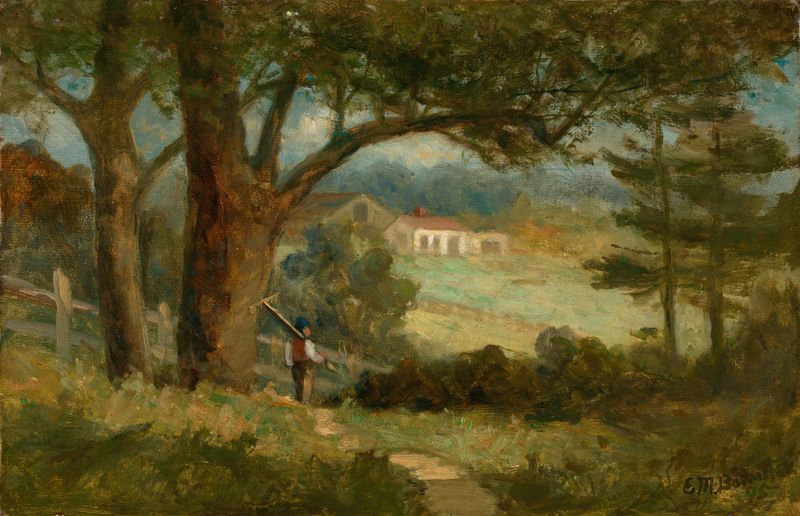
Homeward
Edward Mitchell Bannister
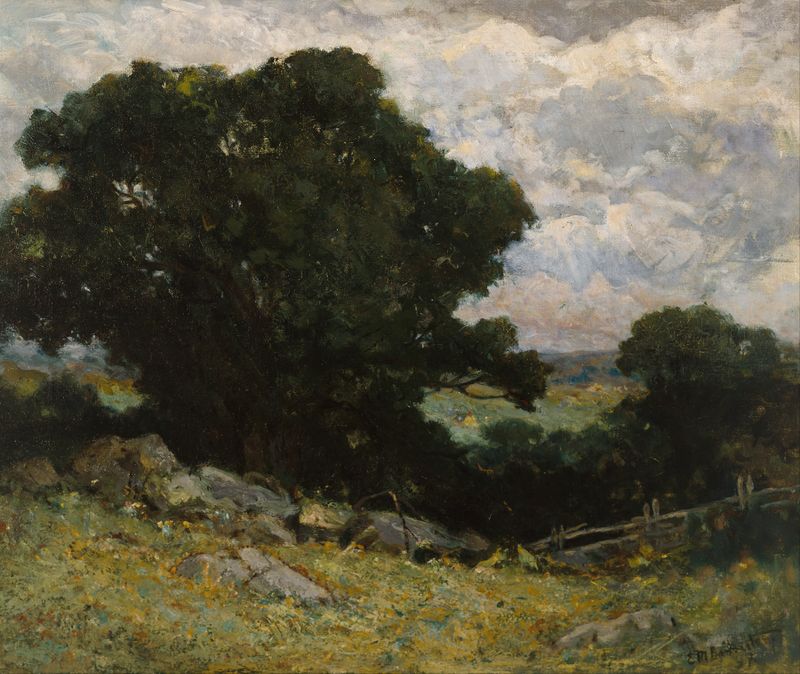
Landscape
Edward Mitchell Bannister
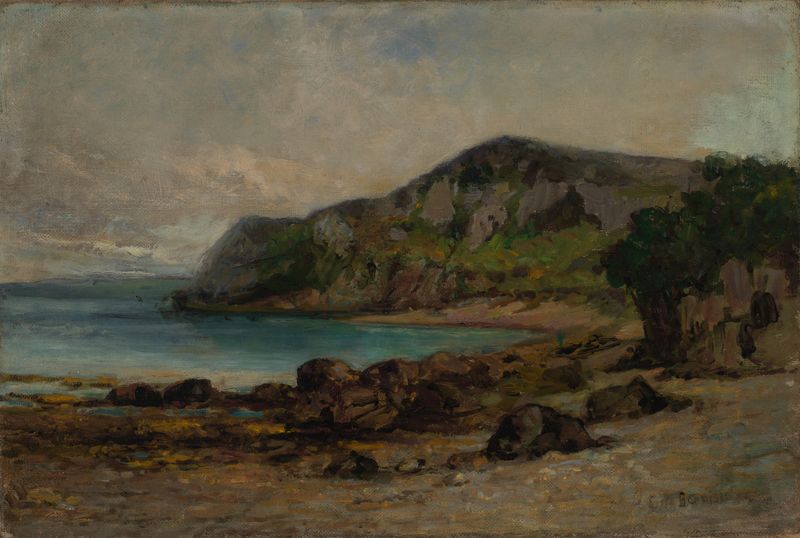
Rocks at Newport
Edward Mitchell Bannister

Sunset
Edward Mitchell Bannister





