
Plymouth Roads — History & Facts
Who listens when art speaks of silence? In the stillness of Plymouth Roads, a moment is captured, inviting contemplation on the passage of time and the unseen stories of the sea. Look to the center of the canvas, where gentle waves embrace a tranquil harbor, each brushstroke swirling with a muted palette of blues and grays. The horizon is softened by a delicate haze, allowing the viewer to feel as if they are peering into a dreamlike world. Notice how the light dances upon the water's surface, creating a shimmering path that draws the eye toward the distant ships, their silhouettes quietly asserting their presence against the expansive backdrop. As you take in the scene, consider the contrasts at play: the calmness of the water juxtaposed with the looming power of the ships, hinting at the tension between nature and human endeavor.
The stillness invites reflection, suggesting layers of history and the countless voyages that have taken place within this harbor. Each element—cloud, sea, vessel—whispers of time’s relentless passage, urging us to ponder the stories left untold by the stillness. Created in a period when Romanticism was flourishing, the artist painted this piece during a time of personal and cultural exploration. The precise date is unknown, yet it exemplifies his keen observation of natural beauty and maritime life, reflecting the broader movement in the arts that sought to connect emotion with the sublime.
In those years, Serres was increasingly recognized for his masterful maritime scenes, capturing both the majesty and the melancholy inherent in the relationship between mankind and the sea.
More Artworks by John Thomas Serres
Browse all →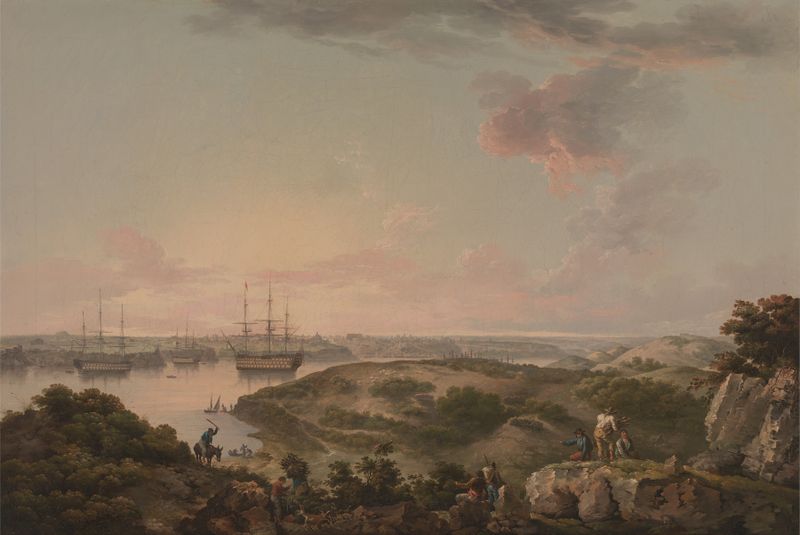
Port Mahon, Minorca with British Men-of-War at Anchor
John Thomas Serres
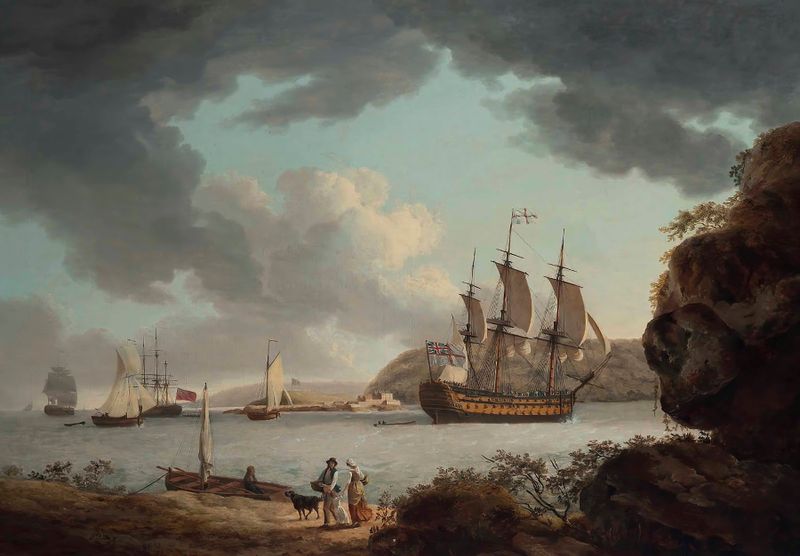
A Flagship Of The White Entering The Hamoaze And Approaching Plymouth Dock With Drake’S Island Off Her Port Quarter
John Thomas Serres
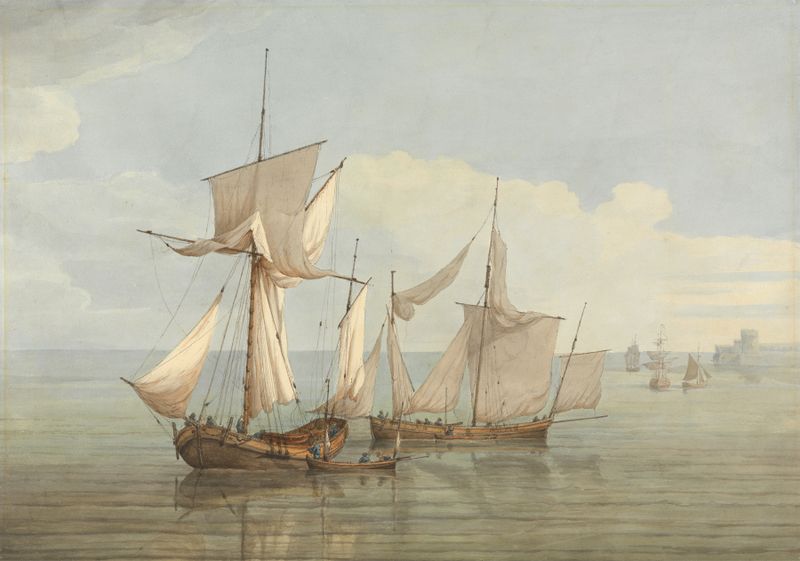
A Hoy and a Lugger with other Shipping on a Calm Sea
John Thomas Serres
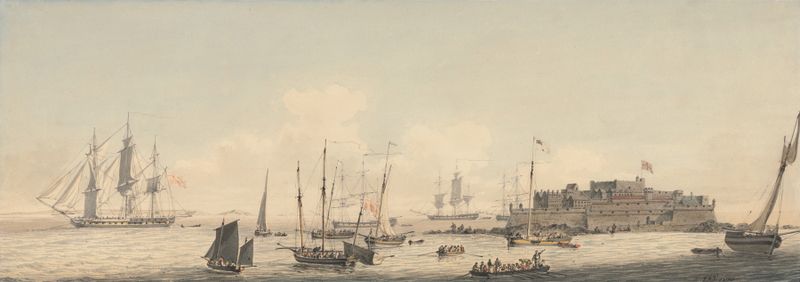
View of Castle Cornet, Guernsey, Channel Islands, with Shipping
John Thomas Serres

Gibraltar, South West by West
John Thomas Serres
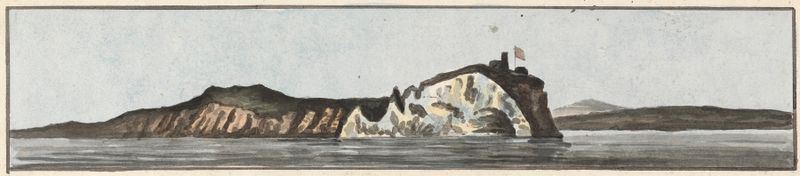
The Needles Bearing East
John Thomas Serres

The South Foreland and Shakespeare’s Cliff
John Thomas Serres

The North Foreland
John Thomas Serres

Gibraltar, The Signal House
John Thomas Serres

Old Harry, Swanage Bay
John Thomas Serres





