
Pohľad na Rozáliu pri Košiciach — History & Facts
In the stillness of a captured moment, destiny whispers through every brushstroke, unveiling the fragile intersection of individuality and circumstance. Begin your exploration of Pohľad na Rozáliu pri Košiciach by focusing on the figure of Rozália, whose gaze draws you in from the canvas's left. Her profile is delicately rendered, framed by soft, earthy tones that evoke the tranquil landscape surrounding her. Notice how the gentle light bathes her in warmth, contrasting sharply with the cooler shadows that hint at the complexities of her inner world.
The meticulous details in her attire suggest not only identity but also the cultural richness of her time, while the background recedes into a dreamy blur, emphasizing her centrality in this intimate scene. Delve deeper into the emotional landscape the artist crafts. The juxtaposition of light and shadow on Rozália’s face evokes a sense of longing and introspection, as if she stands at the precipice of an unseen future. The muted palette reinforces a sense of nostalgia, urging viewers to reflect on their own paths and the fates that shape them.
In this interplay between the foreground and background, the painting becomes a meditation on the nature of existence, beauty, and the inherent uncertainties of life. Created in 1914, Kövári-Kačmarik painted this piece during a period of great nationalistic fervor in Hungary and across Europe. He was deeply influenced by the burgeoning modern art movements while maintaining a connection to his roots in figurative representation. This work encapsulates a moment of personal and cultural reflection, as the impending upheavals of World War I loomed on the horizon, thereby framing Rozália not just as an individual, but as an emblem of the era’s poignant uncertainties.
More Artworks by Konštantín Kövári-Kačmarik
Browse all →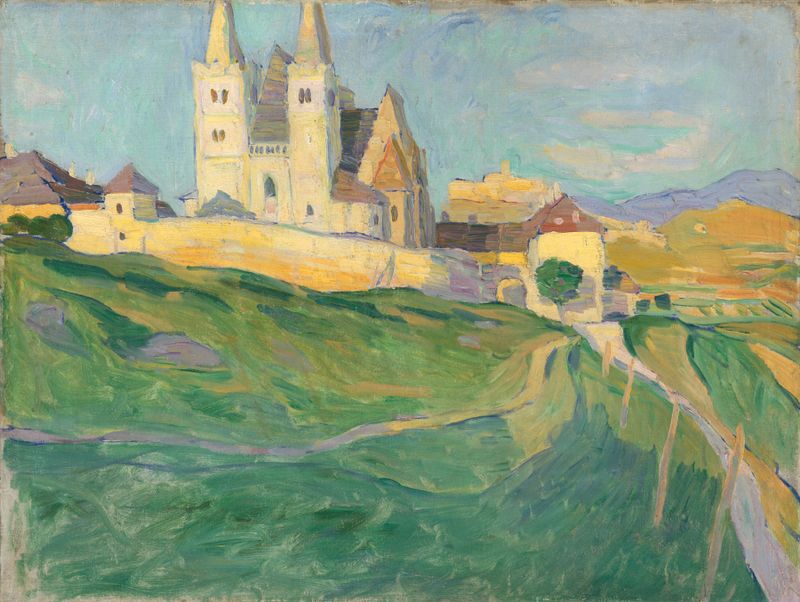
Spišská Kapitula
Konštantín Kövári-Kačmarik
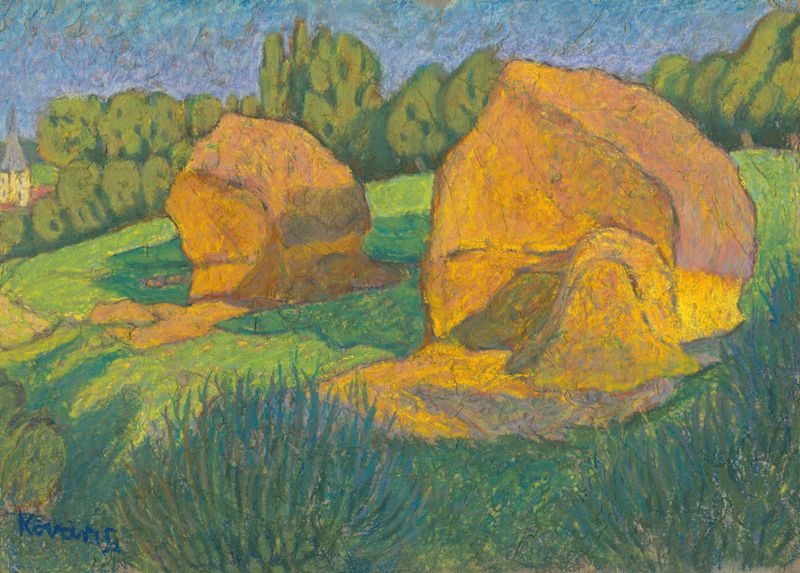
Krajina so stohmi
Konštantín Kövári-Kačmarik

Krátka ulica v Košiciach
Konštantín Kövári-Kačmarik
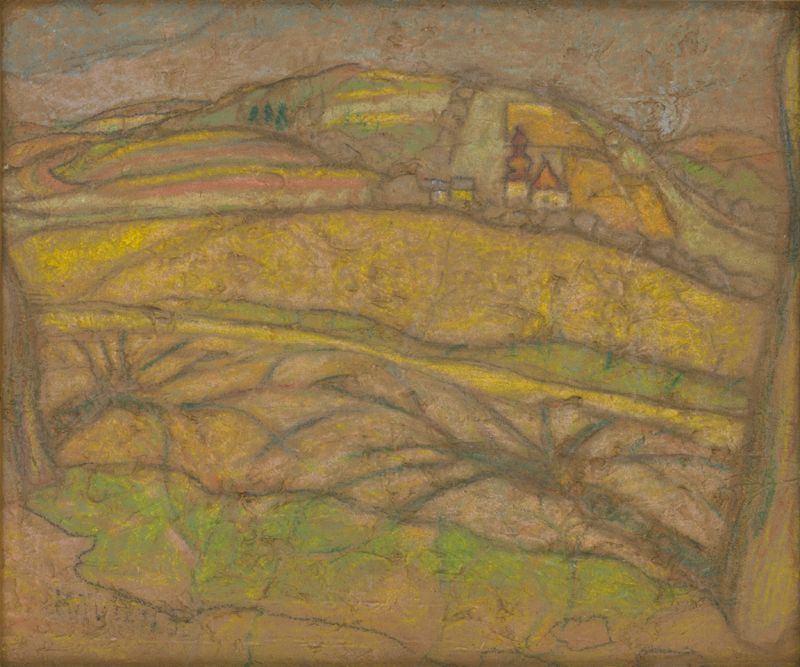
Kalvária pri Košiciach
Konštantín Kövári-Kačmarik

Ulica v Kežmarku
Konštantín Kövári-Kačmarik
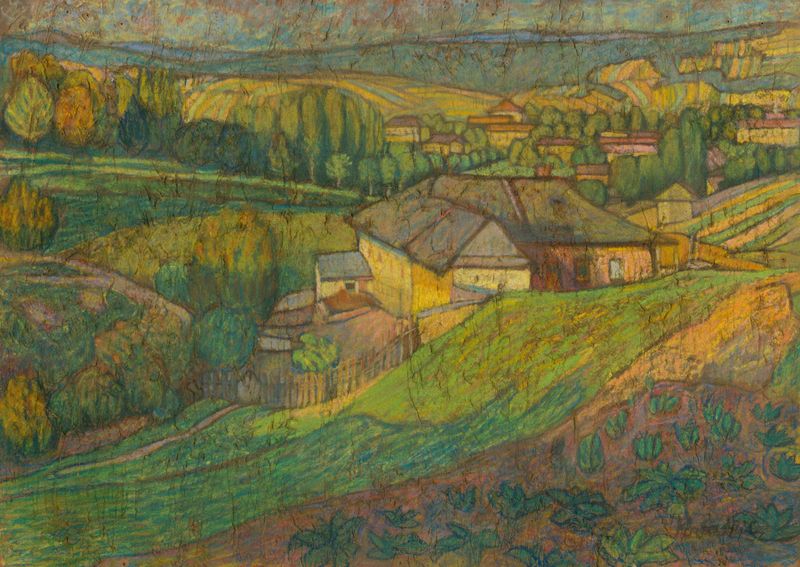
Pohľad na Kalváriu
Konštantín Kövári-Kačmarik
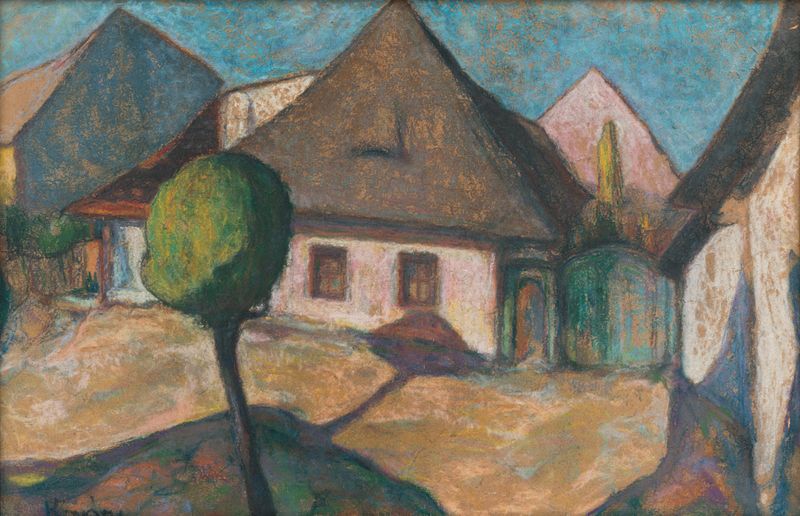
Old Košice
Konštantín Kövári-Kačmarik
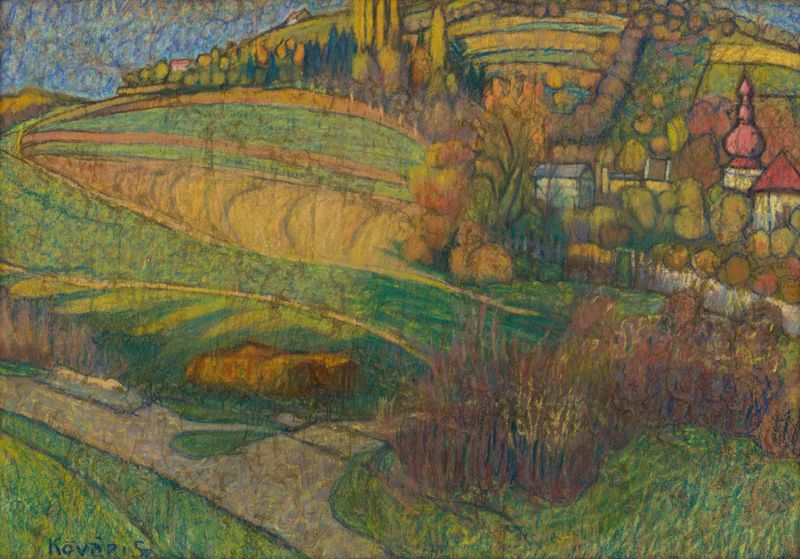
Krajina
Konštantín Kövári-Kačmarik

Krajina
Konštantín Kövári-Kačmarik
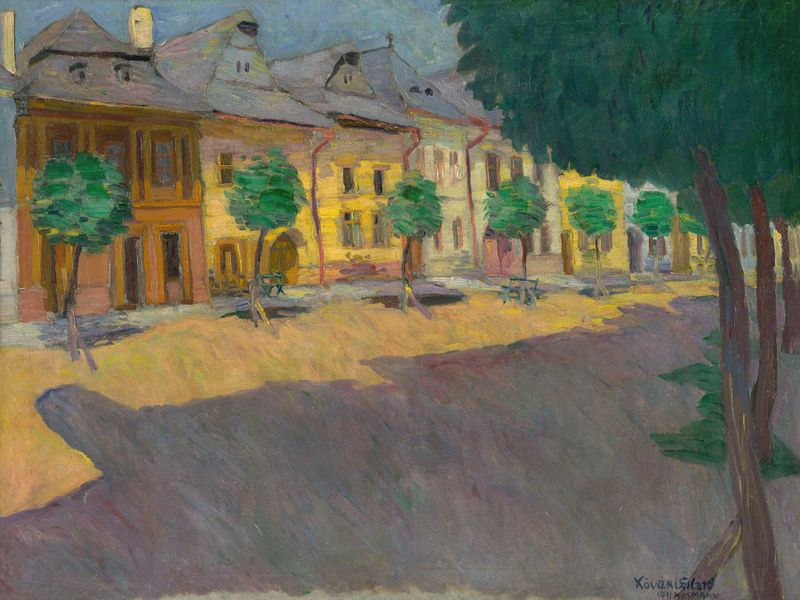
Ulica v Kežmarku
Konštantín Kövári-Kačmarik
More Portrait Art
Browse all →
Las meninas
Diego Velázquez

Self-portrait with a Bandaged Ear and Pipe
Unidentified artist

Girl with a Pearl Earring
Johannes Vermeer

The Sampling Officials of the Amsterdam Drapers’ Guild, Known as ‘The Syndics’
Rembrandt van Rijn

The Hundred Guilder Print: the man seen on the back in the lower left corner
Rembrandt van Rijn

Portrait of Dr Gachet
Vincent van Gogh