
Point de Galle auf Ceylon (Sri Lanka) — History & Facts
In the quiet moments of solitude, we often confront the depths of our existence through the lens of creativity, touching upon loss in ways words cannot convey. Focus first on the tranquil blues and greens that fill the canvas, evoking the lush landscapes of Ceylon. The soft brushstrokes create a gentle interplay between land and sea, inviting you to explore the boundaries where ocean waves kiss the shore. Notice how the horizon blurs into the sky, suggesting a seamless connection that is both inviting and elusive, reflecting a space suspended in time. There’s an underlying tension in the juxtaposition of the vibrant natural beauty and the haunting sense of absence that permeates the scene.
The meticulously painted palm trees stand tall, yet the absence of human figures hints at stories lost to history—echoes of those who once thrived in this paradise. Each element, from the resplendent colors to the serene composition, conveys a poignant yearning, as if the land itself mourns a significant loss that remains unspoken. In 1858, while creating this work, Joseph Selleny was navigating a turbulent period in his career, marked by the shifting tides of the art world. He painted during a time when the European fascination with exotic locales was blossoming, reflecting a growing interest in colonial subjects.
The tension between the romanticized view of distant lands and the reality of cultural displacement was palpable, as Selleny sought to capture both the beauty and the complexity of Ceylon, a place that was equally alluring and marked by loss.
More Artworks by Joseph Selleny
Browse all →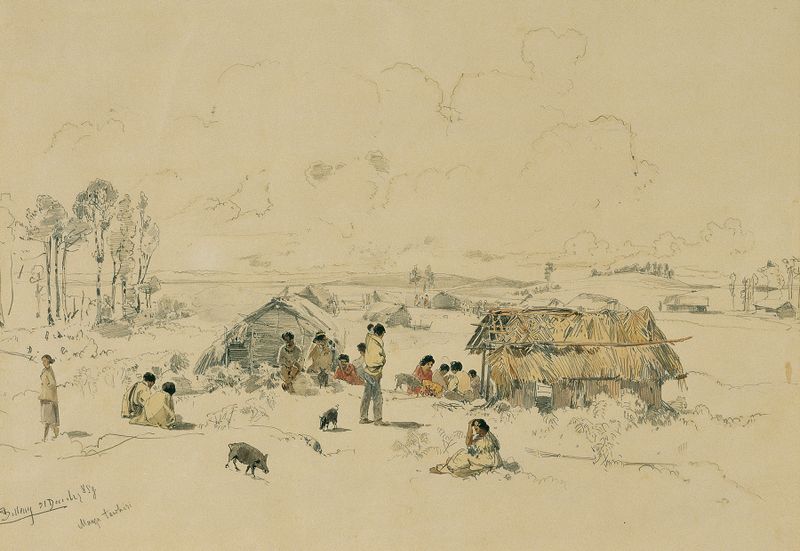
Maori-Dorf am Fluss Mangatawhiri, Auckland (Neuseeland)
Joseph Selleny
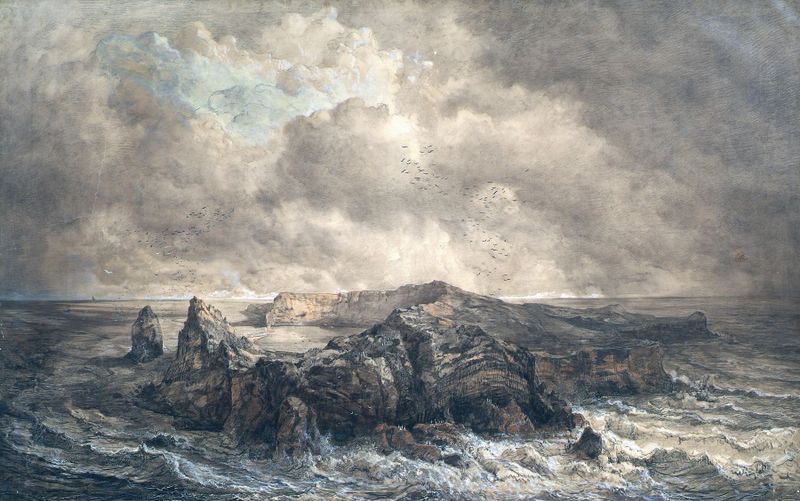
Die Insel St. Paul im Indischen Ozean
Joseph Selleny
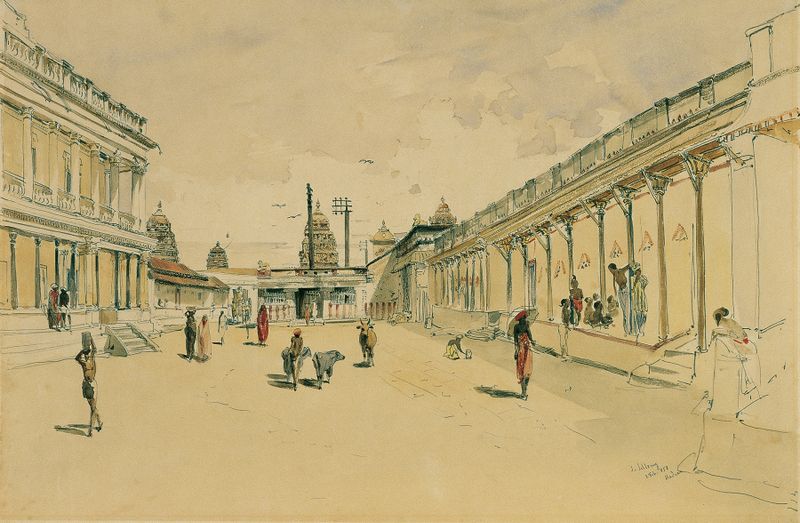
Straße in Madras mit einem Tempel
Joseph Selleny
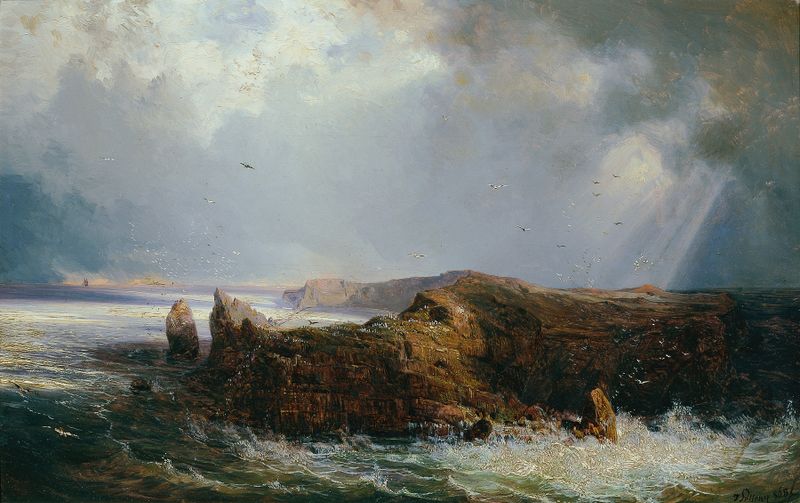
Die Insel St. Paul im Indischen Ozean
Joseph Selleny
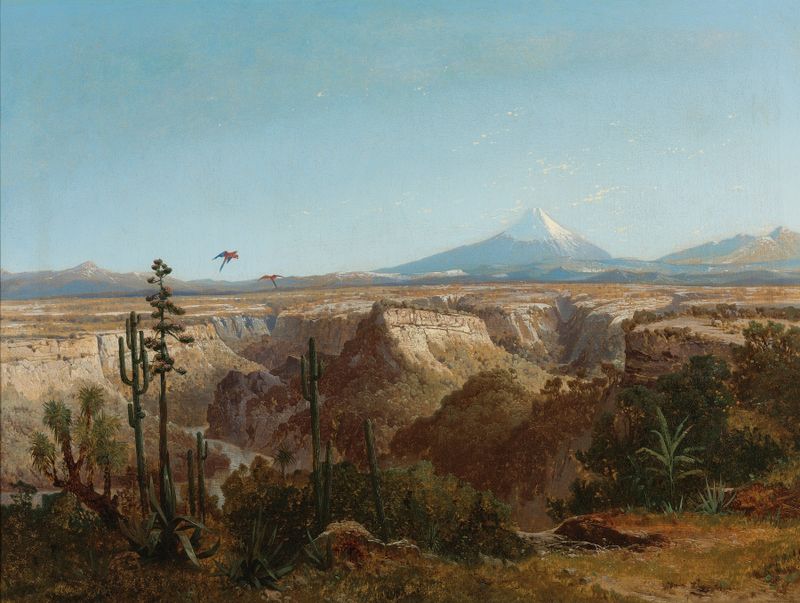
View Of The Atacama Desert In Chile With The Licancabur Volcano In The Background
Joseph Selleny
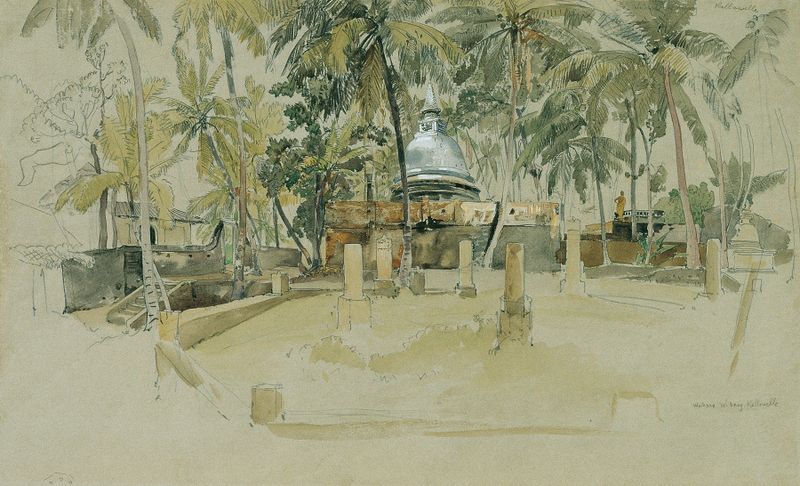
Buddhistischer Tempel auf Ceylon (Sri Lanka)
Joseph Selleny
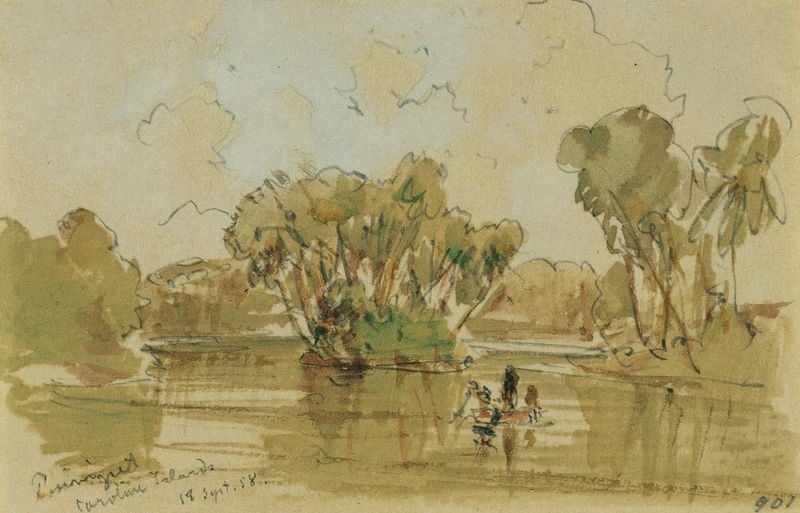
Landschaft auf der Insel Puinipet (Ponape), Caroline Islands
Joseph Selleny
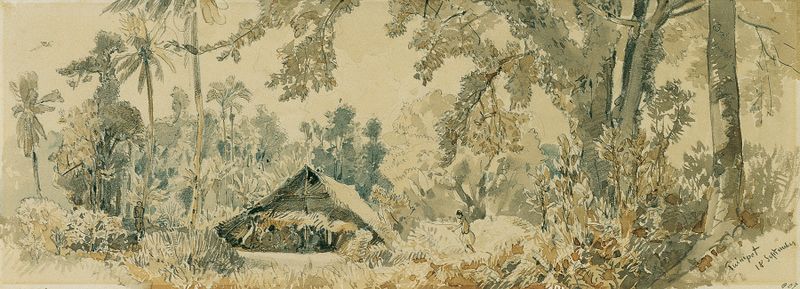
Eingeborenenhütte auf der Insel Puinipet (Ponape), Caroline Islands
Joseph Selleny

Haus des Roankiddi-Häuptlings auf der Insel Puinipet (Ponape), Caroline Islands
Joseph Selleny
Der Tempelhain Makok auf der Halbinsel Macao
Joseph Selleny





