Discover insights about this artwork
Poires dans une assiette blanche — History & Facts
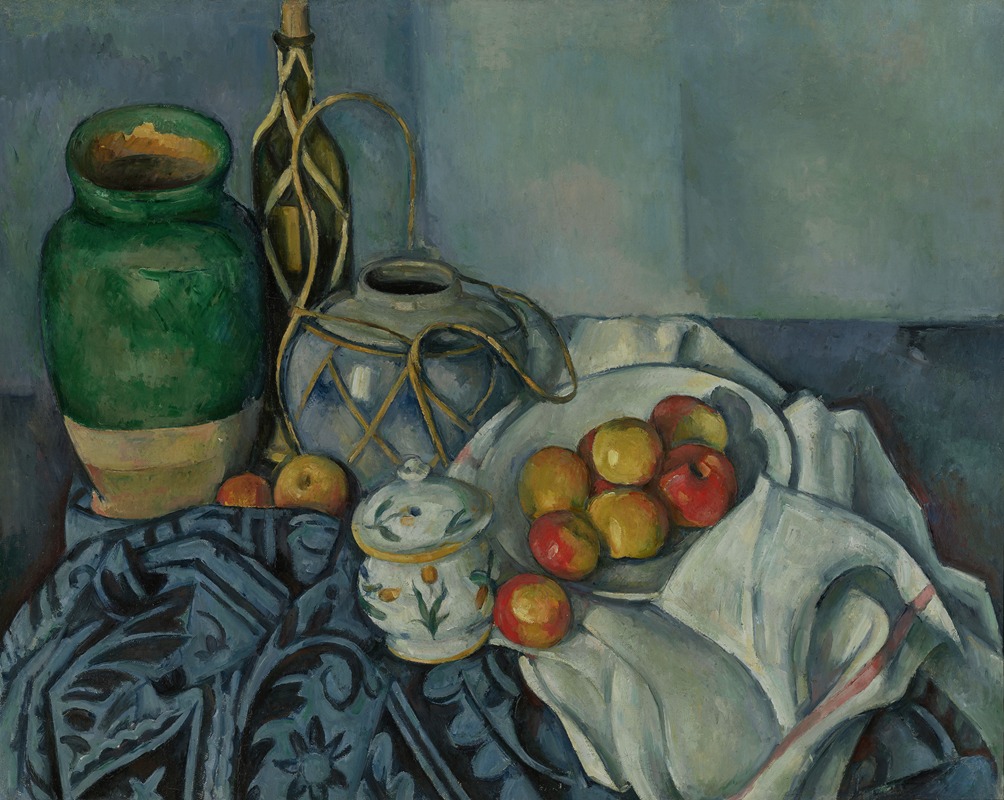
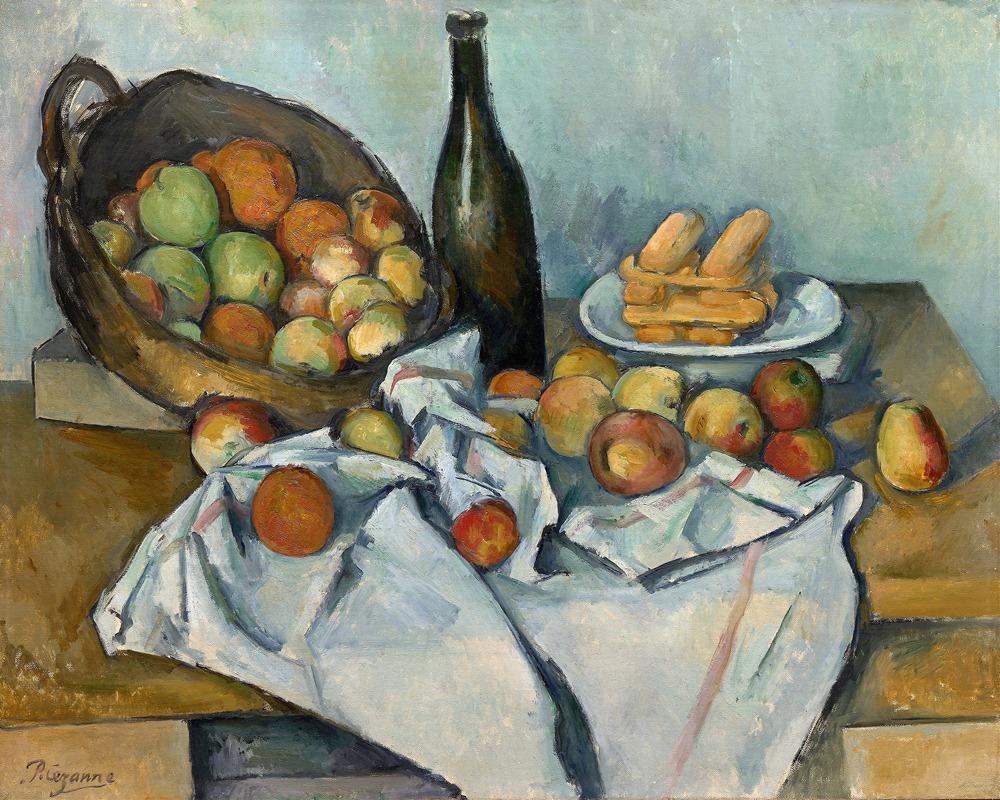
In Poires dans une assiette blanche, Paul Cézanne presents a simple yet striking composition of pears arranged in a white plate. The pears are depicted in varying shades of green and yellow, with soft highlights that suggest their roundness. The background is a muted palette, allowing the fruit to stand out prominently.
The overall effect is one of harmony and balance, typical of Cézanne's still life works. Cézanne's technique involves the use of thick brushstrokes and a layered approach to color, which gives the painting a textured appearance. The light falls gently on the pears, creating subtle shadows that enhance their three-dimensional quality. The composition is carefully structured, with the plate positioned slightly off-center to create visual interest.
This approach reflects Cézanne's desire to explore form and color in a new way. Paul Cézanne is often regarded as a bridge between Impressionism and modern art, influencing many future artists. This particular work, created in the 1890s, showcases his innovative style and his focus on the interplay of color and form. Interestingly, Cézanne painted numerous still lifes throughout his career, often returning to the same subjects to explore them from different angles.
Poires dans une assiette blanche exemplifies his dedication to capturing the essence of objects through his unique perspective.
More Artworks by Paul Cézanne
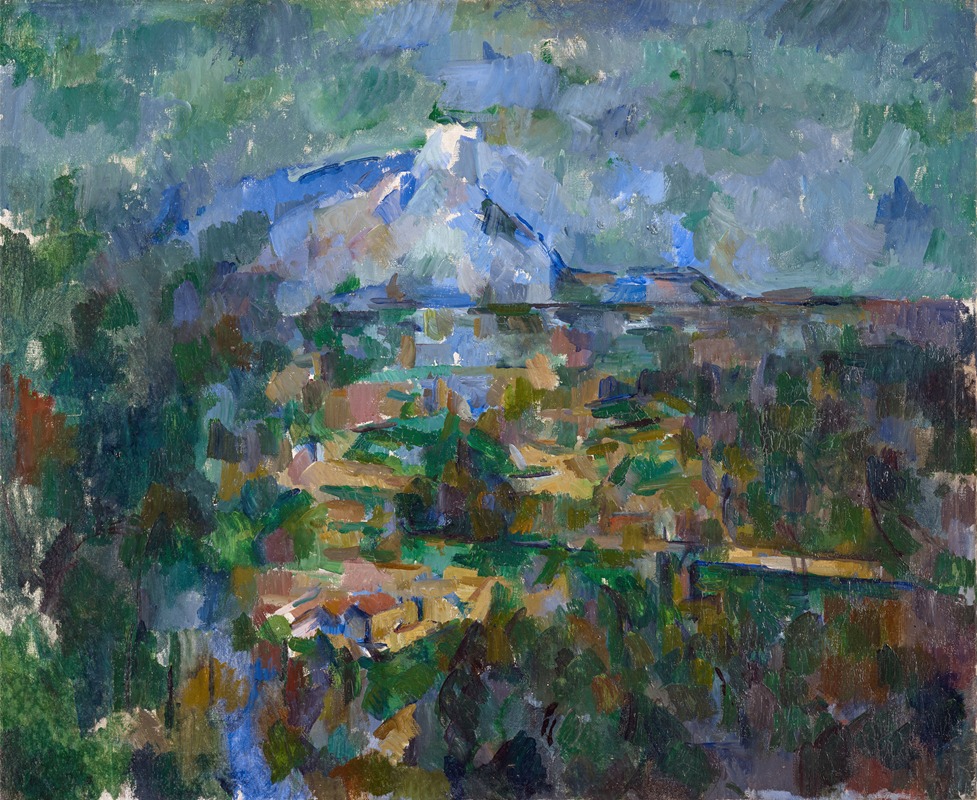
The Mont Sainte-Victoire Seen From Les Lauves
Paul Cézanne
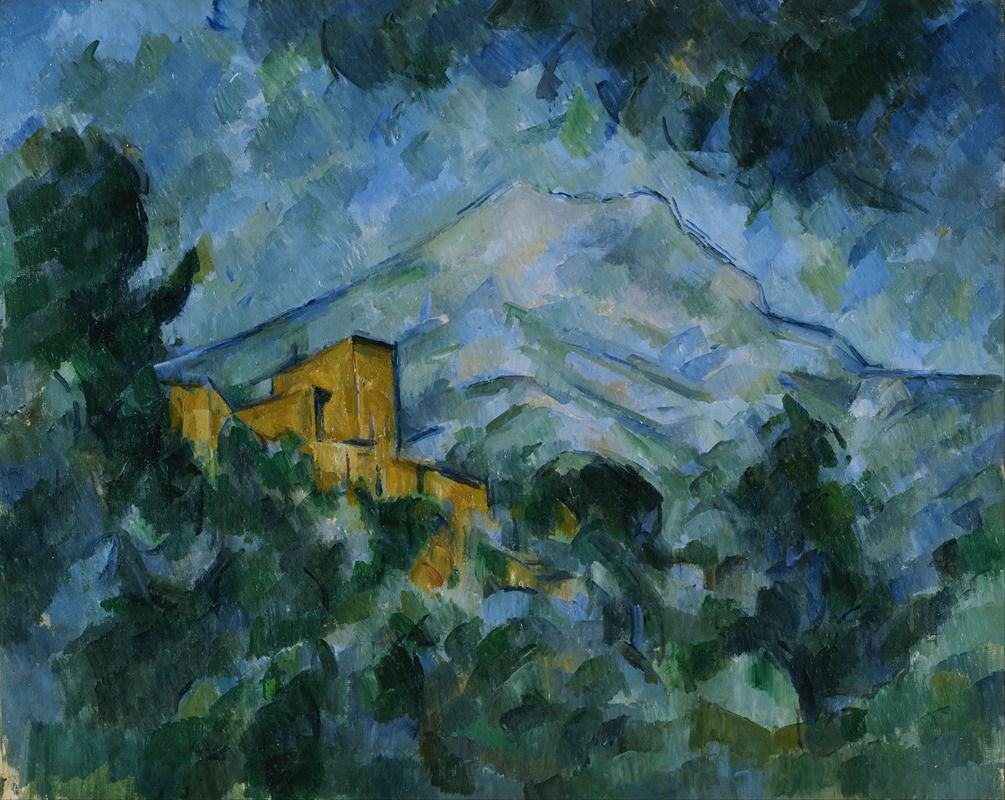
Mont Sainte-Victoire and Château Noir
Paul Cézanne
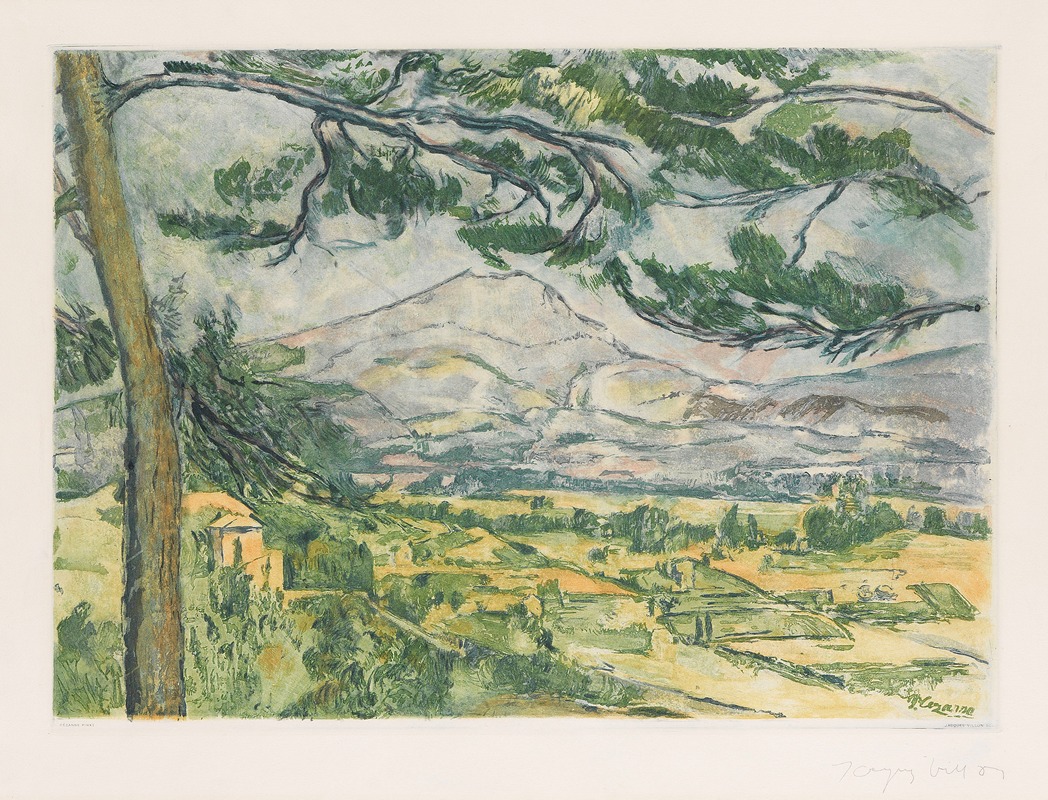
La Montagne Sainte-Victoire
Paul Cézanne
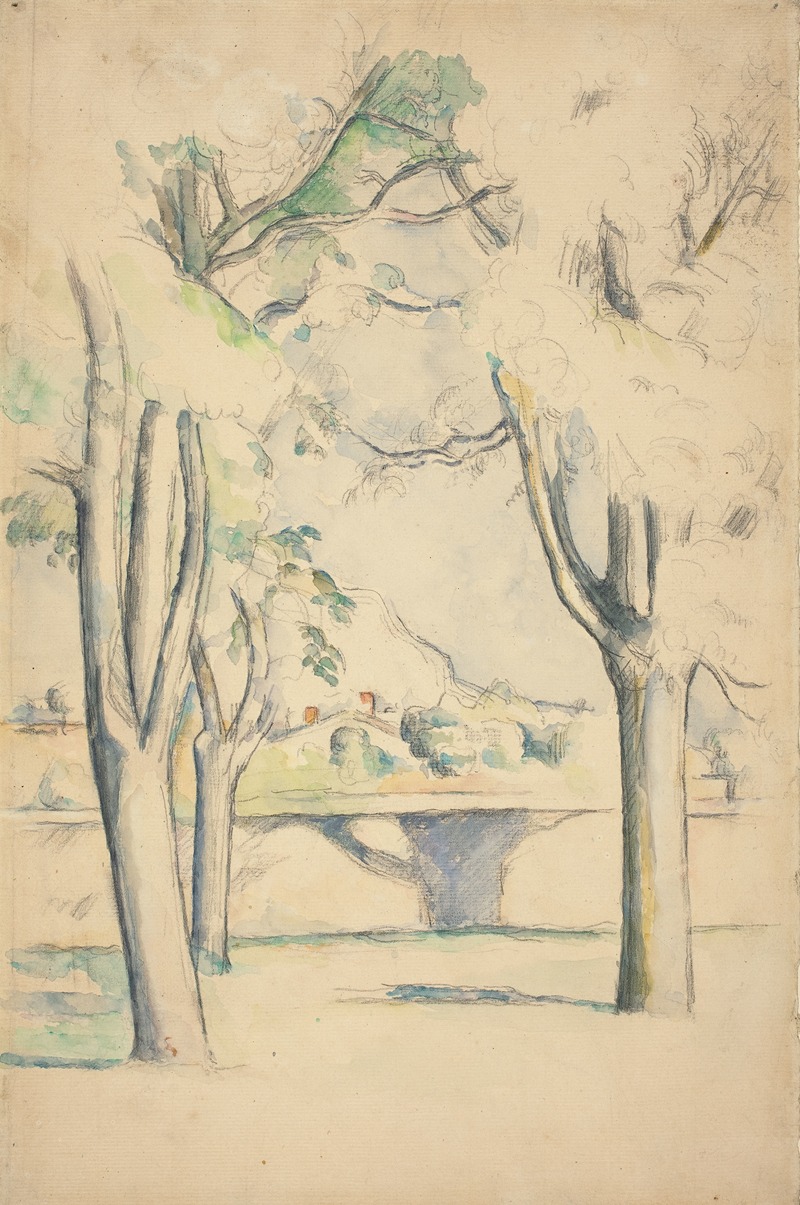
Mont Sainte-Victoire Seen beyond the Wall of the Jas de Bouffan
Paul Cézanne
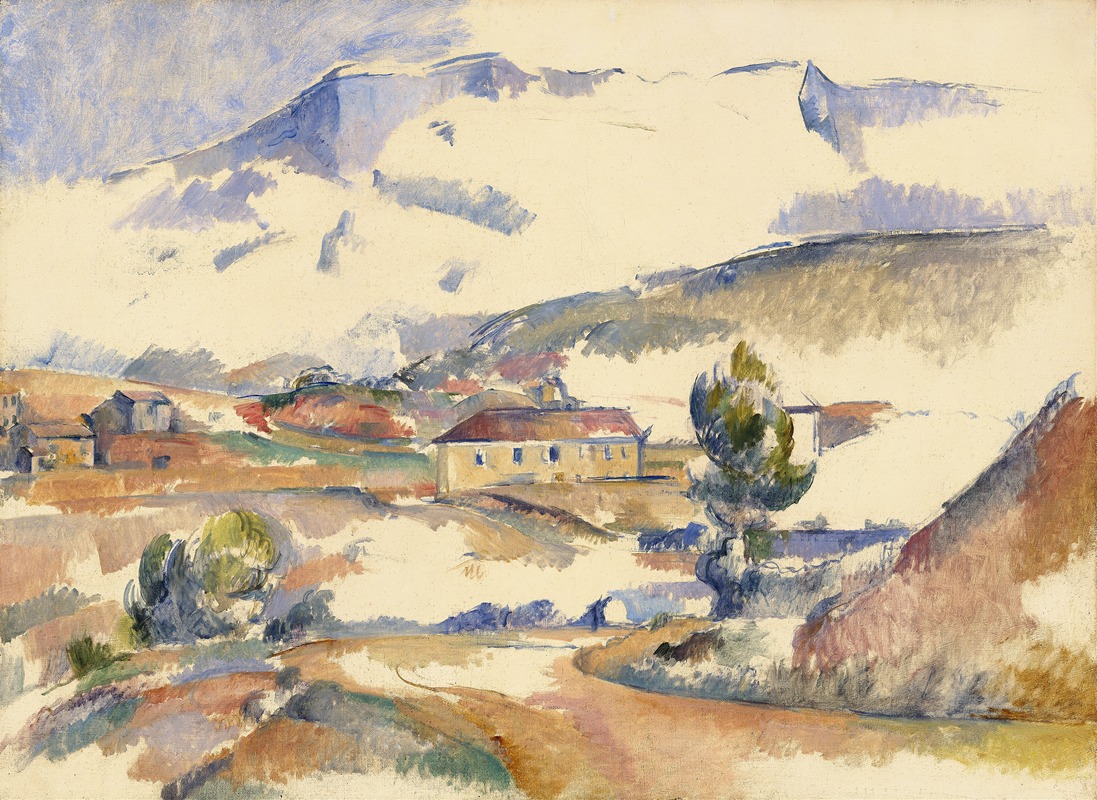
Montagne Sainte-Victoire,from near Gardanne
Paul Cézanne
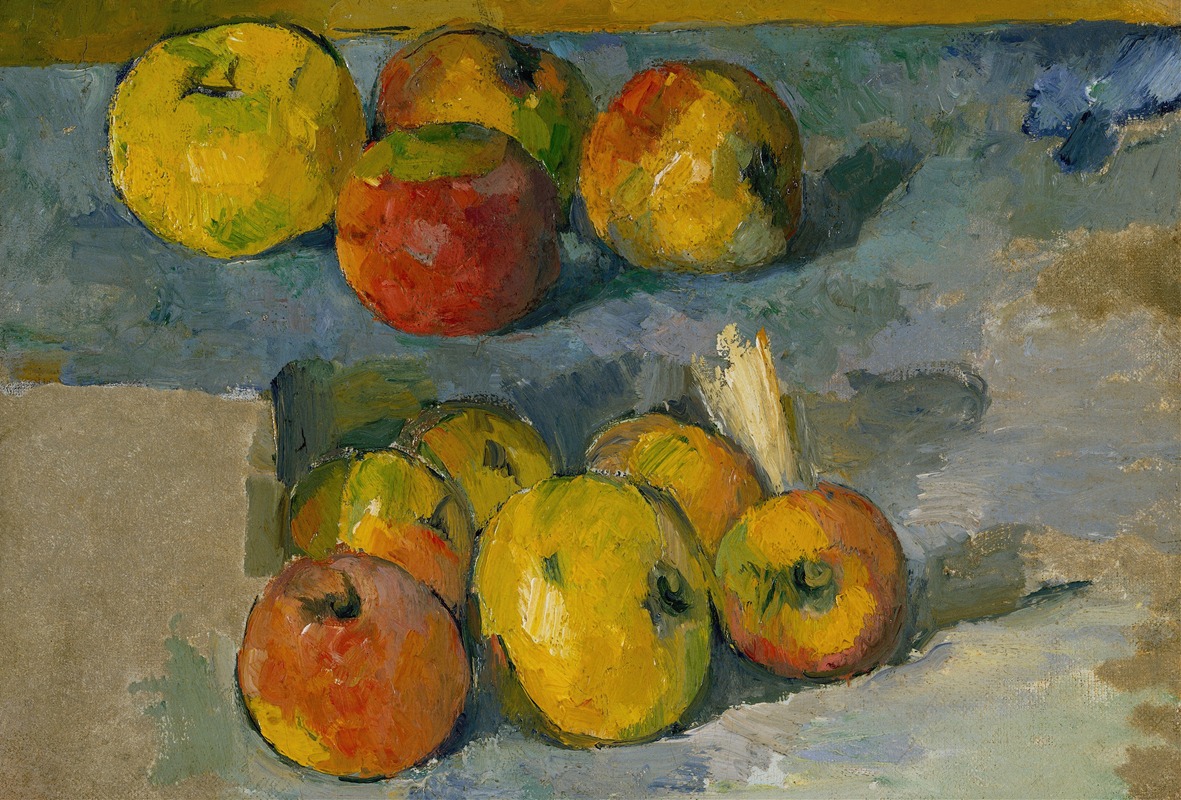
Apples
Paul Cézanne
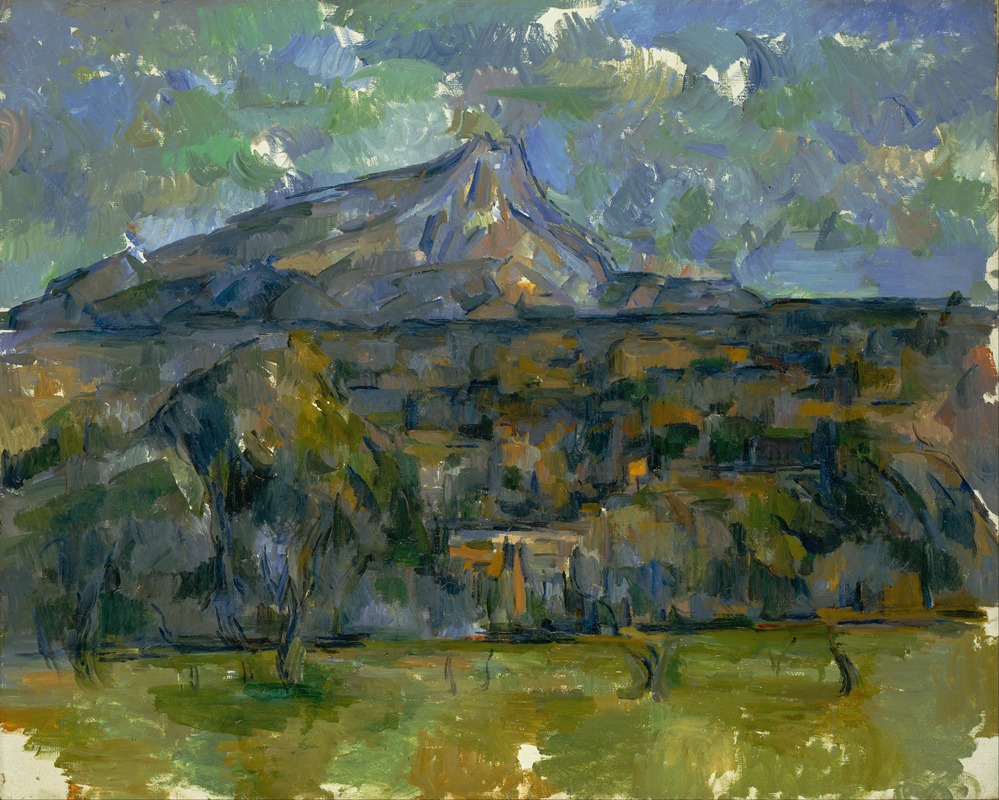
Mont Sainte-Victoire
Paul Cézanne
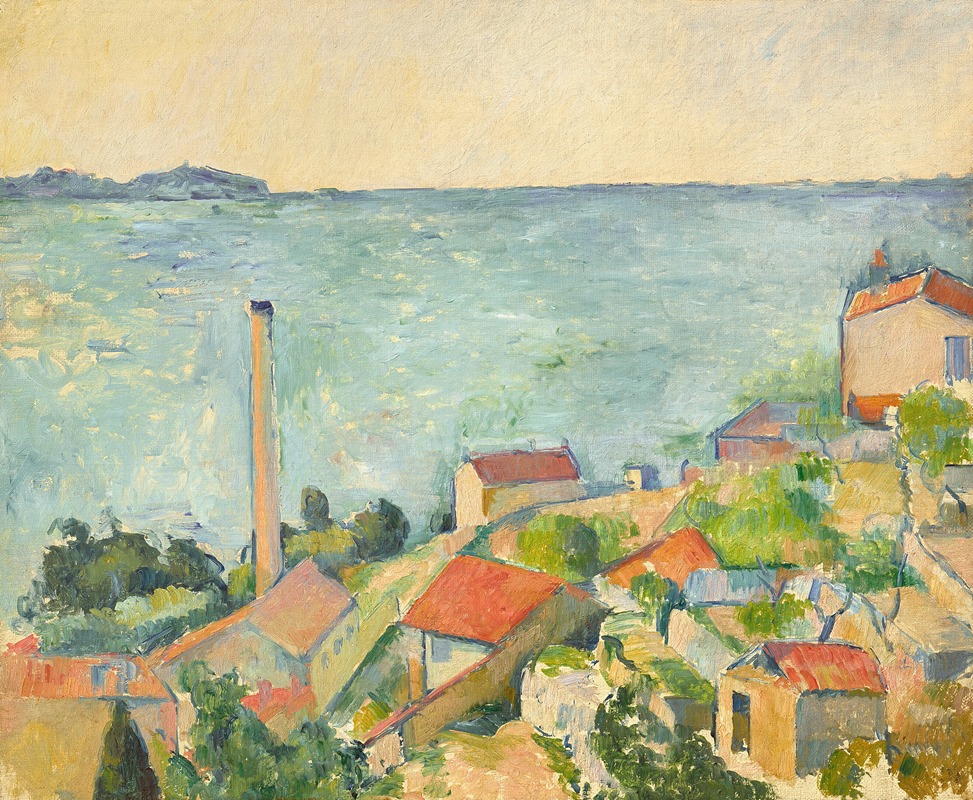
La mer à l’Estaque
Paul Cézanne
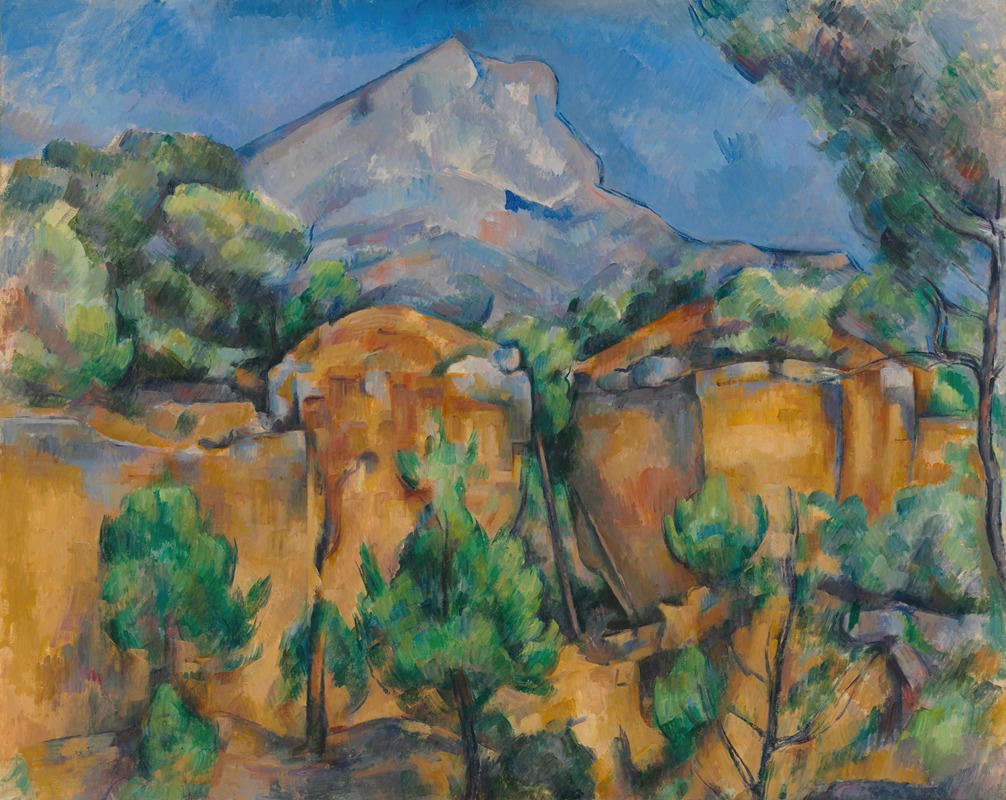
La Montagne Sainte-Victoire vue de la carrière Bibémus
Paul Cézanne
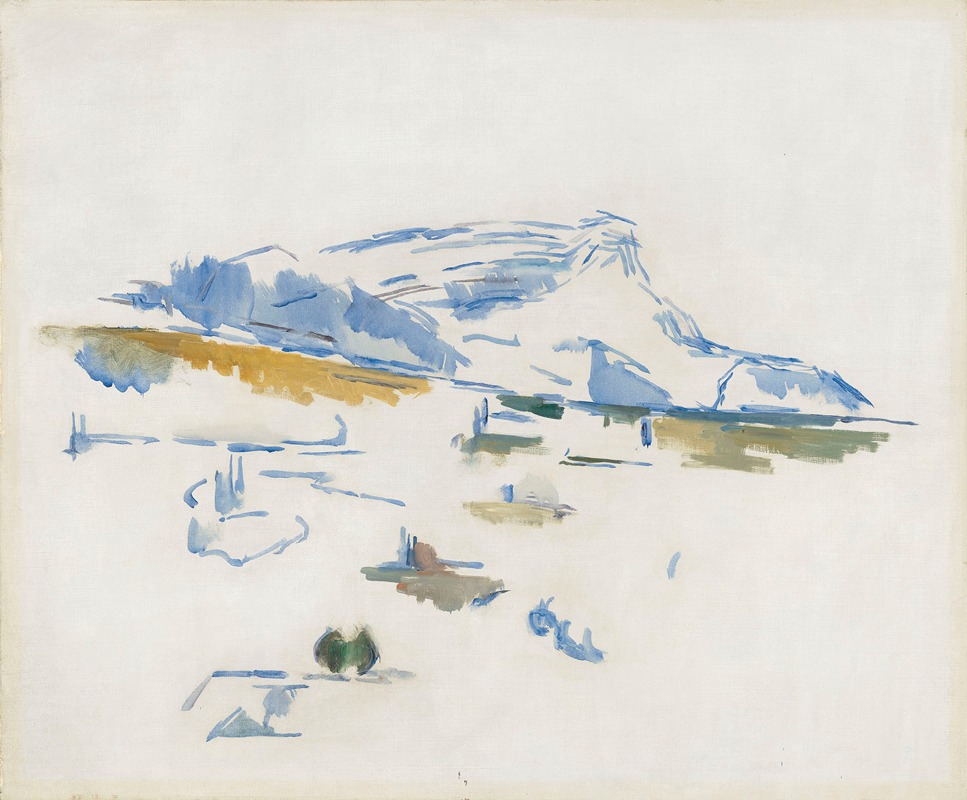
La Montagne Sainte-Victoire vue des Lauves
Paul Cézanne