
Polander leaning on a stick — History & Facts
Could a single brushstroke hold eternity? In Polander Leaning on a Stick, the viewer is invited into a world where the gentle weight of existence is borne upon the shoulders of a lone figure, captured in a moment that straddles realism and dream. Look to the left at the figure, a solitary man resting on a stick, his posture both weary and contemplative. The light falls softly upon his face, illuminating the intricacies of his features while casting shadows that hint at the burdens he carries. Notice the delicate interplay of browns and ochres in the background, which serve to anchor the figure while simultaneously evoking a sense of timelessness.
The brushwork, fluid yet precise, creates a tangible texture that draws the eye deeper into the scene. Here, the tension between vulnerability and strength emerges. The shouldered weight of the stick symbolizes endurance, while the man's gaze suggests introspection and longing. This duality resonates through the contrast of light and dark, a visual metaphor for the struggles and dreams that define the human experience.
The quiet power of his presence serves as a reminder of the unspoken stories each soul carries, making the scene both personal and universal. In the early 1630s, when this piece was created, Rembrandt was establishing his reputation in Amsterdam, navigating both personal and professional challenges. The art world was blossoming with the influence of the Dutch Golden Age, and his exploration of light and shadow would soon define his legacy. During this period, he deftly captured the essence of humanity, laying the groundwork for the emotional depth that would characterize his later works.
More Artworks by Rembrandt van Rijn
Browse all →
The Night Watch Militia Company of District II under the Command of Captain Frans Banninck Cocq
Rembrandt van Rijn

The Return of the Prodigal Son
Rembrandt van Rijn

The Hundred Guilder Print: the figures leaning on the wall in the centre left
Rembrandt van Rijn

The Hundred Guilder Print: the central piece with Christ preaching, the plate arched
Rembrandt van Rijn

Isaac and Rebecca, Known as ‘The Jewish Bride’
Rembrandt van Rijn
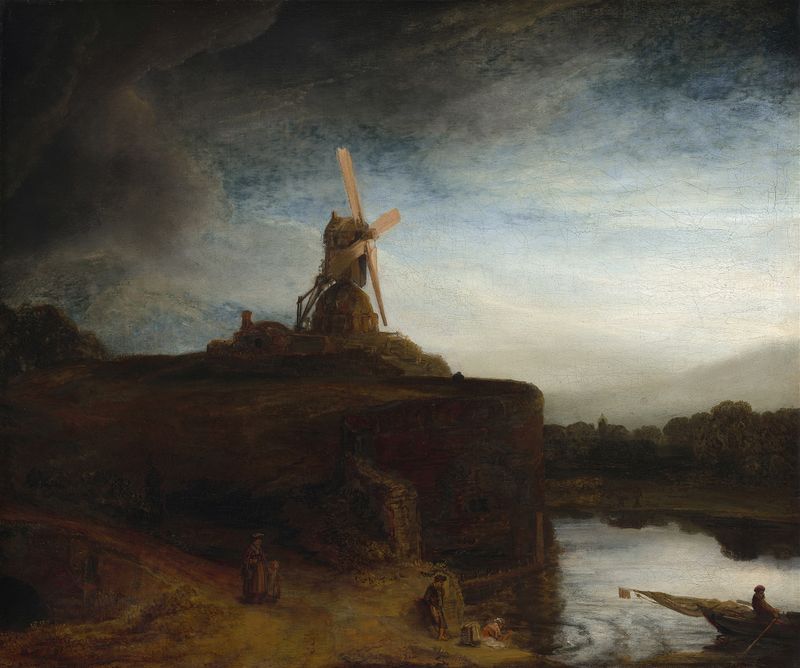
The Mill
Rembrandt van Rijn

The Sampling Officials of the Amsterdam Drapers’ Guild, Known as ‘The Syndics’
Rembrandt van Rijn

The return of the prodigal son
Rembrandt van Rijn
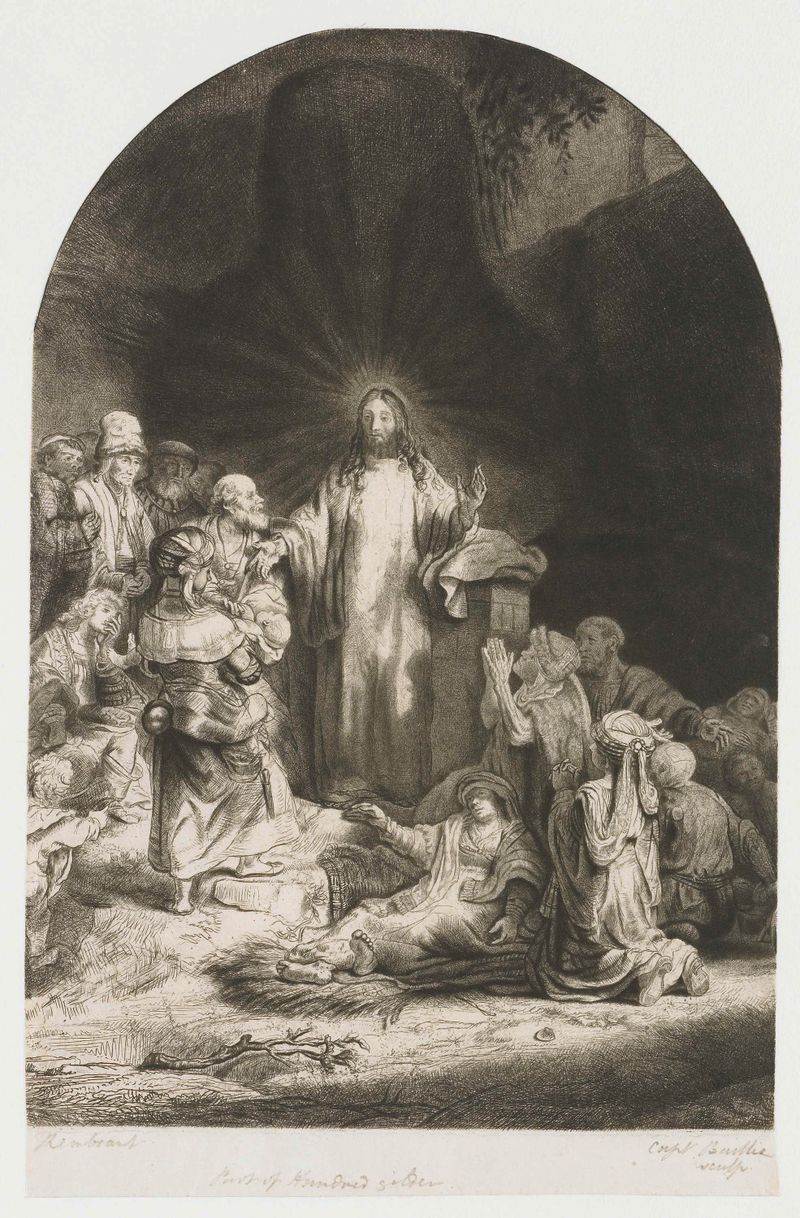
The Hundred Guilder Print: the central piece with Christ preaching, the plate arched
Rembrandt van Rijn

The Hundred Guilder Print: the man seen on the back in the lower left corner
Rembrandt van Rijn
More Portrait Art
Browse all →
Las meninas
Diego Velázquez

Self-portrait with a Bandaged Ear and Pipe
Unidentified artist

Girl with a Pearl Earring
Johannes Vermeer
The Sampling Officials of the Amsterdam Drapers’ Guild, Known as ‘The Syndics’
Rembrandt van Rijn
The Hundred Guilder Print: the man seen on the back in the lower left corner
Rembrandt van Rijn

Portrait of Dr Gachet
Vincent van Gogh