
Polo Game At Misgar — History & Facts
Who listens when art speaks of silence? In the midst of chaos, a world unfolds where horses gallop and people collide, yet the stillness of the canvas invites contemplation. Look to the lower right where the vibrant hues of red and orange burst forth from the players’ garments, contrasting sharply with the cool blues of the sky and the green of the field. Notice the chaotic arrangement of figures and horses, each infused with a sense of dynamic movement, almost spilling off the edges of the canvas. The sweeping brushstrokes convey urgency, while the light dances across the surface, illuminating patches of white and gold that capture fleeting moments in this spirited contest. Delve deeper into the painting's emotional tapestry, where the interplay of joy and tension ignites the scene.
The expressions on the faces of both players and spectators reveal a shared thrill, yet an undercurrent of anxiety simmers just beneath the surface, hinting at the potential for conflict. The chaotic energy of the game—caught between triumph and defeat—mirrors broader human experiences, reflecting our struggles for balance in the whirlwind of life. In 1931, Alexandre Jacovleff painted this lively work amidst a tumultuous period of his life, as he navigated the complexities of artistic identity and global unrest. Living in Paris, he was engaged with the modernist movements that challenged traditional boundaries of art.
Polo Game At Misgar serves not only as a vibrant depiction of a cultural spectacle but also reflects the artist's personal quest to capture the vitality and chaos of the human experience.
More Artworks by Alexandre Jacovleff
Browse all →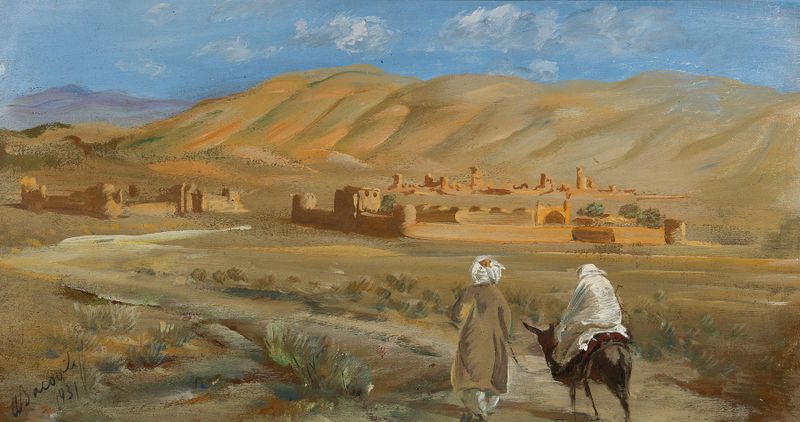
In the desert of Afghanistan
Alexandre Jacovleff
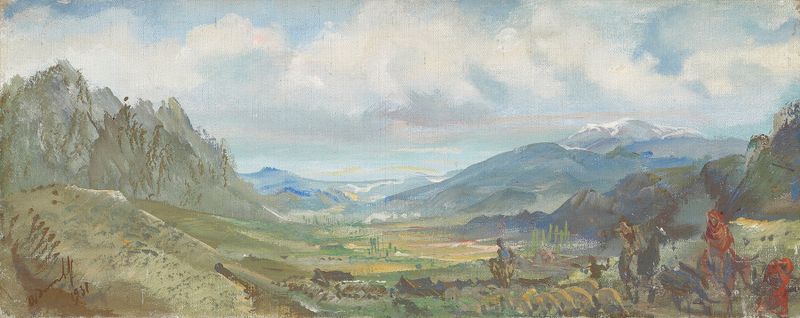
Nomades Kurdes dans les défilés du Zagros
Alexandre Jacovleff
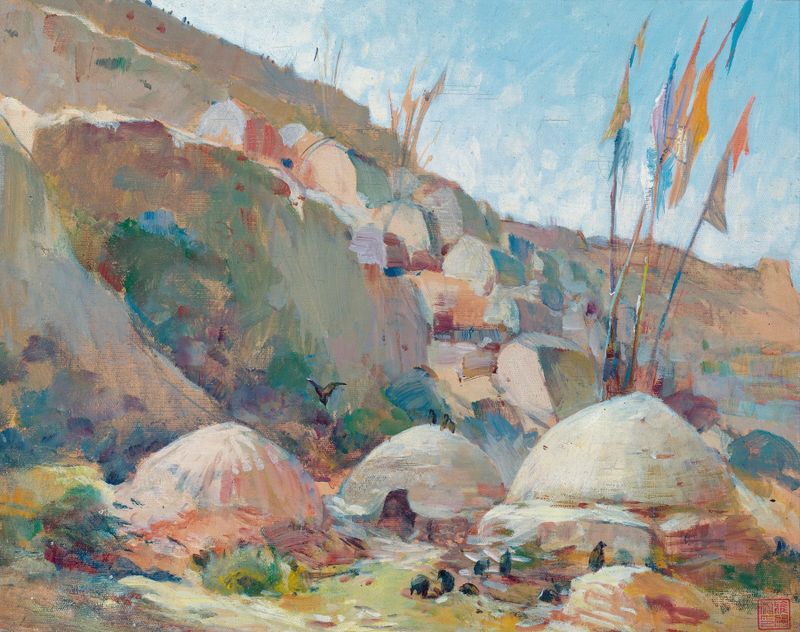
Paysage Chimérique
Alexandre Jacovleff
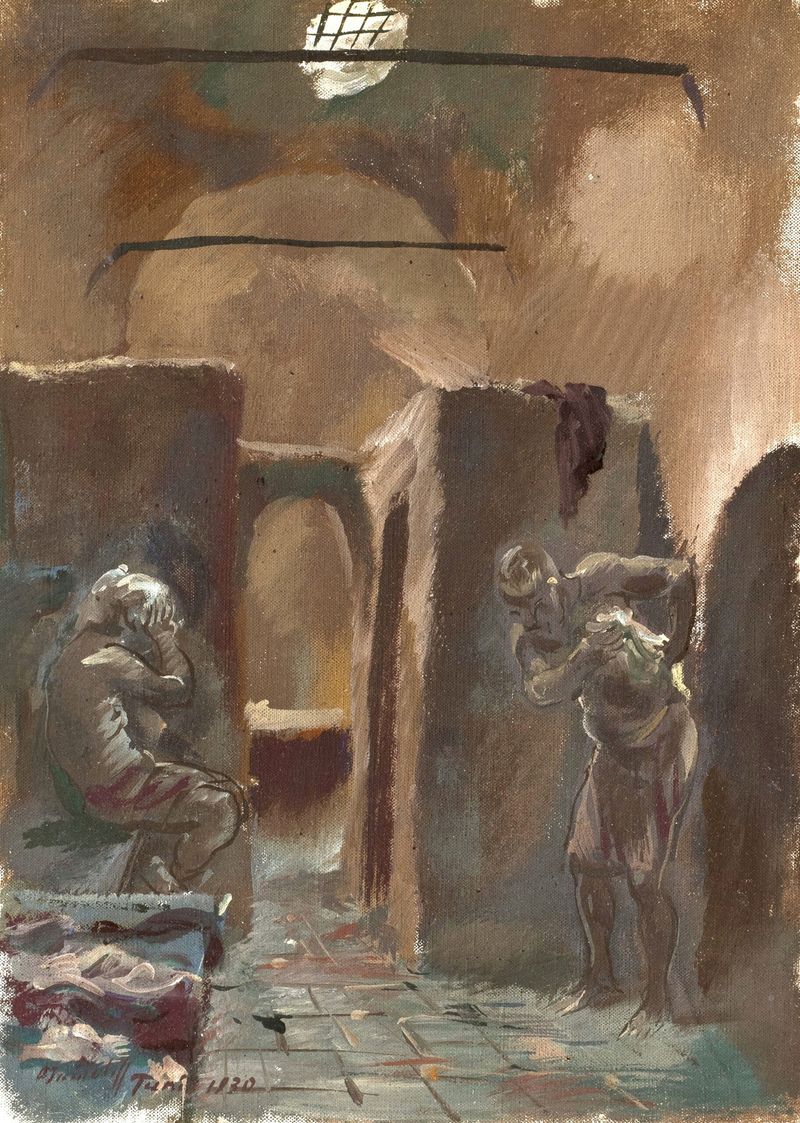
In einem Hammam in Tunis (Tunesien)
Alexandre Jacovleff
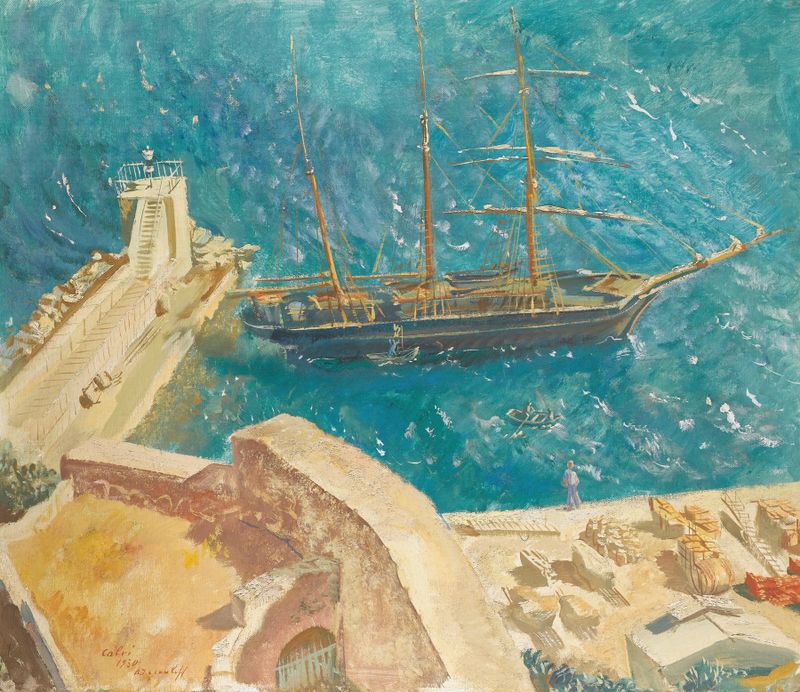
View Of The Port In Calvi
Alexandre Jacovleff
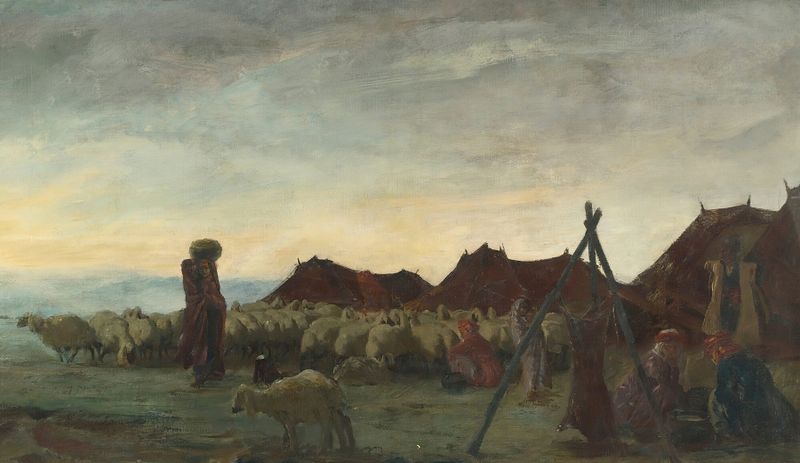
Nomads In The Region Of Meshed
Alexandre Jacovleff
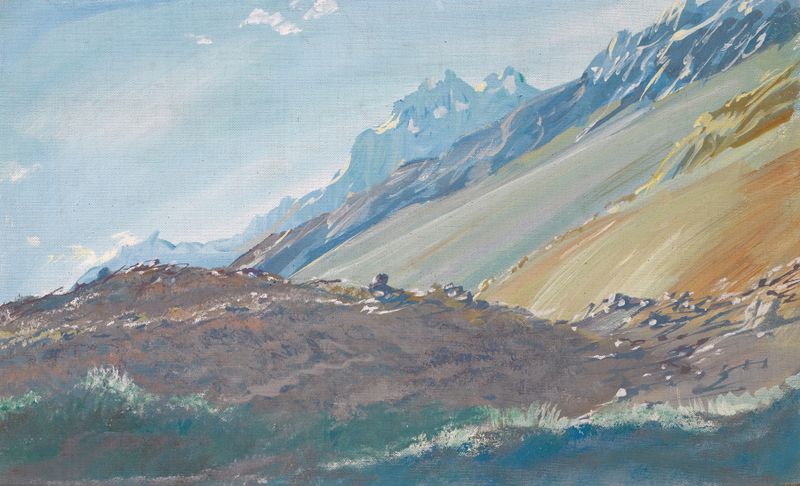
The Foothills Of The Karakoram Mountains
Alexandre Jacovleff
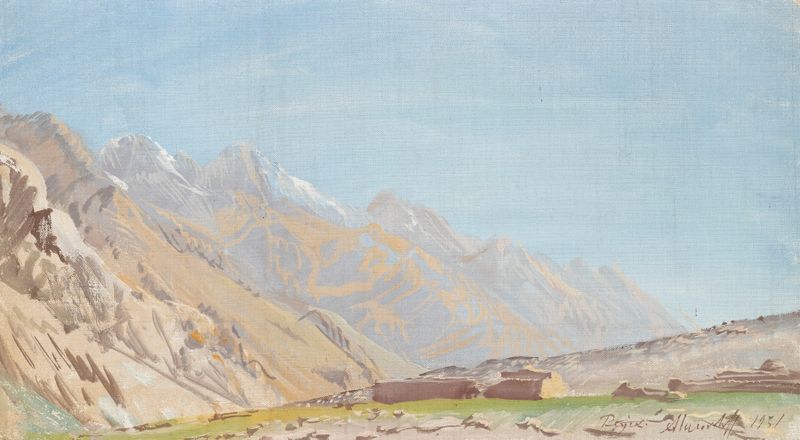
View Of Beyik
Alexandre Jacovleff
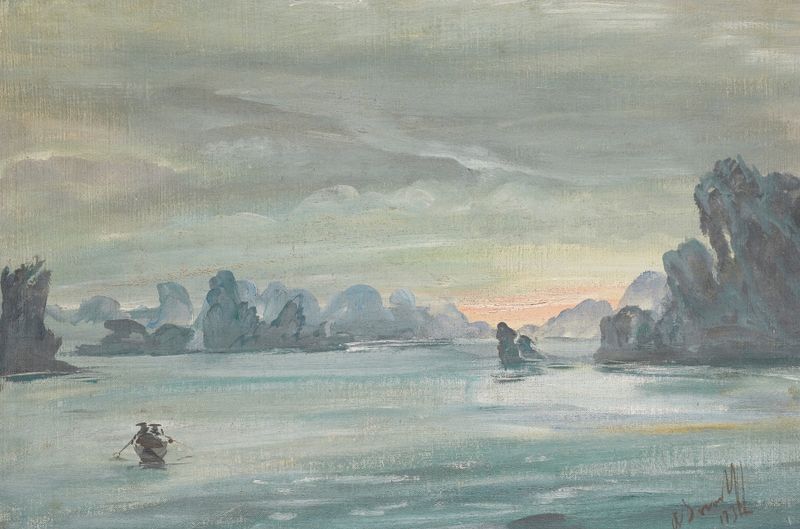
Ha Long Bay, Vietnam
Alexandre Jacovleff
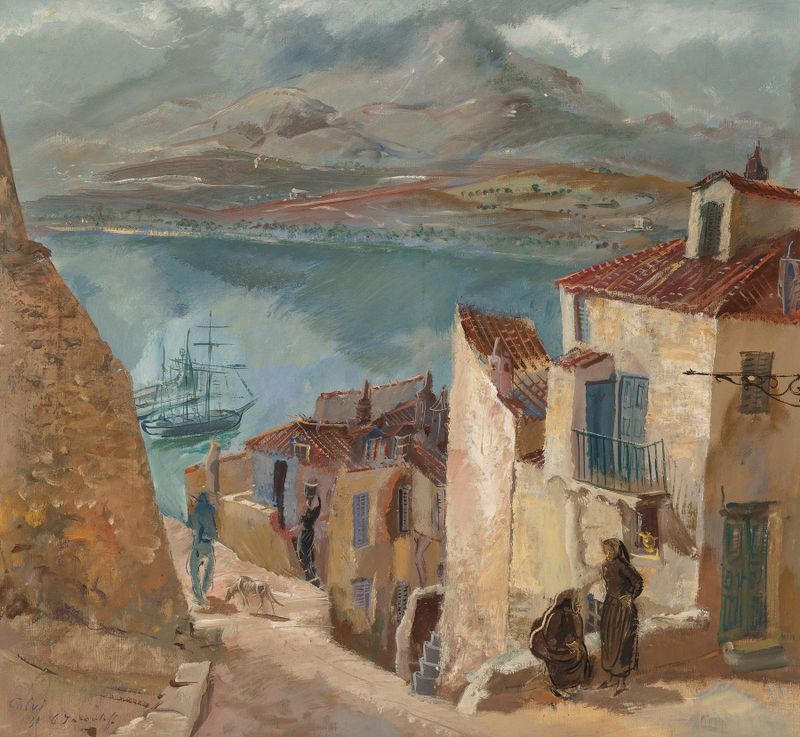
Le port de Calvi
Alexandre Jacovleff





