
Polo Game At Misgar — History & Facts
Can paint confess what words never could? In the vivid strokes of a canvas, innocence finds itself captured in the heat of a polo game, leaving the viewer to ponder the unspoken narratives behind every glance and gesture. Look to the left at the players, their vibrant uniforms splashed against the rich earth tones of the field. The horses, muscles taut and glistening, are rendered with precision, each movement echoing the energy of the game. Notice how the light falls upon the players’ faces, illuminating expressions of determination and joy, while shadows dance across the ground — a dynamic interplay that draws your eye deeper into the heart of the action. Yet beyond the immediate thrill of the sport lies a poignant contrast: the innocence of childhood against the backdrop of competition.
The focus on the youthful participants suggests a fleeting joy, a moment untouched by the complexities of adulthood. Each horse’s powerful stride mirrors the exuberance of youth, yet hints at the inevitable transition into the harsher realities of life. The spectators, though distant, add a layer of social commentary — their gazes reflect admiration and perhaps envy, a reminder of the innocence that slips away when one steps off the field. In 1931, Polo Game At Misgar was conceived during a time when Alexandre Jacovleff was exploring the themes of culture and society through his travels.
Living in Paris, he was influenced by the evolving modernist movements while simultaneously drawing inspiration from exotic landscapes and experiences gathered in Central Asia. This painting signifies a moment of steeping in cultural narratives, capturing both the thrill of sport and the poignant essence of youthful innocence, reflecting a world on the cusp of change.
More Artworks by Alexandre Jacovleff
Browse all →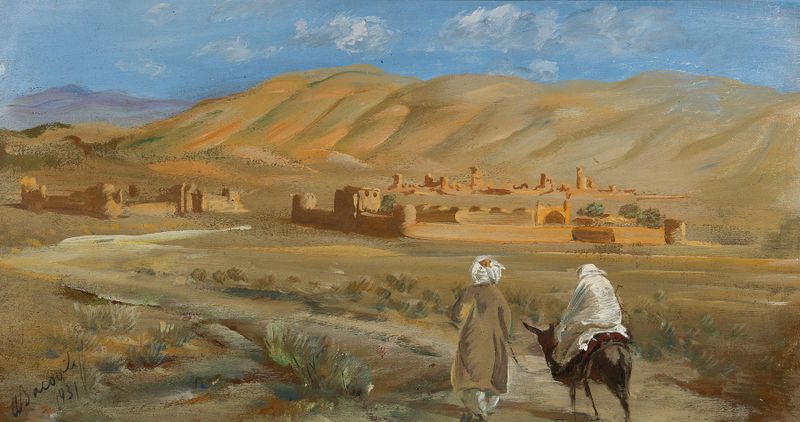
In the desert of Afghanistan
Alexandre Jacovleff
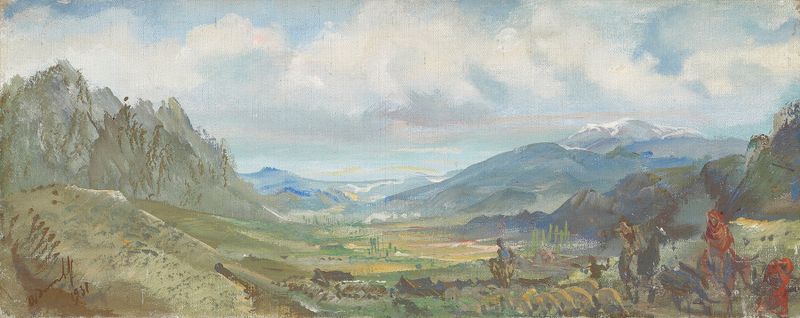
Nomades Kurdes dans les défilés du Zagros
Alexandre Jacovleff
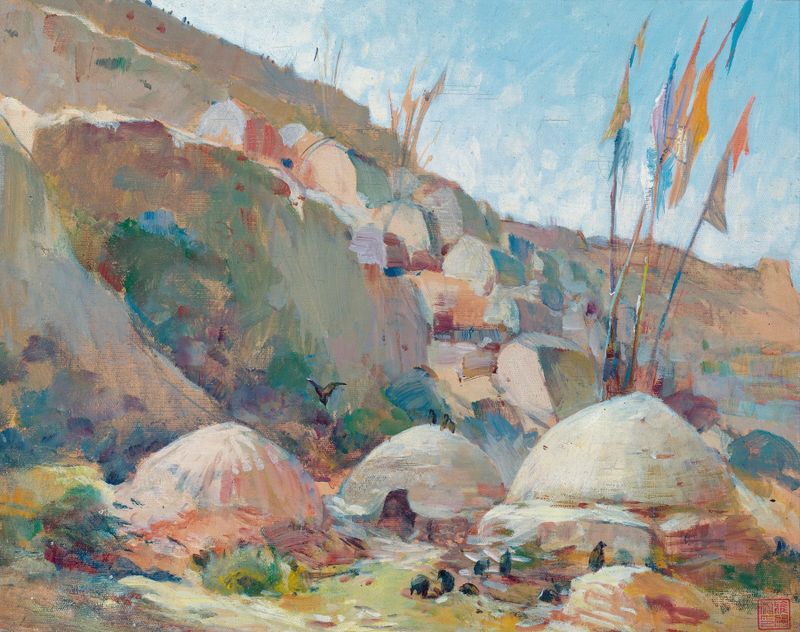
Paysage Chimérique
Alexandre Jacovleff
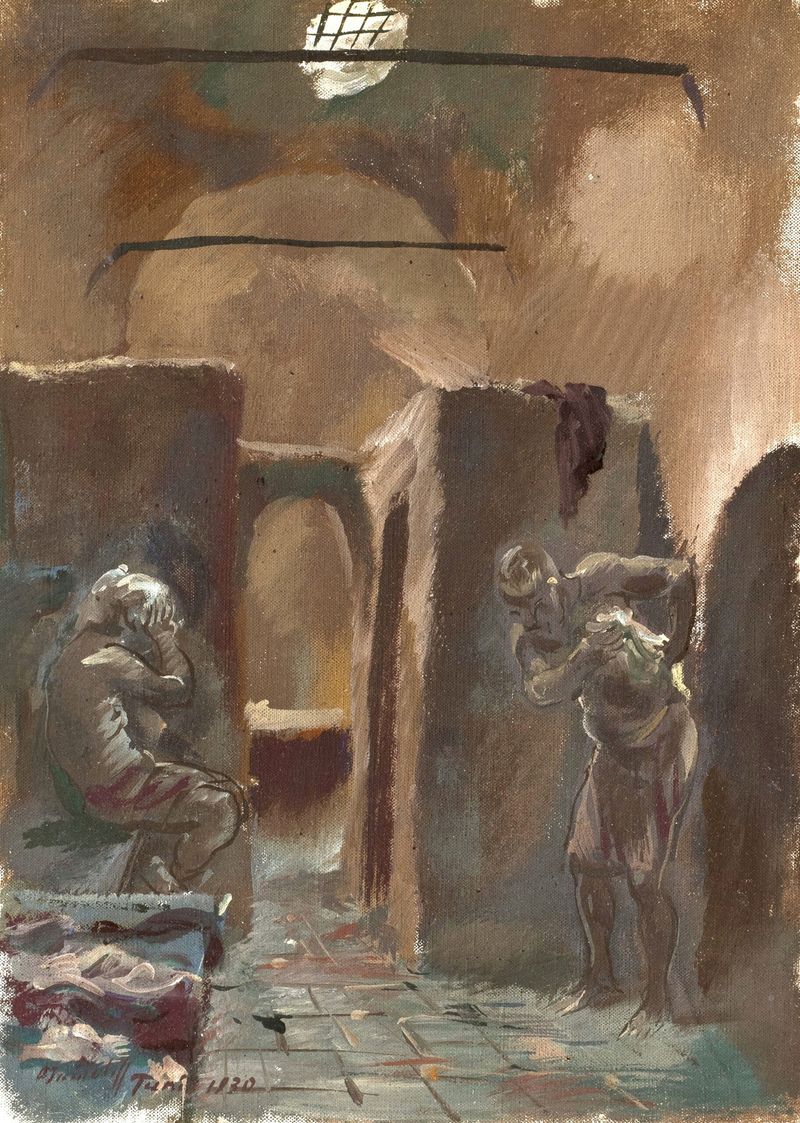
In einem Hammam in Tunis (Tunesien)
Alexandre Jacovleff
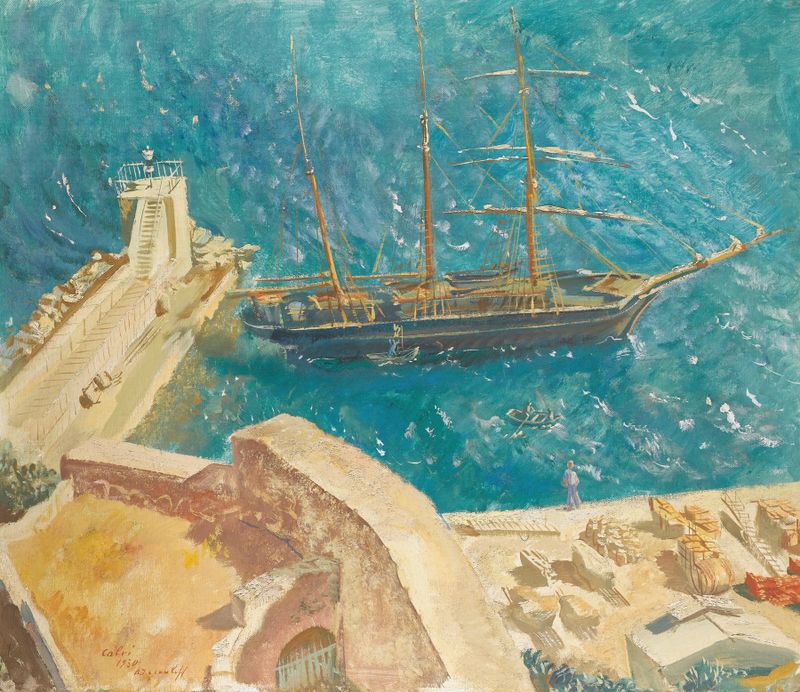
View Of The Port In Calvi
Alexandre Jacovleff
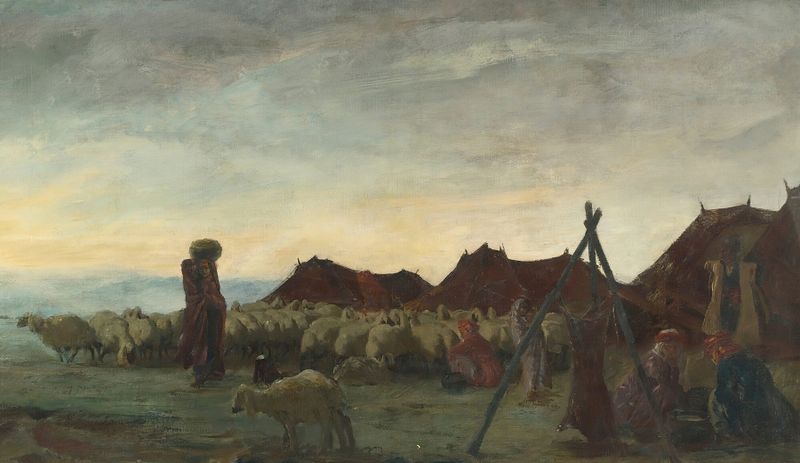
Nomads In The Region Of Meshed
Alexandre Jacovleff
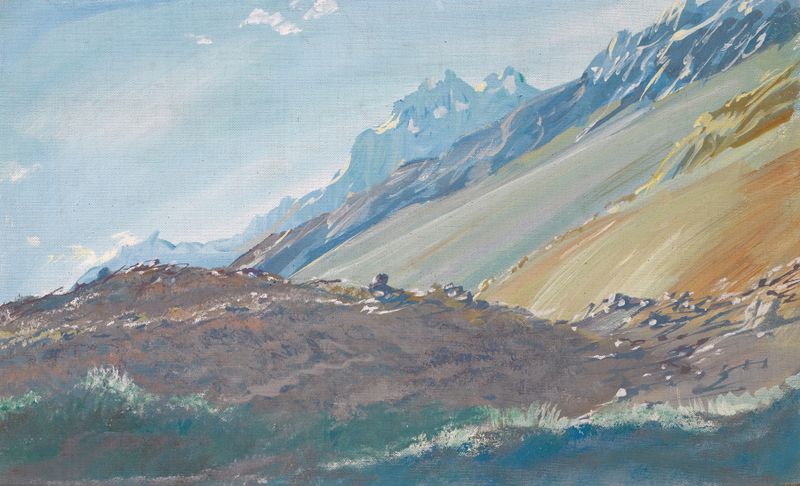
The Foothills Of The Karakoram Mountains
Alexandre Jacovleff
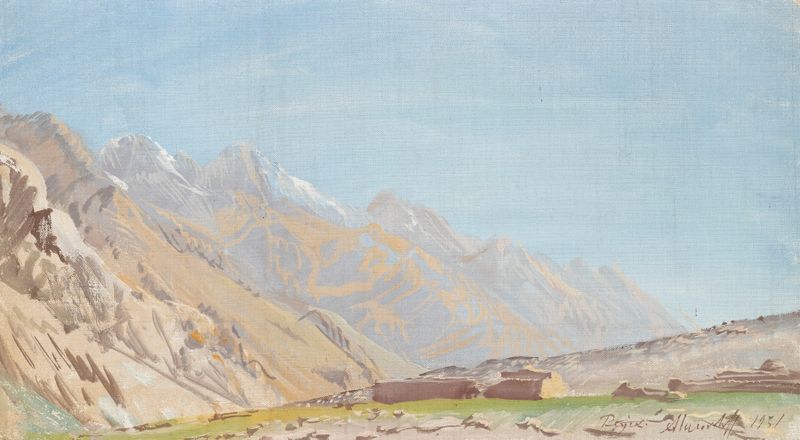
View Of Beyik
Alexandre Jacovleff
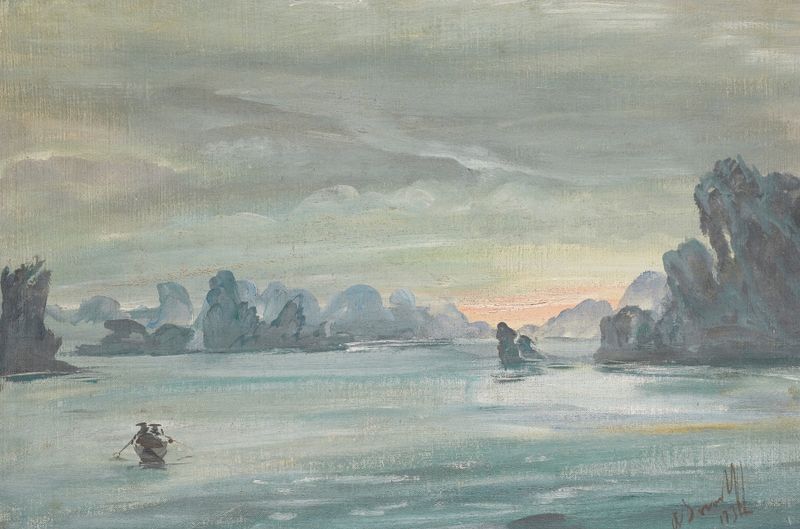
Ha Long Bay, Vietnam
Alexandre Jacovleff
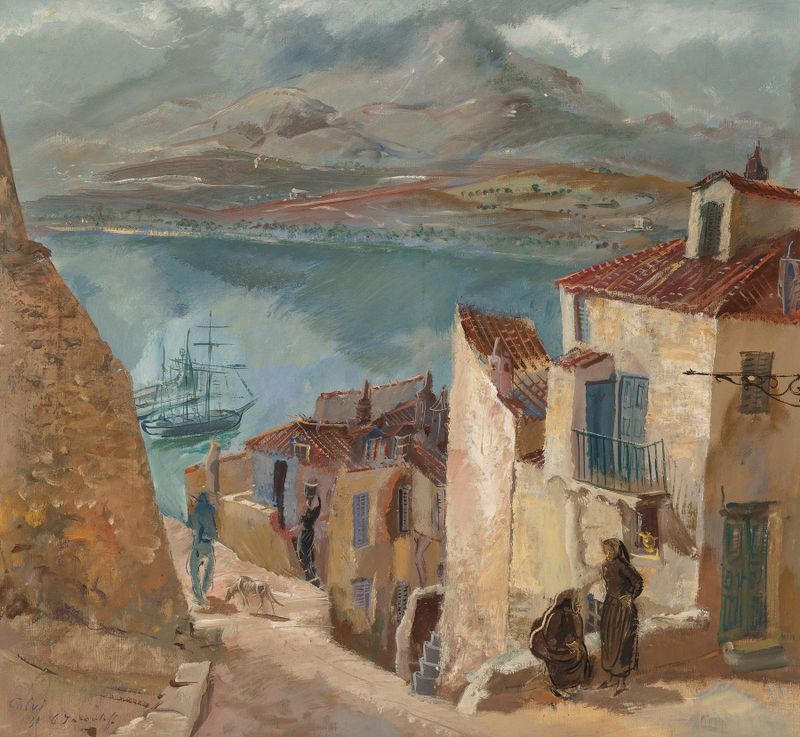
Le port de Calvi
Alexandre Jacovleff





