
Pomnik Kopernika — History & Facts
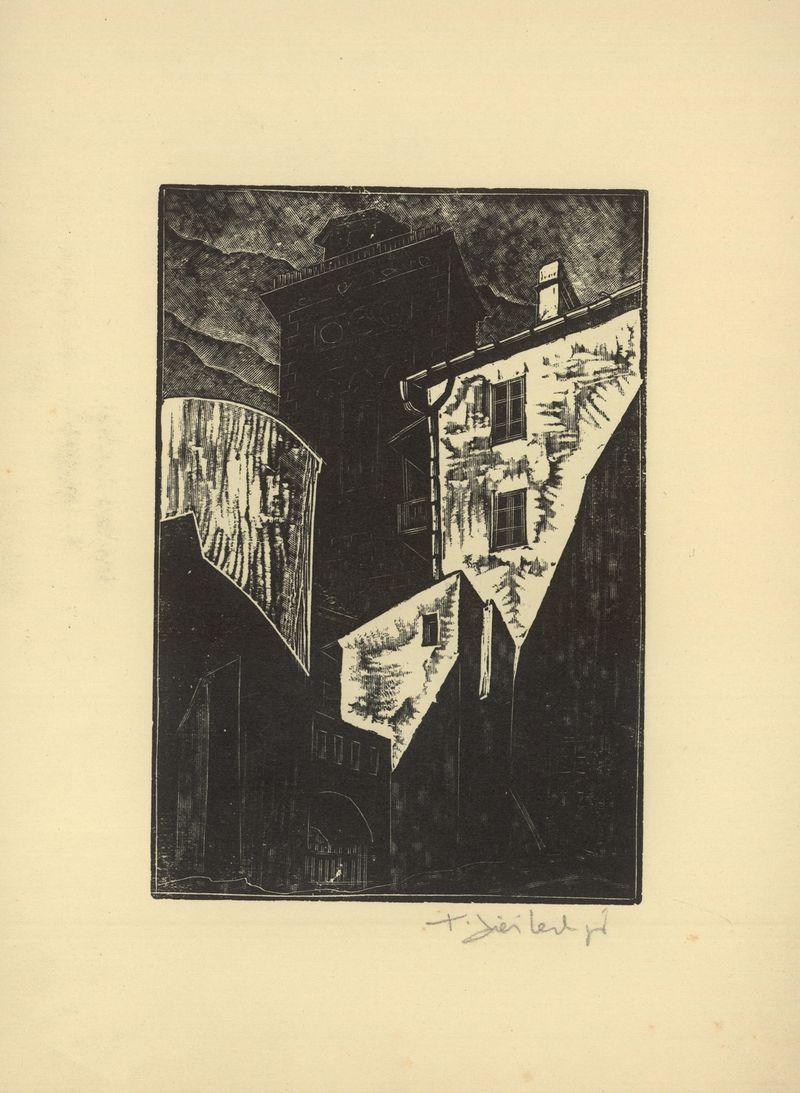
What if silence could speak through light? In Pomnik Kopernika, a monument rises almost defiantly, casting long shadows that whisper of both reverence and turmoil beneath its serene surface. Focus on the austere figure of Copernicus, stoic and resolute, situated at the center. His head slightly turned, he gazes into the distance, embodying the weight of knowledge and the violence of conviction. Notice how the strong, angular lines create a sense of tension, as if the statue is both protector and prisoner.
Surrounding the figure, the interplay of light and dark emphasizes a stark contrast: brilliant highlights on the stone suggest enlightenment, while deep shadows hint at the historical struggles faced by those who challenged the status quo. Beneath the surface, the work reveals layers of meaning—an ode to the courage of intellectual pursuit amidst societal tumult. The rigidity of the monument juxtaposed with the softness of light captures the essence of conflict: the brilliance of groundbreaking thought often surrounded by darkness. This duality speaks to the violence of change, both internal and external, inherent in the quest for truth. In 1930, Tadeusz Cieślewski created this work in a Poland grappling with its identity following the turmoil of World War I.
The era was marked by the rebirth of the nation and a burgeoning interest in the arts, reflecting both a desire for stability and the undercurrents of unrest. Cieślewski's monument stands not only as a tribute to Copernicus but also as a mirror to the struggles of his time, embodying the spirit of inquiry amid chaos.
More Artworks by Tadeusz Cieślewski
Browse all →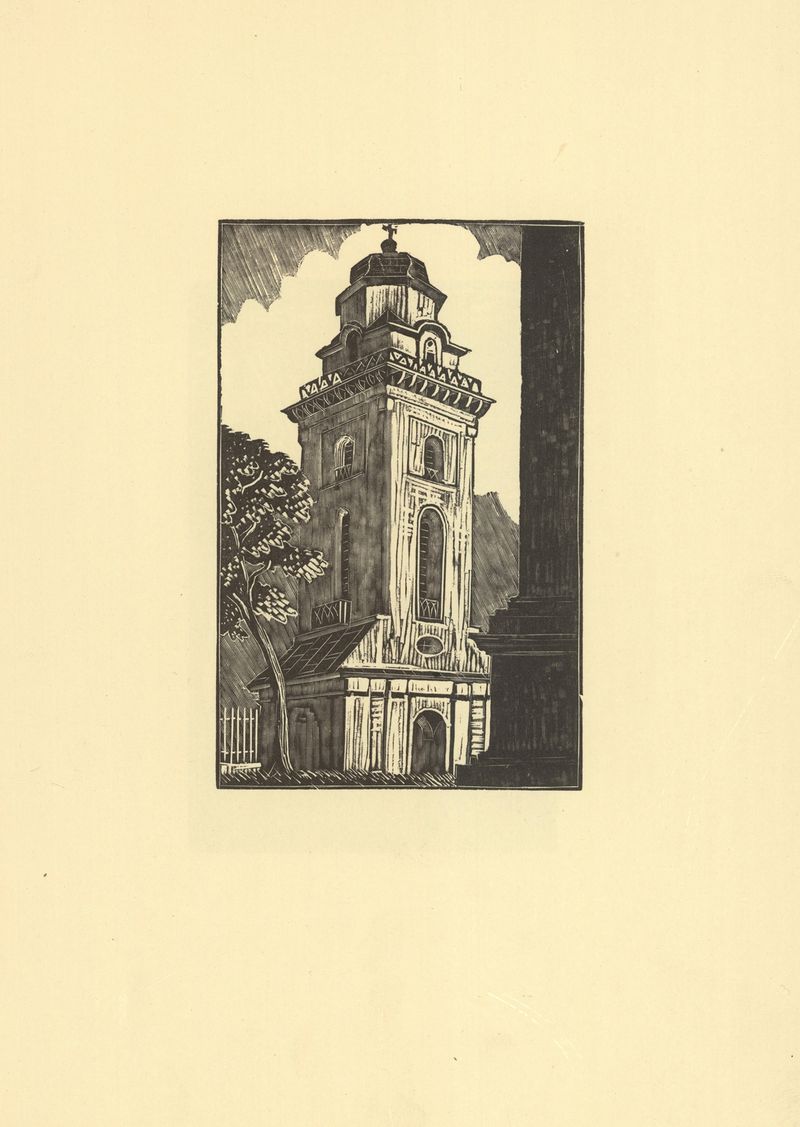
Zamość Pl.2
Tadeusz Cieślewski
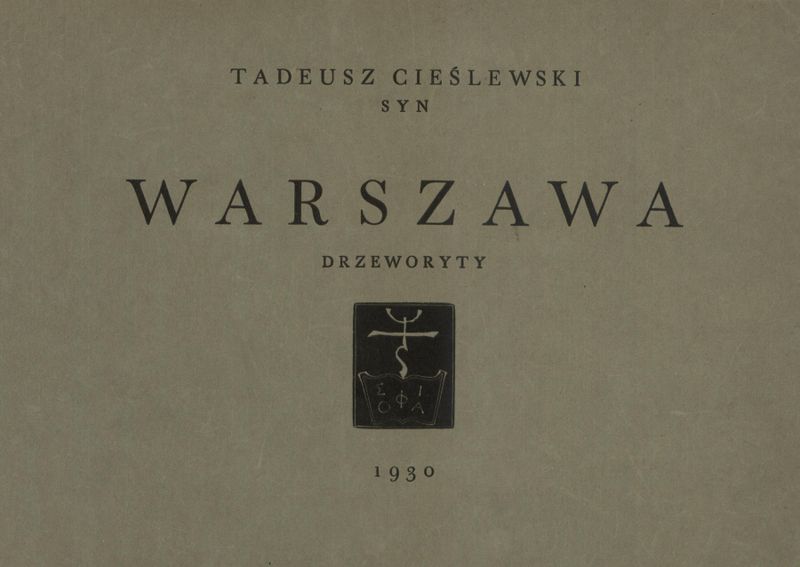
Dwanaście widoków Warszawy – Title page
Tadeusz Cieślewski
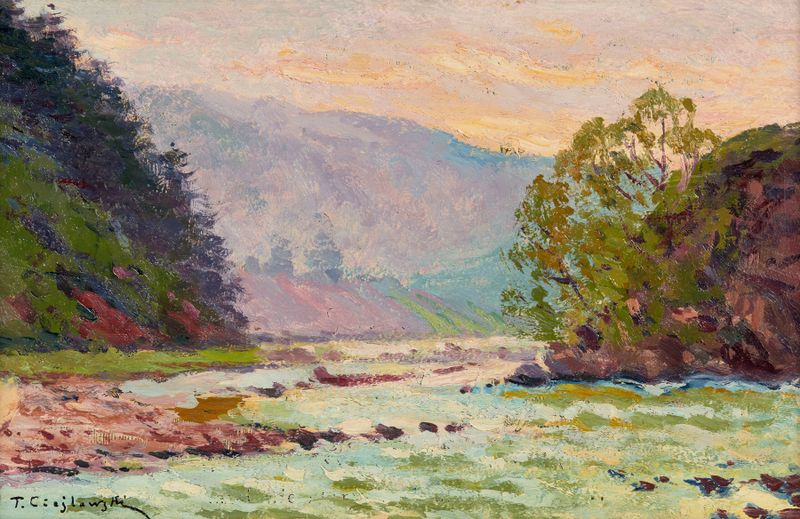
Mountainous landscape with a river
Tadeusz Cieślewski
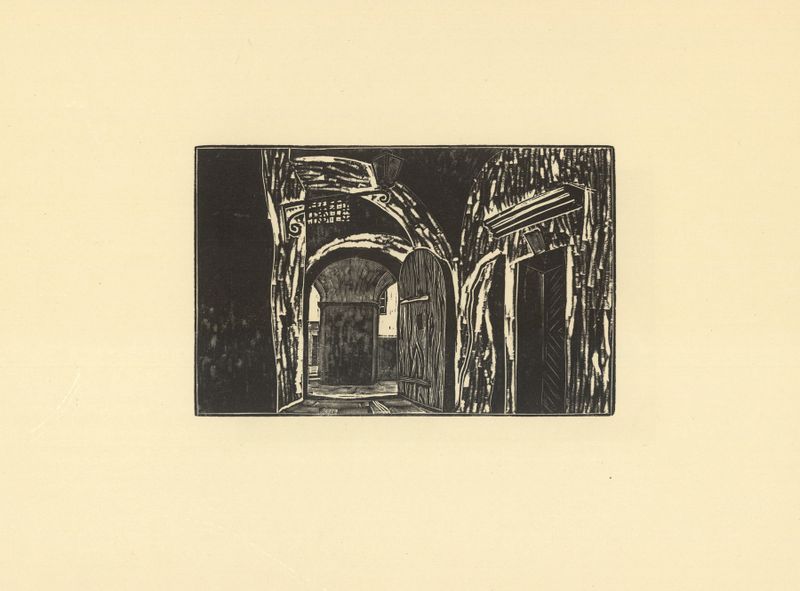
Zamość Pl.3
Tadeusz Cieślewski
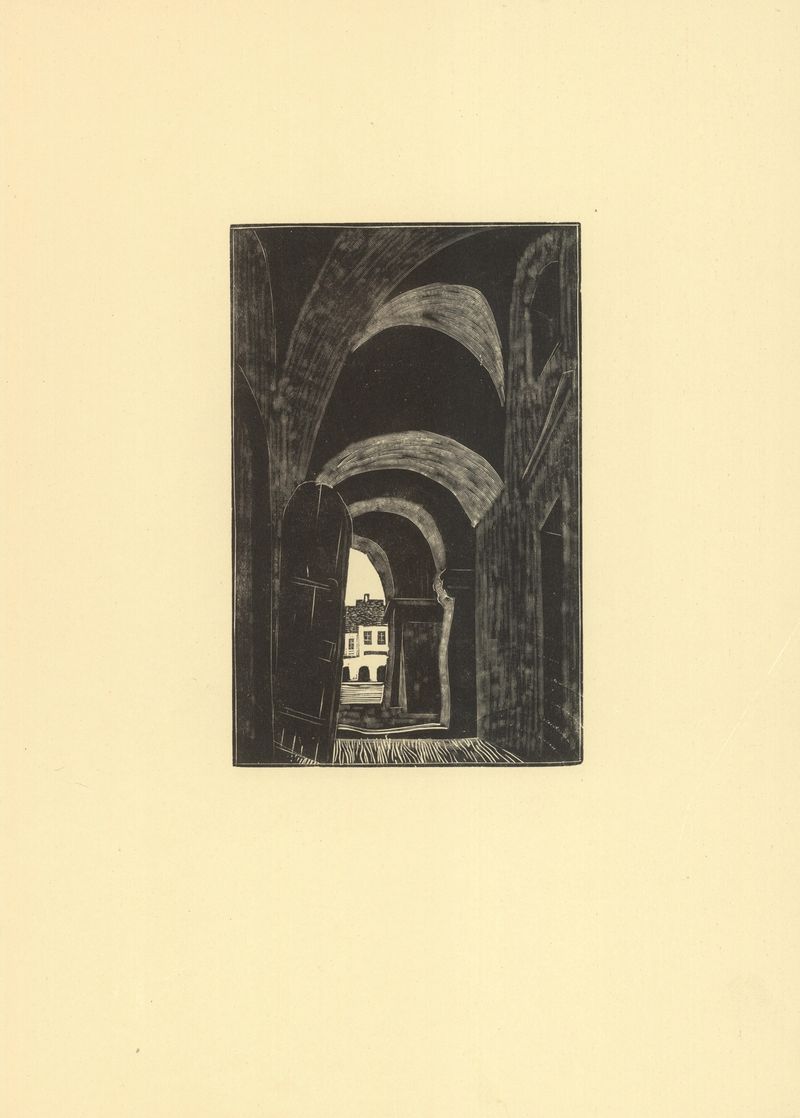
Zamość Pl.5
Tadeusz Cieślewski
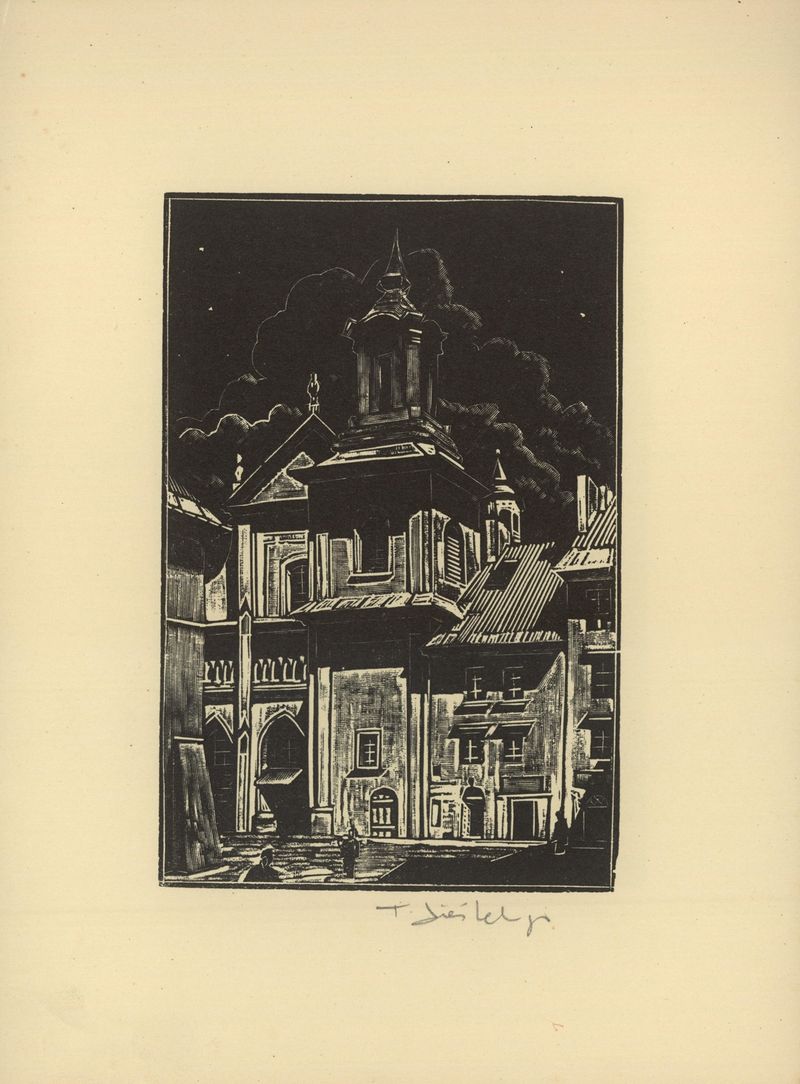
Kościół Dominikanów
Tadeusz Cieślewski
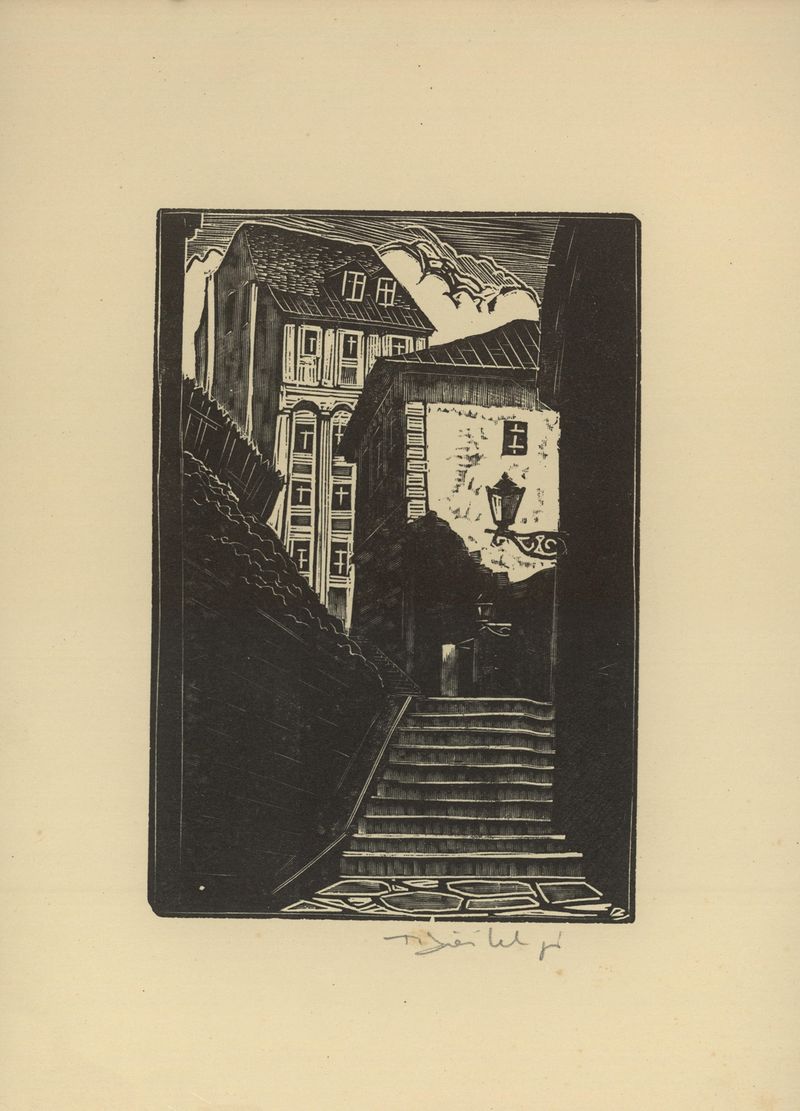
Kamienne Schodki
Tadeusz Cieślewski
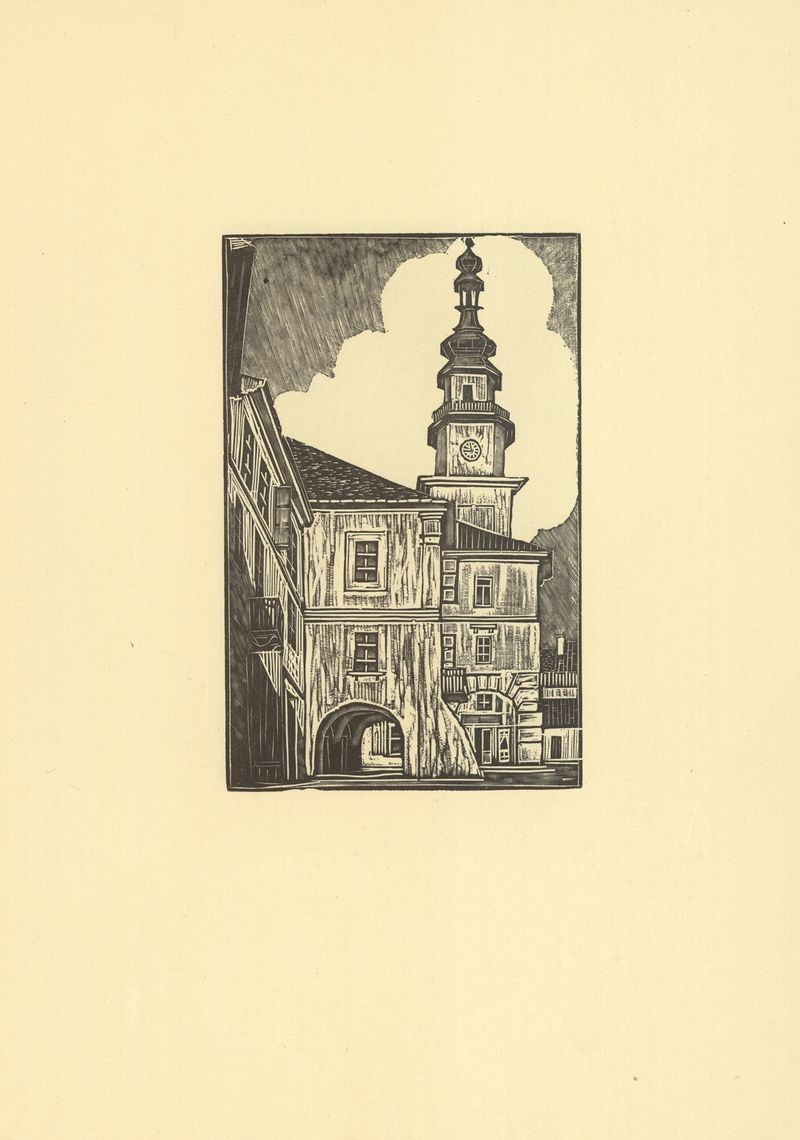
Zamość Pl.4
Tadeusz Cieślewski
Wieża Bernardynów
Tadeusz Cieślewski

Kościół Św. Anny
Tadeusz Cieślewski





