Zamość Pl.4 — History & Facts
In the quietude of Tadeusz Cieślewski’s Zamość Pl.4, we encounter a transcendental moment, where stillness speaks louder than words. The artwork invites viewers into a realm where the ordinary becomes extraordinary, and the weight of existence rests delicately on the canvas. Focus first on the interplay between light and shadow that bathes the scene. The soft hues of twilight envelop the square, lending a dreamlike quality to the buildings and cobblestones.
Notice how the artist masterfully captures the architecture's intricate details, drawing your gaze toward the rhythmic lines of the facades that seem to breathe with history. The muted colors evoke a sense of nostalgia, while the careful brushwork imbues each structure with character, suggesting stories whispered across generations. As you delve deeper, consider the contrasts at play: the vibrancy of life that once thrived within this square against the stillness captured here. The empty benches and vacant pathways amplify feelings of longing and reminiscence.
Each shadow seems to harbor a memory, inviting contemplation on the passage of time and the ephemeral nature of human connection. Cieślewski's choice to render this scene devoid of people enhances the sense of solitude, reminding us that even in absence, profound emotions linger. In 1929, Cieślewski created this piece amid a tumultuous period in Europe, where art was evolving against the backdrop of modernity and social change. Living in Poland, he was influenced by the emerging avant-garde movements, blending realism with abstraction.
At this time, he sought to capture the essence of place, transforming the ordinary into a meditation on existence, thus marking a significant moment in the trajectory of Polish art.
More Artworks by Tadeusz Cieślewski
Browse all →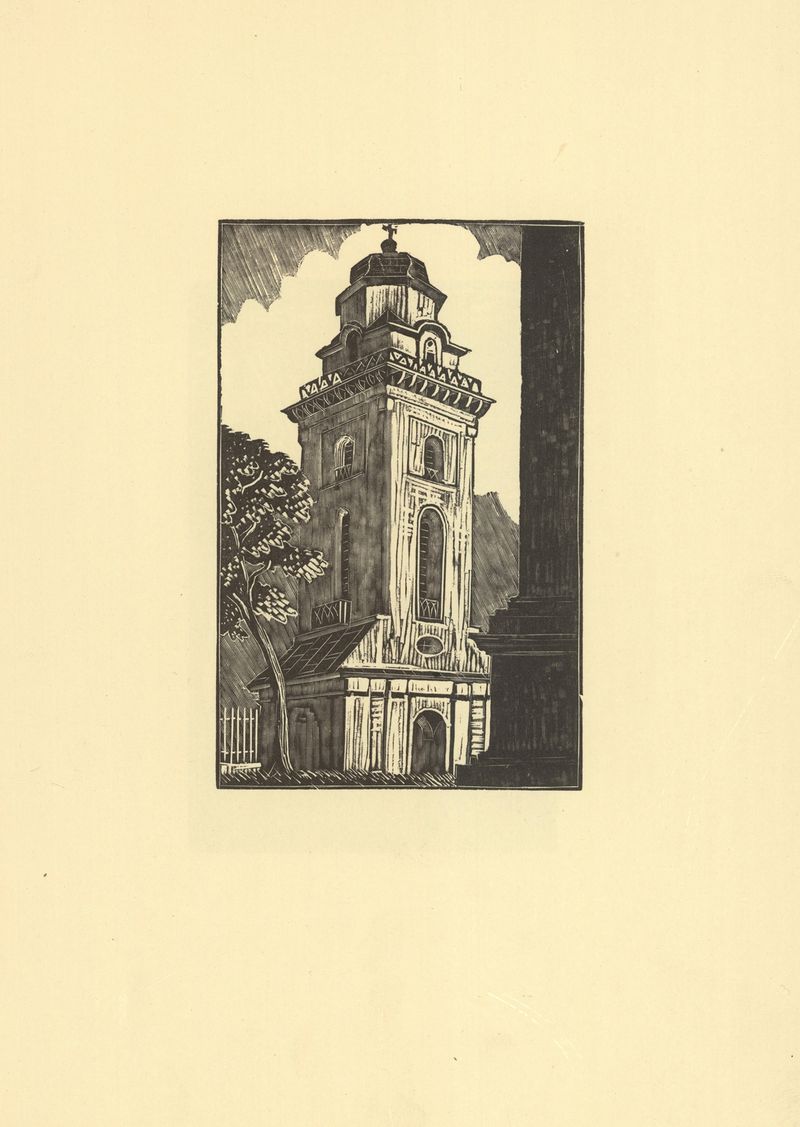
Zamość Pl.2
Tadeusz Cieślewski

Dwanaście widoków Warszawy – Title page
Tadeusz Cieślewski
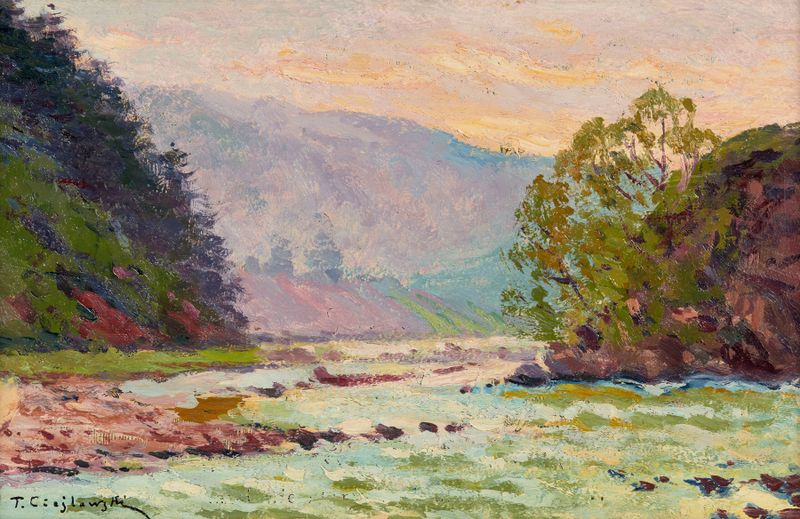
Mountainous landscape with a river
Tadeusz Cieślewski
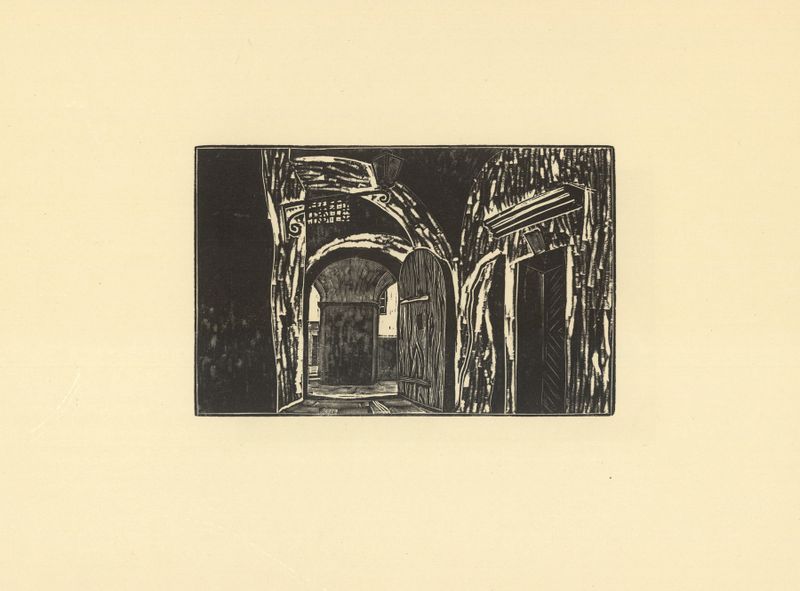
Zamość Pl.3
Tadeusz Cieślewski
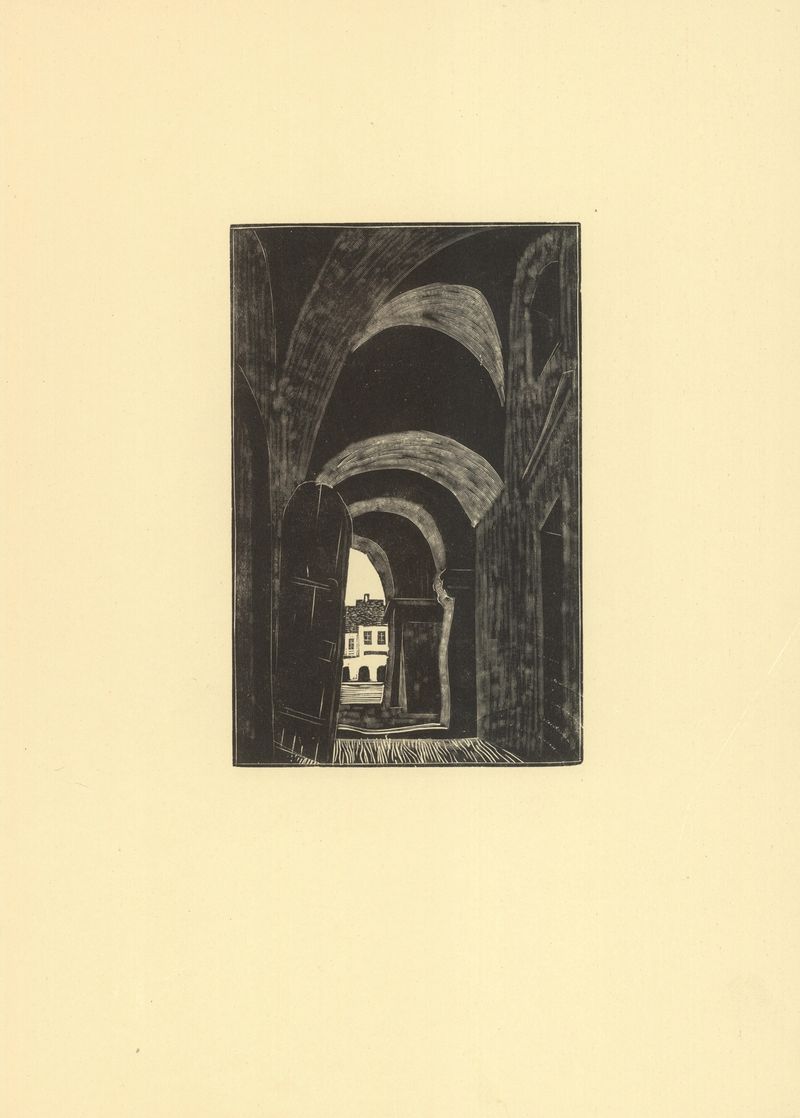
Zamość Pl.5
Tadeusz Cieślewski
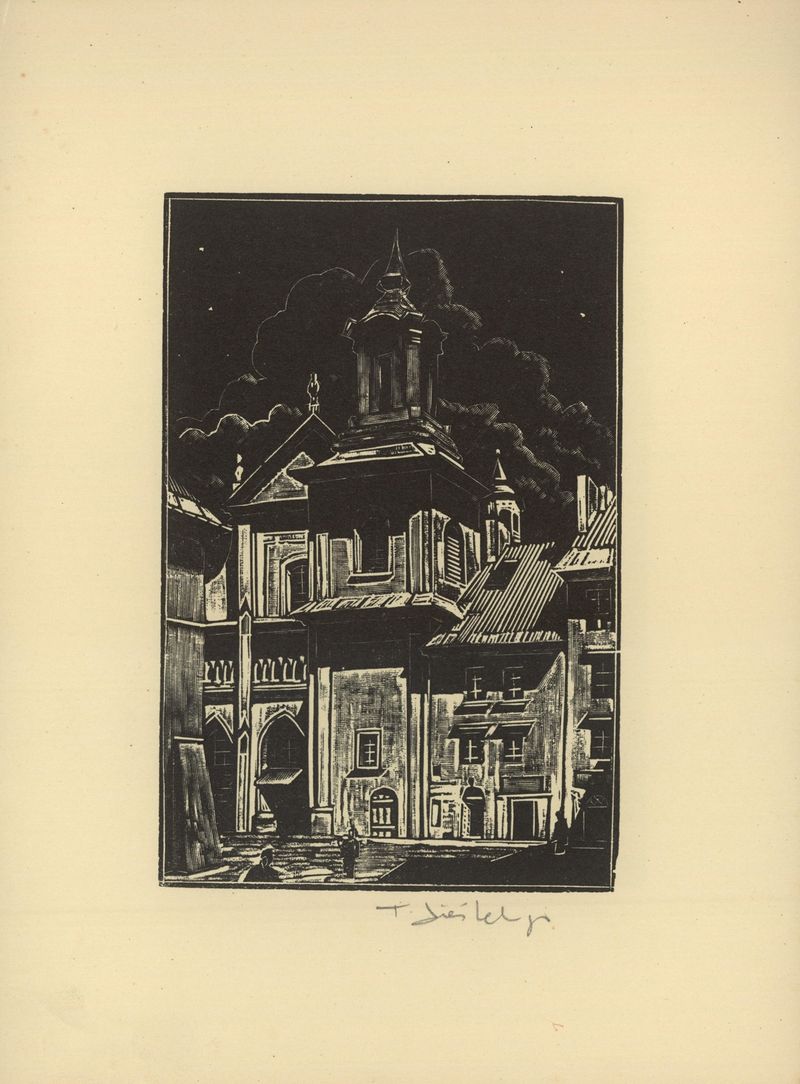
Kościół Dominikanów
Tadeusz Cieślewski

Pomnik Kopernika
Tadeusz Cieślewski
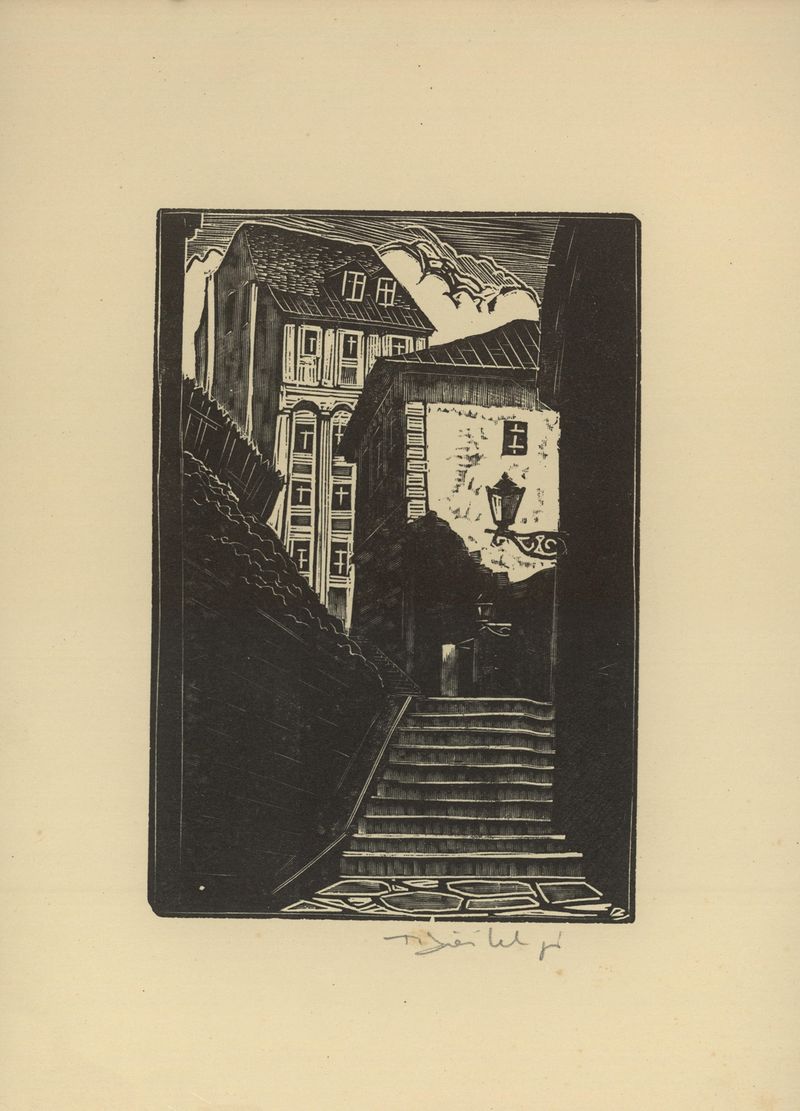
Kamienne Schodki
Tadeusz Cieślewski
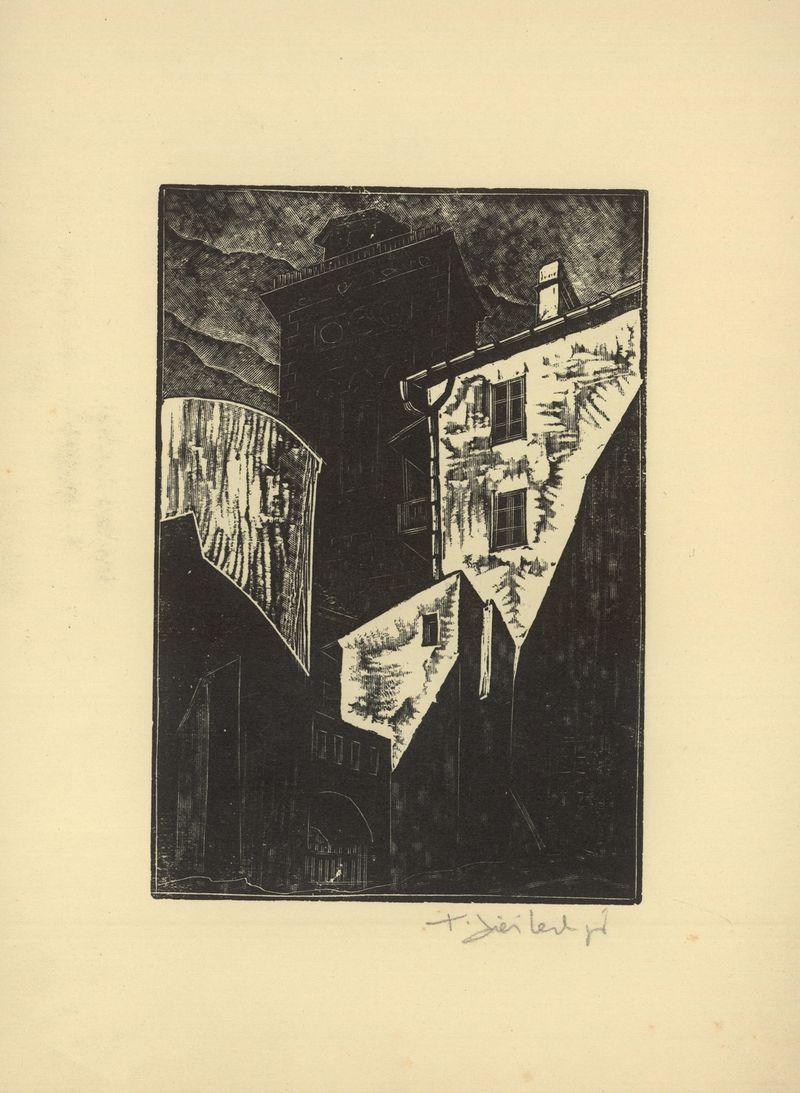
Wieża Bernardynów
Tadeusz Cieślewski

Kościół Św. Anny
Tadeusz Cieślewski