
Dwanaście widoków Warszawy – Title page — History & Facts
Could beauty survive in a century of chaos? This thought resonates profoundly as we gaze upon the title page of Dwanaście widoków Warszawy, where a delicate balance of form and emotion unveils a world on the brink of transformation. Look closely at the intricate design, where the letters dance across the page, their elegant curves echoing the fluidity of urban life. The monochromatic palette of grays and blacks speaks to a time shadowed by uncertainty, while subtle hints of gold glimmer at the edges, suggesting a flicker of hope amid despair. The composition draws the eye in a rhythmic flow, guiding us through the promise of the twelve views that follow—each promising a deeper connection to a city steeped in history. Beneath the surface, the interplay of light and shadow hints at the contrasts within the city itself.
The title page serves not only as an introduction but also as a poignant reminder of the resilience of Warsaw's spirit. The meticulous details, from the architectural lines to the ornamental flourishes, reveal a longing for beauty and continuity even as the backdrop of turmoil looms large. This visual narrative invites contemplation of the delicate balance between destruction and renewal. In 1930, Tadeusz Cieślewski was capturing the essence of a city deeply affected by the political turbulence of the interwar period.
Living in Poland, he was keenly aware of the changes sweeping through Europe and the impact on urban landscapes. His work during this time reflects a dialogue between nostalgia and the hopeful aspiration for a brighter future, culminating in this remarkable title page that honors both the city and its resilient inhabitants.
More Artworks by Tadeusz Cieślewski
Browse all →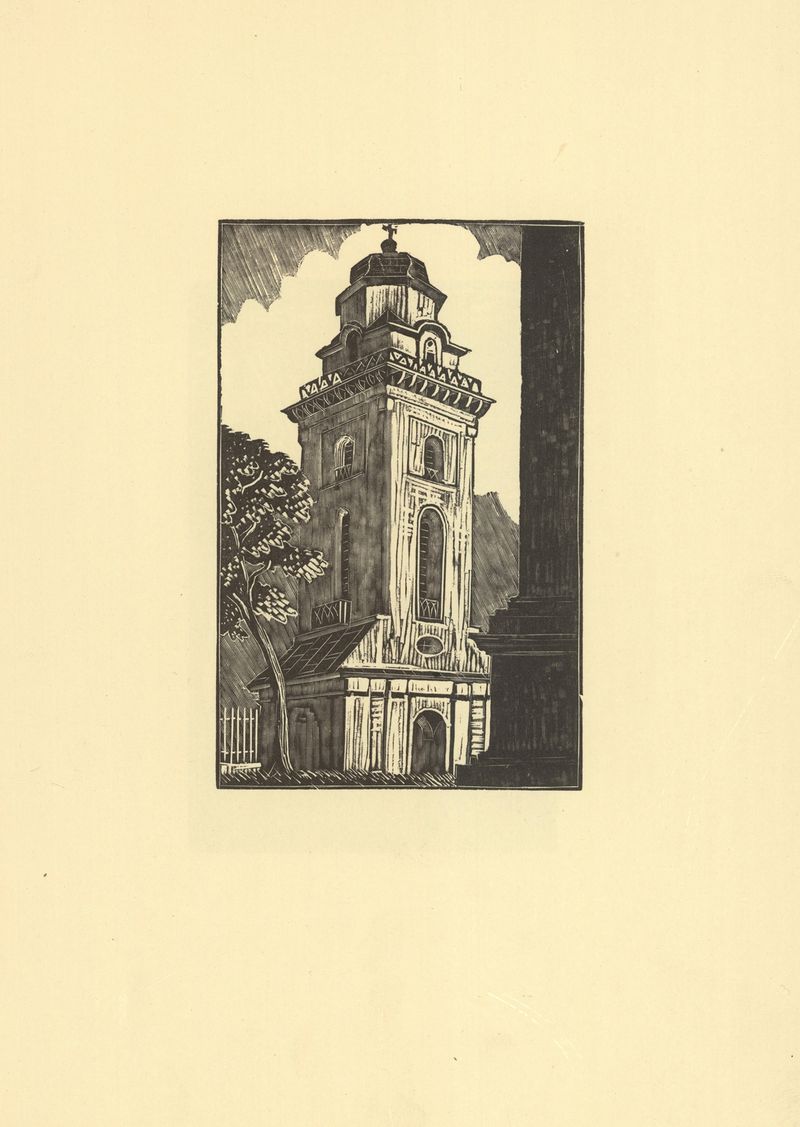
Zamość Pl.2
Tadeusz Cieślewski
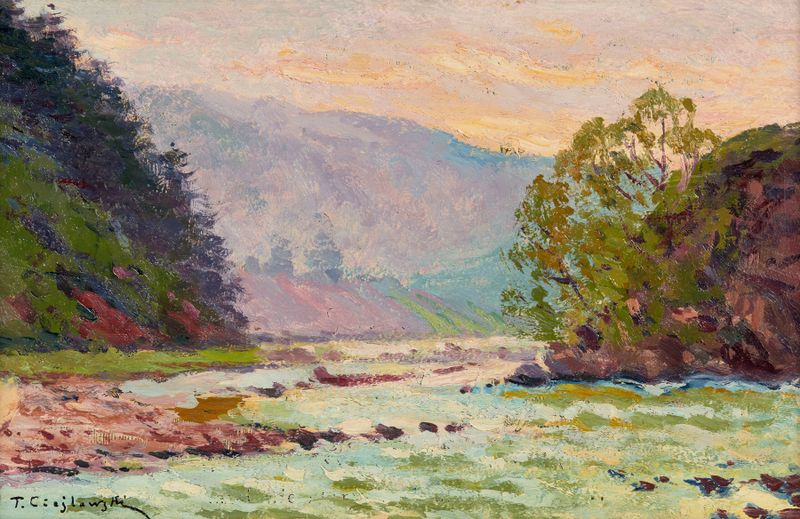
Mountainous landscape with a river
Tadeusz Cieślewski
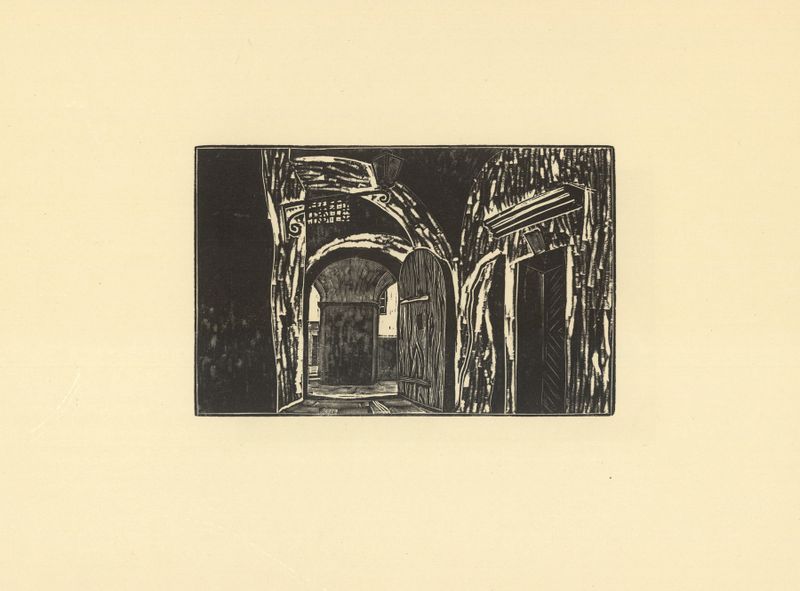
Zamość Pl.3
Tadeusz Cieślewski
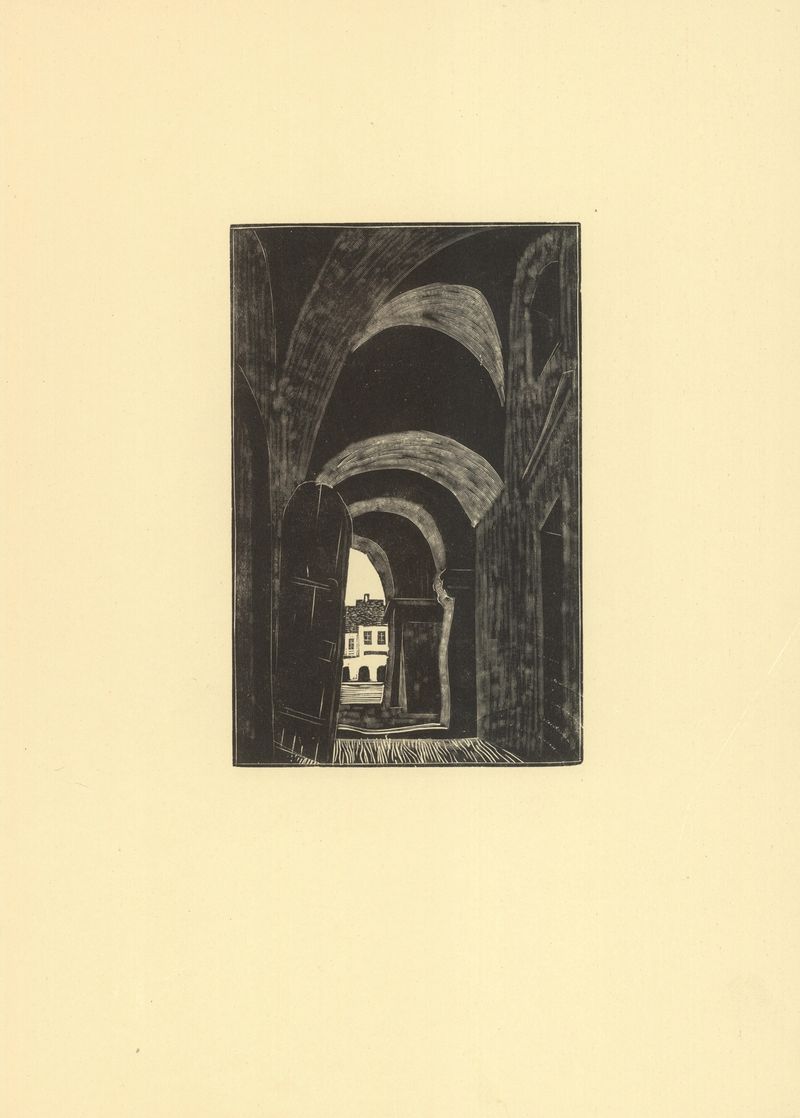
Zamość Pl.5
Tadeusz Cieślewski
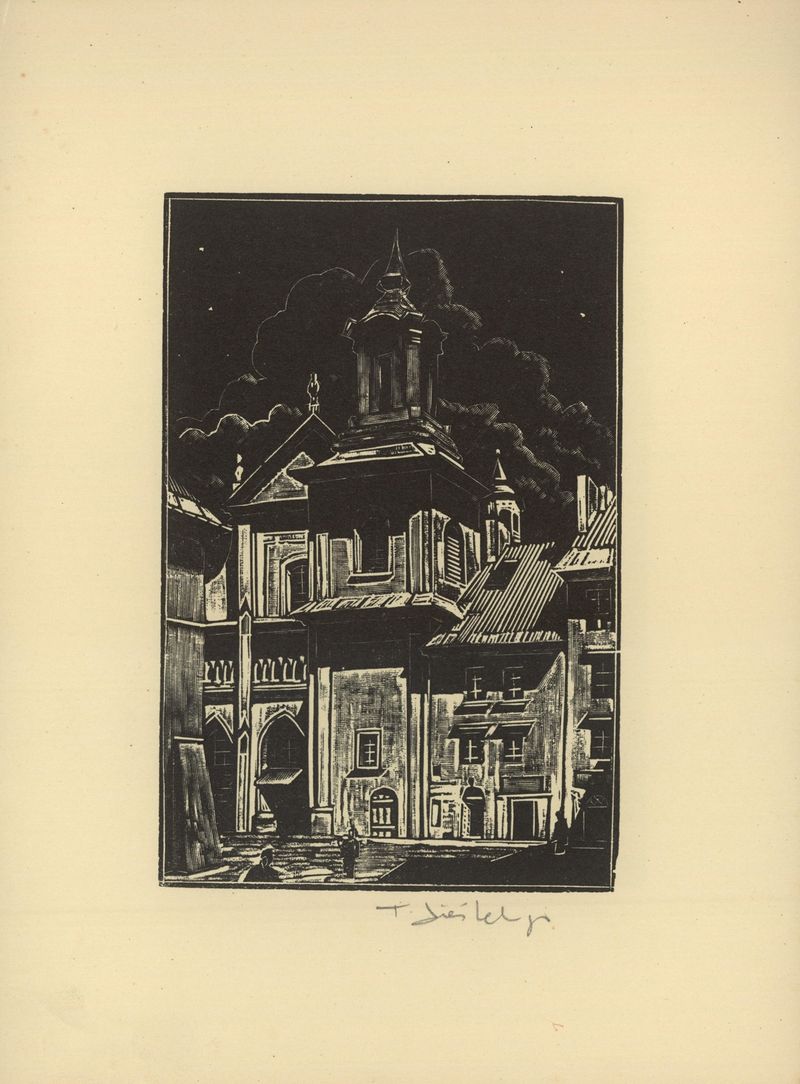
Kościół Dominikanów
Tadeusz Cieślewski

Pomnik Kopernika
Tadeusz Cieślewski
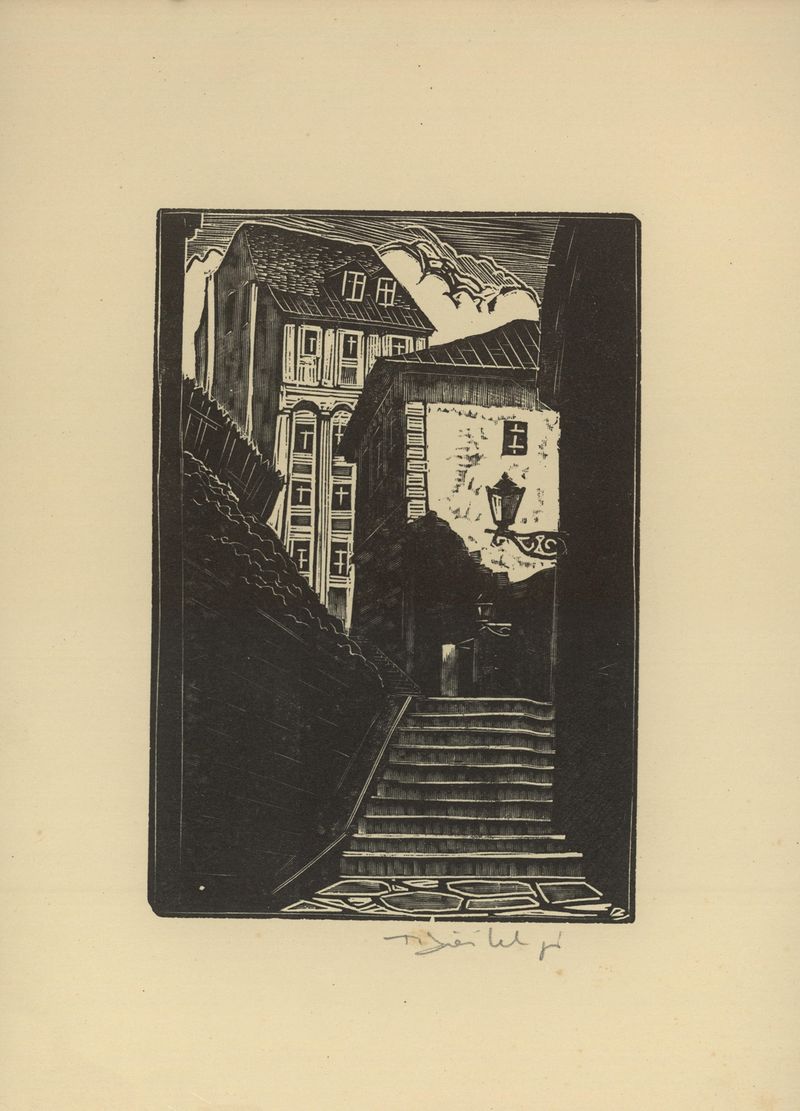
Kamienne Schodki
Tadeusz Cieślewski
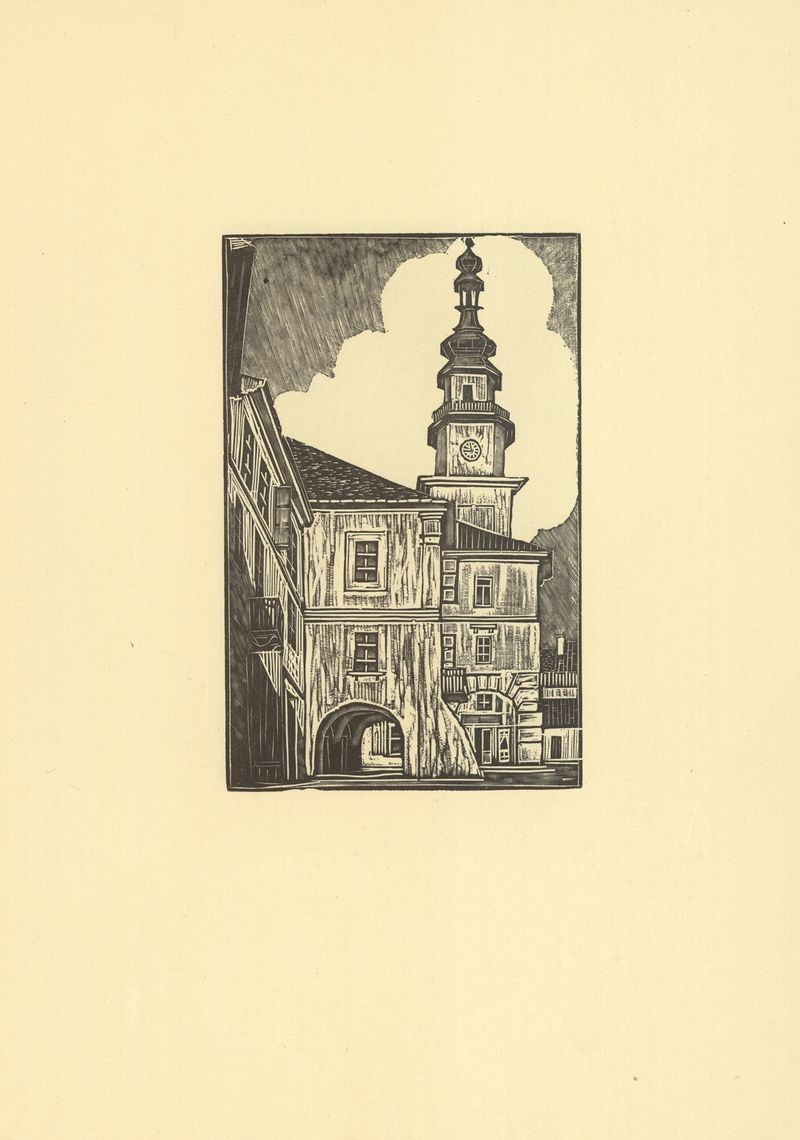
Zamość Pl.4
Tadeusz Cieślewski
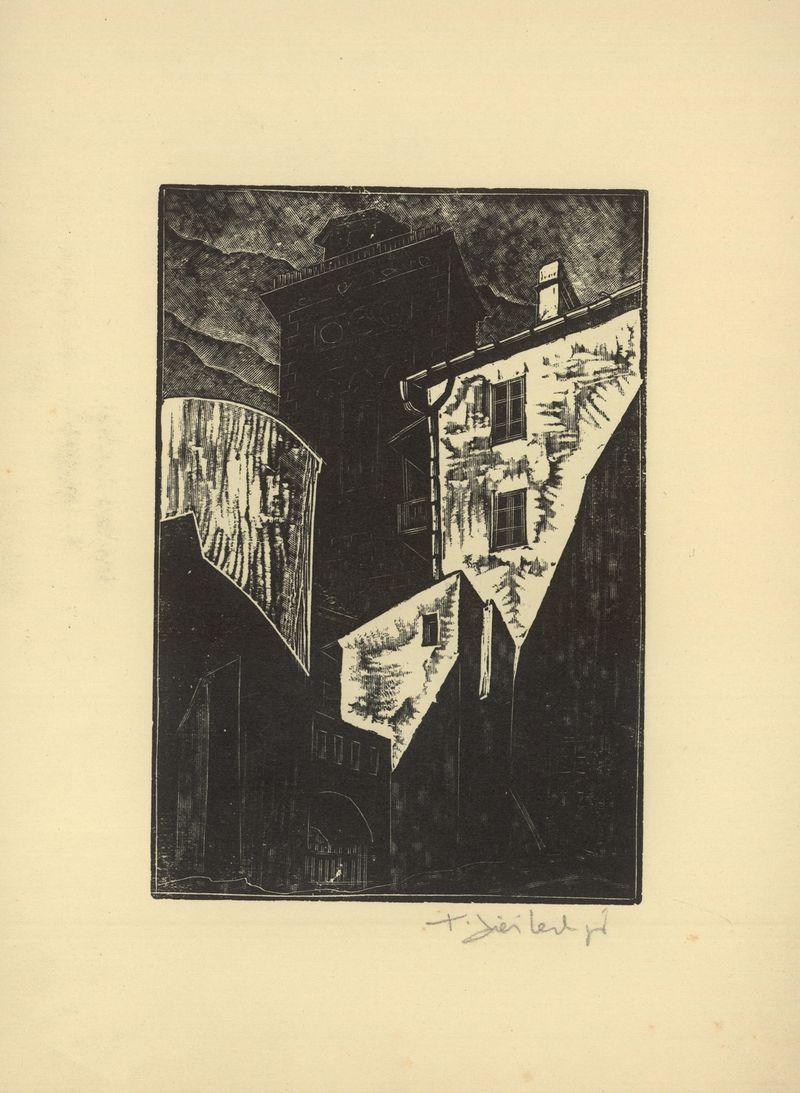
Wieża Bernardynów
Tadeusz Cieślewski

Kościół Św. Anny
Tadeusz Cieślewski
More Illustration Art
Browse all →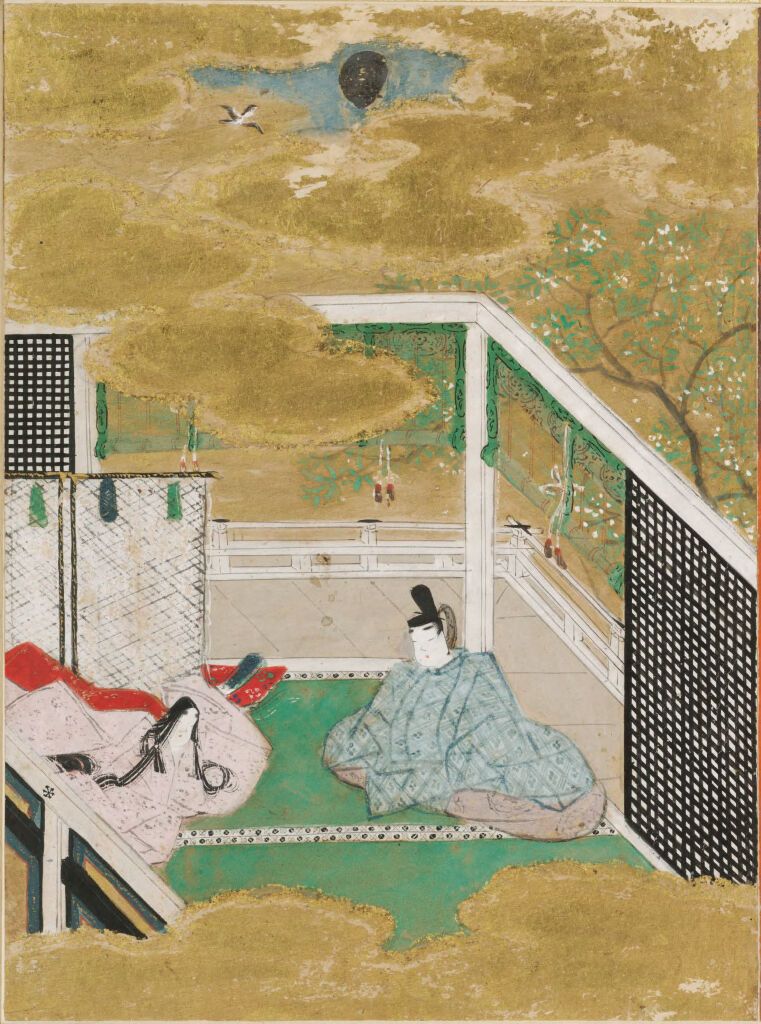
Falling Flowers (Hanachirusato), Illustration to Chapter 11 of the Tale of Genji (Genji monogatari)
Tosa Mitsunobu
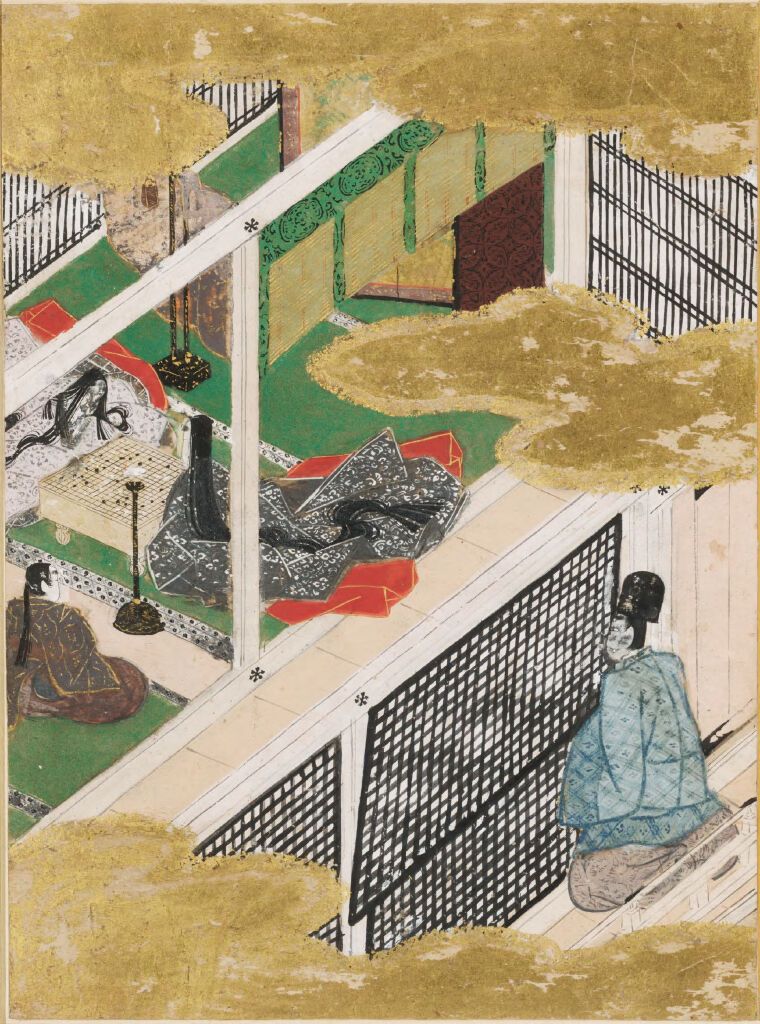
The Cicada Shell (Utsusemi), Illustration to Chapter 3 of the Tale of Genji (Genji monogatari)
Tosa Mitsunobu
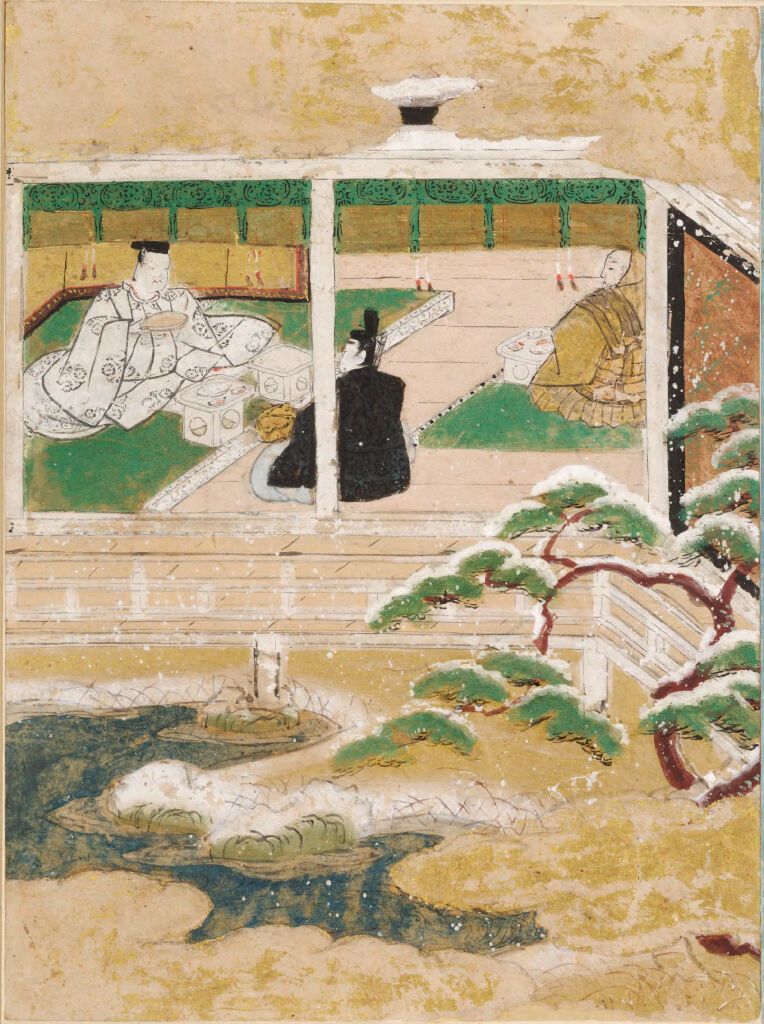
The Seer (Maboroshi), Illustration to Chapter 41 of the Tale of Genji (Genji monogatari)
Tosa Mitsunobu
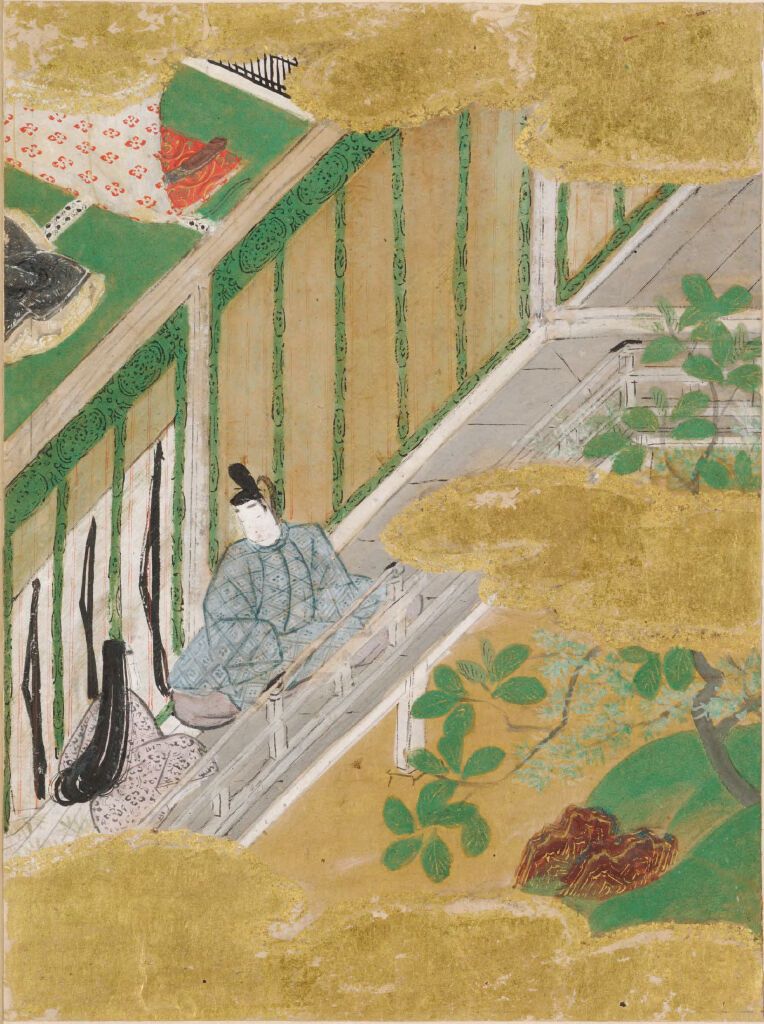
The Oak Tree (Kashiwagi), Illustration to Chapter 36 of the Tale of Genji (Genji monogatari)
Tosa Mitsunobu
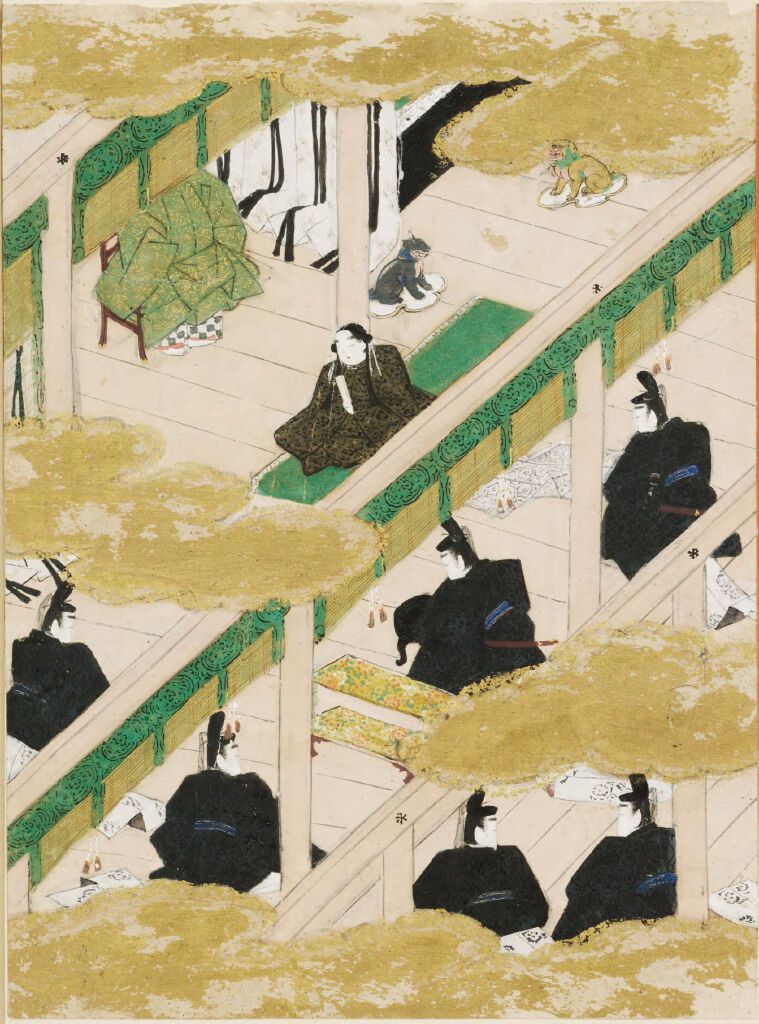
The Paulownia Pavilion (Kiritsubo), Illustration to Chapter 1 of the Tale of Genji (Genji monogatari)
Tosa Mitsunobu
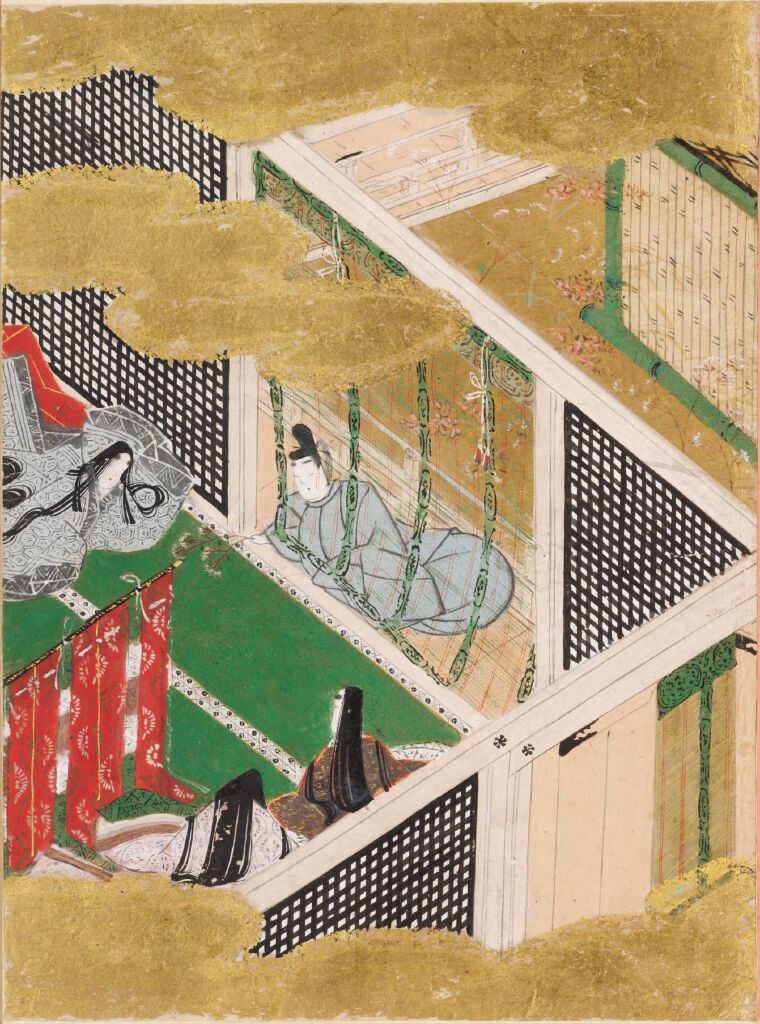
Thoroughwort Flowers (Fujibakama), Illustration to Chapter 30 of the Tale of Genji (Genji monogatari)
Tosa Mitsunobu